
Key Takeaways
-
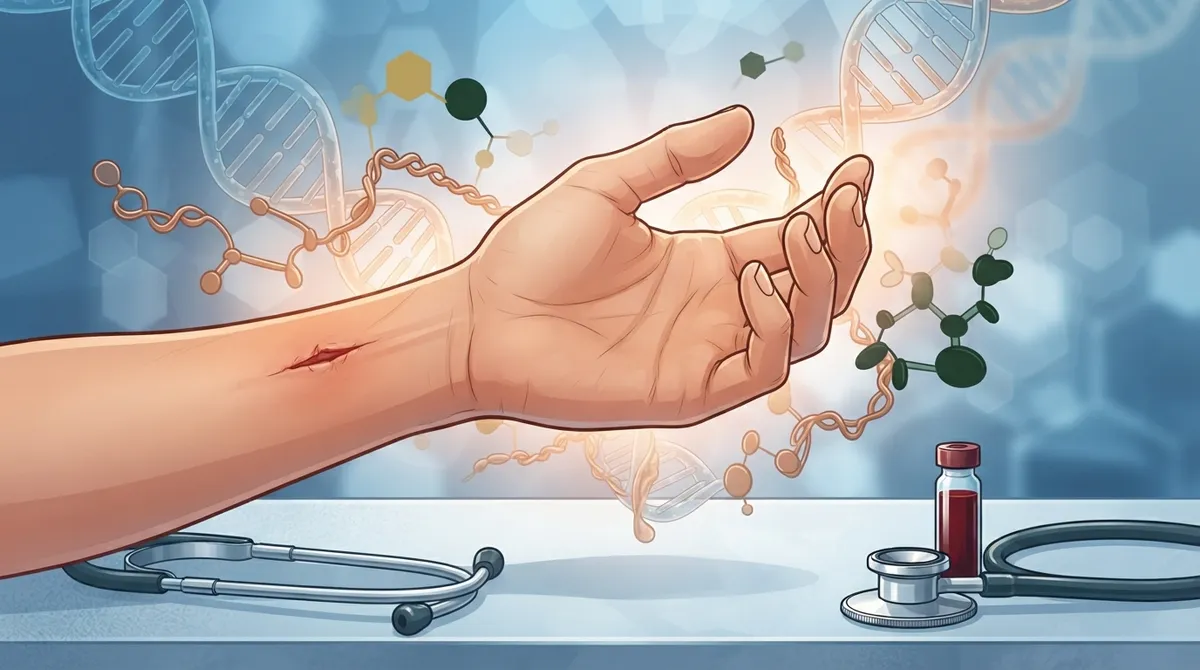
GHK-Cu shows the strongest evidence for healing, with a 2025 study demonstrating 95% wound closure by day 12 in infected rat wounds, but human evidence is mostly limited to topical/cosmetic use rather than injectable applications.
-
BPC-157 is heavily marketed for tendon and ligament recovery but lacks robust human clinical trials; most promising results come from animal studies that don't automatically translate to human outcomes.
-
Peptide therapy should only complement standard medical care, never replace it; always get evaluated by a qualified doctor for chronic wounds, infections, or circulation issues before considering peptides.
-
Work with licensed telehealth providers who review your blood work and health history rather than unregulated online sellers, as peptide quality, sterility, and dosing accuracy vary significantly between sources.
-
Most peptide therapies lack FDA approval for healing indications and long-term human safety data, making them investigational tools that require realistic expectations and ongoing monitoring by a healthcare provider.
-
Peptide-based hydrogels and wound dressings show promise in animal models, but clinical trials are still needed; only one product (Granexin Gel) has advanced to Phase III trials for diabetic foot ulcers.
If you’ve ever searched online for faster recovery from an injury, stubborn wound, or nagging joint pain, you’ve probably stumbled across peptide therapy for healing. Maybe a friend mentioned BPC-157 after their shoulder injury, or you saw an ad for a copper peptide cream that promises smoother skin. It’s exciting stuff, but it’s also confusing. What’s actually backed by science, and what’s just clever marketing?
We get it. You want real answers, not hype. That’s exactly why we put together this friendly, no-nonsense guide. We’ll walk through three of the most talked-about peptides for healing, explain what the research actually shows, and help you understand where things stand today. Whether you’re a busy professional trying to bounce back from a nagging injury, or a wellness seeker who wants to be an informed partner in your own care, this guide is for you. Let’s dig in together.
What Is Peptide Therapy for Healing, Anyway?
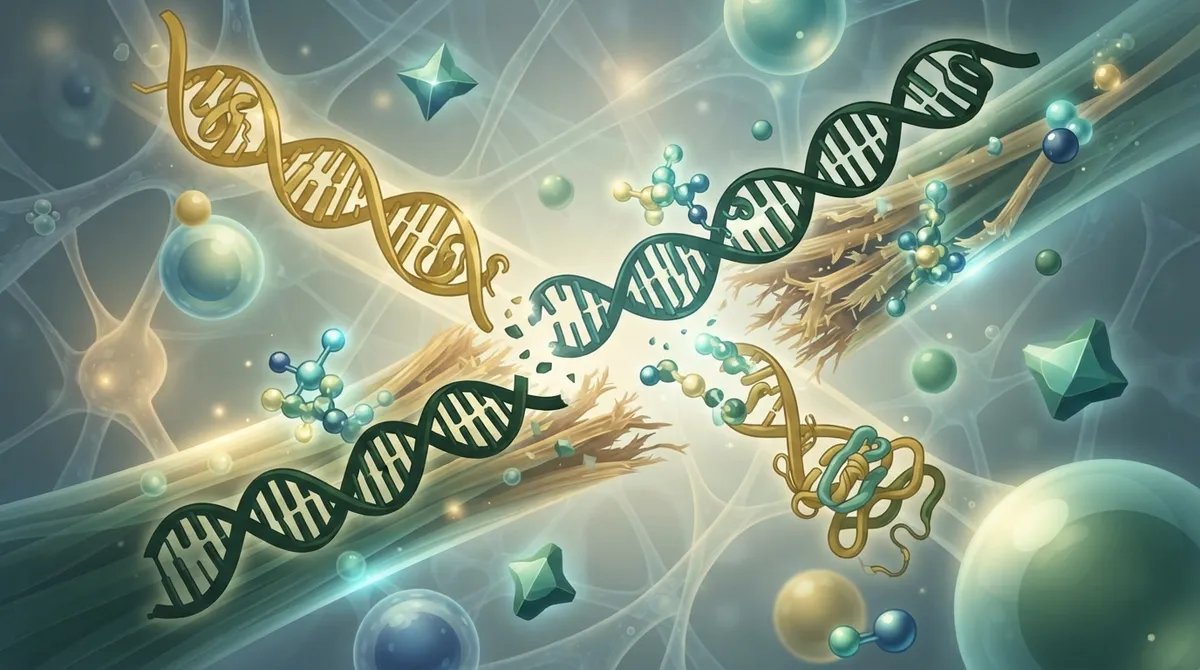
Peptide therapy for healing refers to using small chains of amino acids, called peptides, to support the body’s natural repair processes. Think of peptides as tiny messengers. They can tell cells to migrate, multiply, or produce more collagen. Some peptides may help new blood vessels form. Others might calm down excess inflammation so tissue can repair itself more efficiently.
According to what are peptides, these molecules are shorter versions of proteins and occur naturally throughout the human body. Scientists have been studying how certain peptides might be used to support wound closure, skin regeneration, and soft-tissue recovery. It’s a genuinely exciting area of research. But it’s important to separate lab results from proven human treatments.
Much of the science here is still developing. Some peptides have solid backing for topical or cosmetic use. Others are popular in wellness circles but still lack strong human clinical trials. We’ll break all of this down so you know exactly what you’re looking at.
3 Healing Peptides Getting the Most Attention Right Now
Let’s look at the peptides people ask about most often. We’ll cover what they’re supposed to do, what the evidence actually shows, and what you should keep in mind before considering any of them.
1. GHK-Cu (Copper Peptide)
GHK-Cu is one of the most studied regenerative peptides out there. It’s a naturally occurring copper-binding peptide found in human plasma, saliva, and urine. Researchers believe it may help remodel the extracellular matrix, the scaffolding that holds your skin and tissue together.
Here’s what the research shows so far:
- Preclinical studies suggest GHK-Cu may support collagen synthesis, angiogenesis (new blood vessel growth), and skin repair.
- A 2025 review described a GHK-Cu hydrogel that produced about 95% wound closure by day 12 in an infected rat wound model, compared to roughly 65% in the control group.
- Most human evidence involves topical or cosmetic applications, like post-procedure skin care, rather than injectable or systemic use.
- Evidence for injected GHK-Cu in humans remains limited, so it shouldn’t be treated as a proven systemic healing treatment yet.
If you’re curious about the science behind copper peptides, our guide on how to evaluate GHK-Cu peptide safely in 2026 walks through practical considerations before trying anything new.
2. BPC-157
BPC-157 is probably the most talked-about peptide in wellness circles today. It’s marketed heavily for tendon, ligament, muscle, and gut recovery. Athletes and biohackers love discussing it, and it shows up constantly on forums and social media.
But here’s the honest truth: robust, well-controlled human clinical trials for BPC-157 are still limited. Most of the exciting results come from animal studies. Promising results in rats do not automatically mean the same thing will happen in people. That gap between animal data and human proof is a big deal, and it’s one reason regulatory agencies haven’t approved BPC-157 as a treatment for injury recovery.
If you’re weighing whether BPC-157 is right for you, it helps to read up first. We recommend checking out 9 BPC-157 peptide facts to know before you start and what are BPC-157 benefits and side effects really before making any decisions. Understanding both the potential and the limitations helps you make a smarter, safer choice.
3. Thymosin Beta-4 (and Related Peptides)
Thymosin beta-4 has been studied for its potential role in angiogenesis, cell migration, and modulating inflammatory pathways. Some wellness clinics market related products, often called TB-500, for general tissue repair.
However, thymosin beta-4 and TB-500 are not FDA-approved in the United States for musculoskeletal repair or general healing purposes. Much of the interest stems from early research rather than large human trials. If you want a deeper breakdown of what’s known and what’s still uncertain, our article on 13 facts about TB-500 peptide you need in 2026 covers it in detail.
Comparing the Three Peptides at a Glance
Sometimes a simple side-by-side view makes everything click. Here’s how these three peptides stack up based on current research.
| Peptide | Proposed Use | Human Evidence Level | Regulatory Status |
|---|---|---|---|
| GHK-Cu | Skin repair, collagen support, wound closure | Moderate for topical/cosmetic use; limited for injectable use | Not FDA-approved as an injectable drug; used in cosmetic products |
| BPC-157 | Tendon, ligament, muscle, gut recovery | Mostly animal studies; limited human trials | Not FDA-approved for healing indications |
| Thymosin Beta-4 / TB-500 | Angiogenesis, cell migration, inflammation modulation | Early-stage; not well established in humans | Not FDA-approved for musculoskeletal repair |
How Peptides Are Thought to Support the Healing Process
So how exactly might these molecules help tissue repair? Researchers point to several possible mechanisms. Understanding this can help you separate real science from wishful thinking.
- Fibroblast migration: Peptides may encourage the cells responsible for producing collagen to move toward an injury site.
- Collagen and elastin production: Some peptides appear to boost the building blocks that give skin and tissue their strength and elasticity.
- Angiogenesis: New blood vessel formation can help deliver oxygen and nutrients to damaged tissue.
- Inflammation control: Certain peptides may help calm excessive inflammation, which can otherwise slow healing.
- Epithelialization: This is the process where new skin cells cover a wound, and some peptides may support this step.
It’s worth noting that a lot of this research comes from cell cultures and animal models. A 2024 review of local and systemic peptide therapies for soft-tissue repair found the evidence to be quite mixed, with only limited clinical studies for many commonly promoted peptides. That doesn’t mean the science is bad. It just means we need more human trials before drawing firm conclusions.
What About Peptide-Based Wound Dressings and Hydrogels?
Here’s an area that’s genuinely exciting for the future of wound care. Researchers are developing peptide-based hydrogels, dressings, and scaffolds that deliver peptides directly to a wound site. These materials can help keep a wound moist and localize the treatment, which may improve outcomes.
A 2025 review of peptide-based hydrogels for chronic wounds found that most of the supporting evidence still comes from lab and animal studies. The researchers emphasized that more clinical trials are needed before these become routine care. Still, some products are making progress. One example is Granexin Gel, containing the peptide alphaCT1, which has advanced to a Phase III trial for diabetic foot ulcers. Reaching Phase III is a meaningful milestone, but it doesn’t mean the product is approved or proven effective yet.
Another interesting example comes from a study on visfatin-derived peptides. In an animal model, a peptide called Vis-1 achieved 90.8% wound closure by day 10, compared to 76.9% in untreated controls. That’s a promising early signal, but again, this was animal research and needs human validation before it means much for real patients.
Where Peptide Therapy Fits (and Where It Doesn’t)
This is probably the most important section of this whole article, so let’s be really clear. Peptide therapy for healing should never replace standard medical care. If you have a chronic wound, an infected injury, poor circulation, or a condition like diabetes affecting your healing, you need evaluation from a qualified medical professional first.
Peptide therapy can be a complementary tool, something that works alongside good medical care, not instead of it. Here’s a simple way to think about when peptide therapy might make sense as part of a broader wellness plan:
- You’ve already addressed any underlying medical conditions with your doctor.
- You’re working with a licensed provider who reviews your blood work and health history.
- You understand the current state of the evidence and aren’t expecting guaranteed results.
- You’re using peptide therapy to support recovery, not as a substitute for surgery, physical therapy, or wound care.
This is exactly why working with a licensed telehealth provider matters so much. At Allura Longevity, treatment plans start with real lab work through LabCorp, not guesswork. Our approach centers on personalized care guided by licensed providers, so you’re never navigating this alone. If you want to learn more about starting safely, check out our guide on how to start peptide therapy safely and see real results.
Safety Considerations You Shouldn’t Skip
Safety depends heavily on the specific peptide, the dose, how it’s given, and where it comes from. Here are some things worth keeping in mind:
| Safety Factor | Why It Matters |
|---|---|
| Source and sterility | Compounded products vary in quality; contamination is a real risk |
| Dosing accuracy | Incorrect dosing can lead to unwanted effects or wasted product |
| Injection-site reactions | Redness, swelling, or irritation can occur at injection sites |
| Long-term effects | Many peptides lack long-term human safety data |
| Regulatory status | Many popular peptides are not FDA-approved drugs |
According to the National Library of Medicine, peptide-based therapies show real promise but require more rigorous clinical study before they can be considered standard treatment for most healing applications. This is exactly why sourcing matters so much. Working with a licensed telehealth provider that follows medical protocols helps reduce risk significantly compared to buying from unregulated sources online.
Steps to Take Before Trying Peptide Therapy for Healing
If you’re seriously considering peptide therapy as part of your recovery or wellness routine, here’s a simple roadmap to follow:
- Get evaluated first. See a doctor for any active wound, injury, or chronic condition before considering peptides.
- Complete blood work. A licensed provider should review your labs to understand your baseline health.
- Ask about the evidence. A good provider will be upfront about what’s proven and what’s still emerging.
- Choose a licensed source. Avoid unregulated online sellers with no medical oversight.
- Set realistic expectations. Peptide therapy is a support tool, not a miracle cure.
- Monitor and adjust. Ongoing check-ins with your provider help track progress and catch issues early.
This is precisely the model we use at Allura Longevity. Clients start with a simple $50 virtual consultation, complete labs through LabCorp, and receive a personalized six-month plan. Ashley, our board-certified Family Nurse Practitioner, and our licensed care team monitor your progress and adjust your plan as needed. Everything ships right to your door, and we currently serve clients in Florida, Georgia, Texas, Connecticut, Indiana, Maryland, New York, and California.
A Quick Word on Related Peptide Categories
Healing peptides are just one piece of a much bigger picture. If you’re already interested in optimizing your health, you might also want to explore how peptides support other goals. For example, our articles on 8 things peptides really do for muscle recovery and how to trigger collagen stimulation with peptides pair nicely with this topic. Recovery, skin health, and overall vitality often go hand in hand.
And if you’re new to this whole world, our foundational guide on 8 facts that explain what are peptides in 2026 is a great starting point before diving deeper into specific protocols.
Ready to Explore Peptide Therapy the Smart Way?
Peptide therapy for healing is a genuinely fascinating field, full of promise but still evolving. GHK-Cu shows encouraging results for skin repair, especially topically. BPC-157 has passionate fans but needs more human research. Thymosin beta-4 and TB-500 remain investigational. The honest answer is that we’re still learning, and that’s okay. Good decisions come from good information, not hype.
What matters most is working with people who take your health seriously, who look at your actual labs, and who build a plan around your real needs, not a one-size-fits-all approach. That’s the whole philosophy behind Allura Longevity. We combine science-backed peptide protocols with genuine, ongoing care from licensed providers, all delivered conveniently through telehealth.
Spots fill up each month, so if you’re ready to explore whether peptide therapy fits your recovery or wellness goals, now’s a great time to reach out. Request a consultation today, or give us a call at (813) 510-6277. We’d love to help you feel like your best self again.
FAQs
Q: What is peptide therapy for healing and how does it work?
A: Peptide therapy for healing uses small protein fragments that may signal cells to repair tissue, produce collagen, or form new blood vessels. Think of peptides as little messengers nudging your body’s natural repair systems into action. The science is promising, but much of it is still in early research stages, so it’s best viewed as a complementary approach rather than a cure-all.
Q: Can peptide therapy help wounds heal faster?
A: Some peptides, especially GHK-Cu in topical form, show encouraging results for wound closure in lab and animal studies. However, most robust human evidence is still limited, so it’s honest to say the science is promising but not yet fully proven. Standard wound care and medical treatment should always come first, especially for chronic or infected wounds.
Q: Is BPC-157 effective for tendon, ligament, or muscle injuries?
A: BPC-157 is popular in wellness circles, but strong human clinical trials are still lacking. Most of the exciting results come from animal studies, which don’t always translate directly to people. If you’re curious, it’s worth reading up on the current evidence before deciding if it’s right for you.
Q: Are healing peptides FDA-approved and legal to use?
A: Many peptides marketed for healing, like BPC-157 and TB-500, are not FDA-approved for that purpose in the United States. Some peptides, like topical GHK-Cu, appear in cosmetic products, while others are only available through compounding channels. Always work with a licensed provider who can explain the regulatory status clearly.
Q: Can peptide therapy replace surgery, physical therapy, or wound care?
A: No, peptide therapy should never replace standard medical treatment for serious injuries, chronic wounds, or infections. It’s best used as a supportive tool alongside proper medical care, not as a substitute for it. If you have a concerning wound or injury, please see a qualified provider first.





