
Key Takeaways
-
Only three small pilot human studies on BPC-157 exist, with none being large randomized placebo-controlled trials; most evidence comes from animal research, not confirmed human benefits.
-
BPC-157 is not FDA-approved for any medical condition and carries significant safety and effectiveness concerns; products sold as research chemicals may have unclear purity, dosage, and contamination risks.
-
A knee pain study showed 11 of 12 participants reported less pain, but had no control group and relied on self-reported surveys, so cannot prove BPC-157 caused the improvement.
-
Reported side effects include injection-site pain/swelling, nausea, headache, dizziness, and fatigue, but long-term effects, reproductive impacts, medication interactions, and immune effects remain unknown.
-
Working with a licensed medical provider for sourcing, dosing, and monitoring significantly reduces risks of contamination, mislabeling, and adverse reactions compared to self-sourcing peptides online.
-
Delivery method matters: injections claim faster absorption but carry sterility risks, oral capsules have uncertain absorption, and nasal sprays have limited research; purity concerns exist across all forms.
If you spend any time in wellness circles, you have probably heard whispers about BPC-157. Maybe a gym buddy mentioned it after a shoulder injury. Maybe you saw it trending in a biohacking forum. It sounds almost too good to be true: a peptide that might help tendons heal, calm your gut, and speed recovery. But before you get swept up in the excitement, let’s slow down and look at what the science actually says about BPC-157 benefits and side effects.
This article is written for real people. Health optimizers chasing better recovery. Busy professionals who want convenient care. Aging adults hoping to feel like themselves again. Biohackers who love data. And wellness seekers ready for the next step. Wherever you fall, you deserve clear, honest information before trying anything new. Let’s dig in together.
What Is BPC-157 and Why Is It So Popular?
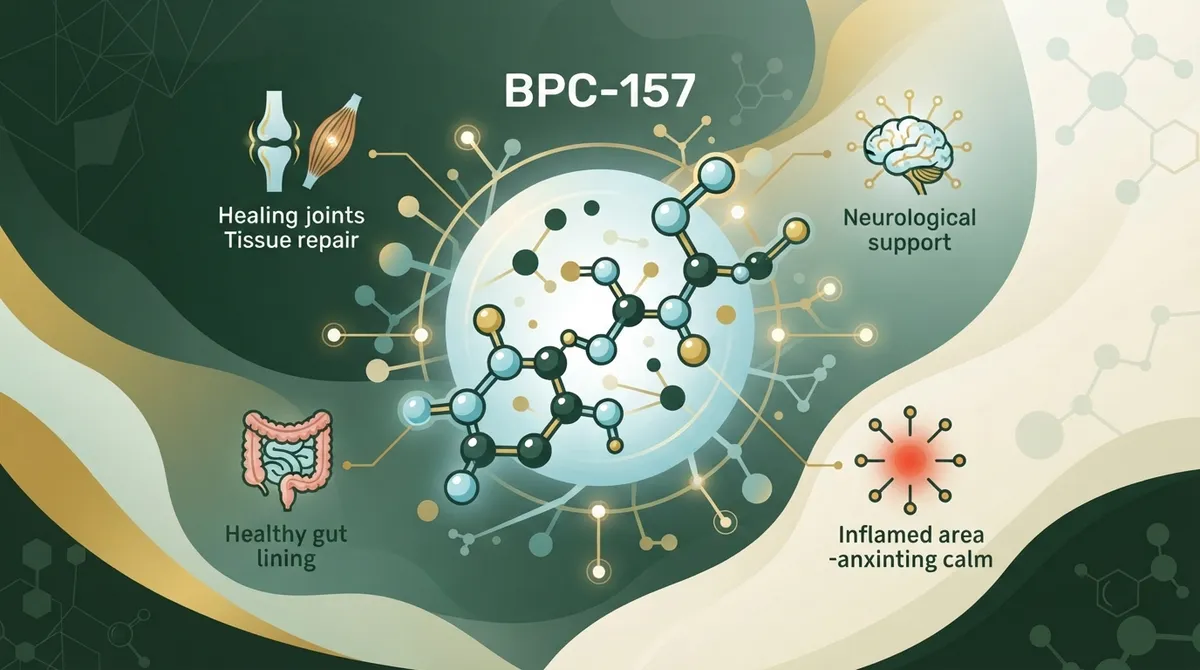
BPC-157 is a synthetic peptide made of 15 amino acids. It is based on a protective protein sequence naturally found in stomach acid. That is part of why it earned such a reputation in the recovery and gut-health space.
In the peptide therapy world, BPC-157 gets a lot of buzz for a few reasons. People talk about it in connection with:
- Tendon and ligament recovery after injury
- Muscle strain healing
- Joint discomfort and inflammation
- Gut lining support and digestive comfort
- General tissue repair after workouts or physical stress
It is important to say this clearly: these uses are not FDA-approved indications. BPC-157 has not been approved by the FDA for any medical condition. Most of what we know comes from lab and animal research, not large human trials. If you want a deeper foundation on how peptides work in general, this guide on what peptides are and how they function is a great place to start.
The Science Behind the Buzz
So where does the excitement come from? Mostly from the lab. Researchers have studied BPC-157 in animals and found some interesting effects on the body.
Proposed Mechanisms of Action
Scientists believe BPC-157 may influence several biological processes, including:
- Formation of new blood vessels, which could support tissue repair
- Nitric-oxide signaling, which affects blood flow and healing
- Inflammatory pathways that control swelling and pain
- Protection of the stomach and gut lining
These are promising ideas. But promising in a petri dish or a rat study is very different from proven in a person. According to National Library of Medicine research summaries, the leap from animal data to confirmed human benefit has not been made yet for BPC-157.
What Human Studies Actually Show
Here is where things get real. A 2025 narrative review found only three published pilot human studies on BPC-157. That is it. Three small studies, not the large randomized trials scientists typically need to confirm real benefits.
Let’s break down what these three studies looked at:
- An intra-articular knee study, where BPC-157 was injected directly into the knee joint
- An interstitial cystitis study, looking at bladder pain and irritation
- An intravenous safety and pharmacokinetics study in just two healthy adults
None of these were large, randomized, placebo-controlled trials. That means none of them can prove BPC-157 truly works better than a placebo. They are early signals, not final answers.
BPC-157 Benefits: What the Research Suggests (and Its Limits)
Let’s talk honestly about the potential upside, while being clear about how limited the evidence really is.
Knee and Joint Discomfort
In a small chart-review study, 11 out of 12 participants who received BPC-157 alone reported feeling less knee pain. That sounds encouraging on the surface. But this study had no control group, relied on phone-survey self-reports, and cannot prove the peptide caused the improvement.
Gut and Bladder Health
A 2024 interstitial cystitis pilot study found zero out of 12 participants experienced hematuria or acute cystitis after treatment. Again, this is a tiny, uncontrolled study. It tells us something might be worth exploring further, not that BPC-157 is a proven treatment for bladder or gut issues.
Safety Signals in Very Small Samples
A 2025 intravenous pilot study looked at just two healthy adults. No major changes showed up in their vital signs, heart tests, or blood work. But a sample size of two cannot tell us about rare or long-term side effects. It is simply too small to draw firm conclusions.
| Study Type | Sample Size | Key Finding | Limitation |
|---|---|---|---|
| Knee pain chart review | 12 participants | 11 reported subjective pain relief | No control group, self-reported only |
| Interstitial cystitis pilot | 12 participants | No hematuria or acute cystitis reported | Small, uncontrolled design |
| IV safety pharmacokinetics | 2 participants | No major changes in labs or vitals | Too small to detect rare risks |
| Preclinical animal studies | 35 publications | Positive effects in tissue and gut models | Animal results do not equal human success |
A 2025 review in the HSS Journal looked at 36 total publications through June 2024. Of those, 35 were animal studies, and only one was an uncontrolled human chart review. There were no completed controlled human efficacy trials at that time. That is the honest state of the science today.
Possible Side Effects You Should Know About
No treatment, supplement, or peptide is risk-free. Even with limited human data, we do have some information about what people report experiencing.
Commonly Reported Reactions
People using BPC-157 in various settings have reported:
- Pain, redness, or swelling at the injection site
- Nausea or an upset stomach
- Dizziness or lightheadedness
- Headache
- Fatigue or low energy
- Flushing of the skin
- Sleep disturbances
- Changes in blood pressure or heart rate
These reactions have not caused major short-term safety alarms in the small studies available. But that does not mean BPC-157 is proven safe. It simply means we have not looked hard enough, long enough, or in enough people to know for sure.
What We Still Don’t Know
Several important safety questions remain unanswered. These include:
- Long-term effects with repeated or ongoing use
- Reproductive health impacts, including during pregnancy
- Interactions with prescription medications
- Cancer-related risks over time
- Effects on the immune system
- Safety of self-administered injections without medical supervision
This is exactly why working with a licensed provider matters so much. If you are curious about safe starting points, this article on how to start peptide therapy safely walks through the basics.
Is BPC-157 Legal and FDA-Approved?
This is one of the most common questions people ask, and the answer is important. BPC-157 is not FDA-approved for any medical condition. The FDA has placed it in a category reflecting significant safety and effectiveness concerns when used as a compounded substance.
What This Means for You
Here is what the current regulatory status actually tells us:
- No FDA approval exists for treating any disease or condition
- Products sold as research chemicals may have unclear purity or dosage
- Contamination and mislabeling are real risks with unregulated sources
- Athletes should know it is banned by the World Anti-Doping Agency
- Working with a licensed medical provider reduces sourcing and dosing risks
According to FDA regulatory status tracking, this classification is not a green light. It is a signal that more evidence is needed before BPC-157 can be considered a reliable, standardized treatment.
Injection, Capsules, or Nasal Spray: Does the Form Matter?
Not all BPC-157 products are created equal, and the delivery method matters more than many people realize.
| Form | Common Claims | Key Concerns |
|---|---|---|
| Injection | Faster absorption, targeted delivery | Injection-site risks, sterility concerns |
| Oral capsules | Convenient, no needles | Uncertain absorption through digestion |
| Nasal spray | Easy at-home use | Limited research on this delivery method |
Regardless of form, purity and sourcing remain a concern. Products sold outside of licensed medical channels may have inconsistent concentrations or hidden contaminants. This is one more reason working with a trusted telehealth peptide therapy provider matters so much.
How Allura Longevity Approaches Peptide Therapy Safely
At Allura Longevity, safety and personalization come first. Every client starts with a simple $50 virtual consultation. From there, blood work through LabCorp helps build a full picture of your health. Licensed providers, led by board-certified Family Nurse Practitioner Ashley, design a custom six-month plan based on your actual labs and goals.
This is not a one-size-fits-all approach. Your plan is built around what your body actually needs. Peptides ship straight to your door, and ongoing monitoring means your treatment can adjust as you go. If you want to learn more about what a well-run program should include, check out this breakdown of essential BPC-157 facts before you start.
Why Medical Supervision Matters So Much
Self-sourcing peptides online can feel tempting, especially with so much information floating around. But without medical guidance, you risk:
- Using contaminated or mislabeled products
- Choosing the wrong dose for your body and goals
- Missing warning signs of an adverse reaction
- Combining peptides with medications in unsafe ways
- Wasting money on products with unclear quality control
Working with licensed professionals through platforms like peptides for women and peptides for men programs helps you avoid these pitfalls entirely.
Questions to Ask Before Considering BPC-157
If you are still curious about BPC-157 after learning about the limited evidence, here are smart questions to bring to a licensed provider:
- What does my recent blood work show about my overall health?
- Are there other therapies with stronger evidence for my specific goal?
- What are realistic expectations based on current research?
- How will my provider monitor me for side effects?
- What is the sourcing and quality control process for the product?
For injury recovery specifically, it may also help to compare BPC-157 with other options discussed in this guide on peptides for wound healing. Some people also explore complementary approaches through TB-500 peptide research for muscle and tissue support.
The Bottom Line on BPC-157 Benefits and Side Effects
BPC-157 is fascinating, and it is easy to see why it has captured so much attention. Animal studies suggest real biological activity. But human evidence remains thin, limited to a handful of small pilot studies. No large, controlled trials have confirmed its benefits or established a safe, standardized dose.
Reported side effects so far seem mild in small samples, mostly injection-site issues, nausea, headache, and fatigue. But the truth is, we simply do not have enough long-term data yet. This peptide is not FDA-approved, and quality control on unregulated products is a real concern.
The smartest path forward is working with people who take your safety seriously. Learn more about what are peptides and how they interact with your body before making any decisions. Then talk to a licensed provider who can review your labs, your goals, and your health history together.
Ready to Explore Personalized Peptide Therapy?
You deserve care that is honest, personalized, and grounded in real medical guidance. Allura Longevity combines licensed oversight, individualized blood work, and convenient telehealth delivery to help you make informed choices about peptide therapy. If BPC-157 or another peptide might fit your goals, our team is here to walk through the details with you.
Spots fill up fast each month, so if you are ready to take the next step toward feeling stronger and more recovered, request a consultation today. You can also call us directly at (813) 510-6277 to speak with our team about your options.
FAQs
Q: What is BPC-157 and how is it used in peptide therapy?
A: BPC-157 is a synthetic peptide made of 15 amino acids, often talked about for tissue repair and gut support. In the peptide therapy world, it’s commonly discussed alongside injury recovery, but it’s important to know it’s not FDA-approved for any specific use yet. If you’re curious, chatting with a licensed provider is the best first step!
Q: Does BPC-157 actually help with tendon and joint injuries?
A: Some small human studies, like a knee-pain chart review, showed promising subjective results, with 11 of 12 people reporting less pain. But this study had no control group, so we can’t say for sure it caused the improvement. Think of it as an encouraging early clue, not a guaranteed fix.
Q: What side effects should I watch for with BPC-157?
A: Reported reactions include injection-site irritation, nausea, headache, dizziness, and fatigue. The good news is that small studies haven’t flagged major short-term safety issues so far. That said, long-term data is still limited, so working with a licensed provider for monitoring is always the safer choice.
Q: Is BPC-157 legal and FDA-approved in the United States?
A: BPC-157 is not FDA-approved for treating any medical condition, and the FDA has raised real concerns about its safety and effectiveness as a compounded substance. It’s also banned by the World Anti-Doping Agency for competitive athletes. This makes working with a licensed telehealth provider even more important for safe sourcing.
Q: How strong is the human research on BPC-157 right now?
A: Honestly, it’s still pretty limited! A 2025 review found only three small pilot human studies, and none were large, randomized, placebo-controlled trials. Most of what we know comes from animal research, so it’s smart to stay curious but cautious until more human evidence comes in.