
Key Takeaways
-
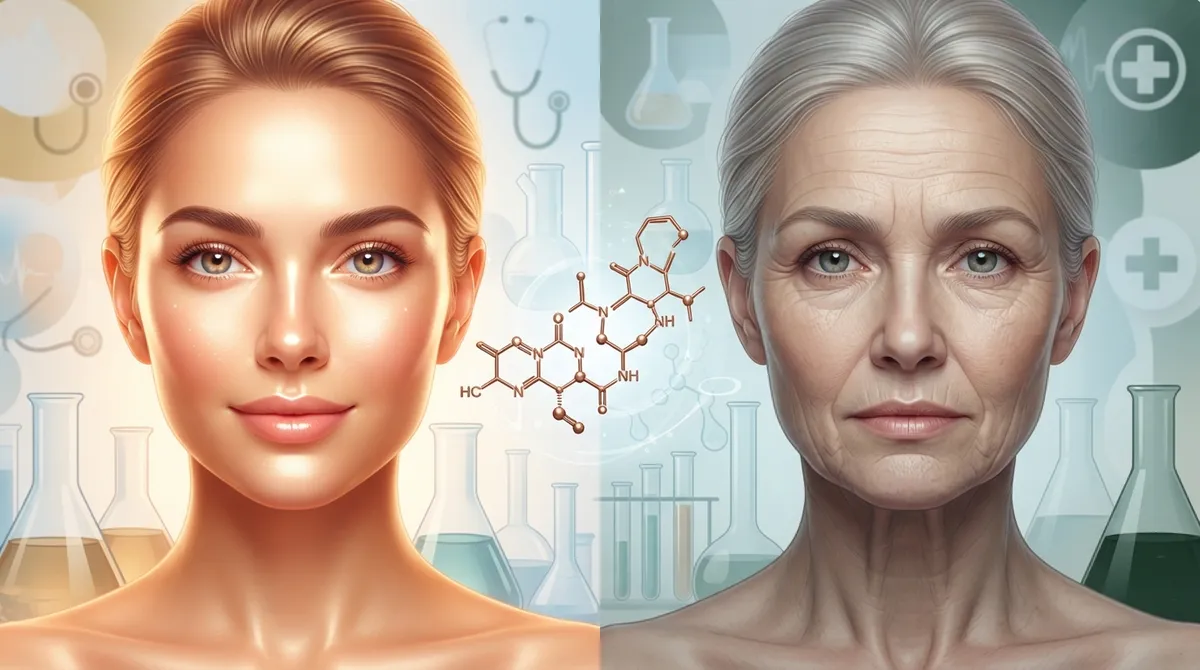
GHK-Cu levels drop over 50% from age 20 to 60 (from ~200 ng/mL to ~80 ng/mL), correlating with visible aging signs and prompting interest in peptide therapy for older adults.
-
Injectable GHK-Cu is NOT FDA-approved for any therapeutic use, and products lack verification for identity, sterility, potency, and safety—making licensed medical provider oversight essential.
-
Most GHK-Cu research comes from lab and animal studies, not large human clinical trials; evidence for injectable use remains limited compared to topical cosmetic applications.
-
Topical Copper Tripeptide-1 in skincare is cosmetic-regulated and different from injectable GHK-Cu, which requires medical oversight and has minimal established dosing standards.
-
GHK-Cu shows preclinical promise for collagen production, fibroblast activity, wound repair, and inflammation reduction, but claims about cognition, dramatic anti-aging, or gene regulation lack clinical validation.
-
Personalized peptide therapy with baseline bloodwork, licensed provider guidance, and ongoing monitoring produces more consistent outcomes than one-size-fits-all protocols purchased online.
If you’ve been scrolling through wellness forums or chatting with friends about skin renewal and tissue repair, you’ve probably heard whispers about the ghk-cu peptide. Maybe you’re curious if it lives up to the hype, or maybe you’re just tired of sorting fact from fiction online. Either way, you’re in the right place. We’re going to walk through what this copper-binding peptide actually is, what the science really shows, and how it fits into a bigger picture of safe, personalized peptide therapy.
Whether you’re a busy professional squeezing self-care into a packed calendar, a biohacker who loves data, or someone simply trying to feel and look their best as the years go by, this guide will give you clear, honest answers. We’ll cover the research, the regulatory reality, and the smart questions to ask before trying any peptide. Let’s dig in together, friend to friend.
What Is GHK-Cu Peptide, Really?
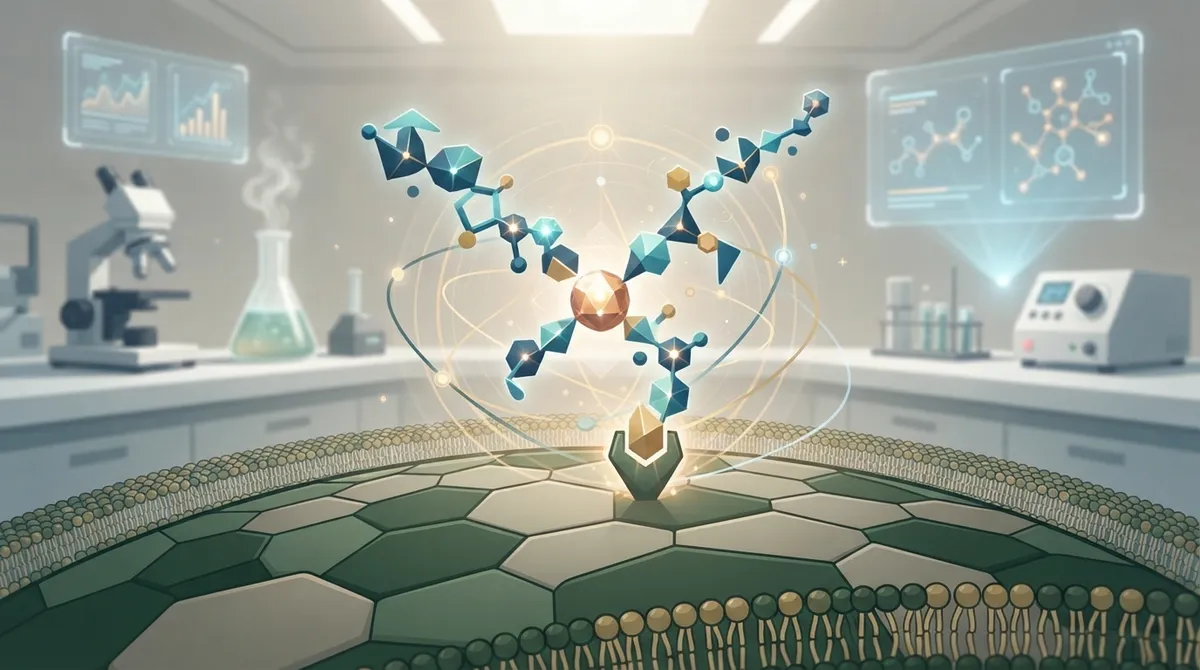
GHK-Cu is short for glycyl-L-histidyl-L-lysine bound to copper. That’s a mouthful, so most people just call it copper tripeptide or GHK-Cu. It’s made of three simple amino acids: glycine, histidine, and lysine. Your body actually makes GHK naturally, and it grabs onto copper very easily, forming the GHK-Cu complex that researchers study.
This isn’t some brand-new lab invention. Scientists first spotted GHK in human plasma back in 1973. It’s also been found in saliva and urine. So in a way, your body already knows this peptide well. To understand the bigger picture of how peptides work in the body, check out this helpful breakdown of 8 Facts That Explain What Are Peptides in 2026.
Why Copper Matters Here
Copper isn’t just a metal you find in pennies. Your cells need trace amounts of it for normal function. When GHK binds copper, it may help transport it to areas that need repair, like skin tissue after an injury or years of sun exposure. Researchers believe this copper-carrying ability is part of why GHK-Cu shows up so often in skin and wound-healing studies, according to a detailed review published on regenerative and protective actions of GHK-Cu.
Why Does GHK-Cu Decline With Age?
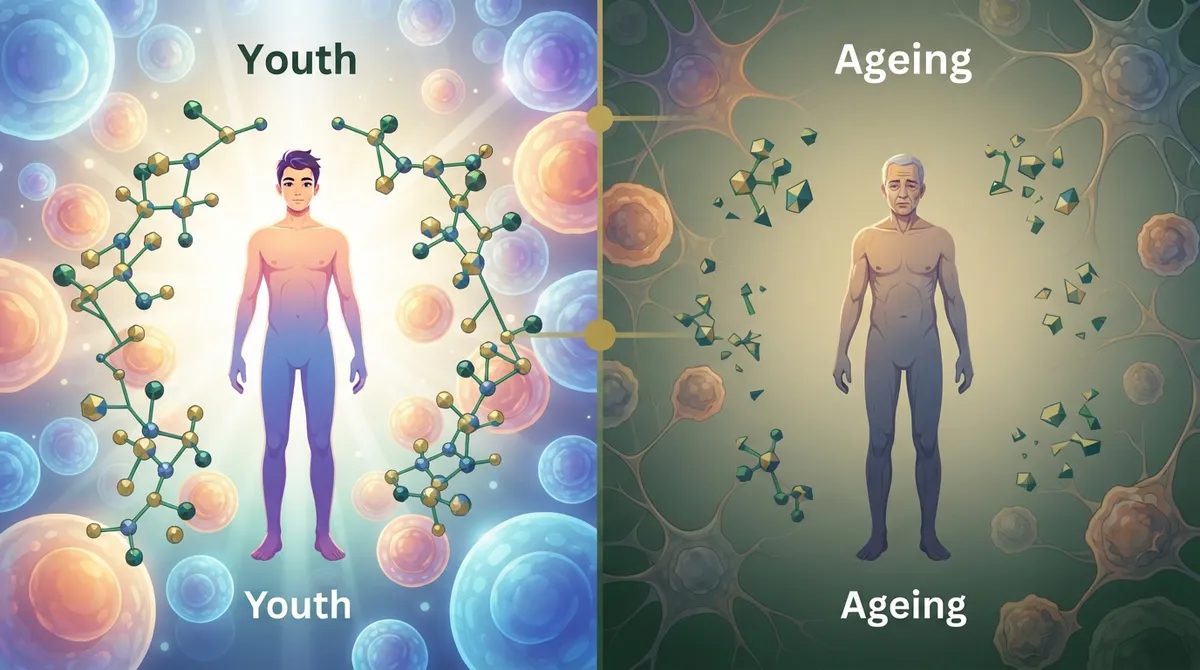
Here’s something that might surprise you. Your natural GHK levels actually drop as you get older, and this decline lines up pretty closely with visible signs of aging. It’s one reason longevity-focused peptide therapy has become such a hot topic among aging adults and wellness seekers.
A 2020 review found some pretty striking numbers on this age-related drop:
| Age | Average Serum GHK Level |
|---|---|
| 20 years old | Approximately 200 ng/mL |
| 60 years old | Approximately 80 ng/mL |
That’s more than a 50 percent drop over four decades. It’s no wonder people start asking questions about supporting their body’s natural repair systems as they hit their 40s, 50s, and beyond. If you’re curious how other peptides fit into an aging-support plan, this guide on How to Pick the Best Peptides for Aging in 2026 is worth a read.
What Does the Research Actually Show?
Let’s be honest with each other here, because that’s what good friends do. The research on GHK-Cu is interesting, but it comes with some important caveats. Most of the strongest evidence comes from lab studies and animal models, not large human clinical trials.
Areas Where GHK-Cu Shows Promise
Preclinical research links GHK-Cu to several biological processes that matter for skin health and recovery:
- Supporting collagen and glycosaminoglycan production in skin tissue
- Encouraging fibroblast activity, the cells that help rebuild connective tissue
- Assisting with wound repair and tissue remodeling
- Promoting angiogenesis, or new blood vessel formation, in damaged areas
- Helping calm inflammatory and oxidative stress pathways
These findings come from decades of lab work, as summarized in research on the potential of GHK as an anti-aging peptide. It’s genuinely fascinating science. But fascinating lab findings don’t automatically mean proven human results, especially for injectable use.
Where the Evidence Gets Thinner
Here’s where we need to slow down and be careful. Claims about GHK-Cu improving cognition, dramatically reversing aging, or broadly regulating hundreds of genes in humans need a lot more clinical validation. Some lab studies show GHK-Cu activity at incredibly small, nanomolar concentrations. That’s impressive in a petri dish, but it doesn’t tell us the right or safe dose for a person.
Human clinical evidence for systemic or injectable GHK-Cu remains limited compared to its topical cosmetic use. This matters a lot if you’re comparing marketing claims to actual science.
Topical Copper Tripeptide-1 vs Injectable GHK-Cu
This is probably the single most important distinction to understand. Not all GHK-Cu products are treated the same way, and they definitely aren’t regulated the same way.
| Feature | Topical Copper Tripeptide-1 | Injectable GHK-Cu |
|---|---|---|
| Common Use | Cosmetic serums and creams | Experimental or compounded clinical use |
| Regulatory Category | Cosmetic ingredient | Not FDA-approved for any indication |
| Evidence Base | Cosmetic and some clinical skin studies | Mostly preclinical and limited human data |
| Oversight Needed | Minimal, over-the-counter | Requires licensed medical provider |
Cosmetic products list this ingredient as Copper Tripeptide-1, and it’s a normal part of many skincare lines. But cosmetic regulation is very different from the rules that govern injectable or prescription therapies. A product being sold legally as a face cream tells you nothing about whether it’s safe or effective to inject.
Is Injectable GHK-Cu FDA Approved?
Simple answer: no. GHK-Cu does not have FDA approval as a drug for any therapeutic use. This is a big deal, and it’s something every wellness seeker should understand clearly before considering any injectable peptide product.
Because there’s no FDA approval, injectable products sold online or through unlicensed sources may not have gone through proper checks for:
- Identity confirmation, making sure the vial contains what the label says
- Sterility testing, to prevent contamination during manufacturing
- Potency verification, confirming the actual peptide concentration
- Dosing standards based on clinical research
- Documented effectiveness for a specific health condition
This is exactly why working with a licensed provider matters so much. Regulations around compounding and peptide access can also shift, so it’s smart to verify current rules rather than assume last year’s information still applies. For a broader look at legality and safety, this article on How to Find Legal Peptide Therapy You Can Trust is a great next read.
Common Questions People Ask About Safety
What Side Effects Should You Watch For?
Because human injectable data is limited, a complete side effect profile isn’t fully established yet. That’s exactly why medical oversight matters so much here. A licensed provider can review your health history, current medications, and bloodwork before recommending any peptide protocol.
Can GHK-Cu Help With Hair Growth?
You’ll see this claim floating around online. Some early research explores GHK-Cu’s role in hair follicle biology, but this application needs significantly more clinical study before it can be called an established treatment. If hair health is your main goal, it’s worth exploring options with more established research, like the insights shared in Why Does Hormone Therapy for Hair Loss Need Peptides?.
Steps to Take Before Considering Any GHK-Cu Product
If you’re genuinely interested in exploring peptide therapy, including GHK-Cu, here’s a simple roadmap to protect yourself:
- Get baseline bloodwork done so a provider can see your full health picture
- Talk with a licensed medical provider, not just a product seller
- Ask directly about FDA status and sourcing of any peptide product
- Discuss your specific goals, whether that’s skin quality, recovery, or overall vitality
- Review potential risks and interactions with your current medications
- Set realistic expectations based on current research, not marketing hype
- Schedule follow-up monitoring to track how your body responds over time
This kind of structured approach is standard practice for reputable peptide therapy providers. It’s also covered in more depth in this guide on How to Start Peptide Therapy Safely and See Real Results.
How GHK-Cu Fits Into a Bigger Wellness Picture
Here’s the thing. No single peptide is a magic fix, and GHK-Cu is no exception. It’s most interesting as one piece of a much bigger puzzle that includes your hormones, metabolism, sleep quality, and overall cellular health. Biohackers especially appreciate this systems-level thinking, since real progress usually comes from combining data, not chasing one trendy ingredient.
For skin quality and recovery goals specifically, many providers look at GHK-Cu alongside other well-studied options. Peptides like BPC-157 have more established research behind them for tissue repair, which you can explore in 9 BPC-157 Peptide Facts to Know Before You Start. Comparing options with your provider helps you choose what’s actually backed by evidence for your goals.
Why Personalized Plans Matter So Much
Your body isn’t identical to your neighbor’s, your coworker’s, or that influencer’s you follow online. Bloodwork, health history, and personal goals should all shape your peptide protocol. This is where working with an experienced telehealth team really pays off, since they can adjust your plan as your body responds.
According to background research from the National Library of Medicine, individualized approaches to peptide-based interventions tend to produce more consistent outcomes than one-size-fits-all protocols. That tracks with what we see in practice too.
Quick Comparison: What GHK-Cu Is Studied For
| Proposed Use | Strength of Evidence |
|---|---|
| Topical skin quality support | Moderate, cosmetic and some clinical data |
| Wound healing pathways | Strong preclinical, limited human injectable data |
| Anti-aging or longevity claims | Early and largely theoretical |
| Hair growth support | Very limited, needs more research |
| Cognitive improvement | Not supported by current clinical evidence |
Seeing this laid out plainly helps set realistic expectations, which is something we always encourage at Allura Longevity. Understanding basic peptide science, like what’s outlined in this resource on what are peptides, gives you a stronger foundation for these conversations with your provider.
Why Working With a Licensed Provider Changes Everything
We know it’s tempting to order something online and skip the appointment. But peptide therapy done right isn’t a guessing game. It starts with real bloodwork, honest conversations, and ongoing check-ins.
At Allura Longevity, care begins with an affordable $50 virtual consultation, followed by comprehensive bloodwork through LabCorp. From there, licensed providers, led by board-certified Family Nurse Practitioner Ashley, build a personalized six-month plan just for you. Everything ships straight to your door, and your plan gets adjusted along the way based on how your body actually responds.
This kind of oversight matters especially for newer or less-studied peptides like GHK-Cu, where dosing standards aren’t fully established. If you’re curious how this process compares to visiting a local office, this comparison of Local Clinic vs. Telehealth: Best Peptide Therapy Near You? breaks it down clearly.
Bringing It All Together
GHK-Cu is genuinely one of the more interesting peptides in longevity science today. It has decades of laboratory research behind it, a fascinating natural role in your body, and real promise for skin and tissue support. But it’s also a peptide where the human injectable evidence still has room to grow, and where regulatory oversight is limited.
The smartest move you can make is treating GHK-Cu, and honestly any peptide, as part of a thoughtful, personalized plan rather than a quick fix you order on a whim. Your goals matter. Your bloodwork matters. And having a licensed provider guide you through the process matters most of all.
Ready to get real answers about what your body actually needs? Our team at Allura Longevity would love to help you build a plan grounded in your own labs and goals, not guesswork. Request a consultation today and let’s figure out your next step together. You can also reach our friendly team directly at (813) 510-6277, and remember, we only have limited spots for new clients each month, so don’t wait too long to reach out.
FAQs
Q: What is GHK-Cu peptide and how does it work?
A: GHK-Cu is a naturally occurring copper-binding tripeptide made of glycine, histidine, and lysine. Your body already produces it, and researchers believe it helps carry copper to tissues that need repair, supporting collagen production and wound healing along the way.
Q: Is injectable GHK-Cu FDA approved?
A: No, GHK-Cu does not have FDA approval for any injectable or therapeutic use. That’s exactly why it’s so important to work with a licensed provider who understands current regulations and can guide you through safe, informed choices.
Q: What’s the difference between topical Copper Tripeptide-1 and injectable GHK-Cu?
A: Topical Copper Tripeptide-1 shows up in cosmetic creams and serums, which follow much lighter regulation than injectable products. Injectable GHK-Cu falls into a different category entirely, with far less established safety and dosing data, so it deserves much more caution and medical oversight.
Q: Can GHK-Cu help with hair growth or hair loss?
A: Some early lab research touches on GHK-Cu and hair follicle biology, but honestly, the evidence is still pretty thin for this specific use. If hair health is your main focus, it’s worth chatting with a provider about options that have stronger research behind them.
Q: Is GHK-Cu safe to use in peptide therapy programs?
A: Safety really depends on the source, dose, and your individual health picture, which is why bloodwork and provider oversight matter so much here. We always recommend having an honest conversation with a licensed provider before adding any peptide, GHK-Cu included, to your routine.





