
Key Takeaways
-
BPC-157 is a synthetic 15-amino acid peptide based on a naturally occurring stomach protein, studied for soft tissue repair, gut healing, and inflammation support, but most research remains in animal models with very limited human data.
-
Only three published human pilot studies on BPC-157 exist as of 2025, with a new Phase 2 randomized controlled trial for hamstring strain registered in 2026—the first rigorous human trial that could provide definitive efficacy answers.
-
BPC-157 is not FDA-approved and remains investigational; competitive athletes are prohibited from using it under anti-doping rules, making medical supervision essential before considering it.
-
Preclinical research suggests BPC-157 may support blood vessel formation, collagen organization, reduced inflammation, gut lining repair, and nerve signaling, though these mechanisms haven't been confirmed in humans.
-
Long-term human safety data is absent; small pilot studies reported no major adverse effects, but sample sizes were extremely small (sometimes 2 participants), requiring supervised medical guidance rather than self-administration.
-
Personalized peptide therapy with licensed providers involves a virtual consultation, baseline blood work, a customized six-month treatment plan, and ongoing monitoring—essential for safely exploring BPC-157 given its investigational status.
If you’ve spent any time in wellness circles lately, you’ve probably heard whispers about the bpc 157 peptide. Maybe a friend mentioned it after a nagging tendon injury finally started feeling better. Maybe you saw it trending in a biohacking forum. Either way, you’re here because you want real answers, not hype. That’s exactly what we’re going to give you.
BPC-157 has become one of the most talked-about peptides in recovery and longevity circles, and for good reason. It’s linked to soft tissue repair, gut healing, and inflammation support in early research. But here’s the thing: most of that research is still in the early stages, and it’s important to separate what we know from what’s still being studied. We’ll walk through nine essential facts, backed by real research, so you can make an informed decision with confidence.
Whether you’re a busy professional looking for smarter recovery, a biohacker who wants the data before trying anything new, or simply someone who wants to feel like yourself again after an injury, this guide is for you. Let’s get into it.
1. What Exactly Is the BPC-157 Peptide?
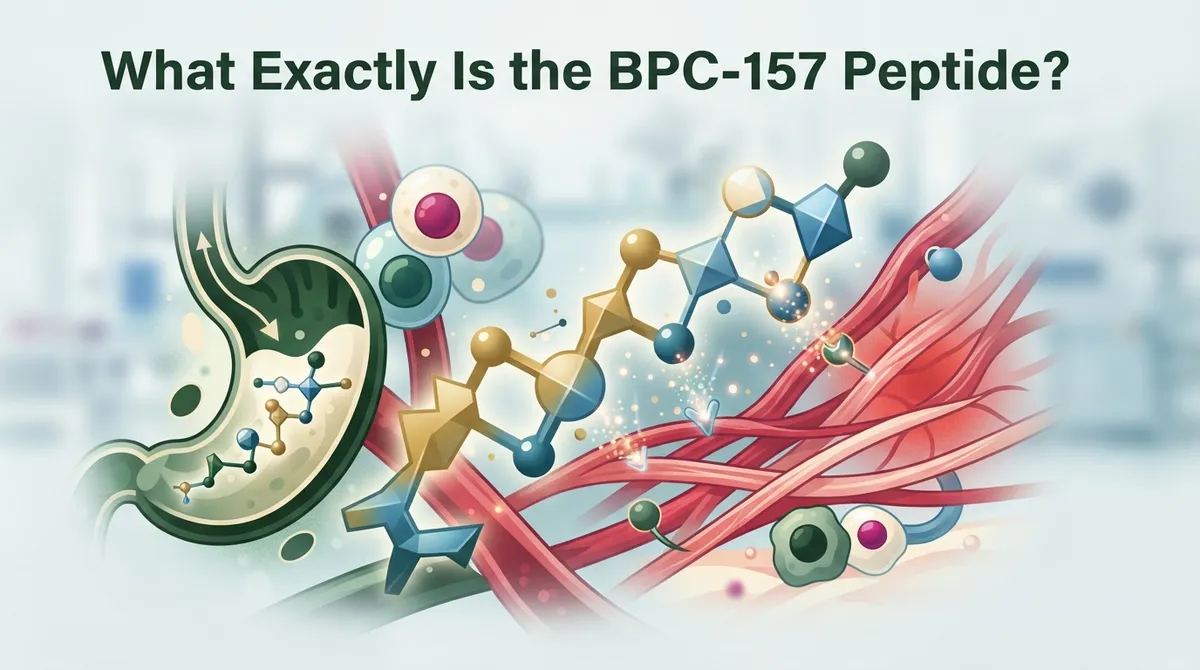
BPC-157 is a synthetic peptide made of 15 amino acids, which is why scientists call it a pentadecapeptide. It’s based on a small piece of a protein naturally found in stomach fluid, sometimes called body protection compound. That’s where the name comes from.
In peptide therapy settings, BPC-157 is discussed as a potential tool for tissue repair, inflammation support, and recovery. To understand how it fits into the bigger picture, it helps to first understand what peptides actually are and how they work in the body. Peptides act like tiny messengers, telling cells what to do. Some help with fat loss, some support muscle growth, and some, like BPC-157, are studied for repair and healing signals.
How It’s Different From Other Recovery Peptides
People often compare BPC-157 to other recovery-focused peptides. Here’s a quick breakdown of how it’s typically discussed compared to a few other popular options:
| Peptide | Primary Focus | Research Stage |
|---|---|---|
| BPC-157 | Soft tissue repair, gut lining, inflammation | Mostly animal studies, very limited human data |
| TB-500 | Muscle and tissue recovery | Preclinical, limited human studies |
| GHK-Cu | Skin repair, collagen support | More established topical research |
If you want a deeper dive into a similar recovery peptide, this guide on TB-500 peptide facts is a great next read.

2. Most Research Is Still in Animals, Not Humans
Here’s something we think you deserve to know upfront. The vast majority of BPC-157 research has been done in rodents, not people. Studies have looked at tendon healing, muscle injury, and gut lining repair in animal models, according to a review published in the National Library of Medicine.
That doesn’t mean the results aren’t interesting. Animal studies often point scientists toward promising directions. But it does mean we should be careful about assuming the same results will happen in humans.
3. Human Studies Are Extremely Limited (For Now)
A 2025 narrative review found only three published human pilot studies on BPC-157 have been identified so far. That’s a small number, and it’s important context.
- One study looked at knee pain and involved a small group of participants.
- Another explored interstitial cystitis, a bladder condition.
- A third examined intravenous safety and how the body processes BPC-157, involving just two participants.
In that tiny IV safety study, researchers reported no measurable adverse effects, but with only two people involved, it’s far too small to draw firm conclusions. A separate retrospective report mentioned in secondary commentary looked at 16 people with knee issues, 12 of whom received BPC-157 injections. Of those 12, 11 reported reduced knee pain. Encouraging, yes. Proof of effectiveness for everyone? Not yet.
4. A New 2026 Clinical Trial Is Underway
Here’s some genuinely exciting news. A randomized, double-blind, placebo-controlled Phase 2 trial was registered in 2026 to study BPC-157 for acute grade II hamstring strain repair. This is a meaningful step because it’s the kind of rigorous, controlled study that can actually tell us whether BPC-157 works and how safe it is.
This trial signals that formal human research on BPC-157 is finally catching up to the buzz. We’ll be watching closely, and so should you if you’re considering this peptide for injury recovery.
5. Is BPC-157 FDA Approved?
Let’s be direct here because clarity matters. BPC-157 has not been approved by the FDA or other major regulators for standard medical use. It’s commonly described as investigational, meaning it’s still being studied and hasn’t cleared the bar for widespread clinical use.
This is an important distinction from peptides that have gone through extensive human trials and received approval for specific uses. If you’re new to peptide therapy in general, this guide on how to get prescription peptides safely is worth reading before you start anything.
6. What the Research Suggests About Tendon and Muscle Healing
Even with the limits in human data, the mechanism behind BPC-157 is genuinely interesting. Preclinical research suggests it may support:
- Blood vessel formation, which helps deliver nutrients to healing tissue
- Collagen organization in tendons and ligaments
- Reduced inflammation at injury sites
- Gut lining repair and protection
- Nerve-related signaling that may support pain modulation
A pharmacology-focused review published on PubMed outlines these pleiotropic, or wide-ranging, biological activities. If you’re someone dealing with a stubborn injury, this is likely why you’ve heard BPC-157 mentioned alongside other regenerative options. For a broader look at this category, check out this piece on regenerative medicine peptides.
7. Safety: What We Know and What’s Still Unclear
Safety is probably the question weighing on your mind the most, and it should be. Here’s an honest rundown.
What Small Studies Have Shown
- The tiny IV safety study (2 participants) reported no major adverse effects
- Small pilot studies on knee pain and cystitis did not report significant safety concerns
- Animal studies have generally shown a favorable safety profile at studied doses
What We Still Don’t Know
- Long-term safety in humans over months or years
- Optimal dosing for different conditions
- How it interacts with other medications or supplements
- Effects in specific populations, such as pregnant women or people with chronic illness
Because BPC-157 is still investigational, working with a licensed provider matters more than ever. This is exactly why personalized, medically supervised care is so important. If you’re curious about the safety side of peptide therapy more broadly, this article on whether peptide therapy is safe is a helpful companion read.
8. Can Athletes Use BPC-157 Legally?
This is a big one for our athletic readers. BPC-157 is currently treated as a prohibited unapproved substance by anti-doping authorities. That means competitive athletes subject to testing should steer clear or talk to their sports organization before considering it.
This matters even outside of formal competition. If you’re a weekend warrior or someone training seriously for performance, it’s worth understanding these rules before adding any new peptide to your routine. For athletes exploring legal, well-researched options, this guide on the best peptides for athletes breaks down safer alternatives.
9. How BPC-157 Fits Into a Personalized Peptide Therapy Plan
So where does this leave you? BPC-157 is intriguing, but it’s not a magic fix, and it’s not something to try on your own without guidance. This is where working with a licensed telehealth provider makes all the difference.
At Allura Longevity, treatment plans start with a simple $50 virtual consultation and real blood work through LabCorp, not guesswork. Ashley, a board-certified Family Nurse Practitioner, and her team build a customized six-month plan based on your actual health data and goals. Everything ships straight to your door, and you get ongoing monitoring along the way.
Here’s what the process typically looks like:
- Schedule your virtual consultation to discuss your goals and history
- Complete blood work through LabCorp to establish a baseline
- Review your personalized six-month treatment plan with your provider
- Receive your peptides delivered directly to your home
- Check in regularly so your provider can adjust your plan as needed
If you’re recovering from an injury and curious whether this approach fits your goals, this comparison of local clinics versus telehealth peptide therapy can help you decide what’s right for your lifestyle.
Quick Comparison: What to Expect at Each Stage
| Step | What Happens | Typical Cost |
|---|---|---|
| Initial Consultation | Virtual visit to discuss goals and history | $50 |
| Lab Work | Bloodwork through LabCorp to guide your plan | Varies by panel |
| Treatment Plan | Six-month personalized peptide protocol | Custom pricing |
| Delivery | Peptides shipped directly to your home | Included |
Who Might Consider Asking About BPC-157?
While BPC-157 remains investigational, it tends to come up most often in conversations with these types of people:
- Those recovering from soft tissue injuries like tendon or ligament strains
- People dealing with persistent gut discomfort or digestive inflammation
- Biohackers tracking recovery markers who want data-driven options
- Aging adults looking to support joint comfort and mobility
- Wellness seekers already using other peptides who want to explore recovery support
If any of these sound like you, the smartest first step isn’t to order something online. It’s to talk with a licensed provider who can look at your full health picture. Learning how to start peptide therapy safely can help you avoid common mistakes people make when going it alone.
Understanding basic peptide science also helps. WebMD offers a helpful primer on what are peptides if you want a refresher on the fundamentals before diving deeper into specific options like BPC-157.
The Bottom Line on the BPC-157 Peptide
BPC-157 is genuinely one of the more fascinating peptides being studied right now. The preclinical data is promising, the mechanisms are interesting, and the upcoming 2026 hamstring trial could give us real answers soon. But we’re not there yet, and honesty matters more than hype.
If you’re dealing with an injury, chronic discomfort, or you simply want to explore what personalized peptide therapy could look like for your body, you don’t have to figure it out alone. Our team at Allura Longevity is licensed in Florida, Georgia, Texas, Connecticut, Indiana, Maryland, New York, and California, and we’re here to build a plan around your actual labs and goals, not a one-size-fits-all approach.
Spots for new clients open up each month, and they tend to fill quickly. If you’re ready to talk with a licensed provider about your options, request a consultation today and take the next step toward feeling like yourself again. You can also give us a call at (813) 510-6277 if you’d rather talk it through with a real person first.
FAQs
Q: What is BPC-157 peptide used for in peptide therapy?
A: BPC-157 is mostly discussed for soft tissue repair, gut lining support, and inflammation reduction. It’s still investigational, so it’s usually explored alongside other recovery strategies under the guidance of a licensed provider rather than as a standalone cure.
Q: Is BPC-157 safe for human use?
A: Small pilot studies haven’t reported major safety concerns, but the sample sizes are tiny, sometimes just a couple of participants. Long-term human safety isn’t established yet, which is why medical supervision really matters here.
Q: Is BPC-157 FDA approved?
A: No, BPC-157 has not been approved by the FDA for standard medical use. It’s considered investigational, meaning research is still ongoing to determine its safety and effectiveness in humans.
Q: Can athletes use BPC-157 legally in competition?
A: Not currently. Anti-doping authorities treat BPC-157 as a prohibited, unapproved substance, so competitive athletes should avoid it or check with their sports organization first.
Q: Are there any human clinical trials on BPC-157?
A: Yes, though very few. A 2025 review found only three published human pilot studies so far, and a new Phase 2 trial for hamstring strain repair was registered in 2026, which is an exciting step toward more solid answers.





