
Key Takeaways
-
TB-500 is not FDA-approved and lacks robust human clinical evidence; most promising data comes from preclinical lab and animal studies, not proven human trials.
-
TB-500 is banned by many sports organizations' drug testing programs, so athletes competing in tested sports should avoid it regardless of marketing claims about recovery benefits.
-
Effective TB-500 use requires personalized medical guidance including bloodwork baseline, customized dosing plans, and ongoing monitoring rather than generic online protocols or self-administration.
-
TB-500 is a synthetic fragment of thymosin beta-4 typically used for soft-tissue injury support, wound healing, and inflammation modulation at doses of 2-8 mg weekly for 6-12 week cycles.
If you’ve spent any time researching recovery peptides, you’ve probably seen “TB-500” pop up again and again. Maybe you’re nursing a stubborn shoulder injury, or maybe you’re just the type who likes to understand every tool in the wellness toolbox before trying it. Either way, you’re in the right place. We’re breaking down the real facts about TB-500 peptide in plain, friendly language, so you can have an informed conversation with a licensed provider before deciding if it fits your health goals.
Think of this as coffee-chat advice from a knowledgeable friend, minus the confusing science jargon. We’ll cover what TB-500 actually is, what the research says, how it’s typically used in peptide therapy, and the honest risks you should know about. By the end, you’ll feel confident and ready to ask smart questions during your next consultation.
1. TB-500 Is a Synthetic Peptide, Not a Natural One
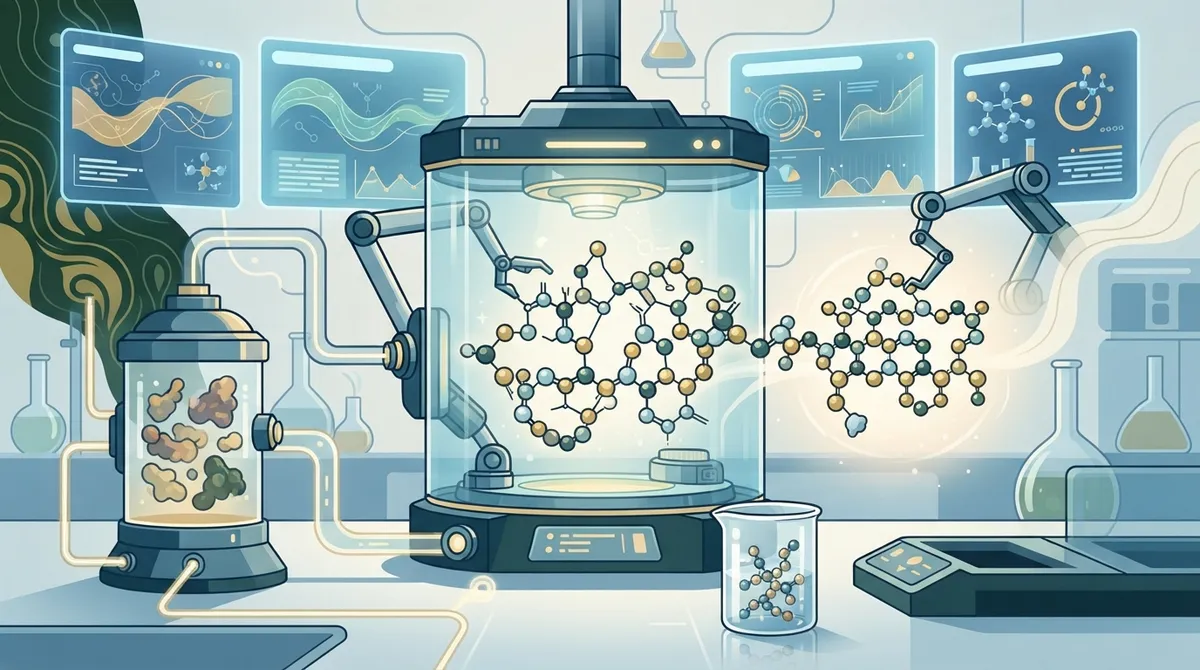
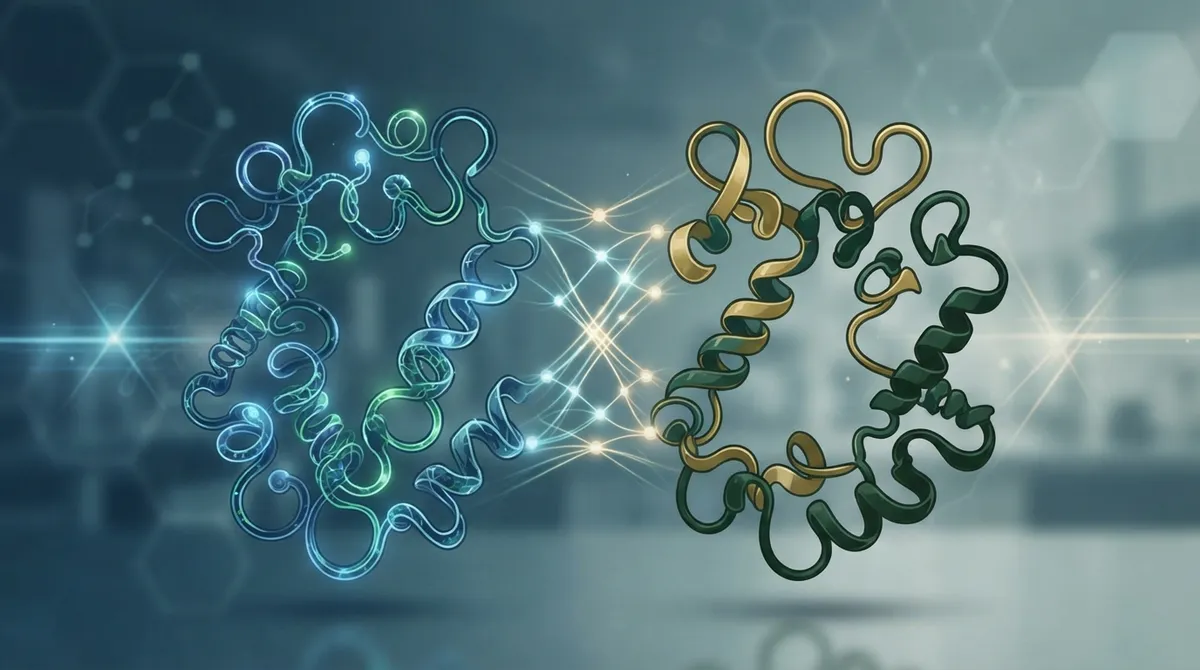
TB-500 is a lab-made peptide built from a piece of thymosin beta-4 (Tβ4), a protein your body naturally produces. Thymosin beta-4 itself is a 43-amino-acid protein, while TB-500 is a shorter, synthetic fragment designed to mimic some of its effects. So when people talk about the tb 500 peptide, they’re really talking about a manufactured version of a natural building block, not something pulled straight from the body.
2. It’s Closely Tied to Thymosin Beta-4
Thymosin beta-4 has been studied for years because of its role in cell movement, tissue growth, and wound healing. TB-500 was created to capture some of those same biological actions in a more stable, injectable form. If you’re curious about the basics of how peptides work in the body, this 8 Facts That Explain What Are Peptides in 2026 guide is a great primer before diving deeper into TB-500 specifically.
Why This Matters for Recovery Seekers
Understanding the connection to thymosin beta-4 helps explain why TB-500 shows up so often in conversations about soft-tissue injuries, flexibility, and inflammation support. It’s not a magic fix, but the underlying biology is genuinely interesting and worth understanding.
3. Preclinical Research Shows Promise, But It’s Early
Most of the exciting data on TB-500 comes from lab and animal studies, not large human trials. Researchers have looked at thymosin beta-4 derivatives in areas like angiogenesis (new blood vessel growth), tissue repair, cardiac repair, and even corneal or eye injury recovery. These early findings are promising, but they don’t yet prove the same results in people.
4. Human Clinical Evidence Is Still Limited
Here’s the honest truth: solid human data on TB-500 specifically remains limited. A 2025 orthopaedic review noted that while preclinical models support tissue repair and angiogenesis effects for TB-4 derivatives, human orthopaedic data are lacking. That’s an important distinction between promising lab work and proven clinical results.
5. TB-500 Is Not FDA-Approved
This one is important, so let’s say it clearly: TB-500 is not FDA-approved for any medical use in humans. Several clinical sources describe it as experimental and not standard of care. Any legitimate provider will be upfront about this, and you should be cautious of anyone who claims otherwise.
6. It’s Often Paired with BPC-157
You may have heard of the so-called “Wolverine stack,” which combines TB-500 with another popular recovery peptide, BPC-157. This pairing is based mostly on marketing buzz and anecdotal reports rather than established clinical guidelines. If you’re curious how BPC-157 fits into injury recovery protocols, it’s worth discussing directly with a licensed provider who can walk you through realistic expectations.
7. Common Reasons People Explore TB-500
People typically bring up TB-500 during consultations for a handful of recurring reasons. Here’s what tends to come up most often:
- Support during recovery from soft-tissue injuries like strains or sprains
- General wound healing support
- Flexibility and mobility concerns
- Inflammation modulation after intense training
- Curiosity about combination protocols with other recovery peptides
These are common motivations, but remember that motivation alone doesn’t equal proven results. That’s why working with a knowledgeable provider matters so much.
8. Typical Dosing Patterns Used in Practice
While there’s no FDA-approved dosing standard, some clinical protocols describe general patterns. Here’s how it’s often discussed:
| Phase | Typical Range | Duration |
|---|---|---|
| Loading Phase | 4–8 mg per week | First 4 weeks |
| Maintenance Phase | 2–4 mg per week | Ongoing as directed |
| Full Cycle Length | Varies by protocol | Roughly 6–12 weeks |
Keep in mind these numbers come from practitioner-oriented sources, not formal human dosing standards. Your actual plan should always be personalized based on bloodwork and health history, not a generic chart you found online.
9. TB-500 vs. BPC-157: Knowing the Difference
These two peptides get lumped together so often that people assume they’re interchangeable. They’re not. Here’s a simple comparison to keep things straight:
| Feature | TB-500 | BPC-157 |
|---|---|---|
| Origin | Fragment based on thymosin beta-4 | Derived from a protein found in stomach fluid |
| Primary Research Focus | Angiogenesis, tissue repair, systemic healing | Localized tissue and gut healing |
| Common Pairing | Often combined with BPC-157 | Often combined with TB-500 |
| Human Clinical Data | Limited | Limited |
Neither peptide has robust human clinical trial data yet, so both should be approached with realistic expectations and professional guidance.
10. Side Effects and Risks Worth Knowing
Because TB-500 isn’t FDA-approved and lacks large human safety trials, the full risk profile isn’t completely mapped out. That said, commonly reported concerns from users and practitioner sources include:
- Injection site redness or irritation
- Headache or mild fatigue
- Dizziness in some individuals
- Unknown long-term effects due to limited research
- Potential interactions with existing medications or conditions
This is exactly why self-administering unregulated peptides without medical oversight is risky. A licensed provider can review your bloodwork and health history before recommending any peptide protocol, which is a much safer path forward.
11. TB-500 and Sports Drug Testing
If you’re an athlete, this fact matters a lot. Thymosin beta-4 and TB-500 are listed as banned substances in many sports organizations’ testing programs. If you compete at any level where drug testing applies, using TB-500 could put your eligibility at serious risk, regardless of how it’s marketed for recovery.
12. Why Personalized Medical Guidance Matters
Peptide therapy isn’t a one-size-fits-all situation. Your age, hormone levels, injury history, and overall health all play a role in what’s actually appropriate for you. This is where working with a real medical team, rather than an online seller, makes a genuine difference.
What a Responsible Process Looks Like
A trustworthy peptide therapy process generally follows a clear, safe sequence. Here’s how it typically works:
- Start with a virtual consultation to discuss your health goals and history
- Complete bloodwork through a certified lab to understand your baseline
- Receive a personalized treatment plan based on your actual results
- Get your peptides shipped directly to your home for convenient use
- Continue with ongoing monitoring and adjustments from your provider
If you want a deeper walkthrough of this process, check out How to Start Peptide Therapy Safely and See Real Results for a step-by-step breakdown.
13. How Allura Longevity Approaches Recovery-Focused Peptide Therapy
At Allura Longevity, injury recovery support is handled with a focus on safety, structure, and real medical oversight. Rather than guessing at doses from online forums, clients start with a simple $50 virtual consultation, complete bloodwork through LabCorp, and receive a customized six-month plan built around their actual results. Ashley, a board-certified Family Nurse Practitioner, leads the clinical team and helps adjust protocols as your body responds over time.
This approach is especially popular among people managing nagging injuries with telehealth peptide therapy instead of driving to an in-person clinic. Busy professionals love that peptides ship right to their door, and biohackers appreciate that everything is based on lab data rather than guesswork. If injury recovery, inflammation support, or general vitality is on your radar, it’s worth learning more about peptides for women and peptides for men to see which options align with your goals.
Putting It All Together
The tb 500 peptide sits in an interesting spot right now. The early science is genuinely promising, especially around tissue repair and angiogenesis, but human evidence still has a long way to go before we can call it proven. According to the National Library of Medicine, preclinical models support these mechanisms, but formal orthopaedic data in humans remains limited.
If you’re exploring recovery peptides, here’s a quick recap of what to keep in mind:
- TB-500 is synthetic and based on thymosin beta-4, not naturally occurring on its own
- Human clinical trials are still catching up to the promising lab research
- It is not FDA-approved and should be discussed with a licensed provider
- Athletes should be aware it’s banned in many sports testing programs
- Personalized bloodwork-based plans are safer than generic online dosing charts
Understanding what are peptides in general can also help you make sense of where TB-500 fits into the bigger picture of recovery and longevity support.
Ready to Talk Peptides with a Real Provider
You deserve real answers, not guesswork, when it comes to your recovery and long-term health. Whether you’re curious about TB-500, exploring options for muscle recovery, or just want a personalized plan built around your own bloodwork, Allura Longevity’s licensed team is here to help. Spots for new clients are limited each month, so if you’re ready to get started, you can request a consultation today and take the next step toward feeling like yourself again. You can also call (813) 510-6277 to speak with the team directly and ask any lingering questions before you begin.
FAQs
Q: What is TB-500 peptide used for?
A: TB-500 is mostly explored for soft-tissue injury support, wound healing, flexibility, and inflammation modulation. That said, most of this interest comes from preclinical research and anecdotal use rather than proven human clinical results, so it’s best discussed with a licensed provider before trying it.
Q: Is TB-500 the same as thymosin beta-4?
A: Not exactly! TB-500 is a synthetic peptide built from a piece of thymosin beta-4, which is a naturally occurring 43-amino-acid protein in the body. Think of TB-500 as a lab-made fragment designed to capture some of thymosin beta-4’s biological effects.
Q: Does TB-500 actually help with injury recovery?
A: The early lab research looks promising for tissue repair and angiogenesis, but solid human clinical evidence is still limited. A 2025 orthopaedic review even noted that human orthopaedic data are lacking, so it’s fair to call this an area of ongoing research rather than a proven treatment.
Q: Is TB-500 FDA-approved or legal to prescribe?
A: TB-500 is not FDA-approved for any medical use in humans, and it’s generally described as experimental rather than standard of care. Any responsible provider will be transparent about this before discussing it as part of your wellness plan.
Q: Is TB-500 banned in sports or drug testing?
A: Yes, thymosin beta-4 and TB-500 are listed as banned substances by many sports organizations. If you compete in a tested sport, it’s really important to factor this in before considering TB-500 as part of your recovery routine.





