

Key Takeaways
-
Testosterone therapy can suppress natural hormone signaling and lower sperm production, so men hoping to conceive should consult a fertility specialist before starting treatment.
-
The FDA strengthened warnings in 2025 about testosterone increasing blood pressure; men with existing hypertension or heart disease require careful individual evaluation before treatment.
-
Erythrocytosis (thickened blood) is a well-documented risk requiring hematocrit checks at baseline, 3-6 months, and annually; pause treatment if hematocrit exceeds 54%.
-
Compounded peptides often lack FDA approval for specific uses and may vary in potency and purity; always verify your provider uses lab-tested, properly sourced products with documented follow-up care.
-
Proper hormone therapy monitoring requires baseline labs (testosterone, hematocrit, PSA, glucose, lipids), 3-6 month reassessment, and annual check-ins—not a one-time prescription.
-
Peptides are not automatically safer than testosterone; many lack large long-term studies comparable to testosterone therapy, requiring the same careful, individualized medical approach.
Thinking about hormone therapy or peptide treatment? You’re not alone. More men than ever are exploring testosterone replacement and peptide therapy to feel younger, stronger, and sharper. But before you start, you deserve honest answers about side effects. This guide breaks down exactly what can happen with hormone therapy in men, so you can make a smart, confident choice with your healthcare provider by your side.
We’ll walk through the most common testosterone-related effects, explain how peptide therapies differ, and show you what proper monitoring looks like. Whether you’re a busy professional short on time or a biohacker who loves tracking every number, this article gives you the real facts. Let’s get into it.
Why “Hormone Therapy” Means Different Things for Men
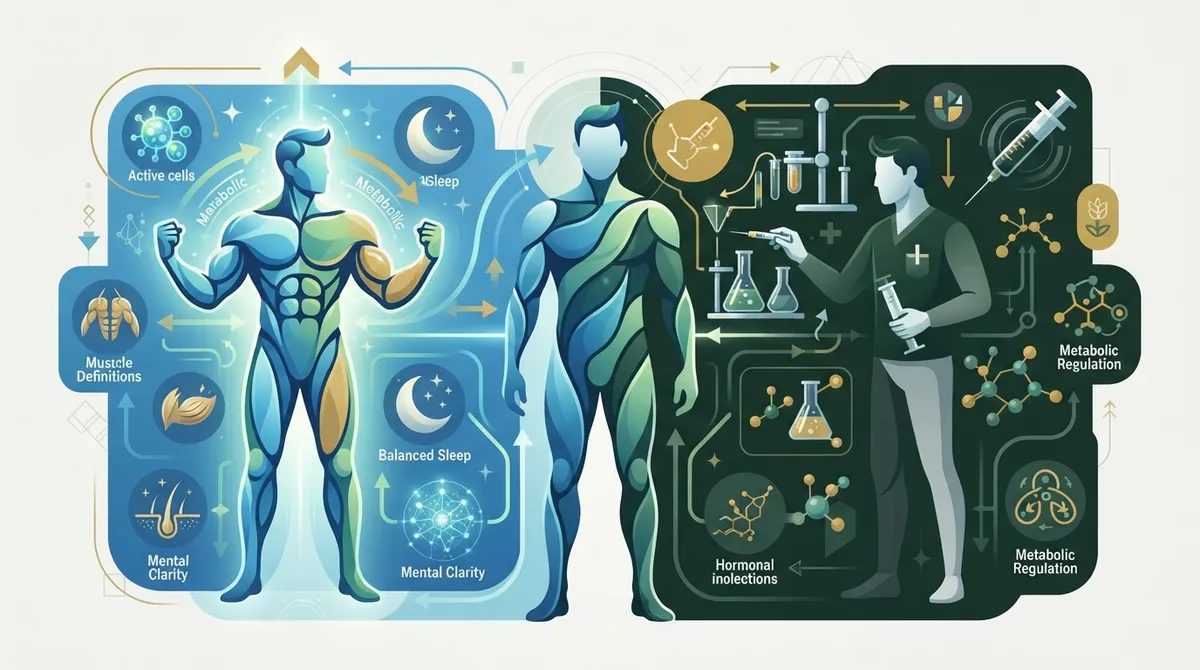
Here’s something many men don’t realize: “hormone therapy” isn’t one single treatment. It can mean FDA-approved testosterone replacement therapy (TRT), fertility-focused hormonal medications, or off-label peptide treatments that support growth hormone, recovery, or sexual wellness. Each one works differently in your body. Each one carries its own safety profile.
This matters because these treatments should never be treated as interchangeable. A peptide that boosts your body’s natural growth hormone release works nothing like injectable testosterone. If you’re researching peptides for men, understanding this distinction is your first step toward safer treatment.
13 Hormone Therapy Side Effects Men Should Understand
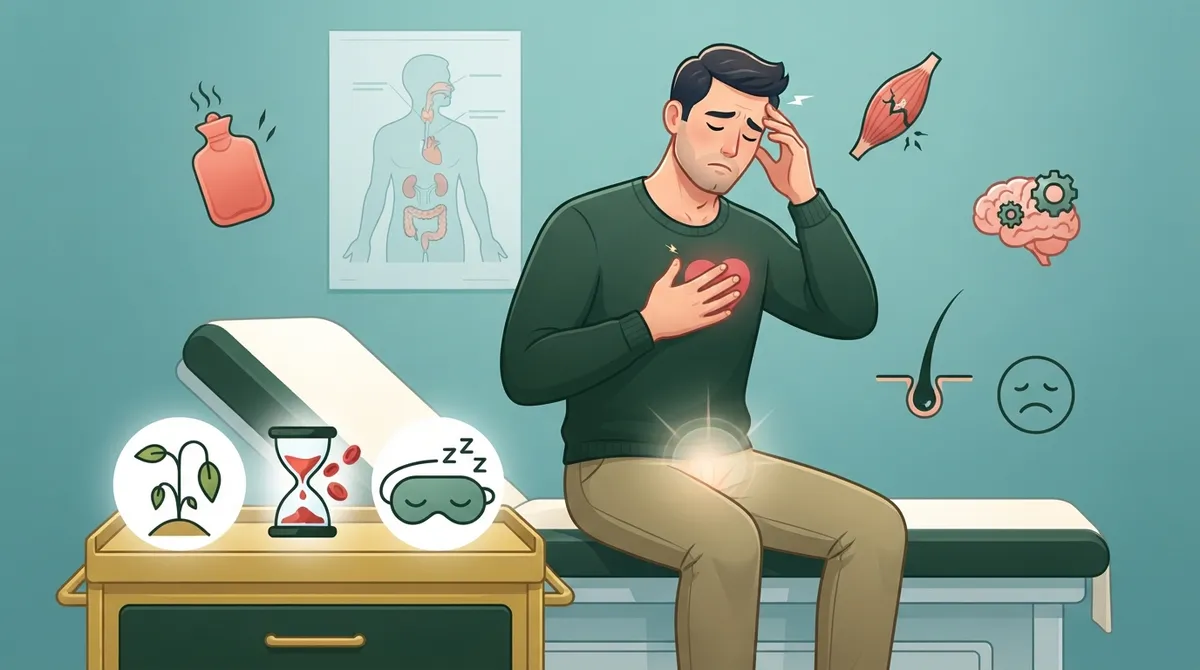
Below are the most important effects to know about, whether you’re considering testosterone therapy, a growth-hormone-releasing peptide, or another hormonal treatment.
1. Erythrocytosis (Thicker Blood)
This is one of the most well-documented risks of testosterone therapy. Erythrocytosis means your body makes too many red blood cells, thickening your blood. The Endocrine Society recommends checking hematocrit before starting treatment, again at 3-6 months, and yearly after that. If your hematocrit climbs above 54%, your provider should pause or adjust your dose while checking for other causes like sleep apnea.
2. Acne and Oily Skin
Remember your teenage years? Testosterone therapy can bring back that oily, acne-prone skin. This happens because testosterone stimulates oil glands. It’s usually manageable but worth mentioning to your provider if it bothers you.
3. Lower Sperm Count and Fertility Concerns
This one catches a lot of men off guard. Testosterone therapy can suppress your body’s natural hormone signaling, which lowers sperm production. If you’re hoping to start or grow a family, talk with an endocrinologist or fertility specialist before beginning TRT. There are fertility-preserving approaches worth discussing first.
4. Gynecomastia (Breast Tissue Changes)
Hormonal shifts can sometimes cause breast tissue to swell or become tender. This happens when testosterone converts to estrogen in the body. It’s not common, but it’s worth reporting to your provider right away if you notice it.
5. Mood and Libido Swings
Injectable testosterone can create noticeable peaks and valleys in your hormone levels. This may cause mood swings or changes in sex drive that go up and down with your injection schedule. Some men find steadier formulations work better for them.
6. Fluid Retention
Some men notice mild swelling or puffiness, especially in the early weeks of treatment. This usually settles down but should be monitored, especially if you have existing heart or kidney concerns.
7. Worsening Male-Pattern Baldness
If hair loss already runs in your family, testosterone therapy might speed things along. This happens because testosterone converts to a hormone called DHT, which affects hair follicles in genetically sensitive men.
8. Prostate-Related Concerns
This is a big one to discuss with your provider. Testosterone therapy may increase detection of prostate conditions that were already present but undiagnosed. Because of this, your provider should check your prostate health before starting treatment. Testosterone therapy is generally avoided in men with known, untreated prostate cancer. Ongoing PSA monitoring during your first year of treatment is standard practice.
9. Increased Blood Pressure
In 2025, the FDA strengthened warnings on testosterone product labels about increased blood pressure, based on new ambulatory blood-pressure data. If you already have high blood pressure or heart disease, this needs careful individual evaluation before you start treatment.
10. Cardiovascular Considerations
Good news here: The large TRAVERSE trial, which followed more than 5,200 men for one to four years, found no meaningful difference in serious heart events between men on testosterone gel and those on placebo (7.0% vs. 7.3%). Still, this trial didn’t answer every long-term question, especially around prostate cancer risk over many years, so ongoing monitoring remains important.
11. Joint Pain, Swelling, or Headaches from Peptide Therapy
Growth-hormone-releasing peptides and secretagogues work differently than testosterone. Some men notice joint aches, mild swelling, or headaches, especially when starting treatment. These effects often relate to how your body adjusts to increased growth hormone activity.
12. Changes in Blood Sugar or Insulin Sensitivity
Peptides that influence the growth-hormone axis can sometimes affect how your body manages blood sugar. This is why baseline and ongoing glucose or HbA1c testing matters, particularly if you have a family history of diabetes or metabolic concerns.
13. Risks From Unregulated or Compounded Peptide Products
This is a critical point many men overlook. Compounded peptides can vary in potency, purity, and labeling accuracy. Without FDA approval for the specific indication, long-term safety data may be limited. Always verify your provider uses lab-tested, properly sourced peptides with documented follow-up care. Learn more in our guide on FDA-approved vs. compounded peptides.
Testosterone Therapy vs. Peptide Therapy: A Side-by-Side Look
Many men wonder which option fits their goals better. Here’s a simple comparison to help you understand the differences.
| Factor | Testosterone Replacement Therapy | Peptide Therapy |
|---|---|---|
| FDA Status | FDA-approved for diagnosed hypogonadism | Often off-label or investigational |
| Main Goal | Restore low testosterone to normal range | Support natural hormone release, recovery, energy |
| Fertility Impact | Can lower sperm count | Varies by peptide type |
| Common Monitoring | Hematocrit, PSA, testosterone levels, blood pressure | IGF-1, glucose, symptom response |
| Long-Term Data | Well established through decades of research | Less standardized, product-dependent |
Want a deeper dive? Check out our full comparison in TRT vs. Peptides: Which Hormone Fix Wins for Men?
Who Should Actually Consider Testosterone Therapy?
Not every man with low energy or reduced muscle tone needs testosterone therapy. Treatment should generally only start when you have compatible symptoms plus consistently low morning testosterone confirmed by lab testing. Your provider should also investigate the underlying cause of low levels before prescribing anything.
Treating vague symptoms or normal age-related changes without confirmed hypogonadism may offer little benefit. Worse, it can expose you to risks you didn’t need to take. This is exactly why a thorough evaluation matters so much before starting any hormone protocol.
What Proper Monitoring Looks Like
A responsible hormone or peptide program isn’t a one-and-done prescription. It includes ongoing check-ins and lab work. Here’s what a solid monitoring plan typically includes:
- Baseline blood work: Testosterone, hematocrit, PSA, lipids, glucose, and liver markers before you start anything.
- 3-6 month follow-up: The Endocrine Society recommends reassessing hematocrit and treatment response at this point.
- Annual monitoring: Continued hematocrit, PSA (when appropriate), blood pressure, and symptom tracking every year after that.
- Dose adjustments: Your provider should target mid-normal testosterone ranges, not supraphysiologic (excessively high) levels.
- Prostate follow-up: Urologic evaluation is recommended for a confirmed PSA above 4 ng/mL, a sharp PSA rise, or new urinary symptoms.
If you’re new to this process, our article on How to Start Peptide Therapy Safely and See Real Results walks through what to expect from your first consultation onward.
Warning Signs That Need Urgent Attention
Most men do well on properly monitored hormone therapy. But you should know the red flags that mean “call your provider now” or even seek emergency care. These include:
- Chest pain or shortness of breath
- Sudden swelling in one leg only
- Severe headache or neurological symptoms like confusion or slurred speech
- Marked mood or behavioral changes
- Signs of a severe allergic reaction
- Severe redness, swelling, or infection at an injection site
- Symptoms of dangerously high blood pressure, such as severe headache with vision changes
Don’t wait these out. Quick action protects your health and your peace of mind.
Are Peptides Automatically Safer Than Testosterone?
It’s tempting to assume peptides are the “gentler” option since they sound more natural. But that’s not quite accurate. According to the National Library of Medicine, many peptide products lack the large, long-term studies that testosterone therapy has undergone. This doesn’t mean peptides are dangerous. It means they require the same careful, individualized approach as any other hormone treatment.
To understand exactly how these small protein chains work in your body, our overview on what are peptides is a helpful starting point, alongside our own resource, 8 Facts That Explain What Are Peptides in 2026.
Building a Safer Hormone Therapy Plan
Here’s the good news: most of these side effects are manageable, or preventable altogether, with the right approach. A responsible program should always include these steps:
- A full medical history and current medication review
- A physical exam covering relevant body systems
- Baseline lab testing through a trusted provider
- Clear informed consent explaining risks and benefits
- Individualized dosing based on your specific labs and goals
- Scheduled reassessment, not a one-time prescription and goodbye
This is exactly the model we follow at Allura Longevity. Every client starts with a $50 virtual consultation and complete blood work through LabCorp. From there, our board-certified Family Nurse Practitioner, Ashley, builds a personalized six-month plan based on your actual numbers, not guesswork. Peptides ship directly to your door, and ongoing monitoring keeps your plan on track.
Common Testosterone Side Effects at a Glance
| Side Effect | How Common | Monitoring Approach |
|---|---|---|
| Erythrocytosis | Well-documented, dose-related | Hematocrit at baseline, 3-6 months, then annually |
| Acne/oily skin | Common, mild to moderate | Visual check-ins, dose adjustment if needed |
| Reduced fertility | Expected with suppression of natural hormone axis | Semen analysis if fertility is a goal |
| Prostate changes | Requires baseline risk assessment | PSA testing, prostate exam as indicated |
| Blood pressure increase | Now flagged in FDA labeling (2025) | Regular blood pressure checks |
Why Telehealth Makes Safe Monitoring Easier
Busy schedule? Hate sitting in waiting rooms? Telehealth peptide and hormone therapy takes away those barriers while still keeping you closely monitored. You get lab work done locally, video consultations with licensed providers, and medications shipped straight to your home. If you want to compare your options, read Local Clinic vs. Telehealth: Best Peptide Therapy Near You?
Allura Longevity is currently licensed in Florida, Georgia, Texas, Connecticut, Indiana, Maryland, New York, and California, with more states coming soon. Spots for new clients are limited each month, so if you’ve been waiting for the right time to start, this might be it.
Your Next Step Toward Safer Hormone Therapy
Hormone therapy and peptide treatment can genuinely change how you feel, move, and think day to day. But the best results come from personalized plans, real lab work, and providers who actually watch your progress over time. You deserve a program built around your body, not a generic prescription.
Ready to find out what’s really going on with your hormones? Request a consultation with our team today, or give us a call at (813) 510-6277. Your personalized, medically supervised path to feeling like yourself again starts with one simple conversation.
FAQs
Q: What are the most common side effects of testosterone replacement therapy in men?
A: The most well-documented side effects include erythrocytosis (thicker blood), acne, reduced fertility, mood or libido swings, and prostate-related monitoring needs. Most of these are manageable with proper lab monitoring and dose adjustments from your provider.
Q: Can testosterone therapy cause infertility or lower sperm count?
A: Yes, testosterone therapy can suppress your body’s natural hormone signaling, which lowers sperm production. If you’re hoping to conceive, talk with a fertility specialist about alternatives before starting treatment.
Q: Do peptide therapies have fewer side effects than testosterone replacement therapy?
A: Not necessarily. Peptides work differently and may carry their own risks like joint pain, headaches, or blood sugar changes. Since many peptides lack large long-term studies, it’s important to work with a provider who monitors you closely, just like with testosterone therapy.
Q: What blood tests should men have before and during hormone or peptide therapy?
A: Baseline testing typically includes testosterone, hematocrit, PSA, glucose, lipids, and liver markers. Follow-up testing usually happens around 3-6 months after starting, then annually to catch any changes early.
Q: Are compounded peptides safe and FDA-approved for hormone or anti-aging treatment?
A: Many compounded peptides are not FDA-approved for the specific anti-aging or wellness uses they’re marketed for, and quality can vary between products. Always ask your provider about sourcing, lab testing, and documented follow-up care before starting any peptide protocol.





