

Key Takeaways
-
Traditional HRT replaces hormones directly while peptide therapy signals your glands to produce more hormones naturally, making peptides a gentler entry point before considering full hormone replacement.
-
Testosterone replacement therapy, estrogen/progesterone therapy, and thyroid hormone therapy are the three main traditional HRT categories, each addressing specific deficiencies like low libido, menopause symptoms, or sluggish metabolism.
-
Growth hormone peptides like sermorelin, CJC-1295, and ipamorelin are the most discussed peptides for anti-aging, while GLP-1 peptides like semaglutide are now the most widely prescribed category for weight management and metabolic health.
-
Successful hormone therapy requires baseline lab testing, personalized protocols based on individual results, and regular monitoring with licensed providers—cookie-cutter treatment rarely works effectively.
-
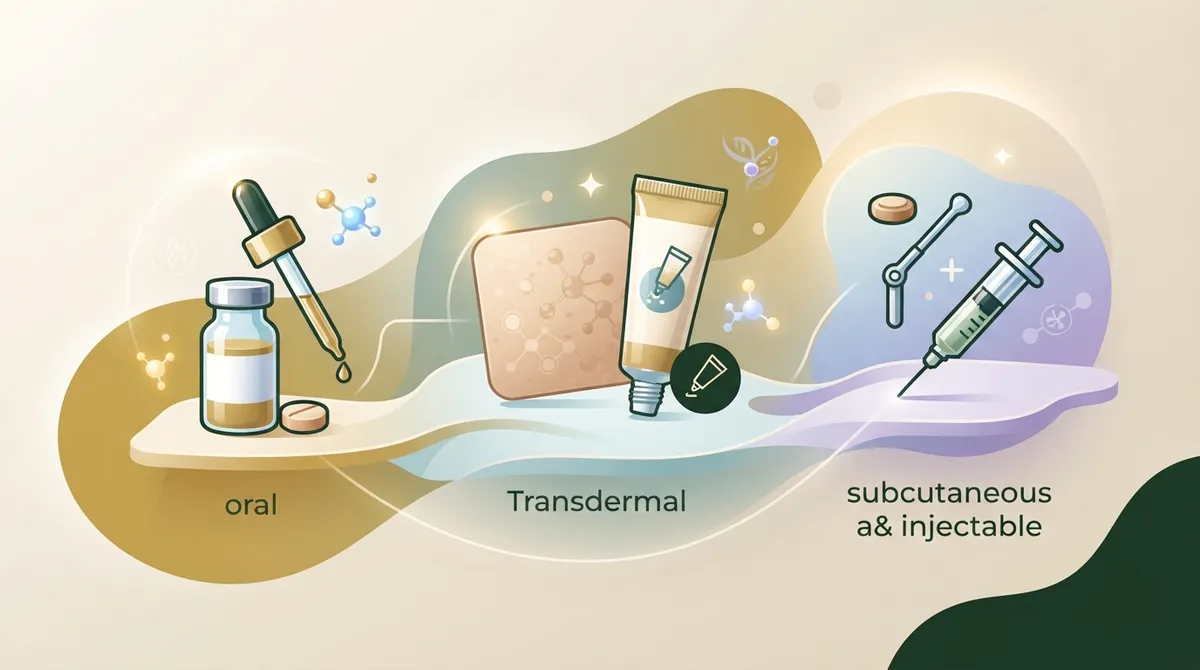
Delivery methods vary significantly; subcutaneous injections are most common for peptides, while traditional HRT uses patches, pellets, gels, and oral forms, with choice depending on the specific compound and patient comfort level.
-
Combined approaches pairing traditional HRT with peptide therapy work well for many clients—for example, testosterone replacement plus growth hormone peptides for enhanced muscle recovery and skin quality, but require careful medical monitoring.
Feeling tired, foggy, or just not like yourself lately? You’re not alone. Millions of adults hit a point where hormones dip, energy fades, and old workouts stop giving the same results. The good news? There are more options today than ever before to help you feel like you again. From classic hormone replacement therapy to modern peptide protocols, understanding the types of hormone therapy available can help you make a smart, confident choice for your body.
This guide breaks it all down in plain language. We’ll cover how traditional HRT works, how peptide therapy fits into the picture, and how the two sometimes team up. Whether you’re a busy professional squeezing in telehealth visits between meetings, or a biohacker who tracks every lab result, you’ll walk away knowing exactly what your options are.

What Do We Mean by Hormone Therapy?
Hormone therapy is a broad term. It covers any treatment that changes hormone levels in your body. Some methods replace hormones directly. Others nudge your body to make more of its own hormones.
Traditional hormone replacement therapy (HRT) puts hormones straight into your system. Think testosterone, estrogen, or thyroid hormone given as a pill, patch, injection, or pellet. Peptide therapy works differently. It uses short chains of amino acids to talk to your glands, encouraging them to do their natural job better. You can learn more about how these tiny molecules work in this breakdown of what are peptides in 2026.
Classic Hormone Replacement Therapy Categories
Let’s start with the traditional approach, since it’s been around the longest and many people are already familiar with it.
Testosterone Replacement Therapy (TRT)
Testosterone replacement therapy is one of the most widely used forms of HRT in clinical practice today. It helps men and women dealing with low testosterone symptoms like fatigue, low libido, and muscle loss. TRT can be delivered through injections, patches, gels, or pellets placed under the skin.
Estrogen and Progesterone Therapy
This type mainly supports women going through perimenopause or menopause. It helps ease hot flashes, mood swings, and sleep troubles. Providers often pair estrogen with progesterone to keep things balanced.
Thyroid Hormone Therapy
An underactive thyroid can drag down your energy and metabolism. Thyroid hormone therapy replaces what your body isn’t making enough of, helping restore normal function.
DHEA and Pregnenolone Support
These are sometimes added to a hormone plan as supportive building blocks. They aren’t always front-line treatments, but some providers use them to round out a protocol.
According to the National Library of Medicine, hormone therapy protocols vary widely based on individual lab work, symptoms, and health history. This is exactly why cookie-cutter treatment rarely works well.
How Peptide Therapy Fits Into the Hormone Conversation
Here’s where things get interesting for anyone exploring modern wellness options. Peptide therapy doesn’t replace hormones directly. Instead, it signals your pituitary gland and other tissues to produce more of your own hormones naturally.
This matters because it works with your body’s existing systems rather than overriding them. Many clients find this approach appealing, especially those who want a gentler entry point before considering full HRT.
Growth Hormone Peptides
These are the most talked-about peptides in the hormone-support world. They include:
- Sermorelin – stimulates natural growth hormone release
- CJC-1295 – extends the growth hormone pulse for longer-lasting effects
- Ipamorelin – targets growth hormone with minimal impact on other hormones
- Tesamorelin – often used to support metabolic health and body composition
If you want a deeper dive into how these work together, check out this guide on growth hormone peptides and how they work.
GLP-1 Peptides for Metabolic Health
GLP-1 receptor agonists like semaglutide and tirzepatide are now grouped with therapeutic peptides in most 2026 clinical guides. They’re currently the most widely prescribed peptide category, mainly for weight management and blood sugar support. Learn more in this article on understanding GLP-1 peptide therapy in 2026.
Recovery and Wellness Peptides
Not all peptides target hormones directly. Some, like BPC-157, focus on tissue repair and recovery. Others support immune function, skin health, or sexual wellness. You can explore the details in this piece about BPC-157 peptide facts before you start.
HRT vs. Peptide Therapy: A Side-by-Side Look
| Feature | Traditional HRT | Peptide Therapy |
|---|---|---|
| How it works | Replaces hormones directly | Signals glands to produce hormones naturally |
| Common forms | Testosterone, estrogen, thyroid | Sermorelin, CJC-1295, ipamorelin, GLP-1s |
| Delivery methods | Injections, patches, pellets, pills | Subcutaneous injections, oral, nasal, sublingual |
| Best for | Clear hormone deficiency | Supporting natural production, recovery, metabolism |
| Onset of effects | Often faster | Gradual, builds over weeks |
Peptide Classification: More Categories Than You’d Think
One clinical classification model organizes therapeutic peptides into seven major functional categories. Some broader schemes go even further, with 2026 sources citing up to ten functional categories used across clinics today. This variety is part of why personalized plans matter so much.
Common Peptide Categories You’ll See in 2026
- Growth hormone secretagogues (sermorelin, CJC-1295, ipamorelin)
- Metabolic and weight-loss peptides (semaglutide, tirzepatide)
- Healing and recovery peptides (BPC-157, TB-500)
- Immune-support peptides (thymosin alpha 1)
- Cognitive and mood-support peptides
- Sexual wellness peptides (PT-141)
- Skin and anti-aging peptides (collagen-stimulating compounds)
For a closer look at how these categories break down, this resource on common mistakes that ruin how peptide therapy works is worth a read before starting any plan.
How Delivery Methods Compare
Not all hormone-related therapies are given the same way. Your comfort level and lifestyle often decide the best fit.
- Subcutaneous injections – most common for peptides and some HRT forms
- Pellets – inserted under the skin, releasing hormones slowly over months
- Patches and gels – applied to skin for steady absorption
- Oral capsules – convenient but sometimes less bioavailable
- Sublingual troches – dissolve under the tongue for faster absorption
- Nasal sprays – used for select peptides needing quick delivery
If injections make you nervous, you’re not alone. Many first-timers feel unsure about proper technique. This guide on preparing for safe, effective peptide injections walks through it step by step.
Who Benefits Most From Each Type?
For Aging Adults
If you’re noticing slower recovery, thinning skin, or stubborn weight gain, growth hormone peptides paired with lab-guided HRT can offer real support. Many clients in their 40s, 50s, and beyond find this combination helps them feel more like their younger selves.
For Biohackers and Health Optimizers
If you track sleep scores, HRV, and blood panels religiously, peptide therapy offers a data-friendly way to fine-tune your protocol. You can layer in specific compounds based on your exact lab markers rather than guessing.
For Busy Professionals
Telehealth makes this whole process fit into a packed calendar. No waiting rooms, no rearranging your day. Everything from your consultation to your medication delivery happens without leaving your home or office.
For Wellness Seekers
If you already eat clean, exercise, and take quality supplements, peptide therapy can be the next logical step. It builds on the foundation you’ve already created.
Combining Peptides With HRT: Is It Right for You?
Some clients do best with a combined approach. For example, someone on testosterone replacement therapy might also use growth hormone peptides to support muscle recovery and skin quality. This isn’t unusual, but it does require careful monitoring.
Here’s what a smart combined plan typically involves:
- Complete baseline blood work through a trusted lab
- Review of symptoms, goals, and medical history
- A tailored plan combining the right HRT and peptide compounds
- Scheduled follow-up labs to track progress
- Ongoing adjustments based on how your body responds
This is exactly the model used at Allura Longevity, where licensed providers design six-month treatment plans based on real blood work, not guesswork. Every client starts with a simple $50 virtual consultation and LabCorp testing, so recommendations are backed by actual data rather than trends.
Is Peptide Therapy Considered Hormone Therapy?
This is one of the most common questions we hear, and it’s a fair one. Peptide therapy isn’t technically the same as replacing a hormone outright. But because many peptides directly influence hormone production and signaling, they’re often discussed alongside HRT in anti-aging and wellness circles.
Think of it this way: HRT hands your body the finished product. Peptide therapy hands your body better instructions to make its own. Both approaches can be valuable, and sometimes the best results come from understanding how to choose between bioidentical hormones and peptides based on your specific goals.
Safety Considerations Across Hormone Therapy Types
No treatment is one-size-fits-all, and safety always comes first. Here are a few things worth keeping in mind:
- Always start with proper lab testing before beginning any hormone protocol
- Work with licensed providers who can monitor your progress over time
- Understand that peptides sourced outside regulated channels carry real risks
- Report any side effects promptly to your care team
- Never mix compounds without professional guidance
The what are peptides overview from WebMD offers a helpful primer if you want more background before diving deeper into treatment specifics.
Choosing the Right Path for Your Goals
| Your Goal | Likely Best Fit |
|---|---|
| Low testosterone symptoms | Testosterone replacement therapy |
| Menopause symptom relief | Estrogen/progesterone therapy |
| Slow metabolism, low energy | Thyroid therapy or growth hormone peptides |
| Weight management | GLP-1 peptides like semaglutide or tirzepatide |
| Injury recovery | BPC-157 or TB-500 peptides |
| General anti-aging support | Growth hormone secretagogues (sermorelin, CJC-1295, ipamorelin) |
Still not sure which category fits you best? That’s completely normal, and it’s exactly what a personalized consultation is for. You can also read this helpful guide on how to know if you need hormone therapy in 2026 for more clarity.
Getting Started the Right Way
Starting hormone or peptide therapy doesn’t have to feel overwhelming. Here’s a simple path forward:
- Book a virtual consultation with a licensed provider
- Complete baseline blood work to identify your unique needs
- Receive a personalized treatment plan built around your labs and goals
- Get your peptides or hormone medications delivered right to your door
- Check in regularly so your provider can fine-tune your plan
This approach removes the guesswork and puts your safety first. It’s also why so many people are turning to telehealth models instead of traditional in-person-only clinics. If you’re weighing your options, this comparison of local clinic vs. telehealth peptide therapy is a great next read.
Ready to Find Your Fit?
Understanding the types of hormone therapy available today puts you in the driver’s seat. Whether you need classic HRT, modern peptide support, or a thoughtful combination of both, the right plan starts with real data, not guesswork. Allura Longevity makes this process simple with affordable consultations, LabCorp testing, and treatment plans built by licensed providers who actually track your progress over six months.
Spots fill up each month, so if you’ve been curious about what a personalized plan could look like for you, now’s a great time to explore it. You can request a consultation today and take the first step toward feeling like yourself again.
FAQs
Q: What are the main types of hormone therapy used in peptide therapy clinics?
A: Most clinics offer traditional HRT like testosterone or thyroid therapy alongside growth hormone peptides such as sermorelin, CJC-1295, and ipamorelin. Many also include GLP-1 peptides for weight management. Your provider will match the type to your specific lab results and goals.
Q: How is peptide therapy different from traditional hormone replacement therapy?
A: Traditional HRT replaces a hormone your body isn’t making enough of, while peptide therapy signals your glands to produce more hormones naturally. Think of peptides as gentle nudges rather than direct replacements. Both can work well depending on your unique situation.
Q: Is peptide therapy considered a form of hormone therapy?
A: It’s closely related but not identical. Peptide therapy influences hormone signaling rather than replacing hormones outright, which is why it’s often discussed alongside HRT in wellness settings. Many people find peptides a gentler starting point before considering full hormone replacement.
Q: What delivery methods are used for peptide-based hormone optimization?
A: Subcutaneous injections are the most common method, but some peptides come in oral, nasal, or sublingual troche forms. Your provider will recommend the best option based on the specific compound and your comfort level. Most clients find the process quick and easy once they get the hang of it.
Q: Are GLP-1 medications considered peptide therapy or hormone therapy?
A: GLP-1 medications like semaglutide and tirzepatide are peptides, so they fall under peptide therapy, though they do influence hormone-like signaling in the body. In 2026, they’re actually the most widely prescribed peptide category, mainly for weight loss and metabolic health. It’s a great example of how these categories often overlap.





