

Key Takeaways
-
Bioidentical hormones are not automatically safer than FDA-approved synthetic hormones despite popular belief; Harvard Health found little evidence they outperform standard therapies, and compounded versions lack FDA oversight for purity and dose accuracy.
-
Peptide therapy works differently than hormone replacement by encouraging your body to produce more hormones naturally rather than directly replacing them, making it a complementary option to bioidentical or synthetic hormone therapy.
-
Compounded bioidentical hormone products vary in quality between batches because they're not FDA-evaluated, while synthetic hormones have stricter regulatory oversight and more consistent quality control standards.
-
Your personal health history and lab results matter more than whether a hormone is labeled bioidentical; working with a licensed provider who reviews blood work and adjusts your plan regularly is the safest approach.
-
Before starting any hormone or peptide therapy, ask your provider three critical questions: what your blood work shows, whether treatment is FDA-approved, and how they'll monitor and adjust your plan over time.
-
Some therapeutic peptides are nearly identical to natural peptides while others are lab-modified for better stability, so not all peptides qualify as truly bioidentical despite their growing popularity for energy and recovery optimization.
If you’ve been searching for ways to feel like yourself again, you’ve probably run into two big terms: bioidentical hormones and synthetic hormones. Maybe you’ve also heard about peptide therapy and wondered how it fits into the picture. Don’t worry, you’re not alone in feeling a little confused. This is one of the most common questions we hear from clients who want to boost their energy, sleep better, and feel more like themselves.
Here’s the good news. You don’t need a medical degree to understand this topic. We’re going to break it down in simple, friendly terms so you can make a confident choice for your health. Whether you’re a busy professional squeezing self-care into a packed schedule, or someone who loves tracking every lab result, this guide is for you. Let’s talk about bioidentical versus synthetic hormones, and where peptide therapy fits into the bigger wellness picture.

What Are Bioidentical Hormones, Really?
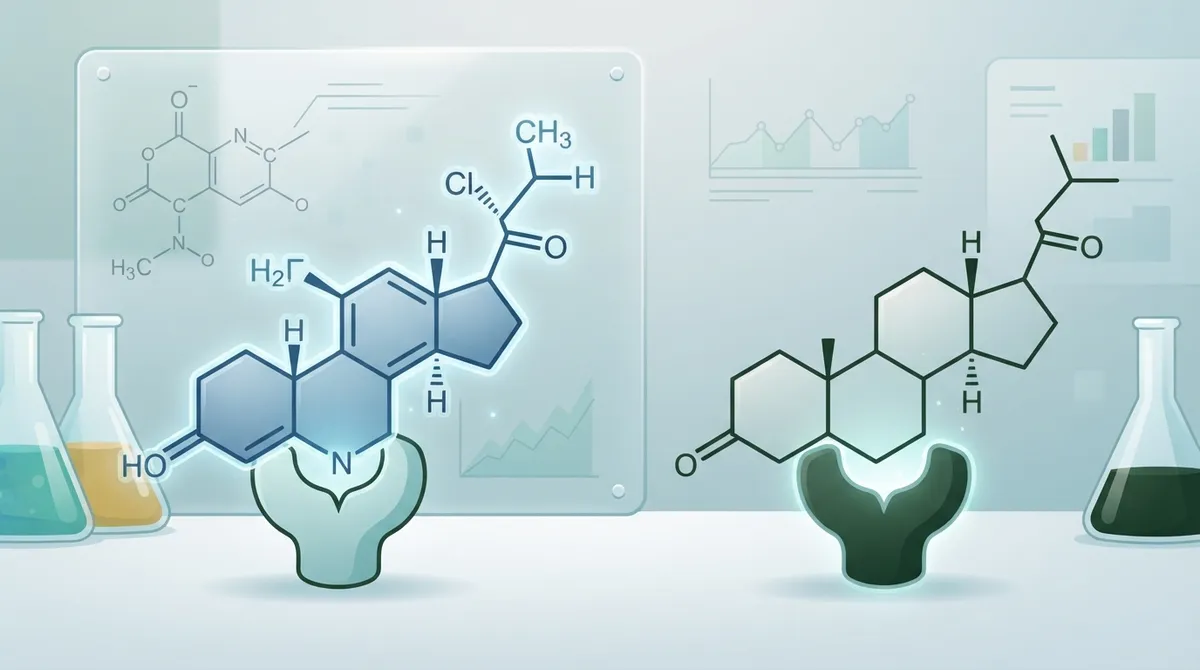
Bioidentical hormones are lab-made hormones that have the exact same chemical structure as the hormones your body naturally produces. According to the Endocrine Society, this means your body can’t tell the difference between the bioidentical version and the one your own glands make. That’s the whole point of calling them “bioidentical.”
Common examples include bioidentical estrogen, progesterone, and testosterone. These are often used in hormone replacement therapy (HRT) to help ease symptoms of menopause, low testosterone, or other hormone imbalances. Cleveland Clinic describes them as artificial or processed hormones designed to closely mimic what your body already makes.
What Makes Synthetic Hormones Different?
Synthetic hormones are also made in a lab, but here’s the key difference. Their chemical structure is not an exact match to human hormones. They’re built to act similarly in your body, but they’re structurally different molecules.
This doesn’t automatically make them worse or less effective. Many FDA-approved hormone medications are synthetic and have decades of research behind them. The distinction is really about molecular structure, not necessarily about safety or results.
Quick Comparison: Bioidentical vs Synthetic Hormones
| Feature | Bioidentical Hormones | Synthetic Hormones |
|---|---|---|
| Molecular structure | Identical to human hormones | Different from human hormones |
| Source | Plant-derived compounds, lab processed | Lab-created, chemically modified |
| FDA approval | Some are FDA-approved; compounded versions are not | Typically FDA-approved |
| Quality control | Varies with compounding pharmacies | Strictly regulated |
| Common uses | Menopause, low testosterone, hormone balance | Menopause, birth control, hormone balance |
Are Bioidentical Hormones Actually Safer?
This is the million-dollar question, and honestly, the answer might surprise you. Despite popular belief, there isn’t strong evidence proving bioidentical hormones are safer or more effective than standard, FDA-approved hormone therapies.
Harvard Health has pointed out that there’s little proof bioidentical hormones outperform approved hormone medications. They also note something important: compounded bioidentical products (the custom-mixed kind from specialty pharmacies) aren’t evaluated by the FDA for dose accuracy or purity. That means quality can vary from batch to batch.
On the flip side, some older reviews have suggested bioidentical progesterone might have a gentler effect on blood vessels and cholesterol levels compared to certain synthetic progestins, possibly with a lower blood clot risk. But this isn’t the current, widely accepted medical consensus. It’s based on a mix of older studies, not large modern trials.
What This Means for You
- Bioidentical doesn’t automatically mean “safer” or “more natural” in a way that changes your risk profile
- FDA-approved synthetic options have more consistent quality control
- Compounded bioidentical hormones may lack the same testing and oversight
- Your personal health history matters more than the “bioidentical” label alone
- Working with a licensed provider who reviews your labs is the safest path forward
So Where Does Peptide Therapy Fit In?
Here’s where things get interesting, and honestly, kind of exciting. Peptide therapy is not the same thing as bioidentical hormone therapy. Peptides are short chains of amino acids that act like tiny messengers in your body. Instead of replacing a hormone directly, many peptides work by encouraging your own body to produce more of a hormone or trigger a specific repair process.
Think of it this way. If bioidentical hormone therapy is like refilling your gas tank, peptide therapy is more like tuning up your engine so it runs more efficiently on its own. You can learn more about how these tiny molecules work in our article on 8 Facts That Explain What Are Peptides in 2026.
According to the what are peptides overview, these molecules occur naturally in your body and play roles in everything from immune function to hormone signaling. That’s a big reason why peptide therapy has become so popular among people optimizing energy, sleep, recovery, and metabolism.
Are Peptides Considered Bioidentical?
This is a nuanced one. Some therapeutic peptides are identical or nearly identical to the peptides your body naturally makes. Others are analogs, meaning they’ve been slightly modified in a lab to improve stability or how long they last in your system.
So it’s not quite accurate to say all peptides are “bioidentical” in the same way we talk about bioidentical estrogen or testosterone. It really depends on the specific peptide and its purpose.
How to Decide What’s Right for You: A Step-by-Step Approach
Feeling a little overwhelmed by all these options? That’s totally normal. Here’s a simple, step-by-step way to think it through.
- Start with lab work. You can’t make a smart decision about hormones or peptides without knowing your current baseline. Blood work reveals what’s actually going on inside your body.
- Identify your main goal. Are you trying to boost energy, lose weight, recover from an injury, or improve sexual wellness? Your goal shapes the right protocol.
- Talk to a licensed provider. Don’t try to DIY this one. A qualified provider can interpret your labs and recommend a personalized plan.
- Ask about the FDA status of any treatment. Whether it’s a compounded bioidentical hormone or a peptide, understanding regulatory oversight matters.
- Review your treatment plan regularly. Hormones and peptide levels change over time, so ongoing monitoring is key to staying on track.
- Adjust as needed. The best plans evolve based on how your body responds, not a one-size-fits-all approach.
Common Peptides Used for Hormone-Related Support
Many peptides are used specifically because they can influence hormone pathways in the body, without being a direct hormone replacement themselves. Here are a few worth knowing about.
- Growth hormone releasing peptides that may support the body’s natural production of growth hormone
- Peptides linked to metabolic support and weight management, similar to those covered in our guide on Which Weight Loss Peptides Actually Work in 2026?
- Recovery-focused peptides like BPC-157, discussed further in our post about 13 Facts About TB-500 Peptide You Need in 2026
- Peptides that may support sexual wellness and vitality
- Peptides tied to skin health and anti-aging goals
If you’re curious about combining multiple peptides for a bigger impact, our article on Single Peptides vs. Peptide Stacks: Which Wins? breaks down when stacking makes sense.
Bioidentical Hormones You Might Hear About
| Hormone | Common Use | Typical Delivery Method |
|---|---|---|
| Estrogen | Menopause symptom relief | Patch, cream, pill |
| Progesterone | Balancing estrogen, sleep support | Capsule, cream |
| Testosterone | Low libido, fatigue, muscle loss | Injection, cream, pellet |
| DHEA | Hormone precursor support | Capsule, cream |
Questions to Ask Before Starting Any Therapy
Before you commit to bioidentical hormones, synthetic hormones, or peptide therapy, arm yourself with the right questions. This helps you feel confident and informed, not just hopeful.
- What does my recent blood work actually show?
- Is this treatment FDA-approved, or is it compounded?
- What results can I realistically expect, and by when?
- How will my provider monitor and adjust my plan over time?
- What are the potential side effects I should watch for?
According to a review hosted by the National Library of Medicine, there’s no strong evidence that custom-compounded bioidentical formulations offer a clinically meaningful advantage over FDA-approved products for menopausal symptoms. That’s exactly why asking these questions matters so much.
Why Personalized, Telehealth-Based Care Makes This Easier
Here’s something we love about how far wellness care has come. You no longer need to sit in a waiting room for hours to get expert guidance. At Allura Longevity, everything starts with a simple $50 virtual consultation and blood work through LabCorp. From there, our licensed providers, led by board-certified Family Nurse Practitioner Ashley, build a custom six-month plan based on your actual numbers, not guesswork.
Your peptides arrive right at your door, ready for convenient at-home use. And because your plan includes ongoing monitoring, adjustments happen as your body responds, not just once and done. If you’re a busy professional or simply prefer the comfort of home-based care, this model fits beautifully into real life. Learn more about getting started safely in our guide, How to Start Peptide Therapy Safely and See Real Results.
What Makes a Trustworthy Peptide Therapy Provider
- Requires updated blood work before prescribing anything
- Offers licensed medical oversight, not just a generic online form
- Builds a plan around your specific goals and lab results
- Provides ongoing check-ins and plan adjustments
- Ships peptides directly and explains proper storage and administration
- Answers your questions clearly, without pressure or hype
Whether your goals include better sleep, more energy, weight management, or muscle recovery, personalized peptide protocols can be tailored to fit your body’s unique needs. Our resources on peptides for women and peptides for men dive deeper into gender-specific considerations worth knowing.
The Bottom Line on Bioidentical, Synthetic, and Peptide Options
At the end of the day, there’s no universal “best” choice between bioidentical hormones, synthetic hormones, and peptide therapy. Each serves a different purpose, and the right path depends entirely on your labs, goals, and how your body responds. The most important factor isn’t the label on the bottle. It’s the quality of oversight guiding your treatment.
That means working with a provider who actually reviews your blood work, checks in regularly, and adjusts your plan as needed. Whether you’re managing menopause symptoms, chasing better energy, or recovering from an old injury, informed decisions beat guesswork every single time.
Ready to stop guessing and start feeling like yourself again? Request a consultation with Allura Longevity today, and let our licensed providers build a personalized peptide plan just for you. Spots are limited each month, so don’t wait too long to take that first step toward feeling your best.
FAQs
Q: What is the difference between bioidentical and synthetic hormones?
A: Bioidentical hormones have the exact same chemical structure as the hormones your body naturally makes, while synthetic hormones are structurally different, even though they can produce similar effects. Neither is automatically better, it really depends on your health goals and how your body responds.
Q: Are bioidentical hormones safer than synthetic hormones?
A: Not necessarily! Major medical sources like Harvard Health say there’s no strong evidence proving bioidentical hormones are safer or more effective than standard FDA-approved options. Compounded bioidentical products can also have less quality oversight, so it’s worth discussing with a licensed provider.
Q: How does peptide therapy differ from BHRT?
A: Great question! Peptide therapy uses signaling molecules that encourage your body to produce hormones or trigger repair processes, rather than directly replacing hormones like bioidentical hormone therapy does. Think of peptides as helpful nudges, not direct replacements.
Q: Are peptides considered bioidentical hormones?
A: Some peptides are nearly identical to the ones your body naturally makes, while others are slightly modified analogs for better stability. So peptides aren’t automatically the same as bioidentical hormones, it really depends on the specific peptide being used.
Q: What should I ask before starting peptide therapy or hormone therapy?
A: Start by asking what your blood work shows, whether the treatment is FDA-approved or compounded, and how your provider will monitor your progress over time. These simple questions help you feel confident and informed before committing to any plan.





