

Key Takeaways
-
Peptides are not a replacement for hormone replacement therapy (HRT)—HRT directly addresses estrogen and progesterone decline, while peptides work as supportive tools for specific symptoms like weight management and bone health.
-
Semaglutide has strong clinical evidence for menopausal weight gain, and collagen peptides have proven effectiveness for postmenopausal bone density, but peptides lack evidence for treating hot flashes and night sweats.
-
Before starting any peptide protocol, get comprehensive blood work from a licensed provider and establish a personalized plan based on your actual hormone levels and top three symptoms, with monitoring every 60-90 days.
-
Major clinical guidelines do not endorse peptides as standard menopause treatment; they're viewed as complementary tools that may help with energy, sleep, and body composition but should complement, not replace, established menopause care.
If you’re going through perimenopause or menopause, you already know your body is sending you a lot of new signals. Hot flashes, sleep trouble, weight changes, low libido, and brain fog can hit all at once. Many women start searching for answers about menopause hormone imbalance and stumble into the world of peptide therapy. It’s an exciting field, but it’s also full of hype. This article breaks down what peptides can realistically do for menopause symptoms, what they can’t do, and how to think about them alongside standard care. We’ll keep things simple, honest, and grounded in the current evidence, so you can make a confident decision about your own health. Whether you’re a busy professional squeezing in a telehealth visit between meetings, or a wellness seeker who already tracks your labs, this guide is for you. Let’s walk through the six most important facts about menopause hormone imbalance and where peptide therapy really fits in.
1. Menopause Hormone Imbalance Explained Simply
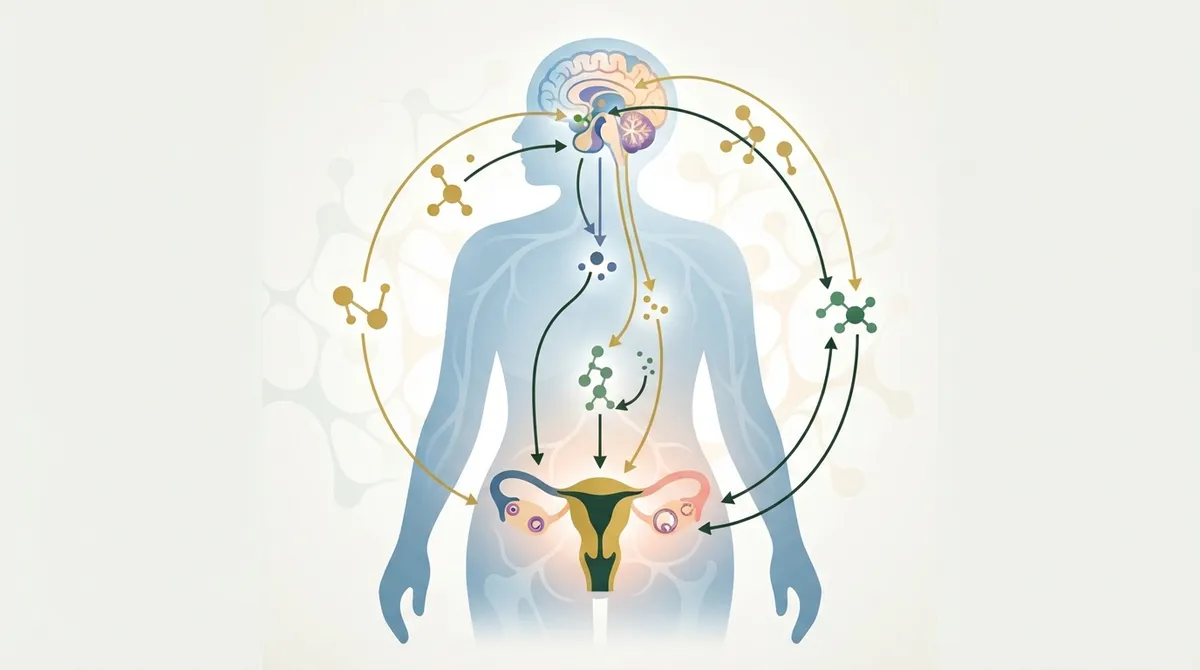
Menopause happens when your ovaries slow down and eventually stop making estrogen and progesterone. This shift causes what most people call a menopause hormone imbalance. Estrogen drops, but other hormones and signaling molecules, including certain neuropeptides, shift too, which explains the wide range of symptoms women experience.
A peer-reviewed review confirms that estrogens and neuropeptides interact closely during menopause-related physiology, which is part of why researchers are curious about peptides in the first place, according to the National Library of Medicine. That said, curiosity in a lab is different from proof that a treatment works for real women. Understanding this distinction matters before you invest time or money into any new protocol.
Common Symptoms Linked to This Imbalance
- Hot flashes and night sweats
- Trouble sleeping or staying asleep
- Mood swings, anxiety, or irritability
- Weight gain, especially around the belly
- Lower sex drive or vaginal dryness
- Thinning skin, hair changes, and joint aches
2. What Peptides Actually Are (And Why People Confuse Them With Hormones)
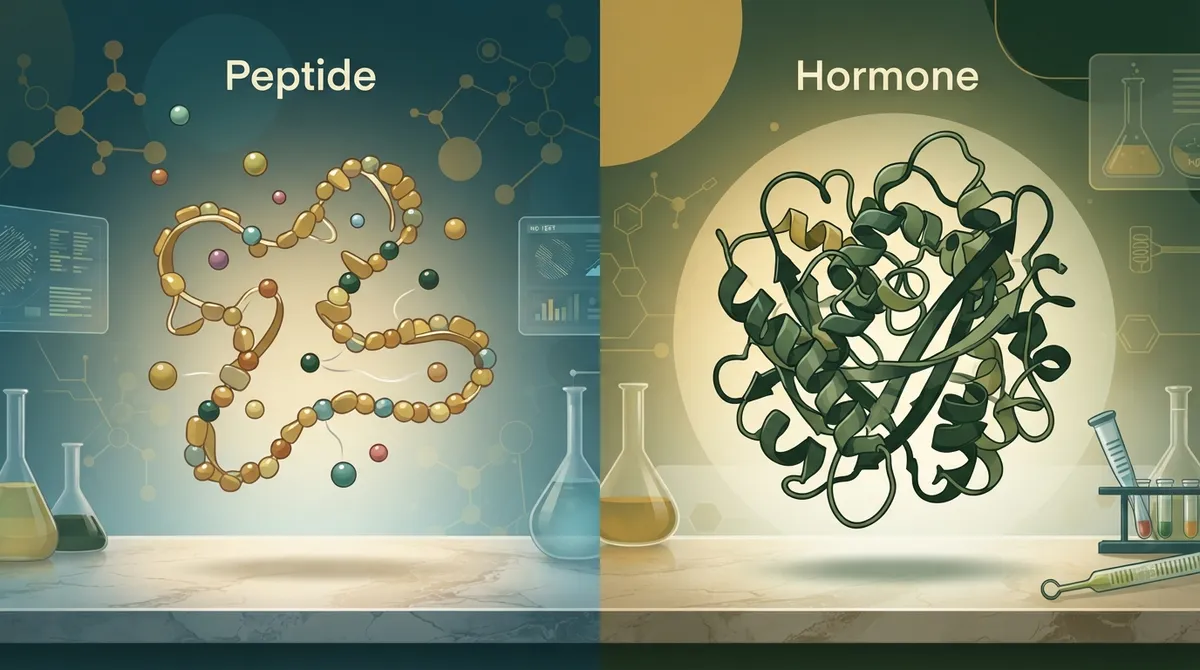
Peptides are short chains of amino acids that act like messengers in your body. They’re not the same as hormones like estrogen, but they can influence how your body produces or responds to hormones. If you want a deeper primer, this guide on what peptides are breaks it down clearly.
According to what are peptides, these molecules are being studied for everything from muscle repair to metabolic health. In the context of menopause, peptides are often marketed as tools that support energy, sleep, and body composition rather than direct replacements for estrogen or progesterone. That’s an important distinction to keep in mind as you research your options.
Peptides vs. Hormones: A Quick Comparison
| Feature | Peptides | Hormones (like Estrogen) |
|---|---|---|
| What they are | Short chains of amino acids | Chemical messengers made by glands |
| Menopause role | Supportive, mostly experimental | Directly declines and causes symptoms |
| FDA approval for menopause | Very limited | Well established (HRT) |
| Main use in this context | Sleep, energy, body composition, libido | Hot flashes, bone density, vaginal health |
3. Do Peptides Actually Help With Menopause Symptoms?
This is the question everyone wants answered, and the honest answer is: it depends on the symptom. Major clinical guidelines do not currently endorse peptide therapy as a standard treatment for menopause symptoms or hormone imbalance. Peptides are generally viewed as complementary tools, not primary treatments.
Here’s how the evidence breaks down for common menopause complaints:
- Hot flashes and night sweats: Current evidence suggests peptides do not directly treat these vasomotor symptoms, which remain best managed with standard menopause care.
- Weight management: Semaglutide, a GLP-1 peptide, has real clinical data supporting its use for menopausal weight gain.
- Bone density: Collagen peptides have randomized controlled trial evidence supporting bone health in postmenopausal women.
- Sleep and energy: Growth hormone secretagogues are marketed for these goals, but menopause-specific trial data remain limited.
- Libido: PT-141 is FDA-approved for low sexual desire, but only in premenopausal women, not specifically for menopause.
- Skin and recovery: Some peptides show promise for collagen support and tissue repair, though research in menopausal women specifically is still developing.
If weight changes are your biggest frustration, this article on which weight loss peptides actually work can help you understand your options in more depth.
4. Popular Peptides Women Ask About During Menopause
Clinics across the country get a lot of questions about specific peptides. Here’s a simple rundown of what’s commonly discussed, and what the evidence actually shows.
Peptides Frequently Mentioned for Midlife Support
| Peptide | Commonly Marketed For | Evidence Level |
|---|---|---|
| Semaglutide | Weight management | Strong clinical data |
| Collagen peptides | Bone density, skin health | RCT evidence in postmenopausal women |
| Sermorelin | Sleep, energy, body composition | Limited menopause-specific data |
| CJC-1295 | Recovery, lean mass | Limited menopause-specific data |
| Ipamorelin | Sleep quality, growth hormone support | Limited menopause-specific data |
| PT-141 (Vyleesi) | Low libido | FDA-approved, but for premenopausal HSDD |
If you’re curious about how growth hormone secretagogues actually function in the body, this breakdown of how GHRP peptides really work is a helpful next read. And if muscle tone and recovery are part of your goals, you might also enjoy learning about peptides for muscle gain.
5. Peptides vs. Hormone Replacement Therapy: Which One Do You Actually Need?
This is where a lot of confusion happens, so let’s clear it up. Peptides and hormone replacement therapy (HRT) are not interchangeable. HRT directly replaces the estrogen and progesterone your body has stopped making, and it’s the most evidence-backed treatment for hot flashes, night sweats, and vaginal dryness.
Peptides, on the other hand, work more like support staff. They may help with sleep, energy, or body composition, but they are not a proven fix for the core hormonal drop that defines menopause. The safest way to think about this is that peptides may be complementary to standard menopausal care, not a replacement for HRT when HRT is appropriate for you.
Steps to Decide What’s Right for You
- Get comprehensive blood work done to see your actual hormone levels.
- Talk with a licensed provider about your top three symptoms.
- Ask whether HRT, peptides, or a combination makes sense for your case.
- Start with a conservative plan and track how you feel over 60 to 90 days.
- Adjust your protocol based on follow-up labs and symptom changes.
If you want to explore how bioidentical hormones and peptides might work together, this guide on choosing between bioidentical hormones and peptides is worth a read. You can also learn more about postmenopausal hormone replacement to see how it compares.
6. How to Approach Peptide Therapy Safely During Menopause
If you’re still interested in trying peptide therapy alongside your menopause care, safety and personalization matter more than anything else. Not every peptide is right for every woman, and dosing needs to be based on your actual labs, not a generic online protocol.
What a Safe, Personalized Process Looks Like
- A virtual consultation with a licensed provider to review your history
- Comprehensive blood work through a trusted lab
- A customized plan based on your specific symptoms and goals
- Peptides shipped directly to your home for easy administration
- Ongoing monitoring and dose adjustments over several months
This is exactly the kind of structured approach that Allura Longevity uses for clients navigating midlife hormone changes. Their licensed providers, led by a board-certified Family Nurse Practitioner, build six-month plans based on real blood work rather than guesswork, and everything ships straight to your door. If you’re ready to see what a personalized plan could look like for you, you can request a consultation to get started.
Before you begin any peptide protocol, it also helps to understand the basics of safe administration. This resource on starting peptide therapy safely walks through what to expect, and this guide on preparing for peptide injections covers practical tips for at-home use.
Questions to Ask Before You Start Any Protocol
- Is this peptide backed by real clinical evidence for my specific symptoms?
- Will my provider order blood work before and during treatment?
- How will my plan be adjusted if my symptoms change?
- What are the realistic timelines for seeing results?
- Is this treatment being offered as a replacement for HRT, or alongside it?
For women specifically looking into female-focused options, this overview of hormone therapy peptides for women is a great place to keep learning. And if you’re weighing testosterone alongside peptides, this comparison of testosterone vs. peptides for women can help round out your decision.
Putting It All Together
Menopause hormone imbalance is real, complex, and different for every woman. Peptides can be a helpful piece of the puzzle, especially for weight management, bone support, and general vitality. But they are not a proven cure for hot flashes, and they’re not a substitute for hormone replacement therapy when that’s the right choice for you.
The smartest path forward is personalized care based on your actual labs, not trends you saw online. A thoughtful provider will help you sort out what’s evidence-based, what’s experimental, and what fits your specific goals and health history.
You deserve a plan built around your body, not a one-size-fits-all script. If you’re ready for guidance from licensed providers who take the time to understand your labs and your goals, request a consultation today and take the next step toward feeling like yourself again.
FAQs
Q: Can peptides help with menopause symptoms?
A: Peptides may offer some support for things like weight management, sleep, and energy, but they aren’t a proven fix for hot flashes or the core hormone drop of menopause. Think of them as helpful sidekicks, not the main hero of your treatment plan. Your best bet is combining personalized guidance with realistic expectations.
Q: Are peptides a replacement for hormone replacement therapy (HRT)?
A: No, peptides are not a replacement for HRT. HRT directly addresses your estrogen and progesterone levels, while peptides work more as supportive tools for specific goals like body composition or bone health. Many women find the best results when these approaches are used thoughtfully together, under a provider’s guidance.
Q: Do peptides help with hot flashes or night sweats?
A: Unfortunately, current evidence doesn’t support peptides as a direct treatment for hot flashes or night sweats. These vasomotor symptoms are still best managed through standard menopause care, like HRT, when appropriate. Peptides may still help with other symptoms happening alongside your hot flashes, like fatigue or low mood.
Q: Which peptide therapies have real clinical evidence for women in midlife?
A: Semaglutide has solid clinical data for menopausal weight management, and collagen peptides have real trial evidence for postmenopausal bone density. Other peptides, like sermorelin or ipamorelin, are popular but still lack menopause-specific research. It’s always smart to ask your provider what evidence actually backs your specific plan.
Q: Are peptide therapies safe for women going through menopause?
A: When they’re prescribed by a licensed provider based on your actual blood work, peptide therapy can be a safe, personalized option for many women. Safety really comes down to proper screening, dosing, and ongoing monitoring rather than guessing on your own. That’s exactly why working with an experienced telehealth team makes such a big difference.





