

Key Takeaways
-
Injections are necessary because stomach acid destroys peptides before absorption, making oral bioavailability below 5%, while injectable routes account for 76-84% of the peptide therapeutics market.
-
Medical supervision is essential—licensed providers review your bloodwork, tailor dosages based on your body's response, and ensure you receive pharmaceutical-grade peptides with ongoing adjustments.
-
Common peptide types target specific goals: growth hormone secretagogues for sleep and muscle recovery, GLP-1 peptides for weight loss, and healing peptides like BPC-157 for injury recovery.
-
Prepare for your first injection by completing a virtual consultation, getting baseline bloodwork, storing peptides properly, and injecting subcutaneously at 45-90 degrees into the abdomen or thigh.
-
Mild side effects like injection site redness, bruising, temporary fatigue, and water retention are normal and typically fade quickly when peptide therapy is properly monitored.
-
Telehealth offers advantages over local clinics by eliminating travel time, enabling home-based bloodwork through partner labs like LabCorp, and allowing peptides to be shipped directly for self-administration.
If you’ve been hearing buzz about peptide therapy injections and wondering what all the excitement is about, you’re in good company. Whether you’re chasing better sleep, faster muscle recovery, or just want to feel like yourself again, peptide injections have become one of the most talked-about tools in modern wellness. And honestly? The science backs up the hype. More than 80 peptide therapeutics have already reached the global market, with over 170 more peptides currently moving through clinical trials.
But here’s the thing nobody tells you upfront: getting started with peptide injections can feel a little intimidating. Needles, dosing schedules, storage requirements… it’s a lot to wrap your head around. That’s exactly why we put together this friendly, no-nonsense guide. We’ll walk you through everything you need to know to prepare for peptide therapy injections safely, confidently, and with zero unnecessary stress. Grab a cup of tea, get comfy, and let’s dig in together.
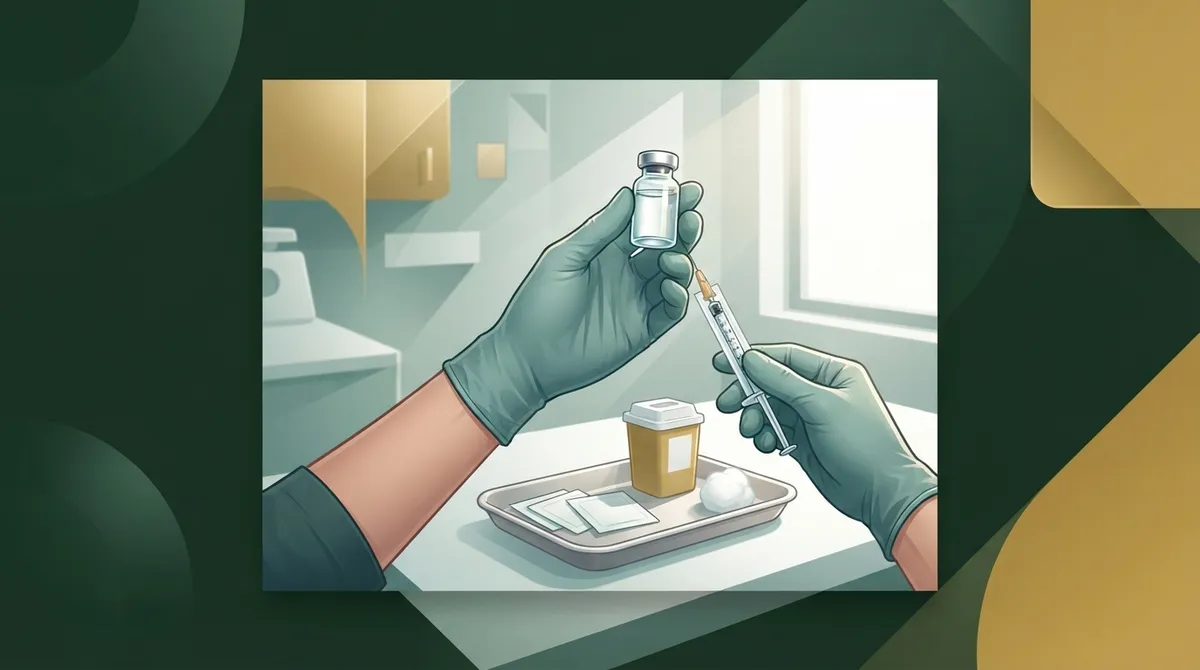
What Are Peptide Therapy Injections, Really?
Peptides are tiny chains of amino acids that act like messengers in your body. Think of them as little notes passed between cells, telling them what to do. Some peptides tell your body to burn fat. Others signal tissue repair or boost growth hormone release. Learning what are peptides is the first step to understanding why they’re delivered this way.
The reason injections are so common comes down to simple biology. Most peptides get destroyed by stomach acid before they ever reach your bloodstream if taken as a pill. Injecting them, usually just under the skin, lets them skip that digestive obstacle course entirely. That’s why research shows roughly 78% of approved peptide therapeutics use an injectable form, according to a study published by the National Library of Medicine.
Why Injections Beat Oral Options for Most Peptides
You might wonder why we can’t just take a peptide pill and call it a day. Unfortunately, biology has other plans.
- Stomach acid breaks down peptide chains before absorption happens
- Digestive enzymes target and destroy amino acid sequences
- Oral bioavailability for most peptides sits below 5%
- Injections deliver peptides directly into tissue or bloodstream
- Subcutaneous delivery allows for slow, steady absorption
This is exactly why parenteral, or injectable, delivery dominates the peptide therapeutics market. Some industry reports estimate injectable routes account for 76% to 84% of total market share.

Common Types of Peptide Therapy Injections
Not all peptide injections are created equal, and each type targets different goals. Here’s a quick breakdown of the categories you’ll likely come across.
| Peptide Category | Primary Goal | Common Examples |
|---|---|---|
| Growth Hormone Secretagogues | Muscle recovery, sleep, anti-aging | Ipamorelin, CJC-1295 |
| GLP-1 Peptides | Weight loss, appetite control | Semaglutide, Tirzepatide |
| Healing Peptides | Injury recovery, tissue repair | BPC-157, TB-500 |
| Immune & Wellness Peptides | Immune support, energy | Thymosin Alpha-1 |
| Sexual Wellness Peptides | Libido, hormonal balance | PT-141 |
If weight loss is your main goal, you’ll want to check out our detailed breakdown on which weight loss peptides actually work in 2026. And if you’re more focused on recovering from an injury, our guide covering 13 facts about TB-500 peptide is a great next read.
How to Prepare for Your First Peptide Injection
Feeling nervous about your first injection is totally normal. Let’s break it down into simple, manageable steps so you know exactly what to expect.
Step-by-Step Preparation Process
- Complete a virtual consultation with a licensed provider to discuss your health goals
- Get bloodwork done through a trusted lab like LabCorp to establish your baseline
- Review your personalized treatment plan and dosing schedule
- Receive your peptides, delivered discreetly to your front door
- Store peptides properly, usually refrigerated, until ready to use
- Gather your supplies: alcohol swabs, syringe, and a sharps container
- Wash your hands thoroughly before handling any medication
- Draw up the correct dose exactly as instructed by your provider
- Choose an injection site, commonly the abdomen or thigh
- Inject subcutaneously at a 45 to 90 degree angle, then dispose of the needle safely
Following these steps consistently helps ensure both safety and effectiveness. If you want an even deeper walkthrough, our article on how to start peptide therapy safely and see real results covers additional tips.
Is Peptide Therapy Safe? What You Should Know
Safety is probably the number one question on your mind, and that’s completely fair. The good news is that when peptide injections are prescribed and monitored by licensed medical providers, they carry a strong safety profile.
Common Side Effects to Watch For
Like any medical treatment, peptide injections can come with mild side effects. Most people tolerate them well, but it’s smart to know what’s normal.
- Redness or mild irritation at the injection site
- Slight bruising that fades within a few days
- Temporary fatigue during the first week of a new peptide
- Mild headache or nausea, especially with GLP-1 peptides
- Water retention with certain growth hormone peptides
If you’re curious about managing specific reactions, our article on what causes GLP-1 side effects and how to manage them is worth bookmarking.
Why Medical Supervision Matters So Much
This isn’t a DIY project, friends. Working with a licensed provider means your dosing, peptide selection, and monitoring are all tailored to your unique bloodwork and health history.
- Providers review your labs before recommending any peptide
- Dosages are adjusted based on your body’s response over time
- Regular check-ins catch potential issues early
- Prescriptions ensure you’re getting pharmaceutical-grade peptides
- Ongoing support means questions get answered quickly
This is where a trusted telehealth partner really shines. At Allura Longevity, licensed providers like Ashley, a board-certified Family Nurse Practitioner, design six-month treatment plans built entirely around your bloodwork and goals. It’s personalized care, minus the waiting room.
Peptide Injections vs Other Delivery Methods
You might be wondering if there are alternatives to injections. Let’s compare the options honestly so you can make an informed choice.
| Delivery Method | Absorption Rate | Convenience | Best For |
|---|---|---|---|
| Subcutaneous Injection | High | Moderate, at-home friendly | Most peptide therapies |
| Oral Capsules | Very Low | High | Limited peptide options |
| Nasal Sprays | Moderate | High | Select peptides only |
| Topical Creams | Low | High | Localized skin support |
As you can see, injections remain the gold standard for reliable absorption. That’s precisely why the peptide therapeutics market, valued anywhere from roughly $49.7 billion to $140.9 billion depending on the report, continues to rely heavily on injectable formats.
Choosing the Right Peptide for Your Goals
With so many options available, picking the right peptide can feel overwhelming. Let’s simplify things based on common goals.
- Want better sleep and recovery? Growth hormone secretagogues may help
- Focused on fat loss? GLP-1 peptides are worth exploring
- Recovering from an injury? Healing peptides like BPC-157 are popular choices
- Looking to build lean muscle? Certain peptide stacks target strength gains
- Interested in energy and mental clarity? Specific peptide combinations can support focus
For muscle-focused goals, check out 14 peptides for muscle gain worth knowing in 2026. And if fat loss is your priority, our roundup of 13 peptides for fat loss that really work in 2026 breaks down the top performers.
Single Peptides or Peptide Stacks?
Some people do best with one targeted peptide, while others benefit from combining a few for a broader effect. This decision really depends on your goals and bloodwork. Our comparison of single peptides vs peptide stacks can help you understand which approach fits you best.
Telehealth vs Local Clinics for Peptide Injections
One decision you’ll face early on is where to get your peptide therapy. Telehealth has completely changed the game here.
- Telehealth eliminates travel time and waiting room visits
- Bloodwork can be done locally through partner labs like LabCorp
- Peptides are shipped directly to your home, ready for self-administration
- Licensed providers monitor your progress through virtual check-ins
- Adjustments to your plan happen quickly without an office visit
If you’re torn between options, our comparison guide on local clinic vs telehealth for peptide therapy lays out the pros and cons clearly. For most busy professionals and wellness seekers, telehealth simply fits real life better.
What Does Peptide Therapy Cost?
Cost is always a fair concern, and pricing can vary based on the peptide, dosage, and length of treatment. Many clinics start with an affordable consultation before building a personalized plan.
- Initial consultations often range from $50 to $200
- Bloodwork panels typically cost between $100 and $300
- Monthly peptide costs vary widely based on type and dosage
- Six-month plans often offer better value than month-to-month pricing
To avoid overspending or hidden fees, take a look at 6 hormone therapy cost mistakes that drain your wallet. Being an informed patient saves you money and stress down the road.
Getting Started the Right Way
Starting peptide therapy doesn’t need to feel complicated or scary. With the right guidance, it can actually be one of the simplest additions to your wellness routine.
- Schedule a consultation with a licensed telehealth provider
- Complete recommended bloodwork to establish your baseline
- Review your customized treatment plan together
- Receive your peptides and injection supplies at home
- Follow your schedule consistently and track how you feel
- Stay in touch with your provider for adjustments as needed
Our full walkthrough on how to get prescription peptides safely in 2026 covers legal and safety considerations you’ll want to understand before diving in.
Why Personalized Care Makes All the Difference
Peptide therapy isn’t one-size-fits-all, and it shouldn’t be. Your bloodwork, lifestyle, and goals are unique, so your treatment plan should be too.
This is exactly the philosophy behind Allura Longevity. From the very first $50 virtual consultation through ongoing six-month treatment plans, every step is designed around your individual health data. Whether you’re exploring peptides for women or peptides for men, personalized care leads to better, safer results. Want to dive deeper into the basics first? Check out our guide on 8 facts that explain what are peptides in 2026.
Final Thoughts on Peptide Therapy Injections
Peptide therapy injections offer a genuinely exciting path toward better energy, recovery, and overall vitality. With proper guidance, safe handling, and a personalized plan, this treatment can fit smoothly into even the busiest schedule. The key is working with licensed professionals who take the time to understand your body and your goals.
Ready to see what a customized peptide plan could do for you? Request a consultation with Allura Longevity today and take the first step toward feeling like the best version of yourself. Spots fill up each month, so don’t wait too long to get started. You can also call us directly at (813) 510-6277 to speak with our team.
FAQs
Q: What are peptide therapy injections used for?
A: Peptide therapy injections are used for all sorts of wonderful goals, like boosting energy, improving sleep, speeding up injury recovery, supporting weight loss, and even enhancing skin health. Each peptide works a little differently, so your provider will match the right one to your specific goals. It’s like having a custom toolkit built just for your body.
Q: Are peptide therapy injections safe?
A: Yes, when prescribed and monitored by a licensed provider, peptide injections have a strong safety track record. That said, safety really comes down to proper dosing, quality sourcing, and regular check-ins with your care team. This is exactly why working with a trusted telehealth provider makes such a big difference.
Q: Why are peptides usually injected instead of taken orally?
A: Great question, and the answer comes down to simple biology. Most peptides get broken down by stomach acid before they can do their job if taken as a pill. Injecting them lets the peptide skip that whole digestive obstacle course and get straight to work.
Q: How much do peptide therapy injections cost?
A: Costs vary depending on the peptide, dosage, and length of your treatment plan, but many programs start with an affordable consultation, often around $50. From there, six-month plans typically offer better value than paying month to month. It’s always worth asking your provider for a clear cost breakdown upfront.
Q: Which peptides are commonly used in therapy?
A: Some popular options include BPC-157 for injury recovery, GLP-1 peptides like semaglutide for weight loss, and growth hormone secretagogues like ipamorelin for sleep and recovery. The best peptide really depends on your personal health goals and bloodwork results. Your provider can help narrow down the best fit for you.





