

Key Takeaways
-
Symptoms alone cannot diagnose hormone deficiency—you need comprehensive blood work including thyroid panels, sex hormones, metabolic markers, and cortisol levels to confirm what's actually happening in your body.
-
If three or more symptoms persist (fatigue, low libido, unexplained weight gain, poor sleep, mood swings, brain fog, muscle loss), it's worth getting tested, but 'normal' lab ranges are broad population averages that may not reflect your personal optimal levels.
-
Hormone therapy directly replaces deficient hormones, while peptide therapy signals your body to produce its own hormones more efficiently—these are fundamentally different approaches that suit different situations and require different monitoring.
-
Reputable providers follow a clear testing process: intake consultation, baseline blood work, result review against symptoms, and personalized treatment plans with regular monitoring checkpoints—skipping any step leads to guesswork.
-
Initial treatment monitoring should occur at 4-6 weeks, with thorough follow-ups at 3-6 months and annual monitoring thereafter, as dosage adjustments are common in the first few months based on how your body responds.
-
Sometimes peptide therapy is the better starting point than full hormone replacement if your labs show only mild decline, you prefer a gradual approach, or you want to support recovery without directly altering hormone levels.
Ever feel like your body is running on low battery, no matter how much you sleep or how clean you eat? You’re not alone. Fatigue, stubborn weight gain, low libido, and brain fog send millions of people searching for answers every year. The tricky part is figuring out whether you need hormone therapy, peptide therapy, or something else entirely. Let’s untangle this together, in plain language, so you can feel confident about your next step.
This guide walks you through the exact signs, symptoms, and lab markers that clinicians look at when deciding if hormone therapy makes sense for you. We’ll also cover how it compares to peptide therapy, since the two are often confused but work in very different ways. By the end, you’ll know exactly what questions to ask and what tests to request before making any decisions about your health.

What Hormone Therapy Actually Means in a Peptide Therapy Context
Hormone therapy directly replaces or supplements hormones your body isn’t producing enough of anymore. Think testosterone, estrogen, progesterone, or thyroid hormone. Peptide therapy works differently. It uses short chains of amino acids to signal your body to do things more efficiently, like producing its own growth hormone or repairing tissue faster.
According to what are peptides, these molecules act as messengers that tell cells what to do. That’s a big difference from hormone therapy, which adds hormones your body may already be trying (and failing) to produce on its own. Many clients exploring options like peptides for women or peptides for men actually start out wondering if hormone therapy is the missing piece instead.
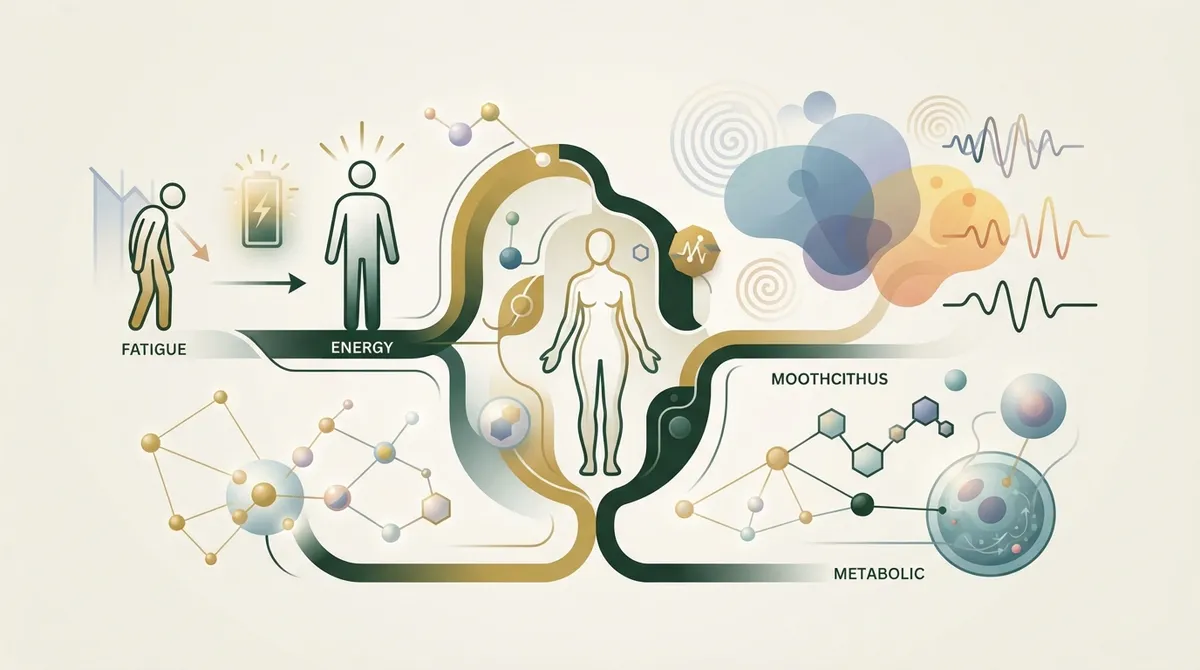
Common Signs You Might Need Hormone Therapy
Your body usually gives you clues before things feel truly out of balance. The tricky part is that these clues often overlap with everyday stress, poor sleep, or normal aging. That’s exactly why testing matters so much.
Symptoms That Often Point to Hormone Imbalance
- Persistent fatigue that doesn’t improve with rest
- Low libido or changes in sexual function
- Unexplained weight gain, especially around the belly
- Trouble falling or staying asleep
- Mood swings, irritability, or new anxiety
- Brain fog or trouble concentrating
- Loss of muscle mass despite regular exercise
- Slower recovery from workouts or injuries
If you’re nodding along to three or more of these, it’s worth getting checked out. But here’s the honest truth: symptoms alone aren’t enough to diagnose anything. You need lab work to confirm what’s actually happening inside your body.
Why Symptoms Alone Aren’t Enough
Fatigue could mean low thyroid function, low testosterone, poor sleep quality, or even nutrient deficiencies. Weight gain might stem from insulin resistance, cortisol imbalance, or slowing metabolism. That’s why reputable clinics always pair symptom tracking with comprehensive blood work before recommending treatment.
The Testing Process: What to Expect
Getting real answers starts with the right tests. Most clinics, including telehealth providers, follow a similar testing approach to rule things in or out.
Step-by-Step: How Clinics Evaluate Hormone Therapy Candidates
- Complete an intake consultation to discuss symptoms, history, and goals
- Draw baseline blood work through a certified lab
- Review results for hormone levels, thyroid function, and metabolic markers
- Compare lab values against your symptom pattern and personal history
- Discuss whether hormone therapy, peptide therapy, or lifestyle changes fit best
- Start a personalized treatment plan with clear monitoring checkpoints
This process removes the guesswork. Instead of trying random supplements or hoping symptoms fade, you get a clear picture backed by real numbers.
Common Lab Tests Used to Evaluate Hormone Therapy Needs
| Test | What It Measures | Why It Matters |
|---|---|---|
| Comprehensive Metabolic Panel | Kidney, liver, and electrolyte function | Rules out other causes of fatigue or poor recovery |
| Complete Blood Count (CBC) | Red and white blood cell levels | Checks for anemia or immune issues mimicking hormone symptoms |
| Thyroid Panel (TSH, T3, T4) | Thyroid hormone production | Low thyroid function often mimics hormone deficiency symptoms |
| Sex Hormones (Testosterone, Estrogen, Progesterone) | Reproductive hormone levels | Directly confirms if hormone therapy is appropriate |
| Fasting Glucose and Insulin | Blood sugar regulation | Insulin resistance can cause fatigue and weight gain |
| Cortisol | Stress hormone levels | Chronic high or low cortisol affects sleep, mood, and energy |
| IGF-1 | Growth hormone activity proxy | Used mainly when evaluating growth-hormone peptide candidacy |
IGF-1 deserves a special mention here. It’s frequently used as a stand-in marker when clinics are deciding whether someone is a good fit for growth-hormone-related peptide therapy rather than direct hormone replacement. This is one of the clearest lines between the two treatment paths.
Hormone Therapy vs. Peptide Therapy: Which Fits Your Situation
This is where a lot of people get stuck. Both treatments can improve energy, body composition, and overall vitality, but they work through completely different mechanisms.
| Factor | Hormone Therapy | Peptide Therapy |
|---|---|---|
| How It Works | Directly replaces deficient hormones | Signals your body to produce more of its own hormones or support healing |
| Best For | Confirmed hormone deficiency with lab abnormalities | Supporting recovery, metabolism, sleep, and mild age-related decline |
| Typical Candidates | Menopause, andropause, thyroid disorders | Fitness optimization, injury recovery, general wellness support |
| Monitoring Needed | Regular hormone panel rechecks | Periodic symptom and biomarker tracking |
If you’re curious about the deeper differences, this comparison of testosterone vs. peptides for women breaks down real-world scenarios where one option outperforms the other. Many people actually benefit from a combined approach once their provider reviews their full lab picture.
Special Considerations for Different Life Stages
Menopause and Perimenopause
According to the National Library of Medicine, hormone therapy decisions during menopause depend on age, time since your last period, symptom severity, and personal health risks. There’s no single test result that automatically qualifies someone. It’s a conversation between you and a licensed provider who understands your full history.
Mayo Clinic guidance echoes this same individualized approach, noting that hormone therapy works best when tailored to the person rather than applied as a blanket solution. If you’re dealing with hot flashes, night sweats, or mood changes tied to menopause, exploring safest hormone therapy options for women is a smart first move.
Andropause and Age-Related Testosterone Decline
Men often notice testosterone dropping gradually starting in their 30s and 40s. Symptoms like reduced muscle mass, low motivation, and decreased libido can creep in slowly. Understanding the real benefits of hormone therapy for men helps clarify whether this gradual decline has crossed into deficiency territory.
When Peptides Might Be the Better Starting Point
Not everyone needs full hormone replacement right away. Sometimes peptide therapy offers a gentler, more targeted way to support your body’s natural hormone production before jumping to direct replacement.
- Your labs show mild decline but not full deficiency
- You want to support recovery and sleep without altering hormone levels directly
- You’re focused on fat loss or muscle preservation alongside hormone support
- You prefer a gradual approach with fewer systemic effects
- Your provider recommends starting conservatively and reassessing in a few months
If this sounds like your situation, learning how to start peptide therapy safely and see real results can help you understand what a realistic timeline looks like before committing to hormone replacement.
What Happens If Your Labs Are Normal But You Still Feel Off
This is one of the most common (and frustrating) situations. Your bloodwork comes back “normal,” but you still feel exhausted and foggy. Here’s what’s important to know.
- “Normal” ranges are broad and based on population averages, not your personal baseline
- Optimal levels for feeling your best are often narrower than the standard reference range
- Symptom tracking over several weeks helps identify patterns labs alone might miss
- A repeat test at a different time of day or month may reveal fluctuations
- A knowledgeable provider will look at trends, not just single snapshots
This is exactly why working with an experienced provider matters so much. They know how to interpret borderline results in context, rather than dismissing your symptoms because a number technically falls “in range.”
Monitoring: What Happens After You Start Treatment
Starting hormone therapy or peptide therapy isn’t a one-and-done deal. Your provider should schedule follow-up testing to confirm the treatment is working and staying safe.
- Initial recheck often happens around 4 to 6 weeks after starting treatment
- A more thorough follow-up typically occurs at the 3 to 6 month mark
- Annual monitoring is standard once your levels stabilize
- Dosage adjustments are common in the first few months as your body responds
- Symptom logs help your provider fine-tune your plan over time
This ongoing check-in process is a hallmark of quality care. If you’re weighing where to get this kind of consistent support, comparing a local clinic vs. telehealth for peptide therapy can help you decide what fits your schedule and lifestyle best.
Why Telehealth Makes This Process Easier
Gone are the days of taking time off work for multiple in-person appointments just to get your hormones checked. Telehealth providers now offer the full process, from consultation to lab review to ongoing care, without you ever leaving your couch.
Allura Longevity has built its entire model around this convenience. Clients start with an affordable virtual consultation, complete blood work through LabCorp, and receive a personalized six-month treatment plan shipped straight to their door. Care is overseen by licensed providers, led by a board-certified Family Nurse Practitioner, so you get real medical guidance instead of guesswork.
What Makes a Telehealth Provider Trustworthy
- Requires baseline blood work before recommending any treatment
- Uses licensed medical providers to review your results
- Offers ongoing monitoring, not just a one-time prescription
- Clearly explains the difference between hormone therapy and peptide options
- Is licensed to practice in your state
Allura Longevity currently serves clients in Florida, Georgia, Texas, Connecticut, Indiana, Maryland, New York, and California, with plans to expand as demand grows. Because spots are limited each month, it’s worth reaching out sooner rather than later if you’re ready to get answers.
Putting It All Together
Knowing whether you need hormone therapy really comes down to three things: tracking your symptoms honestly, getting comprehensive lab work, and working with a provider who takes time to interpret your results in context. Skipping any one of these steps leads to guesswork, and guesswork rarely gets you the results you’re after.
Whether you land on hormone therapy, peptide therapy, or a combination of both, the goal is the same: feeling like yourself again. If you’re ready to stop wondering and start getting real answers, you can request a consultation with Allura Longevity today. Their team will walk you through testing, explain your results in plain language, and build a plan designed around your actual biology, not generic guesswork.
FAQs
Q: What symptoms suggest I might need hormone therapy?
A: Persistent fatigue, low libido, unexplained weight gain, poor sleep, mood changes, and brain fog are common signs worth checking out. That said, these symptoms overlap with many other conditions, so getting blood work is the only way to know for sure. Don’t worry, this is a totally normal first step and nothing to feel embarrassed about!
Q: What blood tests are used to decide if I need hormone therapy?
A: Providers typically order a comprehensive metabolic panel, CBC, thyroid labs, sex hormone levels, fasting glucose and insulin, and sometimes cortisol or IGF-1. These tests paint a full picture rather than relying on guesswork. Think of it like a wellness roadmap that shows exactly where to focus your energy.
Q: How do peptide therapy and hormone replacement therapy differ?
A: Hormone therapy directly replaces hormones your body isn’t producing enough of, while peptide therapy sends signals that encourage your body to work more efficiently on its own. Both can support energy and vitality, but they take very different paths to get there. Your lab results and goals usually point toward which one fits best.
Q: Do I need hormone therapy if my lab results are still in the normal range?
A: Not necessarily, but normal ranges are broad and based on population averages, not your personal baseline. Some people feel their best only when levels sit closer to the optimal range rather than just technically normal. A good provider will look at your symptoms alongside your labs, not just the numbers alone.
Q: How often should hormone levels be monitored during treatment?
A: Most clinics recommend an initial recheck around 4 to 6 weeks after starting treatment, followed by another review at 3 to 6 months. After that, annual monitoring usually keeps things on track. This ongoing check-in process helps your provider fine-tune your plan so you keep feeling your best.





