

Key Takeaways
-
"Hormone optimization peptide protocols" is a marketing phrase, not a standard diagnosis or approved treatment, so the quality of care depends entirely on the provider's process.
-
The strongest evidence supports treating confirmed hormone deficiencies with established therapies; evidence for using peptides to optimize hormones in healthy people is limited.
-
Growth hormone secretagogue peptides prompt your body to release its own GH and are not the same as prescription growth hormone given for a confirmed deficiency.
-
Adult growth hormone deficiency is usually confirmed with stimulation testing, since a single random GH reading is not reliable.
-
Red flags include no medical review before purchase, one peptide stack for everyone, guaranteed results, and no follow-up monitoring; green flags include baseline labs and ongoing adjustments.
-
Always confirm the FDA status of each substance and formulation, and avoid gray-market or "research use only" products.
If you have been scrolling through wellness feeds lately, you have probably seen the phrase hormone optimization peptide protocols pop up everywhere. It sounds high-tech and promising. But what does it actually mean? And is it right for you?
Here is the honest answer. “Hormone optimization peptide protocols” is a marketing phrase, not a standard medical diagnosis or a single approved treatment. It describes a range of approaches where a licensed provider uses lab work, symptoms, and goals to build a personalized plan that may include peptides, hormone therapy, or both.
That means the quality of your care depends on the quality of the process behind it. In this guide, we will walk through what these protocols are, what the research says, where the evidence is strong, and where it is still thin. We will also show you how to spot a safe, well-run program. Whether you are a busy professional, a data-loving biohacker, or simply curious about healthy aging, you deserve clear facts. Let’s dig in together.
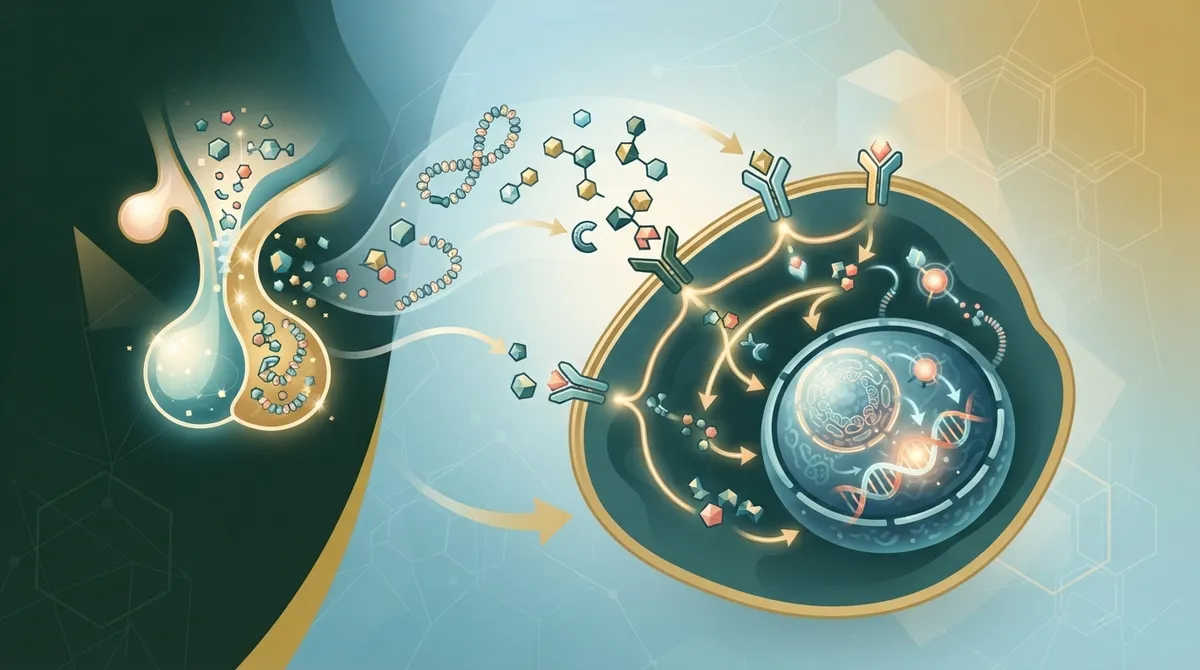
What Are Hormone Optimization Peptide Protocols?
Peptides are short chains of amino acids. Your body makes thousands of them, and they act like tiny messengers. If you want a refresher, our guide 8 Facts That Explain What Are Peptides in 2026 covers the basics, and what are peptides gives a helpful general overview.
In the wellness world, “hormone optimization peptide protocols” usually refers to plans that pair a few key ideas:
- Lab-guided care: Blood work shows where your levels sit today.
- Symptom review: Your energy, sleep, mood, recovery, and libido matter just as much as a number on a page.
- Targeted tools: Peptides, hormone replacement, nutrition, sleep habits, and exercise may all play a role.
- Ongoing monitoring: A provider checks in and adjusts your plan over time.
The peptides most often discussed in this space include growth hormone secretagogues, which are compounds that may nudge your body to release more of its own growth hormone. You can read more in Growth Hormone Peptides: What They Are & How They Work.

An Honest Look at the Evidence
Let’s be real for a moment, because trust matters here. The strongest medical evidence in hormone care comes from treating diagnosed deficiencies with established therapies. The evidence for using marketed peptides to “optimize” hormones in otherwise healthy people is not well established.
That does not mean peptide therapy has no place. It means you should know where the science is solid and where it is still developing. The table below breaks it down.
| Topic | What the Evidence Supports | What Is Still Unclear |
|---|---|---|
| Confirmed adult growth hormone deficiency | Individualized GH replacement with clinician monitoring | Not a general anti-aging tool |
| Growth hormone secretagogue peptides | Some early research on how they work | Long-term outcomes in healthy adults |
| Claims about energy, libido, sleep, longevity | Mixed or limited data | Whether results apply to people with normal hormones |
| Regulatory status | Varies by product and formulation | Must be checked for each substance |
For a deeper look at the research landscape, the National Library of Medicine is a great place to explore peer-reviewed studies.
Growth Hormone Peptides vs. Prescription Growth Hormone
This is one of the most common points of confusion, so let’s clear it up.
Growth hormone secretagogues are not the same as approved growth hormone replacement. Secretagogues are designed to prompt your body to release its own growth hormone. Prescription growth hormone is the hormone itself, given for a confirmed deficiency.
The Endocrine Society guidance says adult growth hormone deficiency should be evaluated in the right clinical setting and usually confirmed with stimulation testing. A single random growth hormone reading is not helpful. For confirmed cases, the guidance recommends individualized replacement. Treatment generally starts low and is adjusted based on symptoms, side effects, and IGF-1 levels.
Guideline starting doses for diagnosed deficiency are about 0.2 to 0.4 mg per day for adults under 60 and 0.1 to 0.2 mg per day for adults over 60. These figures are for clinician-directed treatment of a diagnosed condition. They are not dosing advice for peptide products or self-treatment.
The same guidance does not support using growth hormone simply to optimize hormones in adults who are not deficient. That is an important line to keep in mind when you evaluate any program.
Which Peptides Show Up in These Protocols?
You will see several names come up when people discuss hormone-related peptide plans. Here is a simple overview of common ones and what to know about each.
| Peptide Type | How It Is Described | Important Note |
|---|---|---|
| CJC-1295 / Sermorelin-type compounds | Growth hormone releasing hormone analogs | Product quality and regulatory status vary |
| Ipamorelin / GHRP-type compounds | Growth hormone releasing peptides | Evidence in healthy adults is limited |
| PT-141 | Used for sexual wellness support | Works through a different pathway than hormones |
| BPC-157 | Often discussed for recovery | Research is mostly early-stage |
If you want details on specific compounds, these guides are helpful: Ipamorelin Peptide Therapy: Benefits, Dosing & Safety, How to Use CJC-1295 Peptide Safely for Real Results, and How Do GHRP Peptides Really Work in Your Body?
One more key point: always confirm the FDA status of each substance and formulation. Our article FDA-Approved vs. Compounded Peptides: What Wins? explains why this matters so much.
How a Responsible Protocol Gets Built
A good program does not start with a peptide. It starts with questions. Here is what a thoughtful process typically looks like:
- Share your story. You talk through symptoms, medications, sleep, stress, training, and health history.
- Get the right labs. Blood work gives your provider real data. Depending on your concerns, this may include relevant hormone testing and a look for underlying causes.
- Rule out other causes. Thyroid issues, sleep problems, nutrient gaps, and medication effects can all mimic low hormones.
- Build a personalized plan. Your provider matches options to your labs, goals, and risk profile.
- Monitor and adjust. Follow-up visits and repeat labs help keep the plan safe and effective.
A one-size-fits-all peptide stack is a red flag. So is treating a lab number instead of treating you. For a closer look at why this matters, see Single Peptides vs. Peptide Stacks: Which Wins? and 5 Blood Work Analysis Steps Before Peptides in 2026.
Peptides, Testosterone, and Other Hormone Therapies
Many people wonder how peptides fit alongside traditional hormone therapy. They are different tools that work in different ways.
- Hormone replacement supplies a hormone directly when your body is not making enough.
- Peptides are usually described as signaling compounds that may influence your body’s own pathways.
For men, this might be a conversation about testosterone replacement and whether peptides could play a supporting role. For women, it may involve perimenopause or menopause care. You can explore both sides in TRT vs. Peptides: Which Hormone Fix Wins for Men?, Testosterone vs. Peptides for Women: Which Wins?, and How to Choose Between Bioidentical Hormones and Peptides.
The right path depends on your labs and your goals. A qualified provider can help you decide whether one, the other, or a combination makes sense.
Realistic Expectations by Audience
Different people come to this topic for different reasons. Here is what to keep in mind for each.
Health Optimizers and Wellness Seekers
You already invest in sleep, nutrition, and supplements. Peptide care can be a next step, but it works best on top of solid basics. Think of it as fine-tuning, not a shortcut.
Aging Adults
If you are noticing changes in energy, recovery, or body composition, start with a full evaluation. Sometimes the cause is a true hormone deficiency. Other times it is sleep, stress, or something else entirely. Our piece How to Know If You Need Hormone Therapy in 2026 can help you sort this out.
Biohackers
You love data, and that is a strength here. Track your labs over time, ask for the reasoning behind each choice, and be cautious about claims that go beyond the evidence. Results with a diagnosed deficiency do not automatically carry over to people with normal levels.
Busy Professionals
Convenience matters. Telehealth can remove the travel and waiting room time while still delivering real clinical oversight. See Local Clinic vs. Telehealth: Best Peptide Therapy Near You? for a side-by-side look.
Risks and Safety Considerations
Safe care means talking about downsides, too. Peptide products sold or compounded for hormone optimization may have limited clinical evidence, uncertain quality, and product-specific safety concerns.
Here are smart safety habits to follow:
- Work only with licensed medical providers.
- Ask where products are sourced and how they are prepared.
- Confirm the regulatory status of each substance.
- Get baseline labs and plan follow-up testing.
- Report new symptoms to your provider promptly.
- Avoid gray-market sellers and “research use only” products.
We cover this topic in more depth in Is Peptide Therapy Safe? What You Really Need to Know and How to Get Prescription Peptides Safely in 2026.
How to Spot a Quality Program
Use this quick comparison to tell a strong program from a risky one.
| Green Flags | Red Flags |
|---|---|
| Licensed providers review your history | No medical review before you buy |
| Blood work comes first | Same peptide stack for everyone |
| Clear talk about evidence and limits | Guaranteed results or miracle claims |
| Ongoing monitoring and adjustments | No follow-up plan |
| Transparent pricing and sourcing | Vague product origins |
For more on vetting providers, check out 15 Peptide Consultation Questions to Ask in 2026 and How to Find Legal Peptide Therapy You Can Trust.
What Care Looks Like at Allura Longevity
At Allura Longevity, we believe personalized care should be both convenient and responsible. Our telehealth model is built around real data and real people.
Here is how it works. You start with a $50 virtual consultation. You complete blood work through LabCorp. Then your licensed provider builds a customized six-month plan, and your medication is delivered right to your door. Care includes ongoing monitoring and adjustments, led by Ashley, a board-certified Family Nurse Practitioner.
We serve clients in Florida, Georgia, Texas, Connecticut, Indiana, Maryland, New York, and California. If you want to see how the process unfolds, read How to Start Peptide Therapy Safely and See Real Results. You can also browse our options for peptides for women and peptides for men.
Conclusion: Make Your Plan Personal and Evidence-Aware
Hormone optimization peptide protocols are not magic, and they are not one standard medical treatment. At their best, they are personalized, lab-guided plans overseen by licensed providers who respect both the potential and the limits of the science.
The best next step is a conversation with a qualified clinician who will look at your symptoms, order the right tests, and explain your options honestly. You deserve care that treats you as a whole person, not a number.
Ready to see what a personalized plan could look like for you? Request a consultation with Allura Longevity or call (813) 510-6277. We take on a limited number of new clients each month, so reach out soon to hold your spot.
FAQs
Q: What does hormone optimization peptide therapy mean?
A: It is a marketing phrase, not a standard medical diagnosis. It usually describes a personalized plan built from your symptoms and lab work that may include peptides, hormone therapy, or lifestyle support. The quality of the plan depends on the provider behind it.
Q: Are growth hormone peptides the same as prescription growth hormone?
A: No, they are different. Growth hormone secretagogues aim to prompt your body to release its own growth hormone, while prescription growth hormone is the hormone itself, used for a confirmed deficiency. Adult deficiency is usually confirmed with stimulation testing, not a single random blood draw.
Q: Can peptides improve my hormones if my lab levels are normal?
A: The evidence here is not well established. Results seen in people with a diagnosed deficiency cannot be automatically applied to people with normal hormone function. A good provider will be upfront about this and focus on your symptoms and underlying causes.
Q: Are peptide therapies FDA-approved for anti-aging or hormone optimization?
A: FDA status varies by substance and formulation, so it should be checked for each product. Marketing claims about anti-aging often go further than the clinical evidence. Ask your provider to explain the regulatory status of anything they recommend.
Q: What monitoring is needed during treatment?
A: Expect baseline labs, regular follow-up visits, and repeat testing to track how you are responding. For confirmed growth hormone deficiency, clinicians adjust treatment using symptoms, side effects, and IGF-1 levels. Ongoing check-ins are a sign of safe, quality care.





