

Key Takeaways
-
Ipamorelin stimulates your pituitary gland to release its own growth hormone by binding to the GHSR-1a receptor, rather than injecting synthetic hormone directly, making it a body-friendly alternative.
-
Ipamorelin is more selective than older peptides like GHRP-6, minimizing unwanted increases in cortisol and prolactin levels, which makes it a preferred option in modern peptide therapy programs.
-
Combining ipamorelin with CJC-1295 may increase growth hormone output by three to five times compared to ipamorelin alone, creating a synergistic 'one-two punch' effect on GH release.
-
Ipamorelin is not FDA-approved for routine human use and lacks large-scale efficacy trials for anti-aging goals, making medical supervision, ongoing bloodwork monitoring, and realistic expectations essential.
-
Evening dosing of ipamorelin (typically 200-300 mcg once or twice daily) aligns with your body's natural growth hormone pulses during deep sleep, optimizing the therapy's effectiveness.
-
Common reported benefits include improved sleep quality, faster workout recovery, lean muscle maintenance, and healthier skin, though published human trials specifically testing these claims are limited.
If you’ve spent any time researching ways to feel younger, sleep better, or recover faster, you’ve probably come across ipamorelin peptide therapy. Maybe a friend at the gym mentioned it, or you stumbled on it while reading about growth hormone and healthy aging. Either way, you’re in good company. This peptide has become one of the most talked-about options in the world of personalized wellness, and for good reason.
Ipamorelin peptide therapy works with your body instead of against it. Rather than injecting synthetic growth hormone directly, it nudges your pituitary gland to release more of its own. That’s a pretty appealing idea if you’re someone who wants to feel like your younger self again, without cutting corners on safety. In this article, we’ll walk through exactly what ipamorelin is, how it works, what the research actually shows, and how it fits into a smart, medically supervised peptide plan. Let’s get into it.
What Is Ipamorelin Peptide Therapy?
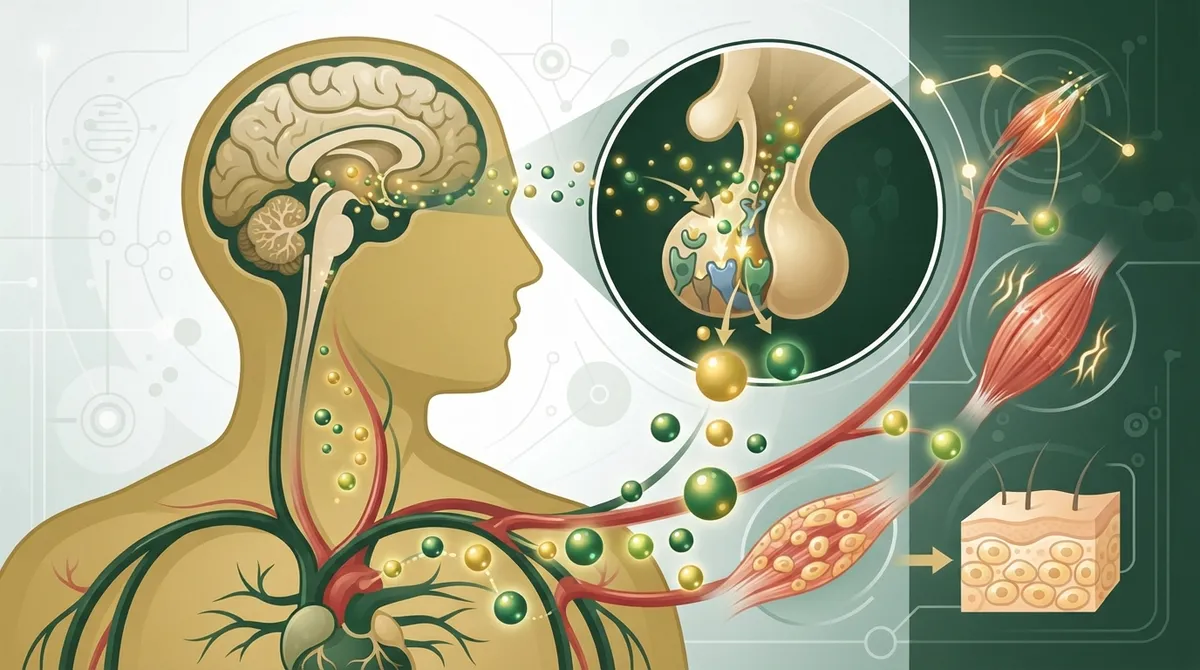
Ipamorelin is a small, lab-made peptide made of five amino acids, which is why scientists call it a pentapeptide. It belongs to a category called growth hormone secretagogues. In plain English, that means it tells your pituitary gland to release more growth hormone on its own.
It does this by attaching to a receptor called GHSR-1a, which is the same receptor that responds to ghrelin, your body’s natural “hunger hormone.” When ipamorelin binds to this receptor, it triggers a burst of growth hormone release, similar to the natural pulses your body produces during deep sleep and exercise.
This is different from taking synthetic human growth hormone directly. Ipamorelin peptide therapy encourages your own pituitary gland to do the work, which many people find appealing. If you want to understand the bigger picture of how these molecules function in the body, this guide on what are peptides in 2026 is a helpful place to start. You can also check out this overview of what are peptides for a general medical explanation.
Why Ipamorelin Stands Out From Older Peptides
Older growth hormone secretagogues, like GHRP-6, often came with unwanted side effects. They tended to raise cortisol and prolactin levels, which isn’t ideal for people trying to reduce stress hormones or hormonal side effects.
Ipamorelin was developed to be more selective. Research published on ipamorelin as “the first selective growth hormone secretagogue” found it stimulates growth hormone release with minimal impact on cortisol and prolactin in the sources reviewed. That selectivity is a big reason it has become a preferred option in modern peptide therapy programs.
How Does Ipamorelin Work in the Body?
Let’s break this down into simple steps, because understanding the process makes the whole therapy feel a lot less mysterious.
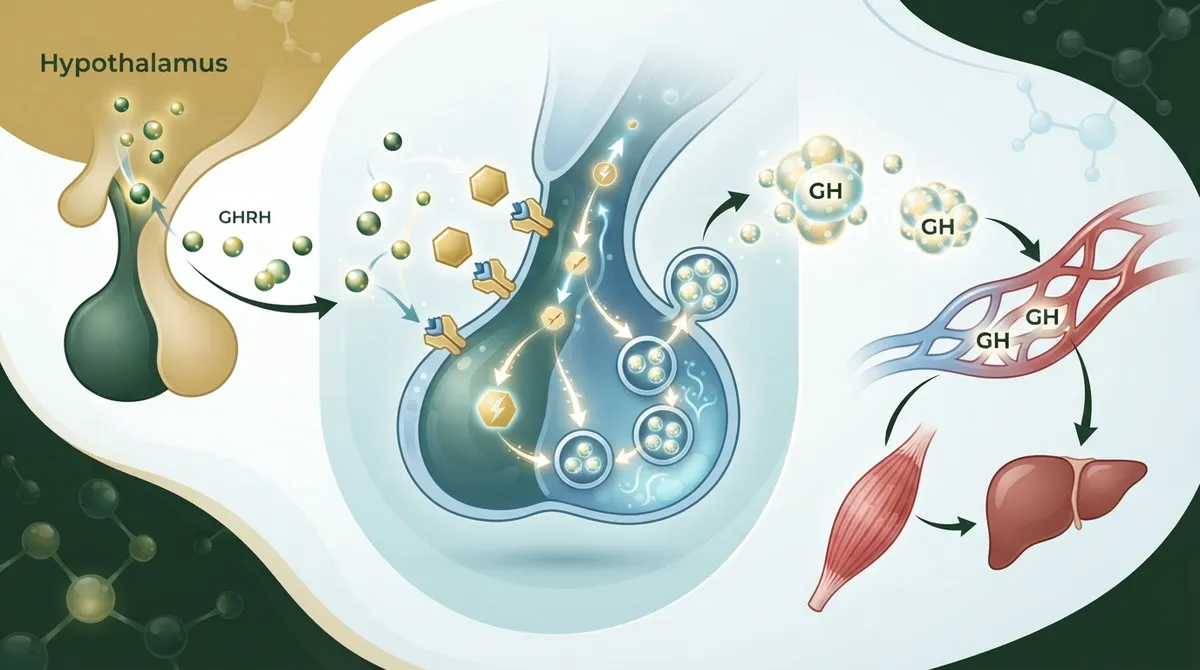
- Ipamorelin enters the bloodstream after a subcutaneous injection, usually in the belly fat or thigh.
- It travels to the pituitary gland and binds to the ghrelin receptor (GHSR-1a).
- This binding signals the pituitary to release a natural pulse of growth hormone.
- Growth hormone travels to the liver, where it stimulates the production of IGF-1.
- IGF-1 and growth hormone work together to support tissue repair, metabolism, and recovery throughout the body.
Because ipamorelin mimics your body’s natural growth hormone rhythm, many providers recommend taking it in the evening. This timing lines up with your body’s biggest natural growth hormone pulses, which happen during deep sleep.
Ipamorelin’s Half-Life and Dosing Basics
Ipamorelin has a fairly short half-life, around two hours, according to clinical peptide therapy sources. This is why it’s often dosed once or twice daily rather than as a single weekly injection.
Research-based dosing typically falls between 1 to 3 mcg per kilogram of body weight, given one to three times a day in study settings. In wellness and clinical practice, many protocols use doses closer to 200 to 300 micrograms per injection, though this varies based on individual goals and bloodwork.
| Factor | Typical Detail |
|---|---|
| Peptide Type | Synthetic pentapeptide, growth hormone secretagogue |
| Mechanism | Binds GHSR-1a to trigger natural growth hormone release |
| Half-Life | Approximately 2 hours |
| Common Dosing Range | 200-300 mcg per dose, 1-3 times daily (wellness protocols) |
| Administration | Subcutaneous injection, often in the evening |
| FDA Status | Not FDA-approved for routine therapeutic use |
Ipamorelin vs CJC-1295: What’s the Difference?
This is one of the most common questions people ask when they first start researching peptide therapy. Ipamorelin and CJC-1295 are often used together, but they aren’t the same thing.
- Ipamorelin is a growth hormone secretagogue that binds the ghrelin receptor to trigger a GH pulse.
- CJC-1295 is a growth hormone-releasing hormone (GHRH) analog, which works through a completely different receptor pathway.
- Together, they create a “one-two punch” effect on growth hormone release.
- Some clinical peptide sources report combining the two may increase growth hormone output by three to five times compared to ipamorelin alone.
- This combination is one of the most requested protocols in modern peptide therapy clinics.
If you’re curious how these stacked protocols compare to using a single peptide, this article on single peptides vs. peptide stacks breaks down the pros and cons in more detail.
Quick Comparison Table
| Peptide | Type | Primary Action |
|---|---|---|
| Ipamorelin | Ghrelin receptor agonist | Triggers pulsatile GH release |
| CJC-1295 | GHRH analog | Extends and amplifies GH release |
| Combined Stack | Dual mechanism | Synergistic GH stimulation |
Potential Benefits People Report
It’s important to be upfront here: published human trials specifically testing ipamorelin for anti-aging, muscle gain, or fat loss are limited. Most of what’s known comes from its mechanism of action, related growth hormone research, and real-world clinical experience. With that honesty in mind, here’s what people commonly hope to achieve with ipamorelin peptide therapy.
- Improved sleep quality and deeper rest cycles
- Better recovery after workouts or physical activity
- Support for lean muscle maintenance
- Healthier-looking skin and connective tissue
- Support for a more youthful metabolism
- General feelings of vitality and well-being
If your main goal is body composition, you may also want to explore this guide on peptides for fat loss that really work in 2026, or this resource on peptides for muscle gain worth knowing in 2026. These break down how different peptides, including ipamorelin, fit into broader wellness goals.
Who Tends to Ask About Ipamorelin?
In our experience working with clients, a few groups tend to be especially curious about this therapy.
- Busy professionals who want better sleep and energy without adding hours to their routine
- Aging adults hoping to maintain strength, skin quality, and vitality
- Biohackers who track labs and want data-driven optimization
- Wellness seekers already using supplements who want a more personalized option
- Health optimizers focused on recovery, resilience, and long-term function
Is Ipamorelin FDA-Approved?
This is a fair and important question, and the honest answer is no. Ipamorelin is not FDA-approved for routine human therapeutic use. It remains in an investigational category in many clinical contexts.
There was a completed Phase II clinical trial studying ipamorelin for postoperative ileus, a condition where the bowel temporarily stops functioning after surgery. However, that development program was later discontinued. According to a review published by the National Library of Medicine, human pharmacokinetic and pharmacodynamic data exist, but large-scale efficacy trials for anti-aging or performance goals are lacking.
This doesn’t mean ipamorelin is unsafe or ineffective. It simply means it should be used under medical supervision, with realistic expectations, and as part of a carefully monitored plan.
Safety, Side Effects, and Long-Term Use
Because ipamorelin is more selective than older secretagogues, many clinical sources describe it as having a favorable safety profile compared to earlier growth hormone-releasing peptides. That said, no peptide therapy is completely risk-free.
- Injection site redness or irritation is possible
- Water retention or mild swelling can occur in some people
- Headaches have been reported in some cases
- Long-term human safety data is still limited
- Ongoing monitoring through bloodwork is essential for safe use
This is exactly why working with a licensed provider matters so much. Regular lab work helps track hormone levels, IGF-1, and overall health markers, so your plan can be adjusted as needed. If you’re new to this space, this guide on how to start peptide therapy safely and see real results is worth reading before you begin.
Steps for Starting Ipamorelin Peptide Therapy Safely
- Schedule a virtual consultation with a licensed provider
- Complete bloodwork to establish your hormone and health baseline
- Review your goals, medical history, and any current medications
- Receive a personalized treatment plan based on your labs
- Get your peptides shipped directly to your home
- Follow ongoing monitoring and dosage adjustments over time
Why Personalized, Medically Supervised Care Matters
Peptide therapy isn’t one-size-fits-all, and ipamorelin is no exception. Your dose, timing, and whether it’s paired with something like CJC-1295 should depend on your bloodwork, your goals, and your health history.
This is where Allura Longevity comes in. As a telehealth wellness clinic, Allura Longevity offers personalized peptide therapy for both peptides for women and peptides for men, built around your individual labs and goals. The process starts with a simple $50 virtual consultation, followed by bloodwork through LabCorp. From there, licensed providers, led by board-certified Family Nurse Practitioner Ashley, design a customized six-month treatment plan delivered right to your door.
Care doesn’t stop after your first shipment. Ongoing monitoring and adjustments ensure your protocol keeps working as your body changes. Telehealth is available nationwide, with licensing in Florida, Georgia, Texas, Connecticut, Indiana, Maryland, New York, and California. If you’re comparing your options, this comparison of local clinic vs. telehealth peptide therapy can help you decide what fits your lifestyle best.
What Makes a Good Peptide Therapy Provider
- Requires bloodwork before prescribing any peptide
- Offers licensed medical providers, not just sales staff
- Builds truly personalized plans instead of generic protocols
- Provides ongoing check-ins and dose adjustments
- Ships peptides directly and discreetly to your home
- Is transparent about limited research and realistic expectations
Bringing It All Together
Ipamorelin peptide therapy offers an interesting, science-based approach to supporting your body’s natural growth hormone rhythm. It’s selective, generally well-tolerated in clinical use, and often paired with CJC-1295 for a stronger effect. Still, it’s not FDA-approved, and long-term research is limited, which makes medical guidance essential rather than optional.
Whether you’re a busy professional trying to sleep better, an aging adult wanting to feel more like yourself, or a biohacker chasing better labs, this therapy deserves a thoughtful, personalized approach. To learn more about your options, this deep dive into how to pick the best peptides for aging in 2026 is a great next read.
Ready to see if ipamorelin peptide therapy fits your goals? Request a consultation with Allura Longevity today and take the next step toward feeling like the healthiest version of yourself. Spots are limited each month, so don’t wait too long to reach out.
FAQs
Q: What is ipamorelin peptide therapy used for?
A: Ipamorelin peptide therapy is used to encourage your body’s natural growth hormone release, which many people pursue for better sleep, recovery, and overall vitality. It’s often part of a personalized wellness plan rather than a standalone quick fix. Think of it as giving your pituitary gland a gentle, friendly nudge.
Q: How does ipamorelin work to increase growth hormone?
A: Ipamorelin binds to a receptor called GHSR-1a in your pituitary gland, which triggers a natural pulse of growth hormone release. It works with your body’s own rhythm instead of replacing it, similar to what happens naturally during deep sleep. That’s part of why it’s such a popular topic in peptide therapy circles.
Q: Is ipamorelin FDA-approved?
A: No, ipamorelin is not currently FDA-approved for routine therapeutic use in humans. It remains an investigational compound in many clinical settings, so it’s important to work with a licensed provider who can guide you safely. We always recommend transparency here, because informed decisions are the best decisions.
Q: What is the difference between ipamorelin and CJC-1295?
A: Ipamorelin and CJC-1295 work through different pathways, but they’re often used together for a stronger effect. Ipamorelin triggers a growth hormone pulse through the ghrelin receptor, while CJC-1295 extends that signal through a separate growth hormone-releasing hormone pathway. Together, they’re one of the most popular combinations in peptide therapy today.
Q: Is ipamorelin safe for long-term use?
A: Ipamorelin is generally considered more selective and better tolerated than older growth hormone secretagogues, but long-term human safety data is still limited. That’s why ongoing bloodwork and medical supervision matter so much throughout treatment. A licensed provider can help you use it responsibly while keeping a close eye on your health.





