

Key Takeaways
-
Peptide therapy works by stimulating your body's own hormone production rather than replacing hormones directly, making it a gentler approach that works with your natural rhythm instead of overriding it.
-
The five most commonly used peptides—sermorelin, CJC-1295, ipamorelin, GHRP-2, and MK-677—each target growth hormone release differently, with sermorelin being ideal for beginners and ipamorelin offering targeted benefits without raising cortisol or hunger hormones.
-
Start peptide therapy through a structured process: book a consultation with a licensed provider, complete blood work to establish baseline hormone levels, receive a personalized treatment plan, and maintain regular monitoring for adjustments.
-
FDA-approved peptides have strong safety data from large trials, but many anti-aging peptides lack long-term research and systematic validation, making provider oversight and realistic expectations essential.
-
Combining peptides like CJC-1295 and ipamorelin often produces better results than single peptides alone because they target the pituitary gland from different angles for enhanced hormone stimulation.
-
Signs you may benefit include persistent fatigue despite sleep, slow muscle recovery, declining skin elasticity, reduced mental clarity, or blood work showing declining growth hormone levels.
Ever wonder why some people seem to glow with energy at 55 while others feel worn out at 40? A lot of it comes down to hormones. As we age, our bodies naturally produce less growth hormone, and that decline shows up as slower recovery, softer muscles, and skin that just doesn’t bounce back like it used to. The good news? You don’t have to just accept it. Peptide therapy offers a gentle, science-backed way to support your body’s own hormone production instead of just replacing what’s missing.
In this guide, we’ll walk through five key hormone-supporting peptides that people are turning to for youthful aging in 2026. We’ll keep things simple, explain what the research actually says, and help you figure out if this path makes sense for you. Whether you’re a busy professional squeezing in self-care between meetings or a wellness enthusiast who tracks every lab result, this one’s for you.

What Does “Hormones for Youthful Aging” Really Mean?
Here’s something that trips people up: peptides and hormones are not the same thing. Hormones are the actual chemical messengers your body makes, like growth hormone or testosterone. Peptides are small chains of amino acids that can tell your body to make more of its own hormones. Think of peptides as gentle nudges rather than direct replacements.
This distinction matters a lot when we talk about youthful aging. Traditional hormone replacement therapy hands your body the hormone directly. Peptide therapy, on the other hand, often works by waking up your pituitary gland so it starts producing growth hormone the way it did when you were younger. If you want to understand the basics further, this breakdown of what are peptides is a great place to start.
According to a 2024 review published in a peer-reviewed gerontology journal, peptide therapeutics can target several hallmarks of aging at once, including metabolic slowdown, tissue repair problems, and hormonal decline (National Library of Medicine). That’s a pretty big deal for anyone hoping to feel more like themselves again.
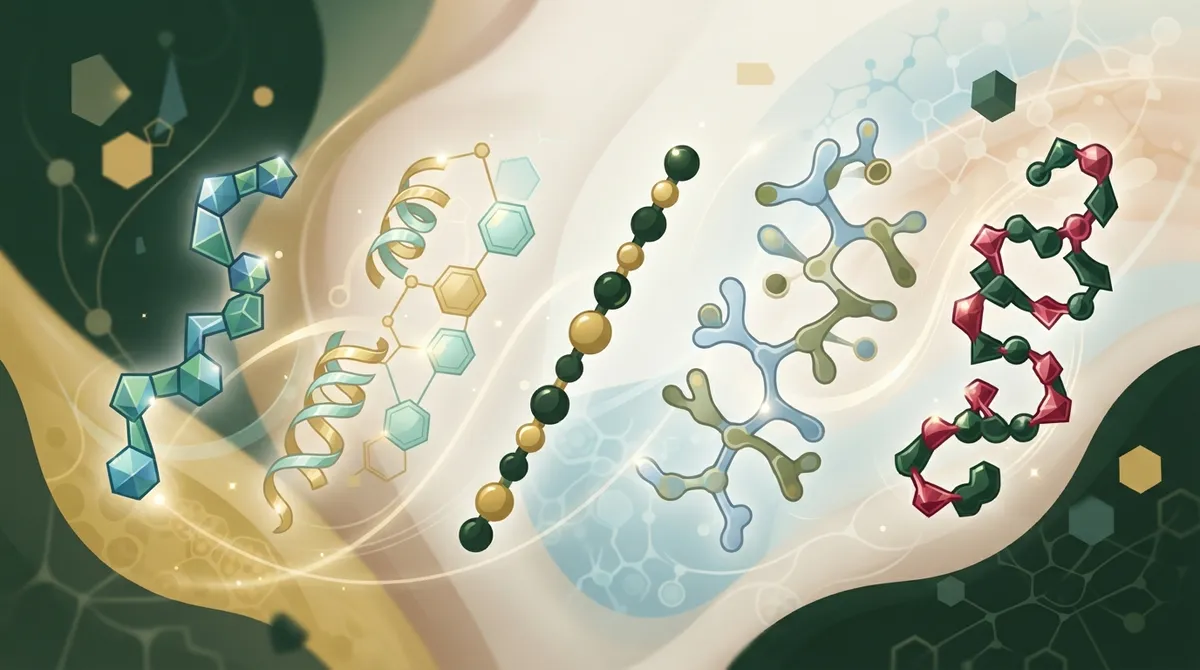
5 Peptides That Support Hormones for Youthful Aging
Let’s get into the good stuff. These five peptides are the ones most commonly discussed in longevity clinics today. Each one works a little differently, so we’ll break down what makes them unique.
1. Sermorelin
Sermorelin is often called the gateway peptide for hormone optimization, and for good reason. It mimics a natural hormone called growth hormone-releasing hormone (GHRH), which tells your pituitary gland to release more growth hormone on its own. Instead of flooding your system, it works with your body’s natural rhythm.
People using sermorelin often report better sleep, more energy, and improved recovery after workouts. Because it supports your body’s own pulsatile release pattern, many providers see it as one of the gentler options for those just starting out. If you’re curious about starting safely, check out this guide on how to start peptide therapy safely and see real results.
2. CJC-1295
CJC-1295 works similarly to sermorelin but tends to stick around longer in your system, which means fewer injections. It’s often paired with other peptides to create a stronger, longer-lasting effect on growth hormone release.
Many people choose CJC-1295 for its steady support of lean muscle, fat metabolism, and skin quality. If you want a deeper dive into dosing and safety, this article on how to use CJC-1295 peptide safely for real results covers the essentials.
3. Ipamorelin
Ipamorelin is known for being one of the more targeted options in this category. It stimulates growth hormone release without significantly raising cortisol or hunger hormones, which is a common concern with older-generation peptides.
This makes ipamorelin a popular choice for people who want the benefits of growth hormone support without unwanted side effects. Learn more about its full profile in this resource on ipamorelin peptide therapy benefits, dosing, and safety.
4. GHRP-2
Growth hormone releasing peptide-2, or GHRP-2, is another secretagogue that stimulates the pituitary gland. It’s sometimes used alongside CJC-1295 to create what’s called a peptide stack, which can amplify results.
GHRP-2 has been studied for its effects on appetite regulation, tissue repair, and body composition. As always, working with a licensed provider ensures the dosing fits your specific goals and lab results.
5. MK-677
MK-677, technically not a peptide but often grouped with this category, is an oral growth hormone secretagogue. Some clinics market it as a way to raise growth hormone and IGF-1 levels, which are linked to cell repair, muscle tone, and a more youthful appearance.
It’s worth noting this is a clinic-level claim rather than an official medical guideline, so it’s important to have realistic expectations and proper monitoring. To weigh your options between single peptides and combinations, take a look at single peptides vs. peptide stacks: which wins?
Comparing the Top Peptides for Hormone Support
| Peptide | Primary Function | Common Benefits | Administration |
|---|---|---|---|
| Sermorelin | Stimulates natural GH release | Better sleep, energy, recovery | Injection |
| CJC-1295 | Extended GH stimulation | Lean muscle, fat metabolism | Injection |
| Ipamorelin | Targeted GH release | Muscle tone, minimal side effects | Injection |
| GHRP-2 | Pituitary stimulation | Tissue repair, appetite support | Injection |
| MK-677 | Oral GH secretagogue | IGF-1 support, skin and muscle | Oral |
How Peptide Therapy Differs from Traditional Hormone Replacement
This is one of the most common questions we hear. Traditional hormone replacement therapy, like estrogen or testosterone pellets, delivers the hormone straight into your bloodstream. Peptide therapy takes a different approach by encouraging your own glands to do the work.
Both paths have their place, and sometimes they’re even used together. If you’re weighing your options, this comparison of bioidentical hormones and peptides can help you understand which fits your goals better. For men specifically exploring testosterone options, this guide on the real benefits of hormone therapy for men is a helpful read.
What the Research Actually Shows
Let’s be honest with each other here, because that’s what friends do. Not every anti-aging peptide has mountains of long-term data behind it. The evidence is genuinely mixed, and it’s important to know the difference.
- AgingBase, a research database, has cataloged 282 experimentally validated anti-aging peptides pulled from 54 research articles and 236 patents.
- A 2024 gerontology review identified nine peptides spanning areas like metabolic restoration, telomere biology, tissue repair, and growth hormone modulation.
- FDA-approved peptide agents have shown strong safety profiles in large trials, sometimes involving more than 11,000 patients.
- Non-approved anti-aging peptides often lack that same long-term safety data and systematic validation.
- Cosmetic peptide research shows promise for skin firmness and wrinkle reduction, though results vary by formulation.
This is exactly why working with a licensed medical provider matters so much. They can help you understand which peptides have stronger evidence and which are still considered more experimental. For a broader look at general safety, this article on is peptide therapy safe? what you really need to know is worth bookmarking.
Signs You Might Benefit from Hormone-Supporting Peptides
How do you know if this path is right for you? Here are some common signs people notice before starting peptide therapy for youthful aging.
- You feel tired even after a full night’s sleep.
- Your muscle recovery after exercise has slowed down noticeably.
- You’ve noticed changes in skin elasticity or texture.
- Your motivation and mental clarity aren’t what they used to be.
- Blood work shows declining growth hormone or related markers.
If any of these sound familiar, it might be worth exploring how to pick the best peptides for aging in 2026. Remember, everyone’s body is different, and what works wonders for your neighbor might not be the right fit for you.
How to Get Started the Right Way
Starting peptide therapy doesn’t have to feel overwhelming. Here’s a simple, step-by-step path that most reputable telehealth clinics follow.
- Book an initial virtual consultation with a licensed provider.
- Complete comprehensive blood work to understand your current hormone levels.
- Review your results with your provider to identify goals and gaps.
- Receive a personalized treatment plan tailored to your labs and lifestyle.
- Get your peptides delivered to your home for convenient self-administration.
- Check in regularly with your provider for monitoring and adjustments.
At Allura Longevity, this process starts with a simple $50 virtual consultation and blood work through LabCorp. From there, our team, led by board-certified Family Nurse Practitioner Ashley, builds a customized six-month plan just for you. We’re proud to serve clients across Florida, Georgia, Texas, Connecticut, Indiana, Maryland, New York, and California, all through convenient telehealth visits.
Who Benefits Most from This Approach
Peptide therapy for hormone support tends to resonate with a few different types of people, and you might see yourself in more than one.
- Busy professionals who want effective care without constant in-person visits
- Aging adults looking to maintain energy and reduce visible signs of aging
- Biohackers who track labs closely and want data-driven protocols
- Wellness seekers already investing in supplements who want to go further
- Anyone curious about peptides for women or peptides for men as part of a longevity plan
Common Peptide Pairings for Enhanced Results
Many providers combine peptides to create a more complete effect, since certain combinations work better together than any single peptide alone. For example, CJC-1295 and ipamorelin are frequently paired because they target the pituitary gland from slightly different angles. To learn why these combinations often outperform single options, take a look at why do peptide combinations work better together?
It’s also worth understanding how growth hormone peptides fit into the bigger picture of longevity medicine. This resource on growth hormone peptides: what they are and how they work breaks it down in plain language.
A Quick Look at Safety Considerations
| Category | FDA-Approved Peptides | Non-Approved / Experimental Peptides |
|---|---|---|
| Safety Data | Strong, large-scale trials | Limited long-term data |
| Regulation | Standardized dosing | Varies by clinic and source |
| Monitoring | Established protocols | Requires close provider oversight |
| Typical Use | Specific medical conditions | Wellness and anti-aging goals |
Understanding what are peptides and how they’re regulated can help you make more informed choices as you explore these options.
Why Personalized Plans Matter So Much
No two bodies age exactly the same way, which is why cookie-cutter protocols rarely work well. Your hormone levels, lifestyle, stress levels, and genetics all play a role in how you respond to peptide therapy. That’s why comprehensive lab work through LabCorp and ongoing monitoring make such a big difference in results.
A personalized plan also means adjustments over time. As your body responds, your provider can fine-tune dosing to keep you moving toward your goals. This kind of attentive care is exactly what sets apart a trustworthy telehealth peptide provider from a generic, one-size-fits-all approach.
Final Thoughts on Hormones for Youthful Aging
Aging is a journey, not a race, and there’s no shame in wanting to feel your best at every stage of life. Peptides that support your body’s natural hormone production offer a thoughtful, personalized path toward more energy, better recovery, and healthier-looking skin. The key is working with licensed providers who understand your unique health picture and can guide you safely.
If you’re ready to explore what hormone-supporting peptide therapy could look like for you, our team at Allura Longevity is here to help. Spots fill up each month, so don’t wait too long to get started. Request a consultation today and take the first step toward feeling like yourself again, or give us a call at (813) 510-6277 to speak with our team directly.
FAQs
Q: What does “hormones for youthful aging” mean in peptide therapy?
A: It usually refers to peptides that gently encourage your body to produce more of its own growth hormone, rather than replacing hormones directly. Think of it as waking up your body’s natural systems instead of overriding them. It’s a friendlier, more personalized approach to feeling youthful again.
Q: Which peptides are used to support growth hormone and IGF-1?
A: The most common ones are sermorelin, CJC-1295, ipamorelin, and GHRP-2, with MK-677 often mentioned too. Each works a little differently, but they all aim to boost your body’s natural growth hormone pulses. Your provider can help you figure out which one fits your goals best.
Q: How is peptide therapy different from hormone replacement therapy?
A: Hormone replacement therapy gives your body the hormone directly, while peptide therapy nudges your own glands to make more of it. It’s kind of like the difference between handing someone a fish versus teaching them to fish. Both have their place depending on your unique needs.
Q: Are anti-aging peptides safe for long-term use?
A: FDA-approved peptides tend to have strong safety data from large trials, but many anti-aging peptides are still considered experimental with limited long-term research. That’s exactly why working with a licensed provider for monitoring and dosing adjustments matters so much. Safety always comes first, friend.
Q: What evidence supports peptide therapy for longevity or healthy aging?
A: Research is growing, with one 2024 review identifying nine peptides tied to various aging processes, and databases cataloging hundreds of studied anti-aging peptides. That said, the evidence is still mixed for non-approved uses, so realistic expectations matter. It’s a promising field, but not a magic fix.





