

Key Takeaways
-
GHK-Cu and Matrixyl are the most research-backed peptides for skin aging, with GHK-Cu supported by over 50 human studies showing increased skin thickness and reduced fine lines, though they're gentler alternatives to retinoids rather than replacements.
-
Most anti-aging peptides lack FDA approval for aging specifically; SS-31 is FDA-approved only for rare Barth syndrome, so realistic expectations about regulatory status and clinical evidence are essential before starting therapy.
-
Personalization is critical because blood work reveals individual hormone imbalances, skin type variations, and metabolic differences that make one-size-fits-all protocols ineffective for most people.
-
SS-31 shows strong clinical promise for mitochondrial health and cellular energy decline, addressing fatigue and recovery—though broader anti-aging claims require more research before confident recommendations.
-
Following a structured approach with comprehensive blood work, licensed provider consultation, and six-month monitored plans delivers better results than choosing peptides based on trends or starting without baseline health data.
-
Growth hormone peptides like CJC-1295 and ipamorelin show emerging evidence for sleep and recovery improvements, but their anti-aging claims are less rigorously proven than marketing suggests, requiring grounded expectations.
Let’s be honest: aging happens to all of us, but nobody said we can’t age well. If you’ve spent any time scrolling through wellness forums or chatting with your gym buddies, you’ve probably heard whispers about peptides being the next big thing for turning back the clock. And here’s the good news: there’s actual science behind some of this excitement, even if the hype sometimes gets ahead of the research.
Whether you’re a busy professional trying to squeeze more energy out of your day, a biohacker who tracks every metric imaginable, or someone simply noticing more fine lines in the mirror, you deserve real answers. This guide breaks down the best peptides for aging based on current evidence, not marketing fluff. We’ll cover skin-focused options, mitochondrial support, immune peptides, and growth hormone stimulators, so you can have an informed conversation with your provider. Think of this as your friendly, no-nonsense roadmap to understanding what’s actually backed by research versus what’s just wishful thinking.
What Are Peptides and Why Do They Matter for Aging
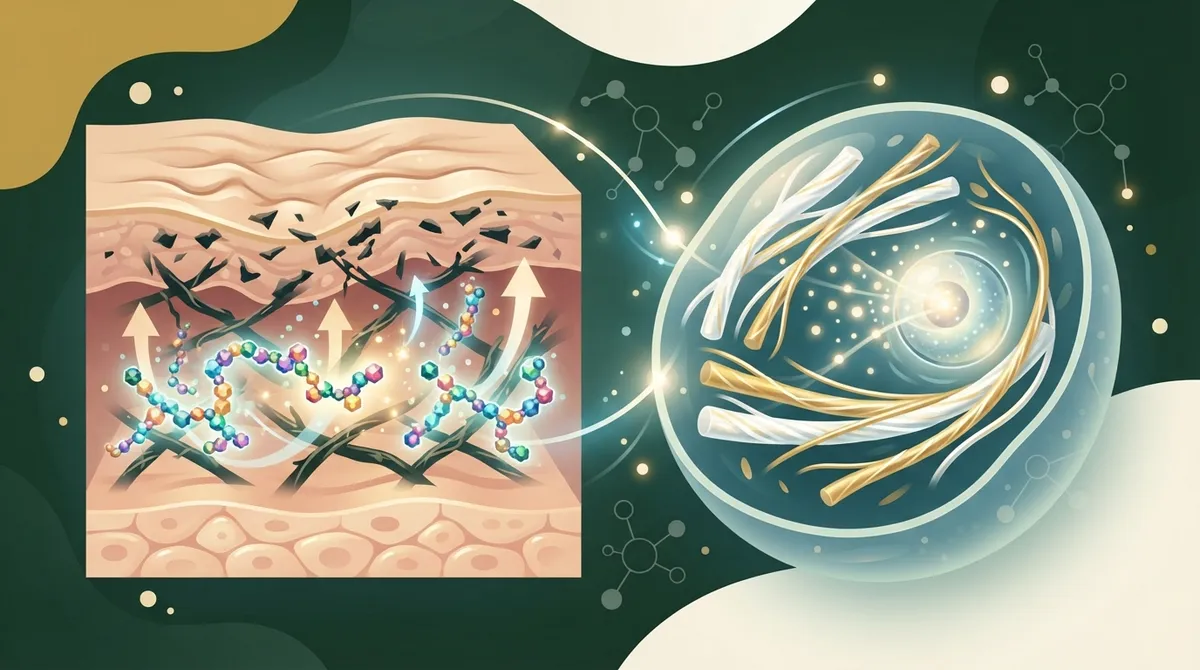
Peptides are short chains of amino acids that act like tiny messengers in your body. They tell your cells what to do, whether that’s producing more collagen, repairing tissue, or regulating hormones. If you want a deeper dive, what are peptides explains the basics in plain language.
As we age, our natural peptide production slows down. This decline contributes to thinner skin, slower recovery, lower energy, and weaker immune responses. That’s where peptide therapy comes in: it can help support your body’s own repair systems rather than replacing them entirely.
If you want a broader overview of how these molecules work in the body, check out 8 Facts That Explain What Are Peptides in 2026 for a friendly breakdown.

The Honest Truth About Anti-Aging Peptides
Here’s something you deserve to know upfront: there is no single peptide crowned as the ultimate anti-aging miracle. The best choice depends entirely on your specific goals. Are you trying to smooth skin? Boost energy? Support your immune system? Each goal points to a different peptide.
Most anti-aging peptides are not FDA-approved specifically for aging. Some, like SS-31, have strong clinical backing for narrow medical uses but not for general anti-aging claims. Understanding this distinction helps you set realistic expectations and avoid wasting money on unproven products.
Why Personalization Matters So Much
Your biology is unique. Your hormone levels, skin condition, and metabolic health all play a role in which peptides might actually help you. This is why cookie-cutter protocols rarely deliver the results people hope for.
- Blood work reveals hormone imbalances that generic plans miss
- Skin type and collagen levels vary widely between individuals
- Lifestyle factors like sleep and stress affect how peptides perform
- Age-related changes differ significantly between men and women
- Existing health conditions may require dosage adjustments
Top Peptides for Skin Aging and Collagen Support
If your main concern is fine lines, sagging skin, or dullness, these two peptides have the most research behind them.
GHK-Cu: The Copper Peptide Powerhouse
GHK-Cu, also known as copper peptide, is one of the most studied cosmetic peptides available today. Reviews cite over 50 published human studies supporting its use for skin health. A notable 12-week clinical study found that GHK-Cu increased skin thickness and reduced the appearance of fine lines.
This peptide works by supporting collagen production and encouraging natural tissue repair. It’s often used topically in serums, though some providers incorporate it into broader treatment plans focused on skin rejuvenation.
Matrixyl: The Cosmetic Classic
Matrixyl, technically called palmitoyl pentapeptide-4, is another topical peptide with solid backing from controlled human studies. It’s frequently added to anti-aging creams because it helps improve the appearance of fine lines over time.
While Matrixyl and GHK-Cu are both strong options, current research still notes they don’t match the extensive evidence base behind retinoids for skin aging. That said, many people prefer peptides because they tend to cause less irritation than retinol.
Peptides for Mitochondrial Health and Cellular Energy
Aging isn’t just about skin. Your cells’ energy factories, called mitochondria, also decline over time. This decline contributes to fatigue, slower recovery, and reduced physical performance.
SS-31 (Elamipretide): The Clinical Leader
SS-31 stands out as the most clinically advanced peptide for mitochondrial biology. It’s FDA-approved for treating Barth syndrome, a rare mitochondrial disease, though it isn’t approved for general anti-aging use.
Research published through the National Library of Medicine highlights how mitochondrial-targeted peptides may influence age-related cellular decline. This is promising territory, though more research is needed before broader anti-aging claims can be made confidently.
Peptides for Longevity and Cellular Aging
Some peptides target aging at a deeper, cellular level, focusing on processes like telomere health and immune function.
Epithalon (Epitalon): The Telomere Talk
Epithalon gets a lot of buzz for its potential role in telomere biology, the protective caps on your DNA that shorten as you age. However, the evidence base remains limited compared to established treatments. It’s an interesting area of research, but patience and realistic expectations are key here.
Thymosin Alpha-1: The Immune Supporter
Thymosin alpha-1 is primarily known for its immune-modulating properties. It has broad international regulatory use, though it isn’t specifically approved for anti-aging purposes. For people whose main concern is immune resilience as they age, this peptide is worth discussing with a licensed provider.
Growth Hormone Peptides: CJC-1295 and Ipamorelin
You’ve probably heard these names tossed around in gym locker rooms or biohacking podcasts. CJC-1295 and ipamorelin are used in some regenerative medicine settings to stimulate natural growth hormone release.
While they’re popular, it’s worth noting their anti-aging claims are less rigorously proven than marketing often suggests. That doesn’t mean they’re not useful. Many clients report improvements in sleep quality, recovery, and body composition. It just means expectations should stay grounded in what research actually shows.
Comparing the Top Anti-Aging Peptides
Here’s a quick comparison to help you understand where each peptide shines.
| Peptide | Primary Focus | Evidence Strength | FDA Status |
|---|---|---|---|
| GHK-Cu | Skin aging, collagen | Strong (50+ studies) | Not approved for aging |
| Matrixyl | Fine lines, skin texture | Moderate to strong | Cosmetic use only |
| SS-31 | Mitochondrial function | Strong (clinical) | Approved for Barth syndrome |
| Epithalon | Telomere biology | Limited | Not approved |
| Thymosin Alpha-1 | Immune support | Moderate | International use only |
| CJC-1295/Ipamorelin | Growth hormone release | Emerging | Not approved for aging |
How to Choose the Right Peptide for Your Goals
Choosing the right peptide isn’t a guessing game. Follow these steps to make a smart, informed decision.
Step-by-Step Approach to Getting Started
- Get comprehensive blood work done to understand your current hormone and health markers
- Identify your primary goal, whether it’s skin health, energy, immune support, or muscle recovery
- Consult with a licensed provider who can interpret your labs and health history
- Discuss realistic expectations and timelines for seeing results
- Start with a personalized plan rather than a generic, one-size-fits-all protocol
- Monitor progress with follow-up labs and adjust dosages as needed
- Stay consistent with administration and lifestyle habits that support the therapy
This is exactly the kind of process Allura Longevity follows with every client. It starts with a simple $50 virtual consultation, followed by blood work through LabCorp, and results in a customized six-month plan delivered right to your door. If you’re ready to explore your options, you can request a consultation and get matched with a licensed provider who actually listens.
Common Mistakes People Make With Anti-Aging Peptides
Even well-intentioned people stumble when starting peptide therapy. Here are the most frequent missteps to avoid.
- Expecting overnight results instead of gradual, consistent improvement
- Skipping blood work and guessing at dosages
- Buying unregulated peptides from questionable online sources
- Ignoring lifestyle factors like sleep, nutrition, and stress management
- Choosing peptides based on trends rather than personal health needs
- Not working with a licensed medical provider for guidance
For a deeper look at getting started the right way, this guide on How to Start Peptide Therapy Safely and See Real Results walks through the essentials in more detail.
Peptides for Men vs Women: Does It Matter
Aging affects men and women differently, and peptide protocols often reflect that. Hormonal shifts, muscle mass changes, and skin aging patterns vary by sex, which is why personalized plans matter so much.
Allura Longevity offers tailored programs for both peptides for women and peptides for men, recognizing that a 50-year-old woman’s needs look nothing like a 35-year-old man’s needs. This kind of customization is what separates effective therapy from guesswork.
Beyond Anti-Aging: Related Peptide Therapy Goals
Many clients seeking anti-aging support also have overlapping goals like fat loss, muscle recovery, or better energy levels. If any of these resonate with you, these resources might help round out your understanding:
- 13 Peptides for Fat Loss That Really Work in 2026
- 14 Peptides for Muscle Gain Worth Knowing (2026)
- How to Pick Peptides for Energy That Actually Work
- What Are Regenerative Medicine Peptides, and Do They Work?
Why Telehealth Makes Peptide Therapy More Accessible
Not everyone has time to sit in a waiting room every few weeks. That’s the beauty of telehealth-based peptide therapy. You can complete labs locally, chat with your provider from your couch, and have your treatment shipped directly to your home.
This convenience matters, especially for busy professionals and wellness seekers juggling packed schedules. If you’re curious how telehealth stacks up against traditional in-person clinics, this comparison on Local Clinic vs. Telehealth: Best Peptide Therapy Near You? breaks it down clearly.
Allura Longevity’s approach, led by board-certified Family Nurse Practitioner Ashley, combines the convenience of telehealth with the rigor of ongoing monitoring. Licensed providers track your progress and adjust your plan over the full six-month journey, so you’re never left guessing whether it’s working.
Setting Realistic Expectations for Results
Peptide therapy isn’t magic, and it’s not instant. Most clients notice gradual improvements over weeks to months, not days. Skin texture changes, energy boosts, and recovery improvements tend to build steadily rather than appear overnight.
Understanding this timeline helps you stay motivated and patient. For more insight into when results typically show up, check out When Do Peptide Therapy Before and After Results Show?
Final Thoughts on Choosing the Best Peptides for Aging
Aging gracefully doesn’t mean fighting the clock with unrealistic promises. It means making informed choices, supported by real science and personalized guidance. Whether you’re drawn to GHK-Cu for skin health, curious about mitochondrial peptides like SS-31, or interested in growth hormone support, the right choice depends on your unique body and goals.
The best path forward starts with real data, not guesswork. Blood work, a licensed provider, and a customized plan make all the difference between wasted effort and genuine results. Allura Longevity has built its entire approach around this principle, offering personalized peptide therapy that’s grounded in your actual health picture rather than trends.
Ready to feel more energized, look more vibrant, and age with confidence? Spots fill up quickly each month, so don’t wait too long. Request a consultation today and take the first step toward a personalized plan built just for you.
FAQs
Q: What are the best peptides for anti-aging skin?
A: GHK-Cu and Matrixyl are the two most well-studied peptides for skin aging, with strong evidence for boosting collagen and smoothing fine lines. They won’t replace retinoids entirely, but they’re a gentler option for many people. A licensed provider can help you decide which fits your skin goals best.
Q: Is GHK-Cu the most effective anti-aging peptide?
A: GHK-Cu is definitely one of the most researched options out there, with over 50 published human studies backing its skin benefits. That said, ‘most effective’ really depends on your specific goals, since it shines for skin health but isn’t designed for things like immune support or mitochondrial function. Think of it as a top pick for skin, not a universal fix.
Q: Are anti-aging peptides FDA-approved?
A: Most anti-aging peptides, including popular ones like Epithalon and CJC-1295, aren’t FDA-approved specifically for aging. Some, like SS-31, have FDA approval but only for very specific rare conditions. We always recommend chatting with a licensed provider to understand exactly what you’re getting into.
Q: Does SS-31 help with aging or longevity?
A: SS-31 has strong clinical research behind it for mitochondrial health, which does play a role in how our cells age over time. It’s FDA-approved for Barth syndrome, a specific mitochondrial disease, but not for general anti-aging use. It’s a promising area of research, and we’re excited to see where future studies take it.
Q: Are growth-hormone peptides like CJC-1295 and ipamorelin safe for anti-aging?
A: These peptides are used in regenerative medicine settings and many clients report benefits like better sleep and recovery. However, their anti-aging claims aren’t as rigorously proven as some marketing suggests, so it’s smart to keep expectations realistic. Working with a licensed provider ensures you’re using them safely and appropriately for your body.





