

Key Takeaways
-
Peptides are small amino acid chains that act as cellular messengers to trigger specific responses like collagen production, muscle repair, and hormone regulation—requiring personalized blood work and a licensed provider to determine the right peptide and dosage for your goals.
-
A 2026 systematic review found encouraging results for peptides reducing wrinkles, improving hydration and skin brightness, but elasticity results were inconsistent; safety was favorable, though larger clinical trials are still needed before definitive claims can be made.
-
Reputable anti-aging clinics require comprehensive blood work before treatment, involve licensed medical providers, and build customized plans—red flags include clinics skipping blood work, pressuring expensive add-ons, or offering vague answers about peptide sourcing.
-
Peptide therapy typically costs $150-$600 monthly plus $50-$400 for initial consultation and is not covered by insurance, so understanding what's included (lab testing, monitoring, shipping) is essential to avoid overpaying for generic protocols.
-
Beyond skin benefits, many clients report improved daily energy, better sleep quality, faster post-workout recovery, sharper mental focus, and improved body composition—benefits that extend peptide therapy's value beyond cosmetic aging concerns.
-
Avoid peptides not yet proven in human studies; Cedars-Sinai and Australian regulatory reports warn that many synthetic anti-aging peptides remain unproven and unapproved, so verify your provider can distinguish solid science from marketing hype.
Ever wonder why your friend suddenly has that healthy glow, better energy, and seems to bounce back faster from workouts? There’s a good chance anti aging clinic peptides are part of her secret. These tiny protein chains are changing how we think about aging, and they’re becoming a go-to option for people who want real results without invasive procedures.
If you’re curious about what anti aging clinic peptides actually do, how safe they are, and whether they’re worth your money, you’re in the right place. We’ll walk through the science, the real benefits, the honest risks, and how to find care you can trust. Grab a cup of coffee and let’s dig in together.

What Are Anti Aging Clinic Peptides, Exactly?
What are peptides, you ask? They’re small chains of amino acids that act like tiny messengers in your body. Think of them as text messages your cells send to each other, telling them what to do next.
In an anti aging clinic setting, peptides are used to try to spark specific responses in your body. Some encourage your skin to make more collagen. Others may support muscle repair or help regulate hormones tied to energy and recovery. Learning more about the basics can help, and this guide on 8 Facts That Explain What Are Peptides in 2026 is a great starting point.
How These Treatments Are Typically Delivered
Most anti aging clinic peptides are given through small subcutaneous injections, similar to how someone might take insulin. But that’s not the only option available today.
- Injectable peptides delivered under the skin at home
- Topical creams and serums applied directly to skin
- Oral peptide supplements in capsule form
- Nasal sprays for certain specific compounds
- Compounded formulations mixed for individual needs
Your provider will recommend the delivery method based on your goals, your blood work, and what the science actually supports for that particular peptide.
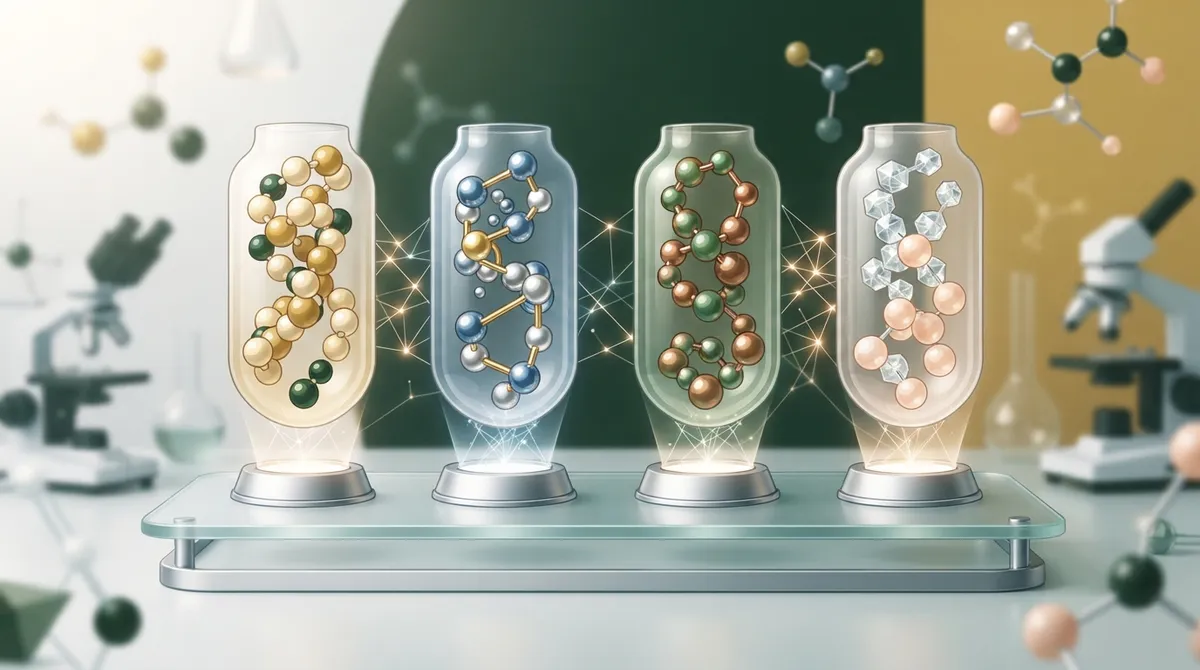
Common Peptides Used in Anti Aging Medicine
Not all peptides are created equal, and it helps to know which ones have real backing versus which ones are still experimental. Here’s a helpful breakdown.
| Peptide | Common Use | Evidence Level |
|---|---|---|
| Sermorelin | Growth hormone support, energy, recovery | Well-established medical use |
| Tesamorelin | Growth hormone related goals, body composition | FDA-approved for specific indication |
| BPC-157 | Tissue repair, gut health, recovery | Limited human evidence, not FDA-approved |
| TB-500 | Injury recovery, inflammation support | Limited human evidence, not FDA-approved |
| MOTS-c | Metabolism, cellular energy | Early research stage |
| GHK-Cu | Skin rejuvenation, collagen support | Growing topical evidence |
If you’re curious about tissue repair peptides specifically, this piece on 13 Facts About TB-500 Peptide You Need in 2026 breaks down what’s known and what’s still unproven. And for those exploring BPC-157 more closely, check out 9 BPC-157 Peptide Facts to Know Before You Start.
Do Peptides Actually Help With Wrinkles and Skin Aging?
This is probably the question we get asked the most. Let’s be honest with you, because that’s what friends do.
A 2026 systematic review looked closely at oral and topical peptides for skin aging. The findings were genuinely encouraging for several visible signs of aging, especially hydration, wrinkle reduction, roughness, and overall brightness. Elasticity and skin density results were less consistent, so it’s not a magic fix for everything.
The good news? Safety and tolerability looked favorable across the studies reviewed. That said, researchers are clear that we need larger clinical trials before we can call these results definitive. For a deeper dive into how peptides trigger your skin’s natural collagen response, take a look at How to Trigger Collagen Stimulation With Peptides.
What the Research Says About Safety
Here’s where we need to slow down and be careful. Cedars-Sinai has pointed out that newer synthetic peptides haven’t been proven to work in humans the same way our body’s natural peptides do. They’ve even warned that some of these compounds could cause more harm than good.
An Australian regulatory report echoed this concern in 2026, stating plainly that many anti-aging industry peptides remain unproven and unapproved. That doesn’t mean every peptide is risky. It means you need a provider who knows the difference between solid science and marketing hype.
Steps to Starting Anti Aging Clinic Peptides Safely
Jumping into peptide therapy without a plan is a bit like trying to bake a cake without a recipe. You might get lucky, but why risk it? Here’s a simple roadmap.
- Schedule a consultation with a licensed provider who reviews your health history
- Complete blood work to identify hormone levels, deficiencies, and health markers
- Discuss your specific goals, whether that’s energy, skin, recovery, or overall vitality
- Receive a personalized treatment plan based on your actual lab results
- Start your peptides with clear dosing instructions and administration guidance
- Attend follow-up check-ins so your provider can adjust your plan as needed
This process matters more than people realize. For a full walkthrough, this article on How to Start Peptide Therapy Safely and See Real Results covers each step in detail.
Why Blood Work Comes First
You wouldn’t take medication for a condition you don’t have, right? The same logic applies here. Blood work through a lab like LabCorp helps your provider see what’s actually going on inside your body.
This information guides which peptides make sense for you, at what dose, and for how long. It’s the difference between guessing and knowing. According to the National Library of Medicine, personalized dosing based on individual biology tends to produce more consistent outcomes than one-size-fits-all approaches.
How Much Does Peptide Therapy Cost?
Let’s talk money, because nobody likes surprises on their bill. Anti aging clinic peptides are generally not covered by insurance, so you’ll be paying out of pocket.
| Cost Category | Typical Range |
|---|---|
| Initial consultation fee | $50 to $400 |
| Monthly peptide treatment | $100 to $600 |
| Blood work and lab testing | Often included in program pricing |
| Follow-up monitoring visits | Included with most treatment plans |
Pricing varies a lot depending on the clinic, the specific peptides used, and whether ongoing monitoring is bundled into your plan. For a closer look at avoiding overpriced or misleading programs, check out 6 Hormone Therapy Cost Mistakes That Drain Your Wallet.
What You Get for Your Investment
A quality anti aging clinic peptides program should feel like more than just a prescription. You should feel supported.
- A dedicated licensed provider who reviews your case personally
- Lab testing to track your progress over time
- A customized plan built around your specific goals
- Peptides shipped directly to your home for convenience
- Ongoing adjustments as your body responds to treatment
Choosing a Reputable Anti Aging Clinic
Not every clinic offering peptides is created equal. Some rush you through, sell you a generic protocol, and disappear when you have questions. That’s not what good care looks like.
Red Flags to Watch For
- No blood work required before starting treatment
- Vague answers when you ask about peptide sourcing
- Pressure to buy expensive add-ons immediately
- No licensed medical provider involved in your care
- Unclear return or refund policies for unused product
If a clinic can’t clearly explain why they’re recommending a specific peptide for your specific situation, that’s worth pausing on. Trustworthy care always starts with listening to you first.
What Good Care Actually Looks Like
At Allura Longevity, care starts with a simple $50 virtual consultation, followed by blood work through LabCorp. From there, licensed providers, led by Ashley, a board-certified Family Nurse Practitioner, build a customized six-month plan just for you. Everything ships straight to your door, and your care team stays with you through ongoing monitoring and adjustments.
This telehealth approach means you don’t need to live near a physical clinic to get expert care. Allura Longevity serves clients across Florida, Georgia, Texas, Connecticut, Indiana, Maryland, New York, and California, making quality peptide therapy accessible no matter your schedule. If you’re weighing your options, this comparison of Local Clinic vs. Telehealth: Best Peptide Therapy Near You? can help you decide what fits your life best.
Beyond Skin Deep: Other Benefits People Notice
While skin rejuvenation gets a lot of attention, anti aging clinic peptides are often used for much more. Many clients report improvements they didn’t even expect when they started.
- More consistent daily energy and less afternoon crashing
- Better quality sleep and easier mornings
- Faster recovery after workouts or minor injuries
- Sharper mental focus and reduced brain fog
- Improved muscle tone and body composition over time
If mental clarity is a priority for you, this article on Why Does Brain Fog Lift With Peptide Therapy? explains the connection in simple terms. And if energy is your main goal, How to Pick Peptides for Energy That Actually Work is worth a read too.
Peptides and Long-Term Wellness Goals
Aging well isn’t just about how you look. It’s about how you feel, move, and function every single day. Many people exploring anti aging clinic peptides are really searching for a way to feel like themselves again, just with a bit more spring in their step.
Whether your goal is sharper focus for a demanding career, faster recovery from your weekend hikes, or simply waking up without dreading the day, personalized peptide therapy can support that bigger picture. It’s not about chasing perfection. It’s about function, vitality, and feeling good in your own skin.
Ready to Explore Your Options?
Anti aging clinic peptides aren’t a fountain of youth, but for many people, they’re a genuinely helpful tool when used correctly and safely. The key is working with providers who base your plan on real lab data, not guesswork or trends. Whether you’re focused on skin, energy, recovery, or overall vitality, the right approach starts with understanding your own body first.
Spots for new clients open up each month, and they tend to fill quickly. If you’re ready to see what a personalized plan could look like for you, request a consultation with Allura Longevity’s licensed care team today, or give them a call at (813) 510-6277 to get started.
FAQs
Q: What are anti aging clinic peptides used for?
A: They’re commonly used to support skin rejuvenation, energy, muscle recovery, and overall vitality. Think of them as helpers that encourage your body to do things it already knows how to do, just a little better and faster.
Q: Are peptide injections safe for anti aging purposes?
A: Many well-studied peptides have solid safety records when prescribed and monitored by a licensed provider. Newer, less-studied compounds carry more uncertainty, so working with a trusted telehealth clinic that reviews your blood work first really matters.
Q: Which anti aging peptides are FDA-approved?
A: Sermorelin and tesamorelin are tied to more established, FDA-approved medical uses related to growth hormone support. Many other popular peptides, like BPC-157 or TB-500, are not FDA-approved for general anti-aging use, so it’s smart to ask your provider directly.
Q: How much does peptide therapy cost at an anti aging clinic?
A: Costs typically range from about $150 to $600 per month, plus an initial consultation fee. Pricing depends on the specific peptides used and whether lab work and monitoring are included in your plan.
Q: How do I choose a reputable peptide therapy clinic?
A: Look for clinics that require blood work, involve licensed medical providers, and build truly personalized plans instead of one-size-fits-all protocols. A good clinic will happily explain why they’re recommending something specific for you, not just sell you a package.





