

Key Takeaways
-
Semax has the strongest human evidence for cognitive support through BDNF signaling and dopamine activity, making it the leading peptide choice for focus and recall improvements.
-
Mental clarity improvements typically appear within 2-4 weeks, though personalized protocols built on actual blood work and guided by licensed providers yield the best realistic results.
-
No peptide is FDA-approved for brain fog or cognitive enhancement yet; claims of effects within hours or days lack large independent trial backing and should be treated as anecdotal.
-
Brain fog rarely has one cause—personalized treatment plans must address individual root causes like poor sleep, hormone imbalance, or stress rather than using one-size-fits-all approaches.
-
Selank works best for stress-driven brain fog by modulating anxiety through GABA and serotonin pathways, while BPC-157 lacks sufficient human trial evidence for cognitive benefits despite marketing claims.
-
Working with licensed providers and sourcing peptides from regulated pharmacies is critical; self-administering without guidance significantly increases safety risks and reduces effectiveness.
You know that feeling when your brain just won’t cooperate? You walk into a room and forget why you’re there. You reread the same email three times. You feel tired even after eight hours of sleep. If this sounds familiar, you’re not alone, and you’re definitely not broken. More people are turning to peptide therapy for mental clarity, and the science behind why it may help is actually pretty fascinating.
In the peptide therapy world, mental clarity means something specific. It’s about sharper focus, faster thinking, better recall, and less of that heavy, foggy feeling in your head. It’s not a medical diagnosis. It’s how real people describe feeling like themselves again. Let’s walk through what the research actually shows, which peptides come up most often, and how to think about this option with realistic expectations.

What Mental Clarity Really Means in Peptide Therapy
When clinics talk about mental clarity, they usually mean a mix of things working together. Think better attention span, quicker processing, improved memory, and calmer thinking under pressure.
This is different from a formal cognitive test score. Mental clarity is often patient-reported, meaning it’s based on how you feel day to day, not a lab number. That distinction matters because it helps set honest expectations before you start any protocol.
Here’s what most people mean when they say they want more mental clarity:
- Less brain fog after meals or in the afternoon slump
- Faster recall of names, tasks, or details
- Better focus during long work sessions
- Feeling mentally calm instead of scattered
- Improved ability to switch between tasks smoothly
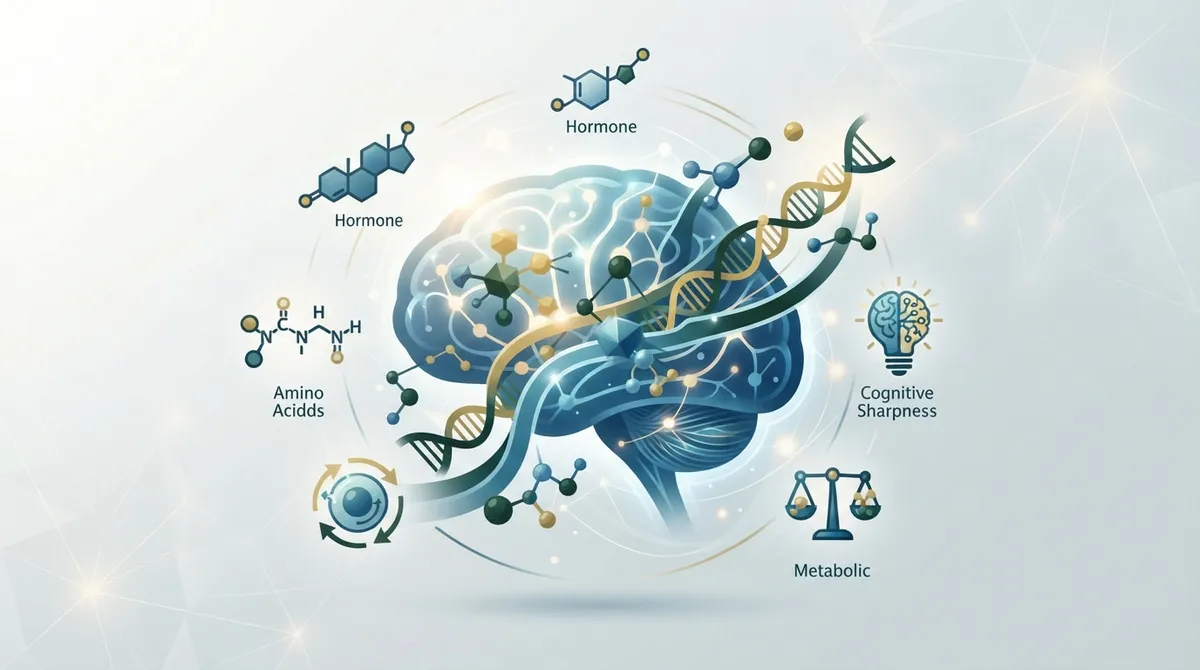
The Peptides People Talk About Most
Not all peptides work the same way, and not all of them have the same amount of research behind them. Understanding what are peptides and how they interact with your body helps make sense of why some show more promise than others for cognitive support.
Semax
Semax is the peptide with the strongest human evidence in this category. Research points to its role in boosting BDNF, a protein linked to brain cell growth and repair. It also appears to interact with dopamine activity, which plays a role in focus and motivation.
Selank
Selank gets attention for a different reason. It’s often discussed as anxiolytic, meaning it may ease anxiety. Since stress and worry are huge contributors to brain fog, calming that mental noise can sometimes clear the path to sharper thinking. Selank is thought to interact with GABA and serotonin pathways, both tied to mood regulation.
BPC-157
BPC-157 shows up a lot in brain fog marketing, but it’s important to be honest here. The evidence for cognitive benefits is mostly preclinical or based on mechanisms, not completed human trials. If you’re curious about this peptide, it’s worth reading up on the BPC-157 peptide facts before assuming it will sharpen your thinking specifically.
Comparing the Top Peptides for Cognitive Support
| Peptide | Primary Focus | Evidence Level | Best For |
|---|---|---|---|
| Semax | Focus, recall, processing speed | Strongest human data available | General cognitive support |
| Selank | Anxiety-related fog, calm focus | Moderate, mechanism-based | Stress-driven brain fog |
| BPC-157 | Marketed broadly for brain fog | Mostly preclinical | Not primarily cognitive support |
Why No Peptide Is FDA-Approved for This Yet
Here’s something worth knowing upfront: no peptide is currently FDA-approved specifically for brain fog, mental clarity, or cognitive enhancement. That doesn’t mean these peptides don’t do anything. It means the large-scale, gold-standard trials needed for that approval haven’t been completed yet.
A PubMed-indexed review on peptides acting as cognitive enhancers confirms this is an active and promising area of research, but the evidence base is still developing rather than settled. Understanding what are peptides and how regulatory approval works helps you approach this topic with clear eyes instead of hype.
How Peptides May Support Brain Function
Scientists believe peptides can influence the brain through several pathways. None of these are magic switches, but together they may explain why people report feeling sharper.
- Supporting BDNF signaling, which helps brain cells grow and connect
- Reducing inflammation, since chronic inflammation is linked to fog and fatigue
- Improving sleep quality, because poor sleep is one of the biggest fog triggers
- Modulating neurotransmitters like dopamine, serotonin, and GABA
- Supporting the gut-brain axis, since digestion and mood are closely connected
A study published through the National Library of Medicine discusses these mechanisms in more depth, giving a science-based look at how peptides interact with brain chemistry.
Brain Fog vs. Mental Clarity: What’s the Difference?
People often use these terms like opposites, and honestly, that’s a fair way to think about it. Brain fog is the fuzzy, sluggish feeling. Mental clarity is the goal on the other side of that fog.
- Brain fog often includes forgetfulness, slow thinking, and mental fatigue
- Mental clarity includes sharp focus, quick recall, and steady attention
- Brain fog can be caused by poor sleep, hormone shifts, stress, or inflammation
- Mental clarity protocols often target those same root causes
- Both are subjective experiences, not formal diagnoses
How Long Before You Notice a Difference?
This is one of the most common questions, and the honest answer is: it varies. Clinic-reported timelines suggest improvements often show up within two to four weeks, though some marketing claims mention effects as early as a few days or even a couple hours after use. Those faster timelines aren’t backed by large independent trials, so it’s smart to treat them as anecdotal rather than guaranteed.
Here’s a realistic way to think about the timeline:
- Weeks 1 to 2: Your body adjusts, and you may notice subtle shifts in energy or sleep
- Weeks 2 to 4: Many people start reporting better focus and less fog
- Month 2 and beyond: Providers typically reassess and adjust your protocol
- Months 3 to 6: This is when most personalized plans are fully evaluated for effectiveness
Safety Considerations You Should Know
Like any therapy, peptides come with things to consider before starting. Working with a licensed provider matters here more than almost anything else.
- Peptides should be sourced from reputable, regulated pharmacies
- Dosing should be personalized based on your labs and health history
- Side effects can include injection site reactions, headache, or mild fatigue
- Ongoing monitoring helps catch issues early and adjust your plan
- Self-administering without guidance increases risk significantly
If you’re new to this space, reading about how to start peptide therapy safely is a smart first step before committing to any protocol.
Why Personalized Protocols Matter So Much
Brain fog rarely has one single cause. For some people, it’s poor sleep. For others, it’s hormone imbalance, chronic stress, or low-grade inflammation. That’s exactly why a one-size-fits-all peptide plan rarely works well.
At Allura Longevity, treatment plans start with real blood work through LabCorp, not guesswork. A board-certified Family Nurse Practitioner reviews your labs and health goals before building a six-month plan designed around your actual biology. This matters because two people with brain fog might need completely different support, depending on what’s really going on underneath.
What a Personalized Plan Typically Looks Like
- A $50 virtual consultation to discuss your symptoms and goals
- Comprehensive blood work to identify root causes
- A customized peptide protocol based on your results
- Peptides shipped directly to your home for easy at-home use
- Ongoing check-ins and dose adjustments as your body responds
Who Tends to Benefit Most
Mental clarity support isn’t just for one type of person. It tends to resonate across several groups:
- Busy professionals juggling long hours and constant decision-making
- Aging adults noticing slower recall or reduced sharpness
- Biohackers who track labs and want data-driven optimization
- Wellness seekers already investing in sleep, nutrition, and recovery
- Anyone dealing with stress-related fog that just won’t lift
If you’re also exploring energy support alongside cognitive goals, it’s worth checking out how to pick peptides for energy that actually work, since fatigue and fog often travel together.
Comparing Telehealth vs. In-Person Options
| Feature | Telehealth Peptide Therapy | Traditional In-Person Clinic |
|---|---|---|
| Convenience | At-home delivery, virtual visits | Requires in-office appointments |
| Personalization | Based on lab work and goals | Varies by provider |
| Time Commitment | Low, fits busy schedules | Higher, travel required |
| Monitoring | Ongoing virtual check-ins | In-person follow-ups |
For a deeper comparison, this guide on local clinic vs. telehealth peptide therapy breaks down the pros and cons in more detail.
Bringing It All Together
Mental clarity in peptide therapy isn’t about chasing a miracle. It’s about supporting your brain’s natural ability to focus, recall, and think clearly through science-backed mechanisms like BDNF signaling, stress modulation, and better sleep. Semax leads the pack in human evidence, Selank shines when anxiety is part of the picture, and peptides like BPC-157 need more human research before we can say much definitively.
The most important takeaway? Personalized care, built on real lab data and guided by licensed providers, gives you the best shot at real results. Allura Longevity specializes in exactly this kind of individualized approach, with plans built around your blood work, delivered straight to your door, and adjusted over time as your body responds.
If brain fog has been holding you back and you’re ready for a plan built specifically for you, now is a great time to request a consultation and take the first step toward clearer thinking. Spots are limited each month, so don’t wait too long to get started.
FAQs
Q: What does mental clarity mean in peptide therapy?
A: It usually refers to sharper focus, quicker recall, and less brain fog rather than a formal medical diagnosis. Think of it as feeling like your best, most alert self again, day after day.
Q: Which peptide is best for brain fog and focus?
A: Semax currently has the strongest human evidence for cognitive support, thanks to its link with BDNF and dopamine activity. Selank is often a great fit too, especially if stress or anxiety is fueling your fog.
Q: Is Semax better than Selank for mental clarity?
A: It really depends on your root cause. Semax tends to shine for general focus and processing speed, while Selank is often chosen when anxiety is clouding your thinking.
Q: Is peptide therapy for brain fog FDA-approved?
A: No peptide is currently FDA-approved specifically for brain fog or cognitive enhancement. That said, research is active and growing, and many providers use these peptides thoughtfully as part of personalized wellness plans.
Q: How long does it take for peptide therapy to improve focus?
A: Many people notice changes within two to four weeks, though this varies from person to person. Your provider will typically reassess your plan around this timeframe to see what’s working best for you.





