

Key Takeaways
-
MOTS-c is the most mechanistically promising peptide for energy, activating AMPK to improve mitochondrial function and insulin sensitivity, with strongest evidence from small human studies and animal models.
-
Peptides address root causes of fatigue (mitochondrial function, hormone balance, sleep, inflammation) rather than masking symptoms like caffeine, resulting in gradual improvements over 2-4 weeks instead of immediate crashes.
-
Comprehensive bloodwork is essential before starting peptide therapy to identify specific hormonal or metabolic imbalances, ensuring personalized treatment rather than guesswork.
-
Growth hormone peptides like sermorelin and CJC-1295 + ipamorelin boost energy indirectly by improving sleep depth and muscle recovery, with many users reporting better mornings within 2-4 weeks.
-
Most energy peptides (MOTS-c, epitalon) lack FDA approval for energy use and require medical supervision; consistent dosing and ongoing monitoring are critical for results.
-
Expect realistic timelines: minor sleep improvements in weeks 1-2, noticeable energy consistency by weeks 3-4, and stable metabolic markers by months 4-6 with proper adherence.
Ever feel like your energy tank hits empty by 2 p.m., no matter how much coffee you drink? You’re not alone. So many of us are searching for something better than another caffeine crash. That’s where peptides for energy come into the picture, and honestly, they work differently than anything you’ve probably tried before.
Instead of giving you a quick jolt like caffeine, peptides aim to fix the root causes of fatigue. Think mitochondrial function, hormone balance, sleep quality, and inflammation. This guide walks you through exactly how these tiny molecules work, which ones have the best evidence behind them, and how to choose a safe, personalized path forward. Grab a cozy drink and let’s dig in together.
What Are Peptides and Why Do They Matter for Energy
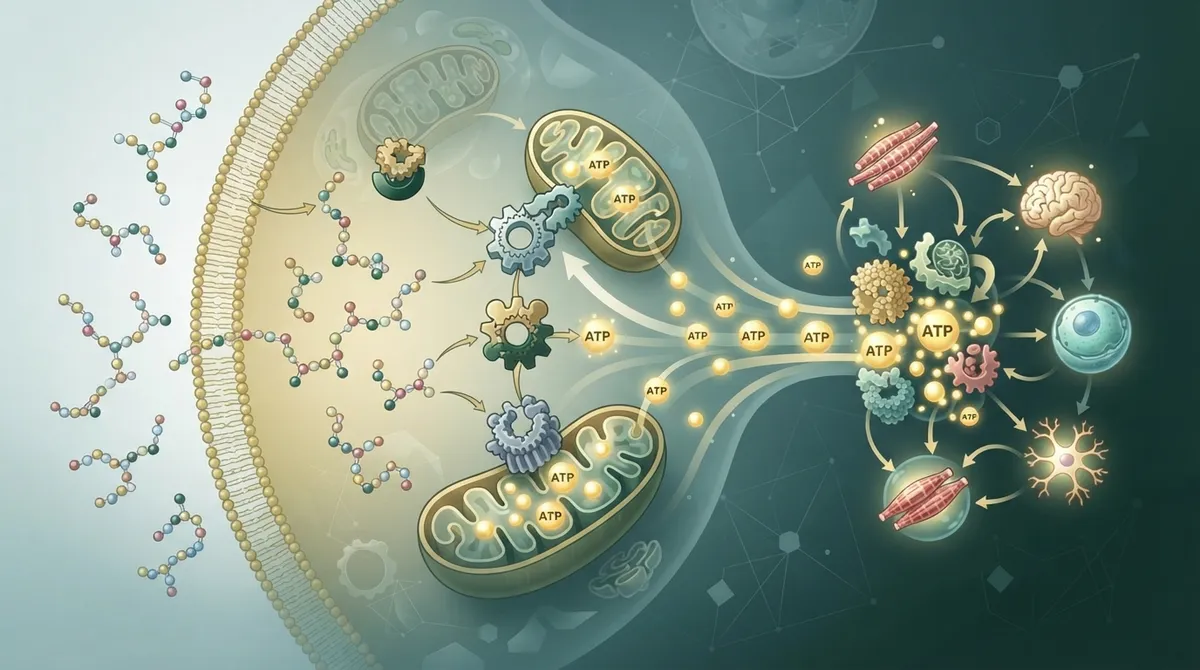
Peptides are short chains of amino acids that act like little messengers in your body. They tell your cells what to do, whether that’s producing more energy, repairing tissue, or releasing hormones. If you want a deeper dive, what are peptides explains the science in plain terms.
Unlike stimulants, peptides don’t force your nervous system into overdrive. Instead, they work with your biology to support ATP production (that’s your cell’s energy currency), reduce oxidative stress, and calm inflammation. This is a big reason why fatigue often improves gradually rather than instantly.
If you’re curious about the basics before going further, our article on 8 Facts That Explain What Are Peptides in 2026 is a great starting point.
Peptides vs Stimulants: What’s the Real Difference
This is one of the most common questions we hear. Stimulants like caffeine work by blocking adenosine, a chemical that makes you feel sleepy. It’s fast, but temporary, and often followed by a crash.
Peptides take a slower, more foundational approach. They may support:
- Mitochondrial efficiency, so your cells actually produce more usable energy
- Better sleep quality, which naturally boosts daytime alertness
- Hormone signaling, especially growth hormone pathways tied to recovery
- Lower inflammation, which is a hidden energy drainer for many people
- Healthier metabolic function, especially in people with insulin resistance
So while caffeine borrows energy from tomorrow, peptides aim to help your body make more energy today and every day after.
Top Peptides for Energy Ranked by Evidence
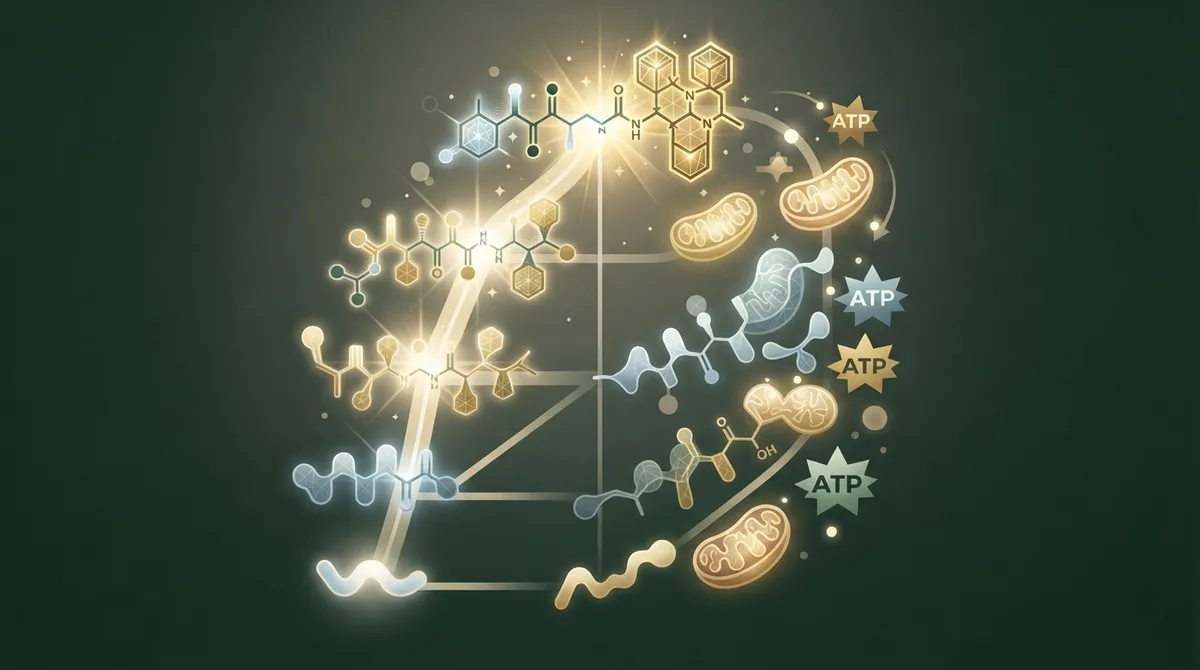
Not all energy peptides are created equal. Some have more research behind them than others. Here’s a simple ranked breakdown based on current evidence and mechanism strength.
| Peptide | Primary Mechanism | Evidence Level | Best For |
|---|---|---|---|
| MOTS-c | AMPK activation, mitochondrial signaling | Strong (small human + preclinical) | Cellular energy, metabolic support |
| SS-31 (Elamipretide) | Mitochondrial membrane stabilization | Phase 2/3 in disease states | Mitochondrial dysfunction |
| Sermorelin | Growth hormone release | Moderate, established use | Sleep, recovery, indirect energy |
| CJC-1295 + Ipamorelin | Sustained GH secretion | Moderate | Recovery and hormonal support |
| Epitalon | Circadian rhythm support | Limited human data | Sleep quality |
| BPC-157 | Tissue repair, gut health | Preclinical, growing interest | Recovery-related fatigue |
| NAD+ Protocols | Cellular energy metabolism | Limited but promising | General vitality support |
1. MOTS-c: The Mitochondrial Powerhouse
MOTS-c is often considered the most mechanistically exciting peptide for energy. It activates AMPK, a pathway your body uses to sense and manage energy levels. Research summarized by the National Library of Medicine highlights its role in improving insulin sensitivity and supporting metabolic health.
Most of the current evidence comes from small human exercise studies and animal models, so it’s still considered investigational. That said, it’s one of the more promising options for people dealing with sluggish metabolism or age-related fatigue.
2. SS-31 (Elamipretide): Mitochondrial Support With Clinical Backing
SS-31 has actually made it to Phase 2 and 3 trials, but mainly in cardiac and mitochondrial disease contexts. It’s not officially studied for healthy-person energy enhancement, so it’s important to keep expectations realistic here.
3. Sermorelin and CJC-1295 + Ipamorelin: The Indirect Energy Boosters
These peptides don’t directly zap you with energy. Instead, they encourage your body to release more growth hormone, which can improve sleep depth and muscle recovery over time. Many clients notice better mornings simply because they’re finally sleeping well.
How to Choose the Right Energy Peptide for You
Picking the right peptide isn’t a one-size-fits-all decision. It depends on your bloodwork, lifestyle, and specific fatigue triggers. Here’s a simple step-by-step approach we recommend.
- Get comprehensive bloodwork done to identify hormonal or metabolic imbalances
- Identify your main fatigue pattern, such as morning grogginess, afternoon crashes, or poor recovery
- Match your pattern to a peptide category (mitochondrial, hormonal, or recovery-based)
- Start with a conservative dose under medical supervision
- Track your sleep, mood, and energy for at least 2 to 4 weeks
- Adjust your protocol with your provider based on real results
This is exactly the kind of personalized process used at Allura Longevity, where treatment plans are built around your actual labs rather than guesswork. If you’re ready to explore your options, you can request a consultation to get started.
Why Bloodwork Matters More Than You Think
Fatigue can come from dozens of different root causes. Low testosterone, thyroid issues, poor sleep, and mitochondrial stress can all look identical from the outside. That’s why guessing rarely works.
A proper lab panel helps your provider see what’s actually happening inside your body. This is a core part of how to start peptide therapy safely and see real results, instead of wasting time and money on the wrong protocol.
What to Expect: Timeline and Realistic Results
Peptides are not magic. They work gradually, and patience really does pay off here. Many clinic-based reports suggest changes in sleep and focus may appear within 2 to 4 weeks, though this varies by individual and peptide type.
Here’s a general timeline you might expect:
- Weeks 1-2: Minor changes in sleep quality or mood
- Weeks 3-4: Noticeable improvements in energy consistency
- Months 2-3: Better recovery, focus, and workout performance
- Months 4-6: More stable hormonal and metabolic markers
Consistency matters. Skipping doses or stopping early tends to blunt results, which is why ongoing monitoring is so important.
Are Energy Peptides FDA-Approved?
This is a fair and important question. Most peptides marketed for energy, including MOTS-c and epitalon, are not FDA-approved for that specific use. Some, like sermorelin, have more established medical history, but should still be used under professional supervision.
Working with a licensed provider ensures you’re using these compounds responsibly and legally, with proper monitoring along the way.
Common Side Effects and Safety Considerations
Like any therapy, peptides can come with mild side effects, especially early on. Being aware of these helps you feel more confident and prepared.
- Injection site redness or mild irritation
- Temporary headaches during the adjustment period
- Water retention with certain growth hormone peptides
- Fatigue or mood shifts if dosing is not properly calibrated
- Rare allergic reactions, which is why medical supervision matters
- Schedule an initial consultation with a licensed provider
- Complete comprehensive lab work through a trusted lab partner
- Review your results and personalized treatment options together
- Receive your custom peptide plan delivered directly to your home
- Begin treatment with clear dosing instructions and support
- Check in regularly so your plan can be adjusted as needed
Most side effects are mild and temporary, but they’re much easier to manage with a provider who’s actively monitoring your bloodwork and adjusting your plan.
Why Telehealth Makes This Process Easier
Busy schedules shouldn’t stand between you and better energy. Telehealth peptide therapy lets you get expert guidance from home, which is a huge win for professionals juggling work, family, and everything in between.
If you’re weighing your options, our comparison on local clinic vs. telehealth peptide therapy breaks down the pros and cons clearly.
Peptides for Energy vs Other Wellness Goals
Energy peptides often overlap with other longevity goals, which is one of the best parts of personalized peptide therapy. Many clients pursuing more energy also notice benefits in other areas.
| Goal | Related Peptides | Overlap With Energy |
|---|---|---|
| Fat Loss | GLP-1s, AOD-9604 | Improved metabolism supports sustained energy |
| Muscle Recovery | BPC-157, CJC-1295 | Faster recovery reduces fatigue |
| Sleep Support | Epitalon, DSIP | Better sleep directly boosts daytime energy |
| Hormone Balance | Sermorelin, Testosterone therapy | Balanced hormones stabilize energy levels |
If fat loss is also part of your wellness goals, you might enjoy our guide on 13 Peptides for Fat Loss That Really Work in 2026, or if muscle recovery is your focus, check out 14 Peptides for Muscle Gain Worth Knowing (2026).
Steps to Get Started Safely With Energy Peptides
Ready to move forward? Here’s a simple roadmap to help you take the first step with confidence.
This exact process is how Allura Longevity supports clients across Florida, Georgia, Texas, Connecticut, Indiana, Maryland, New York, and California. Everything starts with a simple $50 virtual consultation and bloodwork through LabCorp, followed by a personalized six-month plan built around your unique biology.
Why Personalization Beats Guesswork Every Time
We’ve all seen generic “energy boosting” products that promise the world and deliver very little. Real results come from understanding your specific hormone levels, metabolic markers, and lifestyle factors.
If you want to explore a smarter, safer approach, our guide on how to start peptide therapy the smart, safe way is a great next read. And if you’re specifically interested in options tailored to your gender, check out our resources on peptides for women and peptides for men.
Final Thoughts on Choosing Peptides for Energy
Feeling tired all the time isn’t something you just have to accept. With the right combination of lab testing, personalized peptide selection, and ongoing support, real energy improvements are possible. The key is patience, consistency, and working with people who actually understand the science.
At Allura Longevity, licensed providers led by Ashley, a board-certified Family Nurse Practitioner, help you build a plan designed specifically for your body and goals. With convenient telehealth care and treatments delivered right to your door, getting your energy back has never been more accessible. Spots are limited each month, so if you’re ready to feel like yourself again, request a consultation today and take the first step toward lasting vitality.
FAQs
Q: What are the best peptides for energy and fatigue?
A: MOTS-c and SS-31 tend to top the list because they target mitochondrial function directly, which is where your cells actually make energy. Growth hormone peptides like sermorelin can also help indirectly by improving sleep and recovery. The best choice really depends on your bloodwork and personal fatigue pattern, so a personalized plan works best.
Q: How do peptides increase energy at the cellular level?
A: Many energy peptides work by supporting your mitochondria, the tiny power plants inside your cells that produce ATP. Peptides like MOTS-c activate pathways such as AMPK, which help your body use energy more efficiently. This is very different from stimulants, which just mask tiredness temporarily.
Q: Are peptides for energy FDA-approved?
A: Right now, most peptides marketed for energy, including MOTS-c and epitalon, are not FDA-approved specifically for that purpose. Some peptides like sermorelin have a longer medical history, but they should still be used under a licensed provider’s care. Safety and proper monitoring always come first.
Q: What is the difference between peptides and stimulants like caffeine?
A: Caffeine gives you a quick burst of energy by blocking sleepy signals in your brain, but it often leads to a crash later. Peptides work more slowly by supporting your body’s natural energy production, hormone balance, and sleep quality. Think of peptides as playing the long game instead of a quick fix.
Q: How much scientific evidence supports MOTS-c, SS-31, and sermorelin for energy?
A: MOTS-c has fairly strong mechanistic evidence, though it’s mostly from small human studies and animal research so far. SS-31 has more robust Phase 2/3 data, but mainly in disease-related contexts rather than everyday energy boosts. Sermorelin has a longer track record, though it works indirectly by supporting hormone release and better sleep.





