
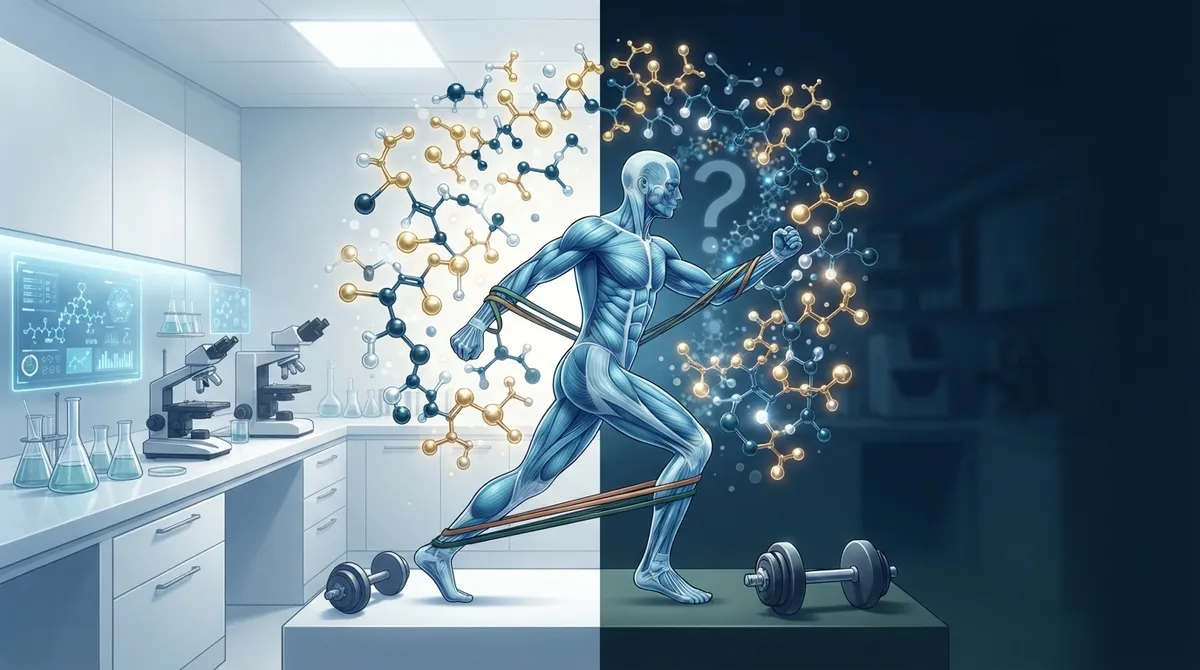
Key Takeaways
-
Only one uncontrolled human study exists on BPC-157 for injuries despite 544 screened studies; animal data is promising but doesn't guarantee human effectiveness.
-
Neither BPC-157 nor TB-500 is FDA-approved for treating orthopedic injuries, meaning no standardized dosing or confirmed benefit-risk profile exists.
-
The biggest safety risks come from unregulated online vendors with uncertain product purity and sterility; only use licensed medical providers and verified sources.
-
Peptide therapy should complement—not replace—proper diagnosis, physical therapy, nutrition, sleep, and structured rehabilitation for optimal recovery outcomes.
-
Long-term safety data is lacking; established dosing guidelines don't exist, and effects on cancer risk and reproductive health remain unstudied.
-
BPC-157 and TB-500 are distinct compounds with different origins and research profiles; working with knowledgeable providers helps clarify which might suit your specific injury type.
Nursing a stubborn tendon injury or recovering from surgery can feel like a full-time job. If you’ve spent any time in fitness or wellness circles lately, you’ve probably heard whispers about injury recovery peptides like BPC-157 and TB-500. They’re everywhere online, promising faster healing and quicker comebacks. But before you get swept up in the hype, let’s slow down and look at what the science actually says. As a telehealth peptide therapy provider, Allura Longevity believes you deserve honest, clear information—not just exciting marketing claims. Grab a cup of coffee, and let’s walk through nine facts that will help you make a smart, informed decision about your recovery journey.
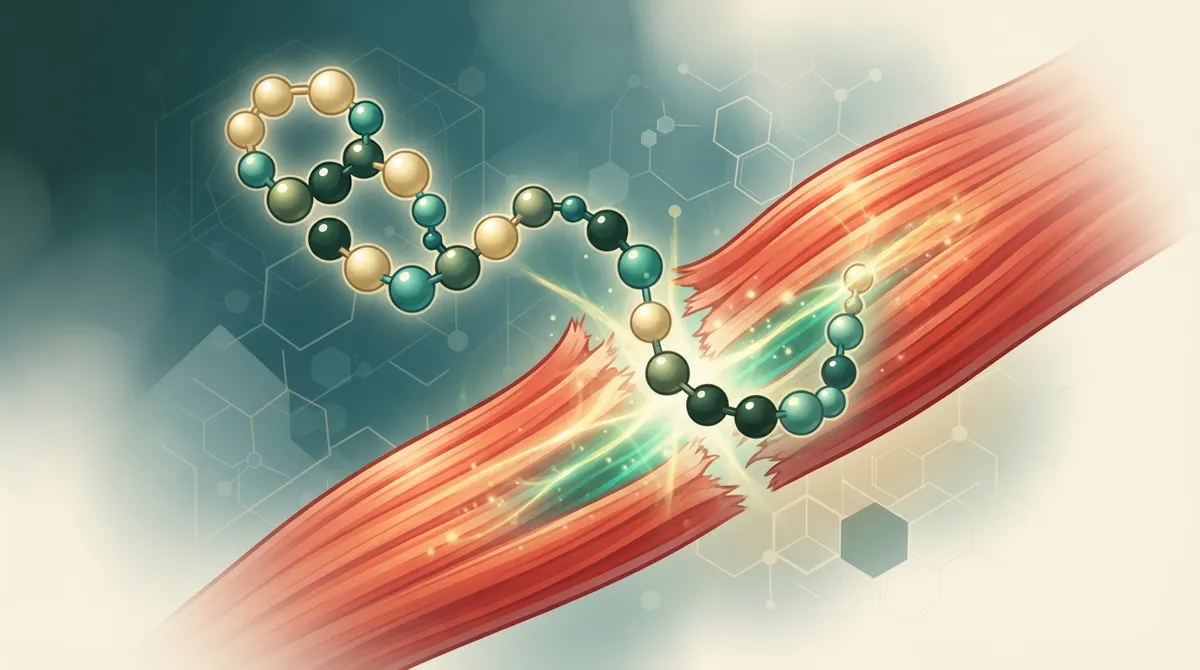
1. What Are Injury Recovery Peptides, Exactly?
Injury recovery peptides are short chains of amino acids being studied for their potential to support healing in tendons, ligaments, muscles, joints, and wounds. The two names you’ll hear most often in peptide-therapy conversations are BPC-157 and TB-500 (a synthetic thymosin beta-4 derivative). If you’re new to this world, it helps to first understand what are peptides and how they work in the body before diving into any specific compound.
These peptides are marketed as tools to help your body’s natural repair processes work more efficiently. That sounds appealing, especially if you’re dealing with a nagging injury. But “promising” and “proven” are two very different things, and it’s important to know the difference.
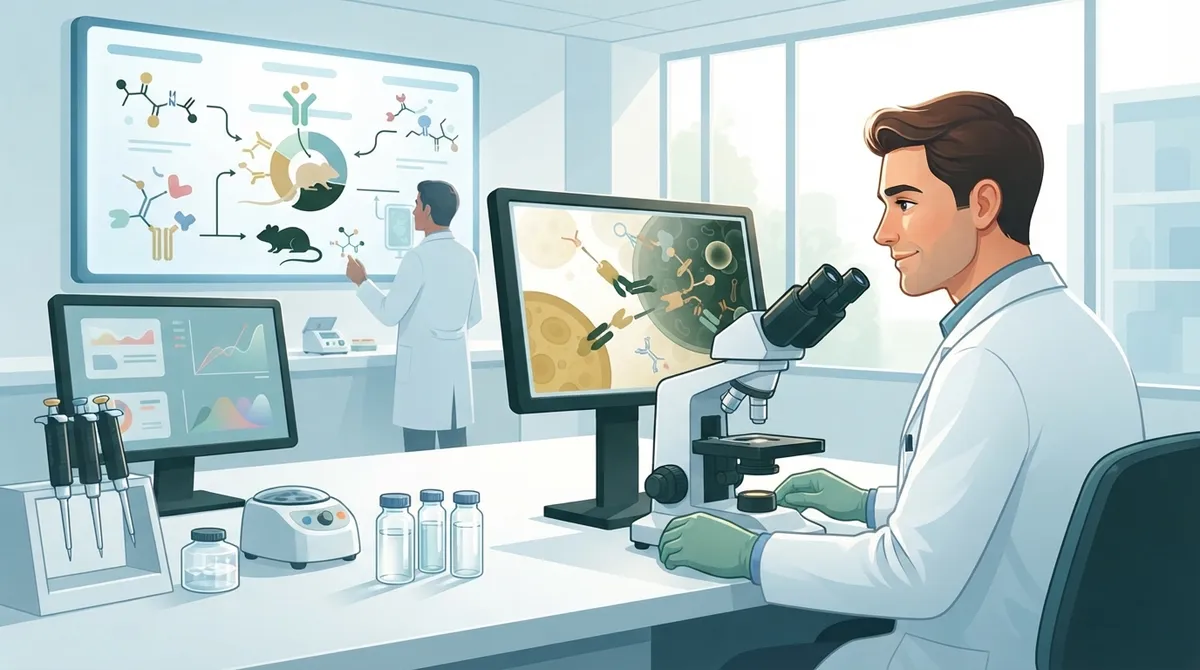
2. The Animal Research Looks Encouraging
Here’s where things get interesting. In animal studies, BPC-157 has shown some genuinely exciting results for tendon, ligament, muscle, and even gut healing. Researchers believe it may work by supporting blood vessel formation, reducing inflammation, and helping cells migrate to injury sites. This is detailed in a review published on the National Library of Medicine, which explores these proposed mechanisms in depth.
However, animal bodies and human bodies don’t always respond the same way to the same compounds. What works beautifully in a lab rat doesn’t automatically translate to reliable results in you or me. That gap between animal promise and human proof is the single biggest thing to understand about injury recovery peptides right now.
3. Human Evidence Is Still Very Thin
This is the fact that surprises most people. A 2025 systematic review published in the American Journal of Sports Medicine screened 544 studies related to BPC-157 in orthopedic and sports medicine. Out of those, only 36 studies made the cut, and here’s the kicker: 35 were preclinical (animal or lab-based), and just one was an actual clinical study involving people.
That one human study wasn’t even a randomized controlled trial. It was an uncontrolled case series, which is a much weaker form of evidence. So while the science is intriguing, we simply don’t have the robust human data yet to say these peptides reliably heal injuries.
Quick Snapshot of the 2025 Research Review
| Category | Number of Studies | What This Means |
|---|---|---|
| Total Studies Screened | 544 | Broad search across orthopedic literature |
| Studies Included | 36 | Met basic quality criteria |
| Preclinical (Animal) Studies | 35 | Majority of available evidence |
| Clinical (Human) Studies | 1 | Uncontrolled case series, not an RCT |
4. The Knee Pain Case Series: Promising, But Limited
You may have heard about a small study where people with chronic knee pain received an intra-articular BPC-157 injection. Of 12 patients, 7 reported relief lasting more than six months. That sounds great on the surface, right?
But here’s the catch: there was no control group. Nobody received a placebo injection for comparison. The diagnosis criteria and outcome measurements were also limited. Without a control group, we can’t rule out the placebo effect, natural healing, or other factors. It’s a hopeful data point, not proof that BPC-157 heals injuries better than standard care.
5. What We Know About Safety (And What We Don’t)
A separate small pilot study looked at intravenous BPC-157 safety in just two adults. Researchers didn’t observe adverse effects or concerning changes in lab values during the short observation period. That’s reassuring in a small way, but let’s be real: a two-person study tells us almost nothing about long-term safety.
Here are some genuine safety concerns worth knowing:
- No established dosing guidelines exist for injury recovery use
- Long-term effects on cancer risk or reproductive health remain unstudied
- Immune reactions to synthetic peptides are possible but not well documented
- Products from unregulated sources may have unknown purity or contamination
- Injection-site infections can occur with improper technique
This is exactly why working with licensed medical providers matters so much. If you’re considering peptide therapy, it’s worth reading Is Peptide Therapy Safe? What You Really Need to Know before moving forward.
6. BPC-157 vs. TB-500: They’re Not the Same Thing
People often lump BPC-157 and TB-500 together, but they’re actually quite different compounds. TB-500 is generally marketed as a synthetic version related to thymosin beta-4, a naturally occurring peptide involved in cell migration and wound-repair signaling.
Here’s a simple breakdown of how they compare:
| Factor | BPC-157 | TB-500 |
|---|---|---|
| Origin | Derived from a stomach protective protein | Related to thymosin beta-4 |
| Animal Research | Extensive, covering tendon/gut healing | Limited, focused on wound repair |
| Human Trials | One small uncontrolled case series | Selected wound-healing studies, not injury-specific |
| FDA Approval Status | Not approved for injury recovery | Not approved for injury recovery |
If you want to go deeper on either compound, check out 9 BPC-157 Peptide Facts to Know Before You Start or 13 Facts About TB-500 Peptide You Need in 2026 for a closer look at each one individually.
7. Neither Peptide Is FDA-Approved for Injuries
This is a fact that gets glossed over far too often. Neither BPC-157 nor TB-500 is FDA-approved to treat tendon tears, ligament injuries, muscle strains, or any orthopedic condition. That means there’s no standardized dosing, no confirmed benefit-risk profile, and no official medical indication for these uses.
Any peptide therapy for injury recovery should be considered investigational. A trustworthy provider will always be upfront about this instead of overselling results. Understanding the difference between FDA-approved and compounded peptides can help you ask better questions before starting any protocol.
8. Where the Real Risks Come From
The biggest danger with injury recovery peptides usually isn’t the molecule itself. It’s where and how you get it. Products sold through unregulated online vendors may have uncertain identity, sterility, and concentration. Some may even contain contaminants or incorrect dosages.
Here’s a step-by-step way to think about minimizing risk if you’re exploring this option:
- Get proper blood work done first to understand your baseline health
- Work only with licensed medical providers who can legally prescribe peptides
- Ask where the peptide is sourced and how it’s tested for purity
- Discuss your full medical history, including any medications you take
- Follow proper injection techniques to reduce infection risk
- Report any side effects immediately to your provider
- Combine peptide therapy with proven rehab methods, not as a replacement
Learning how to prepare for safe, effective peptide injections can make a real difference in your comfort and outcomes.
9. Peptides Should Support Recovery, Not Replace It
This might be the most important fact on this list. Peptide therapy should never replace proper diagnosis, physical therapy, graded loading, good nutrition, sleep, or surgical evaluation when needed. Think of it as one possible piece of a much bigger recovery puzzle, not a magic shortcut.
If you’re an athlete, there’s also an anti-doping angle to consider. Both BPC-157 and TB-500 may be flagged by certain sports organizations, so it’s smart to check current regulations before use. You can learn more in Is BPC-157 Safe and Legal for Athletes to Use?
Recovery is rarely one-dimensional. A thoughtful approach usually includes:
- Proper imaging or diagnosis from a qualified clinician
- A structured physical therapy or rehab plan
- Adequate protein intake and overall nutrition support
- Consistent, quality sleep to support tissue repair
- Realistic timelines instead of expecting overnight results
How Personalized Peptide Therapy Works With Allura Longevity
At Allura Longevity, we believe you deserve honest guidance, not empty promises. Our process starts with a simple $50 virtual consultation, followed by comprehensive blood work through LabCorp. From there, our licensed providers—led by board-certified Family Nurse Practitioner Ashley—build a personalized six-month treatment plan based on your actual health data, not guesswork.
Everything ships straight to your door, so you can manage your care on your own schedule. If you’re curious about the bigger picture of getting started, take a look at How to Start Peptide Therapy Safely and See Real Results. And if you’re weighing your options between in-person care and virtual visits, our guide on Local Clinic vs. Telehealth: Best Peptide Therapy Near You? breaks down the pros and cons clearly.
We’re proud to serve clients across Florida, Georgia, Texas, Connecticut, Indiana, Maryland, New York, and California, all through convenient, nationwide telehealth. Our team also offers guidance on peptides for wound healing and broader regenerative medicine peptides for those exploring recovery-focused options beyond injuries alone.
Final Thoughts: Move Forward With Eyes Wide Open
Injury recovery peptides like BPC-157 and TB-500 are genuinely fascinating from a research standpoint. The animal data is promising, and early human pilots haven’t raised major red flags. But we’re not at the finish line yet. The human evidence remains thin, these compounds aren’t FDA-approved for injuries, and long-term safety data simply doesn’t exist.
The smartest path forward is working with licensed providers who will give you the full picture, monitor your progress with real lab work, and build a plan around your unique body and goals. You deserve care that’s honest, personalized, and genuinely focused on your long-term wellness. To learn more about peptide science in general, the what are peptides overview from WebMD is a helpful starting point.
Ready to talk through your options with a team that puts your safety first? Request a consultation with Allura Longevity today, or give us a call at (813) 510-6277. Spots are limited each month, so don’t wait to start your personalized recovery journey.
FAQs
Q: What are the best peptides for injury recovery?
A: BPC-157 and TB-500 are the two most commonly discussed peptides in this space, and the animal research on them is genuinely exciting. But we have to be honest with you: human evidence is still very limited, so no peptide can currently be called a proven best option for injury recovery.
Q: Does BPC-157 actually heal tendons, ligaments, or muscle injuries?
A: The honest answer is we don’t know yet, at least not for certain in humans. Animal studies show real promise, but a 2025 review found only one small, uncontrolled human study, which just isn’t enough to prove reliable healing benefits.
Q: What’s the difference between BPC-157 and TB-500?
A: Great question! BPC-157 is derived from a stomach-protective protein, while TB-500 is a synthetic compound related to thymosin beta-4. They have different origins, different research backgrounds, and neither is FDA-approved for treating injuries.
Q: Are BPC-157 and TB-500 legal for athletes?
A: This depends on the sport and governing body, so it’s worth double-checking before you start. Some athletic organizations have flagged these peptides, so we always recommend confirming current rules with your sport’s anti-doping agency first.
Q: How are injury recovery peptides typically administered?
A: They’re usually given through subcutaneous injections at home, following guidance from a licensed provider. Proper technique matters a lot here, since improper injections can lead to site infections or other complications, so working with trained professionals is key.





