

Key Takeaways
-
Legitimate peptide hormone treatment requires comprehensive blood work and personalized medical plans from licensed providers, not random online purchases marketed as 'miracle' products for anti-aging or muscle gain.
-
FDA-approved peptide therapies like insulin (since 1923), GLP-1 drugs, and parathyroid hormone products have decades of clinical data, while compounded peptides like BPC-157 and TB-500 lack substantial human safety studies despite popularity in wellness circles.
-
Trustworthy providers must require lab testing before prescribing, use regulated pharmacies for sourcing, provide ongoing monitoring beyond initial consultation, and be transparent about realistic timelines (2-4 weeks for early results, 3-6 months for full effects).
-
Common side effects include injection-site reactions, nausea, blood sugar swings, and potential immune responses; seek immediate care for severe allergic reactions, persistent vomiting, fainting, or chest pain.
-
Compounded peptides like GHRP-2 and GHRP-6 carry FDA-flagged safety concerns including possible immunogenicity from impurities, altered insulin needs, and infection risks, making regulated sourcing and medical supervision essential.
-
Peptide hormone treatment differs from traditional hormone replacement therapy (HRT) by stimulating your body's own hormone production rather than directly replacing hormones, though many patients combine both approaches for comprehensive wellness support.
Feeling tired, foggy, or just not like yourself lately? You’re not alone, and you’re definitely not stuck. Peptide hormone treatment is one of the fastest-growing ways people are supporting their energy, metabolism, and overall vitality. But with so much buzzing online about “miracle” peptides, it can feel confusing to know what’s actually safe and proven. This guide breaks it all down in plain, friendly terms.
We’ll walk through what peptide hormone treatment really means, which therapies have real backing, and how to find a provider you can trust. Whether you’re a busy professional squeezing self-care between meetings, or a biohacker who loves tracking every lab number, this article was written with you in mind. Let’s get into it together.
What Is Peptide Hormone Treatment, Really?
Peptide hormone treatment means using peptide-based medicines under a clinician’s care. These peptides either replace a hormone your body isn’t making enough of, or they nudge your body to produce more of it naturally. Think of peptides as tiny messengers that tell your cells what to do.
This is different from grabbing random peptides sold online for “anti-aging” or muscle gain. Real peptide hormone treatment starts with lab testing and ends with a plan made just for you. If you want a deeper primer, check out this helpful resource on 8 Facts That Explain What Are Peptides in 2026.
According to what are peptides, these small protein chains occur naturally in your body and play a role in nearly every system, from digestion to immune defense. That’s part of why peptide-based medicine has such a long track record.
A Quick History Lesson
Insulin was the very first FDA-approved peptide medicine, way back in 1923. That’s over 100 years of proven use in real patients. Since then, dozens of peptide hormone therapies have earned FDA approval for serious medical conditions.
A 2024 peer-reviewed review found roughly 10 naturally occurring peptide drugs on the market, along with nine peptide therapies used for diabetes. There are also four growth-hormone-releasing hormone products and several others targeting specific hormone pathways. This isn’t a fad. It’s established medicine with decades of data behind it.

FDA-Approved Peptide Hormone Therapies You Should Know
Not all peptides are created equal. Some have gone through rigorous testing and are approved for specific medical uses. Others are still experimental and lack solid human safety data. Here’s a simple breakdown.
| Peptide Hormone Therapy | Common Use | FDA Status |
|---|---|---|
| Insulin | Diabetes management | Approved (since 1923) |
| Glucagon | Severe low blood sugar | Approved |
| Vasopressin | Certain types of shock | Approved |
| Oxytocin | Obstetric care | Approved |
| Parathyroid hormone products | Hypoparathyroidism | Approved |
| Calcitonin | Bone and calcium regulation | Approved |
| Semaglutide, Tirzepatide (GLP-1s) | Type 2 diabetes, weight management | Approved for specific indications |
It’s worth noting that GLP-1 medications like semaglutide and tirzepatide are peptide-based, but they work differently than traditional hormone replacement. They target metabolic pathways rather than replacing a missing hormone. If you’re curious how these fit into the bigger picture, take a look at How to Understand GLP-1 Peptide Therapy in 2026.
How Peptide Hormone Treatment Actually Works, Step by Step
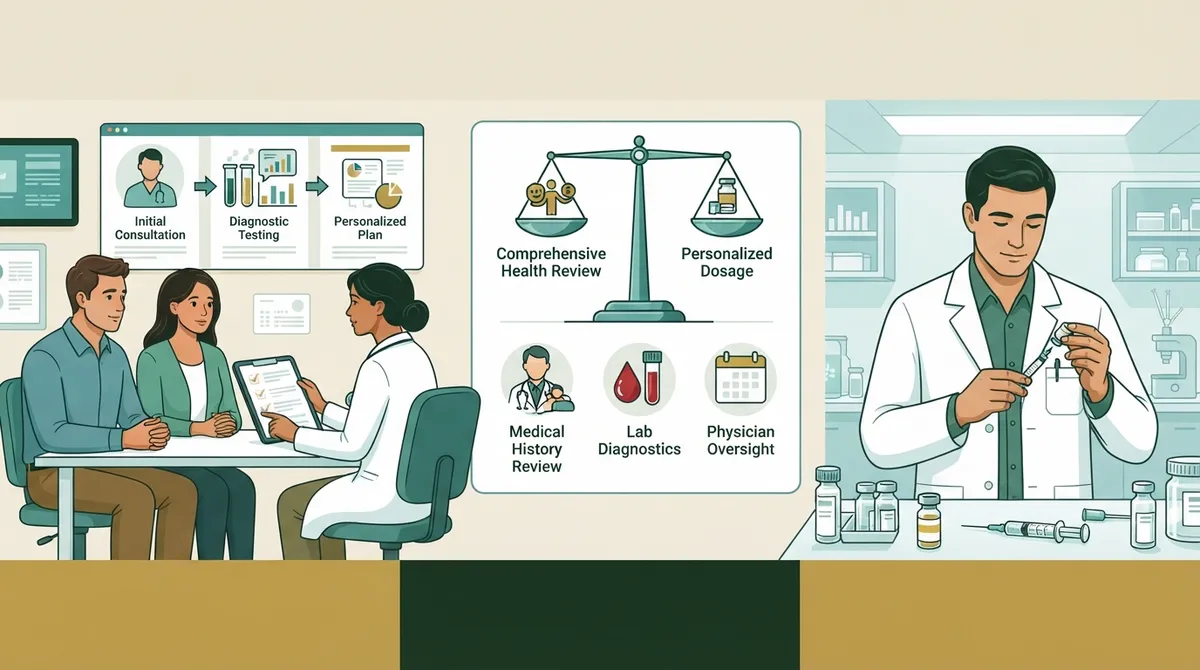
Good peptide therapy never starts with picking a peptide off a list. It starts with understanding your body. Here’s the typical process most reputable clinics follow.
- Initial consultation: A licensed provider reviews your symptoms, health history, and goals.
- Comprehensive blood work: Labs check hormone levels, blood sugar, thyroid function, and more.
- Personalized plan design: Your provider builds a treatment plan based on your specific results.
- At-home delivery: Peptides are shipped directly to your door, ready for self-administration.
- Ongoing monitoring: Follow-up labs and check-ins ensure your plan is working and safe.
- Adjustments as needed: Dosing or peptide choice may shift based on your progress.
This is exactly the model Allura Longevity uses. Clients start with an affordable $50 virtual consultation, complete blood work through LabCorp, and receive a custom six-month plan. Everything is overseen by licensed providers, led by Ashley, a board-certified Family Nurse Practitioner. If you’d like a broader walkthrough, this guide on How to Start Peptide Therapy Safely and See Real Results covers it well.
What Tests Come Before Treatment?
Testing matters because symptoms like fatigue or brain fog can come from many different causes. Your provider needs real data, not guesswork. Common labs include:
- Blood glucose and HbA1c levels
- Thyroid function panel
- Morning cortisol
- Sex hormones (testosterone, estrogen, progesterone)
- IGF-1 (a marker tied to growth hormone activity)
- Calcium and parathyroid hormone
This step is non-negotiable for safe, effective care. A trustworthy provider will never skip it, no matter how eager you are to get started.
Peptide Hormone Treatment vs. Traditional Hormone Replacement
People often ask if peptide therapy is the same as hormone replacement therapy (HRT). It’s related, but not identical. Here’s a simple comparison to clear things up.
| Feature | Peptide Hormone Treatment | Traditional HRT |
|---|---|---|
| Mechanism | Stimulates your body’s own hormone production or replaces specific peptides | Directly replaces hormones like estrogen or testosterone |
| Examples | Sermorelin, CJC-1295, insulin, GLP-1 drugs | Testosterone, estrogen, progesterone |
| Typical Goals | Metabolic support, tissue repair, energy, growth hormone optimization | Direct hormone replacement for menopause, low T, thyroid issues |
| Administration | Usually subcutaneous injection | Injections, pellets, patches, creams, or pills |
Many clients actually combine both approaches for a fuller picture of wellness. To explore this further, read How to Choose Between Bioidentical Hormones and Peptides or compare options in Testosterone vs. Peptides for Women: Which Wins?.
Compounded Peptides: Proceed With Caution
You’ve probably seen names like BPC-157, TB-500, ipamorelin, and melanotan II floating around online. These are popular in wellness circles, but they come with real caveats worth understanding.
For BPC-157 specifically, an ECRI and Institute for Safe Medication Practices review found that 35 of 36 published studies were done in animals, not humans. No published Phase 1 human safety study has been identified for this peptide. That doesn’t mean it’s useless, but it does mean the evidence gap is real.
The FDA has also flagged concerns about compounded peptides like GHRP-2 and GHRP-6, citing possible immunogenicity from impurities and aggregation. Reported issues include altered insulin needs, infection, and effects on cortisol, though causality wasn’t confirmed in every case. This is exactly why working with a licensed provider who sources through regulated pharmacies matters so much.
Common Compounded Peptides and Their Evidence Status
- BPC-157: Popular for tissue repair, but mostly animal-study evidence so far. Learn more in 9 BPC-157 Peptide Facts to Know Before You Start.
- TB-500: Marketed for recovery, though human trials remain limited. See 13 Facts About TB-500 Peptide You Need in 2026.
- CJC-1295 and Ipamorelin: Used to support natural growth hormone release, often paired together. Check How to Use CJC-1295 Peptide Safely for Real Results.
- Melanotan II: Marketed for tanning and libido, with limited regulatory backing. See 6 Facts About Melanotan Peptide You Should Know.
The bottom line? These compounds shouldn’t be presented as proven hormone treatments. They deserve caution, informed conversations with your provider, and realistic expectations.
Possible Side Effects You Should Know About
Every medical treatment carries some risk, and peptide hormone treatment is no exception. Being informed helps you catch problems early and feel confident in your care.
- Injection-site reactions like redness or irritation
- Nausea or other digestive upset
- Blood sugar swings, either high or low
- Fluid retention or blood pressure changes
- Allergic reactions, which can range from mild to severe
- Immune responses tied to product impurities or aggregates
The FDA notes that immunogenicity, meaning your immune system reacting to the peptide, can range from silent and harmless to serious reactions like anaphylaxis. Injectable routes generally carry more risk here than oral options. This is one more reason quality sourcing and medical supervision truly matter. For a deeper look at management strategies, see What Causes GLP-1 Side Effects and How to Manage Them?.
When to Contact Your Provider Right Away
- Signs of a severe allergic reaction, like swelling or trouble breathing
- Persistent vomiting that won’t stop
- Fainting or feeling like you might pass out
- Major changes in blood sugar levels
- Chest pain or unusual heart symptoms
- New neurological symptoms, like confusion or numbness
None of this is meant to scare you. It’s meant to empower you. Knowing the warning signs means you can act fast and stay safe.
How to Choose a Trustworthy Peptide Therapy Provider
This might be the most important part of the whole journey. A great provider makes all the difference between feeling amazing and feeling worse. Here’s what to look for.
- Requires lab work before prescribing anything
- Uses licensed, regulated pharmacies for sourcing
- Offers ongoing monitoring, not just a one-time prescription
- Has licensed medical providers overseeing your care
- Is transparent about risks, benefits, and realistic timelines
- Provides clear communication and easy access to your care team
The National Library of Medicine emphasizes that peptide-based treatments require careful clinical oversight, especially given variability in formulation quality. This isn’t something to DIY. For more guidance, see How to Find Legal Peptide Therapy You Can Trust.
Allura Longevity was built around this exact philosophy. Every plan starts with real blood work, gets designed around your unique goals, and is overseen by licensed providers throughout your entire six-month journey. Care is available by telehealth across Florida, Georgia, Texas, Connecticut, Indiana, Maryland, New York, and California.
How Long Before You See Results?
Patience is part of the process, but you won’t be waiting forever. Most clients notice small shifts within the first few weeks, with fuller results building over months.
| Timeframe | What to Expect |
|---|---|
| 2-4 weeks | Early improvements in sleep, energy, or mood |
| 6-8 weeks | More noticeable changes in metabolism or recovery |
| 3-6 months | Fuller results, with labs used to fine-tune your plan |
Everyone’s body responds differently, so your timeline may look a bit different. That’s exactly why ongoing monitoring matters so much. For a deeper dive, check How Long for Peptide Therapy Results? A Real Timeline.
Who Benefits Most From Peptide Hormone Treatment?
This kind of care isn’t just for one type of person. It’s for anyone who wants to feel more like themselves again. That said, a few groups tend to see especially strong results.
- Adults with low energy or poor sleep who want a science-backed solution
- Midlife men and women noticing signs of hormonal decline
- Data-driven biohackers who want to track labs and optimize protocols
- Busy professionals who need convenient, at-home care options
- Wellness enthusiasts ready to add personalized therapy to their routine
Whatever category you fall into, the path forward starts the same way: real testing, real guidance, and a plan built just for you.
Bringing It All Together
Peptide hormone treatment offers a genuinely exciting path toward better energy, metabolism, and overall vitality, but only when it’s done right. That means starting with real lab work, choosing FDA-backed or well-supported options when possible, and working with licensed clinicians who monitor your progress every step of the way.
You deserve care that’s personal, safe, and built around your actual body, not a one-size-fits-all product. Allura Longevity offers exactly that, with affordable consultations, LabCorp testing, and custom six-month plans delivered right to your door. Spots fill up fast each month, so if you’re ready to feel like yourself again, now’s a great time to reach out.
Ready to take the next step? Request a consultation today and let a licensed provider build a plan made just for you. You can also call (813) 510-6277 to speak with the team directly. Your future self will thank you.
FAQs
Q: What is peptide hormone treatment and how does it work?
A: Peptide hormone treatment uses peptide-based medicines, prescribed by a licensed provider, to replace or stimulate hormones your body needs. It usually starts with blood work so your provider understands exactly what your body is missing before building your plan.
Q: Are semaglutide and tirzepatide considered peptide hormone treatments?
A: Yes, they’re peptide-based medicines, but they work a bit differently than traditional hormone replacement. Instead of replacing a missing hormone, they target metabolic pathways to support blood sugar control and weight management.
Q: Are compounded peptides like BPC-157 or CJC-1295 safe and legal?
A: These peptides are popular in wellness circles, but evidence in humans is still limited for some, and quality can vary between sources. That’s why it’s so important to work with a licensed provider who sources through regulated pharmacies and monitors your progress.
Q: What tests are needed before starting peptide hormone therapy?
A: Most reputable providers start with blood work checking things like blood sugar, thyroid function, cortisol, and sex hormones. This helps make sure your treatment plan actually matches what your body needs, rather than guessing.
Q: How long does peptide hormone treatment take to work?
A: Many people notice small improvements within two to four weeks, with fuller results building over three to six months. Everyone’s timeline is a little different, which is why ongoing monitoring and check-ins make such a big difference.





