
Key Takeaways
-
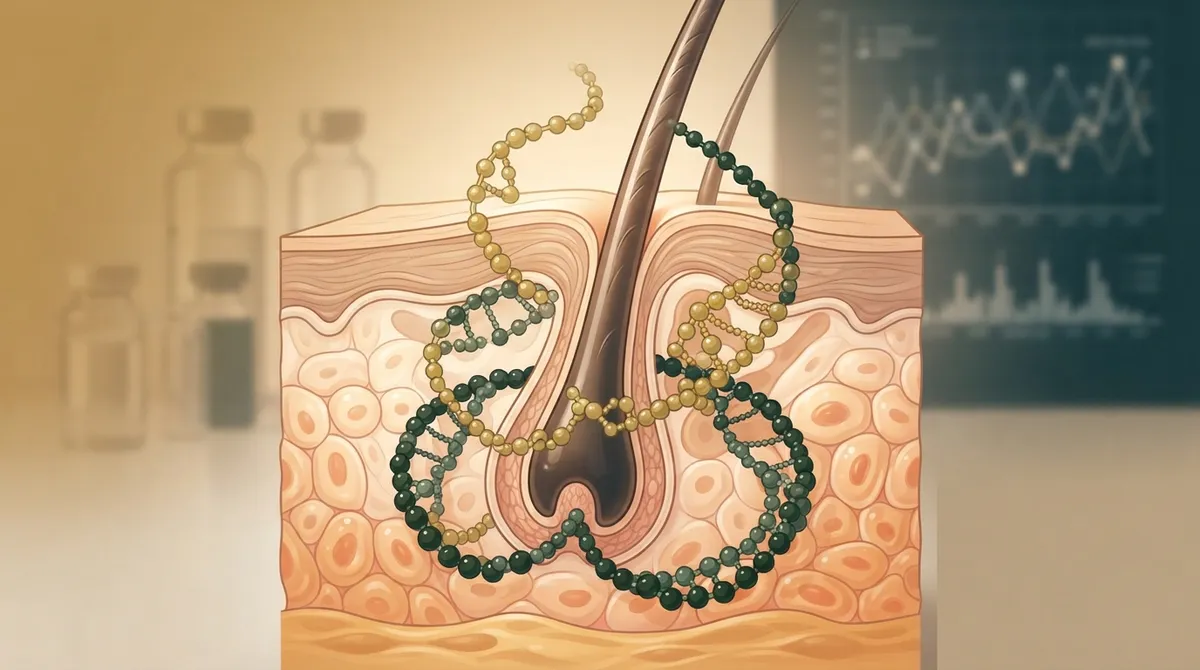
Peptides like GHK-Cu are supportive scalp regenerators, not hormone replacements—they work best alongside proven treatments like minoxidil and finasteride, not as standalone solutions for hormone-driven hair loss.
-
Get comprehensive blood work to identify your specific hormone cause (androgenetic alopecia, thyroid imbalance, postpartum drops, or menopause changes) before starting treatment, as this determines your personalized protocol.
-
No peptide is FDA-approved for hair loss yet; GHK-Cu shows early promise for reducing inflammation and supporting follicle signaling, but evidence remains early compared to decades of data behind minoxidil and finasteride.
-
Realistic peptide protocols typically involve monthly injections for 3-4 months followed by maintenance sessions every 8-12 weeks; results require patience, monitoring, and adjustments based on actual progress, not marketing claims.
-
Work with licensed medical providers for peptide therapy to ensure proper sourcing, blood work analysis, and side effect monitoring—self-treating with unregulated online products carries significant safety and effectiveness risks.
-
Women experiencing pattern hair loss should start with topical minoxidil 5% foam unless contraindicated, then add peptide support as a complementary layer, especially during menopause when hormone shifts accelerate thinning.
Watching your hair thin in the mirror is never fun. Maybe you’ve noticed more strands in the shower drain, or your part looks a little wider than it used to. If you’ve started researching hormone therapy for hair loss, you’ve probably run into a confusing mix of information about hormones, peptides, and regenerative treatments. Let’s clear things up together, in plain, friendly terms.
Here’s the short version: hormones like DHT play a huge role in hair thinning, but peptides are not classic hormone replacement drugs. Instead, peptides like GHK-Cu are being studied as regenerative helpers that support your scalp and follicles while your body deals with hormonal changes. Think of them as teammates, not the star player. In this article, we’ll walk through what actually works, what’s still being studied, and how personalized care through 8 Facts That Explain What Are Peptides in 2026 can help you build a smart, realistic plan.
What Hormone Therapy for Hair Loss Really Means
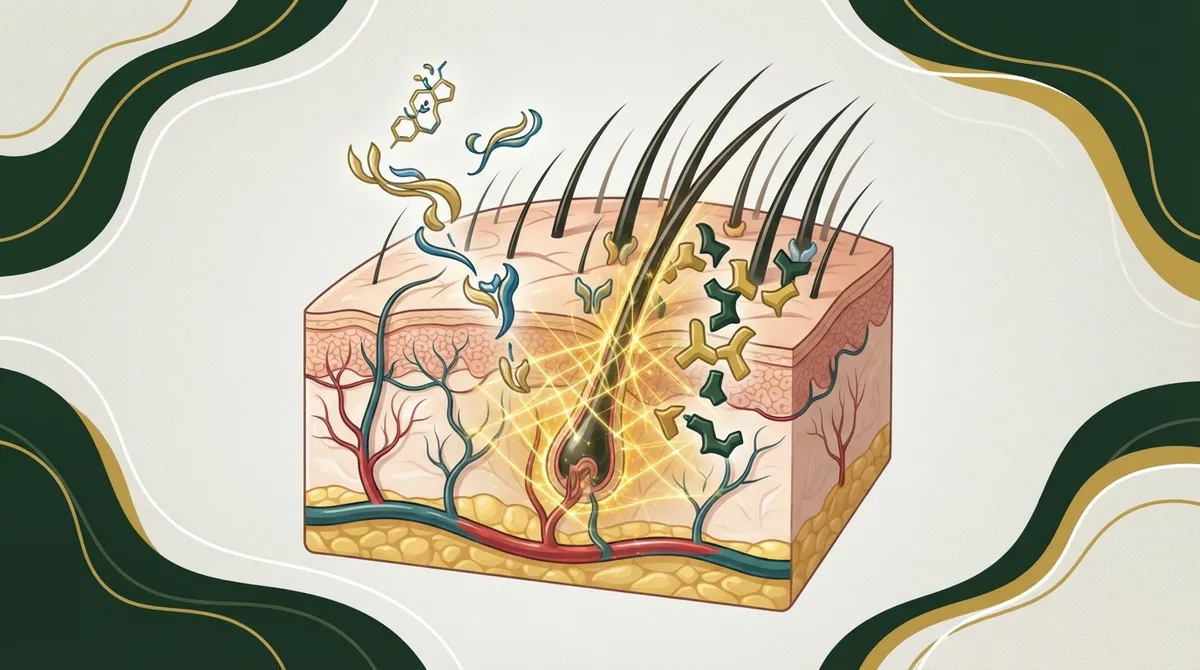
When people say “hormone therapy for hair loss,” they usually mean treatments that target hormone-driven hair thinning. The most common type is androgenetic alopecia, also known as male or female pattern hair loss. This happens when hormones called androgens, especially DHT, shrink hair follicles over time.
In traditional medicine, hormone-focused treatments include things like anti-androgen medications, 5-alpha-reductase inhibitors, and sometimes estrogen-related therapy for women. These approaches try to slow down or block the hormone signals that shrink follicles.
Peptide therapy takes a different angle. Instead of blocking hormones directly, certain peptides may support the scalp environment itself. This includes reducing inflammation, encouraging blood flow, and helping follicles function better. It’s regenerative support, not a hormone swap.
Why People Confuse Peptides with Hormone Treatments
Marketing can blur the lines here. You may have seen ads claiming that peptides like sermorelin trigger hair regrowth. But according to current research, there isn’t strong clinical evidence that hormone-stimulating peptides reliably regrow hair. It’s important to separate hopeful marketing from what science actually supports.
- Hormone therapies target androgen pathways directly
- Peptides mainly support scalp tissue and follicle signaling
- Some peptides may reduce inflammation linked to hair thinning
- No peptide currently replaces proven anti-androgen treatments
- Combining approaches may offer the most realistic results
The Role of GHK-Cu in Hair and Scalp Health
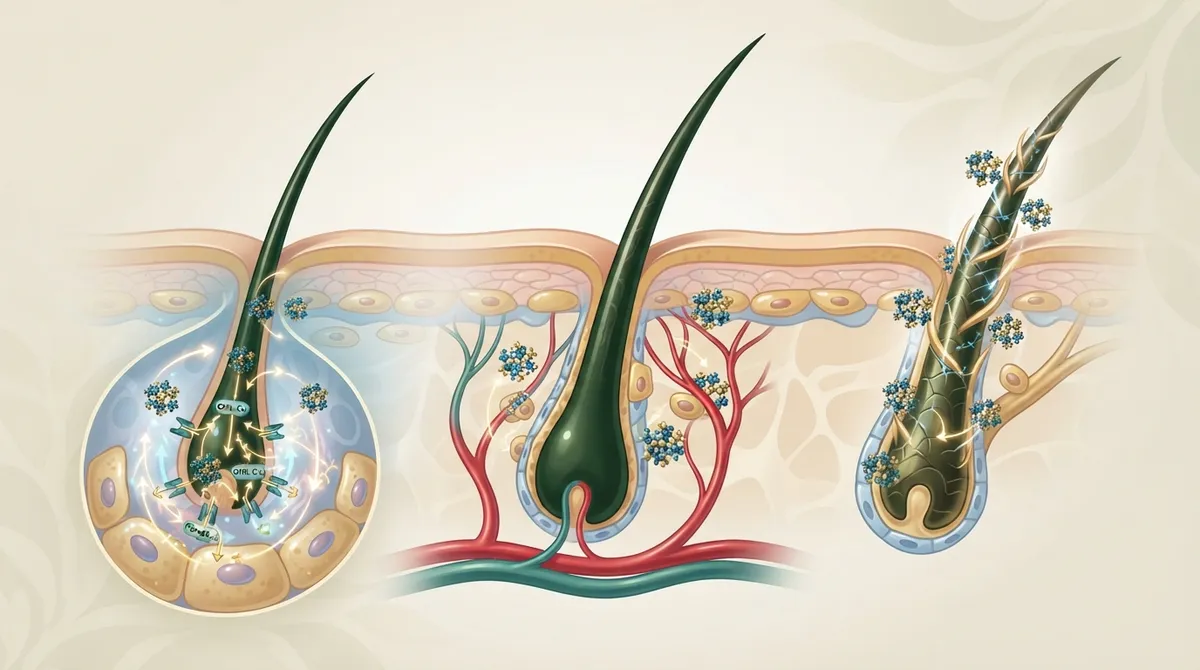
If you’ve read anything about peptides and hair, you’ve probably seen GHK-Cu mentioned. This copper tripeptide is the most studied hair-related peptide right now. Researchers are looking at how it may support follicle signaling, calm inflammation, and help repair scalp tissue.
A recent overview of short peptides for hair loss, published on the National Library of Medicine database, notes that GHK-Cu shows promise for supporting healthier scalp conditions. However, the evidence is still early compared to long-established treatments.
That doesn’t mean GHK-Cu is useless. It simply means it works best as part of a bigger picture, not as a stand-alone miracle fix.
What Makes GHK-Cu Interesting to Researchers
- It may help calm scalp inflammation linked to hair shedding
- It could support collagen and tissue repair around follicles
- Early lab studies suggest it may influence hair growth signaling
- It’s often included in regenerative scalp protocols alongside other ingredients
- Researchers are still working to confirm long-term results in humans
How Peptides Compare to Proven Hair Loss Treatments
Let’s be honest with each other. If you’re dealing with hormone-related hair thinning, the treatments with the strongest track record are still minoxidil, finasteride, and for some women, hormone-focused prescriptions. Peptides are exciting, but they haven’t reached that same level of proof yet.
A 2026 review of topical and nutricosmetic hair products lists peptides among common cosmetic ingredients used for hair support, right alongside minoxidil and finasteride. This tells us peptides are becoming part of the conversation, but they’re playing a supporting role for now.
| Treatment Type | How It Works | Evidence Level | FDA Approved for Hair Loss |
|---|---|---|---|
| Minoxidil (topical) | Increases blood flow to follicles | Strong, decades of data | Yes |
| Finasteride | Blocks DHT conversion | Strong, long-term studies | Yes |
| GHK-Cu Peptide | Supports scalp repair and signaling | Early-stage, growing | No |
| PRP/Growth Factor Injections | Delivers concentrated growth factors | Moderate, more studies needed | No |
As you can see, peptides sit in a newer, still-developing category. That’s not a bad thing. It just means expectations should stay realistic.
Is Hormone-Related Hair Loss the Same as Androgenetic Alopecia
This is one of the most common questions people ask, and it’s a good one. Hormone-related hair loss and androgenetic alopecia often overlap, but they’re not always identical twins.
Androgenetic alopecia is specifically tied to genetic sensitivity to androgens, especially DHT. Other hormone-related hair loss can come from thyroid imbalances, postpartum hormone shifts, or menopause-related changes. That’s why blood work matters so much before starting any treatment plan.
Common Hormone-Related Causes of Hair Thinning
- Androgenetic alopecia (genetic sensitivity to DHT)
- Thyroid hormone imbalances
- Postpartum hormone drops
- Perimenopause and menopause changes
- Chronic stress affecting cortisol and other hormones
This is exactly why personalized care matters so much. A cookie-cutter approach won’t fix a problem that’s rooted in your unique hormone patterns. This is where working with a provider who reviews your labs, like the team behind How to Start Peptide Therapy Safely and See Real Results, can make a real difference.
What a Realistic Peptide-Supported Protocol Looks Like
If you decide to explore peptides as part of your hair health journey, it helps to know what a realistic timeline looks like. According to one regenerative protocol, injection-based peptide or PRP care often starts with monthly sessions for the first three to four months. After that, many people move to maintenance sessions every eight to twelve weeks.
This is practice-based guidance, not a universal rule. Your body, your hormones, and your hair loss pattern are unique, so your plan should be too.
Steps for a Thoughtful Approach
- Get comprehensive blood work to check hormone and thyroid levels
- Discuss your hair loss pattern and family history with a licensed provider
- Consider proven first-line treatments like topical minoxidil
- Explore peptide-based scalp support as an added layer, not a replacement
- Track progress with photos and follow-up labs every few months
- Adjust the plan based on real results, not just hope
This step-by-step mindset applies to more than just hair. It’s the same philosophy behind How to Start Peptide Therapy the Smart, Safe Way, where results come from patience and proper monitoring, not shortcuts.
Female Pattern Hair Loss and Peptide Support
Women often feel overlooked in hair loss conversations, but female pattern hair loss is incredibly common, especially during and after menopause. According to hair loss reviews, most women start with topical minoxidil 5% foam unless there’s a reason it’s not safe for them.
Peptides may offer additional scalp support for women dealing with thinning, especially when hormone shifts are part of the picture. But just like with men, peptides work best as a complement to proven treatments, not a replacement.
If you’re a woman exploring options beyond hair, it’s worth learning more about peptides for women designed around your specific hormone and wellness goals.
Safety, Side Effects, and Realistic Expectations
No treatment is completely risk-free, and that includes peptides. While many peptides are generally well tolerated, possible side effects can include injection site irritation, temporary redness, or mild allergic reactions. Because peptides for hair loss are not FDA-approved specifically for that purpose, quality control and sourcing matter enormously.
This is why working with licensed medical providers is so important. Self-treating with unregulated products online can be risky and unpredictable.
Smart Questions to Ask Before Starting
- Is this peptide sourced from a reputable, tested supplier
- Will my treatment be based on my actual blood work
- What results are realistic in three, six, and twelve months
- How will my provider monitor side effects
- What happens if this approach doesn’t work for me
According to a general overview of what are peptides, these small protein chains can influence many body functions, but responsible use always requires medical guidance. That guidance is exactly what separates a safe protocol from a risky guessing game.
Why Personalized, Telehealth-Based Care Makes a Difference
Hormone-related hair loss rarely has one single cause. That’s why blood work-driven, personalized plans tend to outperform generic hair vitamins or one-size-fits-all peptide kits. When your provider actually sees your hormone levels, they can build a plan around your body, not a general population average.
This is exactly the philosophy behind Allura Longevity. As a telehealth peptide therapy provider, Allura Longevity uses LabCorp blood work to design personalized six-month treatment plans, delivered right to your door. Care is led by Ashley, a board-certified Family Nurse Practitioner, with ongoing monitoring built into every plan.
| Step | What Happens |
|---|---|
| 1. Virtual Consultation | Starts at $50 to discuss your goals and history |
| 2. Blood Work | Comprehensive labs through LabCorp |
| 3. Custom Plan | Six-month personalized peptide protocol |
| 4. Home Delivery | Peptides shipped directly to your door |
| 5. Ongoing Monitoring | Adjustments made by licensed providers |
Because hormones affect so much more than hair, many clients also explore related goals like energy, metabolism, and recovery. If you’re curious how these systems connect, How to Pick Peptides for Energy That Actually Work is a helpful next read.
Bringing It All Together
Hormone therapy for hair loss, in the peptide world, isn’t about replacing your hormones directly. It’s about supporting your scalp and follicles while proven treatments do the heavy lifting on the hormone side. GHK-Cu and similar peptides show promising early research, according to sources like recent pharmacology reviews, but they work best as thoughtful additions to your routine, not stand-alone cures.
The most important step you can take is getting real answers through proper testing. Guessing wastes time, money, and hope. A personalized plan, built on your actual hormone levels, gives you the clearest path forward.
If you’re ready to stop guessing and start understanding what’s really happening with your hormones and hair, now is a great time to act. Spots for new clients are limited each month, so don’t wait too long. You can request a consultation today and take the first step toward a plan built just for you. You deserve answers, not just another bottle of shampoo promises.
FAQs
Q: Do peptides actually work for hormone-related hair loss?
A: Peptides like GHK-Cu show promising early research for supporting scalp health and follicle signaling, but they’re not proven to fix hormone-driven hair loss on their own. Think of them as helpful teammates alongside proven treatments, not a solo solution.
Q: What is the best peptide for hair loss?
A: GHK-Cu is currently the most studied peptide connected to hair and scalp health. That said, research is still early, so it’s best used as part of a bigger, personalized plan rather than expected to work miracles by itself.
Q: Is GHK-Cu effective for androgenetic alopecia?
A: GHK-Cu may support scalp repair and reduce inflammation, which could help the overall environment for hair growth. However, it hasn’t been shown to directly reverse androgenetic alopecia the way medications like finasteride can.
Q: Are peptide treatments FDA-approved for hair loss?
A: No peptide currently has FDA approval specifically for treating hair loss. That’s why working with a licensed provider matters, so you get honest expectations instead of exaggerated marketing claims.
Q: How do peptide therapies compare with minoxidil or finasteride?
A: Minoxidil and finasteride have decades of strong research behind them for hormone-related hair loss, while peptides are still considered early-stage support. Many people use peptides alongside these treatments rather than instead of them.





