

Key Takeaways
-
GLP-1 receptor agonists (semaglutide, tirzepatide) are the most prescribed peptides for weight loss, working by mimicking gut hormones to reduce appetite and regulate blood sugar with sustainable results.
-
Peptide therapy requires personalized medical evaluation including baseline blood work and licensed provider consultation—never follow a friend's protocol or purchase from unregulated sellers.
-
Growth hormone secretagogues like sermorelin and ipamorelin stimulate your body's natural growth hormone release for improved sleep, recovery, and body composition without daily injections.
-
Healing peptides such as BPC-157 and TB-500 accelerate tissue and tendon repair, making them popular among athletes and active adults recovering from injuries or surgery.
-
Peptides are delivered through multiple methods (injections, nasal sprays, topical creams, oral capsules, patches), with at-home injections being most common for weight loss and recovery protocols.
-
Some peptides like certain GLP-1s are FDA-approved medications, while others operate through compounding pharmacies or research settings—verify regulatory status and source through licensed providers only.
Walking into the world of peptides can feel a little like standing in front of a huge menu with no descriptions. Semaglutide, BPC-157, sermorelin, ipamorelin—so many names, so many promises. If you have ever wondered which option actually fits your body and your goals, you are in good company. Understanding the main types of peptide therapy is the first step toward feeling confident about your choice, instead of just guessing.
The good news? Peptides are not one-size-fits-all, and that is actually a gift. It means there is likely a peptide protocol built for your specific needs, whether that is shedding stubborn weight, healing an old injury, sleeping better, or simply feeling like yourself again. This guide breaks down the major types of peptide therapy in plain language, so you can walk into your next conversation with a provider feeling informed and empowered.

What Is Peptide Therapy, Really?
Peptides are small chains of amino acids that act like messengers in your body. They tell your cells what to do, whether that is burning fat, repairing tissue, or releasing hormones. According to what are peptides, these tiny molecules occur naturally, but lab-made versions can be used to boost specific functions that may slow down as we age.
Peptide therapy simply means using these targeted molecules, under medical guidance, to support a health goal. Some peptides are approved prescription medications. Others are used more in wellness and recovery settings. If you want a deeper primer, our article on 8 Facts That Explain What Are Peptides in 2026 is a great next stop.
How Peptide Therapies Are Classified
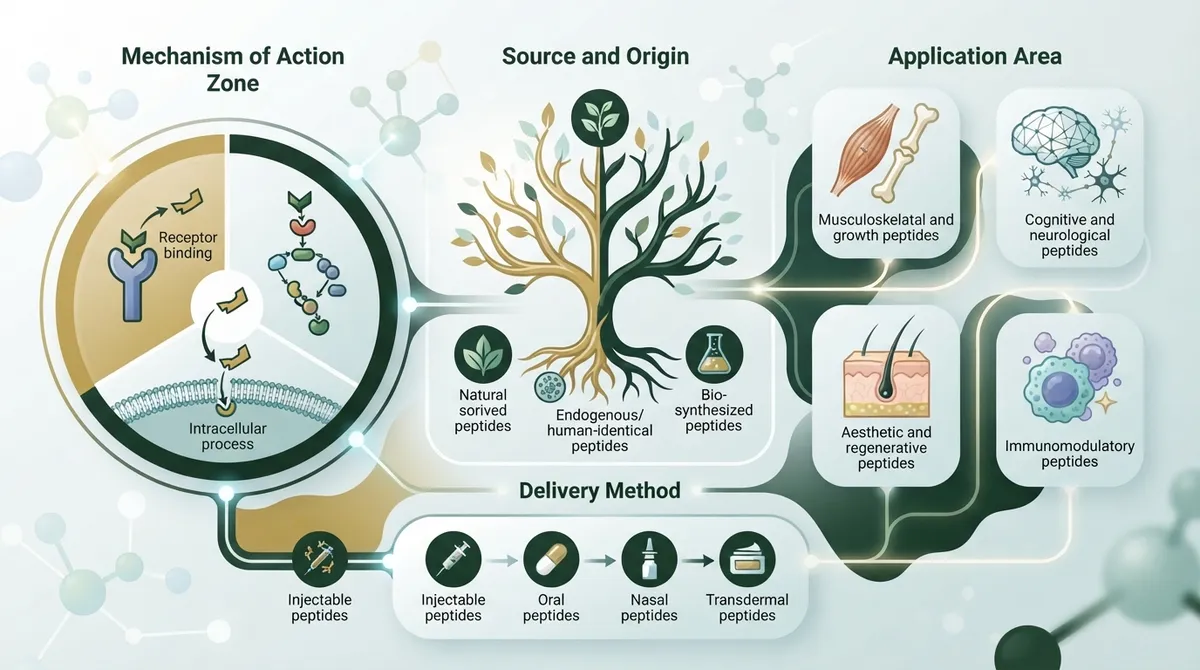
Here is where things get interesting. There is not one universal naming system for peptides. Instead, experts usually group them by what they actually do in the body. A clinical review published through the National Library of Medicine highlights peptides as a major platform in modern medicine, with roles ranging from targeted therapy to diagnostic imaging.
For everyday purposes, think of peptide therapy as falling into a handful of functional categories. Understanding these categories will help you talk to your provider about exactly what you are hoping to achieve.
The Main Functional Categories
- GLP-1 receptor agonists — the most talked-about category in 2026, used for weight loss and metabolic health.
- Growth hormone secretagogues — support the body’s natural release of growth hormone for recovery and body composition.
- Healing and tissue repair peptides — aid injury recovery, joint support, and inflammation reduction.
- Peptide hormones — regulate processes like reproduction, stress response, and metabolism.
- Neuropeptides — influence mood, sleep, and cognitive function.
- Cosmetic and skin peptides — support collagen production and skin firmness.
- Antimicrobial peptides — help support immune defense against pathogens.
Another way the industry separates peptides is by how they are made: bioactive peptides found naturally in foods, synthetic peptides created in a lab, and recombinant peptides produced using biotechnology methods. Knowing this distinction can help you understand why some options are more studied than others.
1. GLP-1 Peptide Therapy for Weight Loss
If you have scrolled social media at all this year, you have probably heard about semaglutide and tirzepatide. These GLP-1 receptor agonists are currently the most widely prescribed peptide category, and for good reason. They work by mimicking a natural gut hormone that helps regulate appetite and blood sugar.
Many of our clients come to us specifically for this type of support. If you are curious about how these medications work, check out How to Understand GLP-1 Peptide Therapy in 2026. We also break down real results in Which Weight Loss Peptides Actually Work in 2026?
- Helps reduce appetite and food cravings
- Supports steady, sustainable weight loss
- May improve blood sugar regulation
- Often paired with lifestyle coaching for best results
Like any medication, GLP-1 peptides can cause side effects such as nausea or digestive changes. Our guide on What Causes GLP-1 Side Effects and How to Manage Them? walks through simple ways to feel more comfortable during treatment.
2. Growth Hormone Secretagogues
This category includes peptides like sermorelin, CJC-1295, and ipamorelin. Instead of introducing synthetic growth hormone directly, these peptides encourage your pituitary gland to release more of your own. Many people describe better sleep, improved recovery, and gradual changes in body composition.
This category is popular with biohackers and busy professionals who want results without daily hassle. If muscle gain is part of your goal, take a look at 14 Peptides for Muscle Gain Worth Knowing (2026) or Peptides for Muscle Building: What Really Works in 2026.
3. Healing and Tissue Repair Peptides
If you are nursing a nagging shoulder injury or recovering from surgery, this category may catch your attention. BPC-157 and TB-500 are two of the most discussed peptides for tendon, ligament, and general tissue repair. They are often used alongside physical therapy or training programs.
We go into detail in 13 Facts About TB-500 Peptide You Need in 2026 and 6 Peptides for Wound Healing Worth Knowing in 2026. These are especially popular among athletes and active adults trying to bounce back faster.
4. Peptides for Energy, Sleep, and Mental Clarity
Not every peptide is about weight or muscle. Some are designed to support your daily energy and focus. If you are dragging through afternoons or waking up groggy, certain peptide protocols may help restore that natural spark.
Our article How to Pick Peptides for Energy That Actually Work covers this topic in a way that is easy to apply to your own routine, no lab coat required.
5. Cosmetic and Skin Rejuvenation Peptides
Aging adults and wellness seekers often gravitate toward this category. These peptides support collagen production, skin elasticity, and a more youthful appearance. They are commonly delivered through topical creams, though some are also available as injectables.
If hair thinning is a concern alongside skin health, our piece on Why Does Hormone Therapy for Hair Loss Need Peptides? connects the dots between hormones and peptide support.
How Peptide Therapies Are Delivered
One of the most practical questions people ask is simply: how do I actually take this stuff? The answer depends on the peptide and what it is targeting. A 2026 clinical guide notes that peptide therapy can be delivered through injection, nasal spray, topical application, transdermal patches, or oral capsules.
| Delivery Method | Common Use Case | Convenience Level |
|---|---|---|
| Subcutaneous injection | GLP-1s, growth hormone secretagogues, BPC-157 | High (at-home, once trained) |
| Topical cream | Skin and cosmetic peptides | Very high |
| Nasal spray | Certain neuropeptides | High |
| Oral capsule | Select bioregulator peptides | Very high |
| Transdermal patch | Slow-release peptide formulas | High |
Feeling nervous about giving yourself an injection? You are not alone, and it gets easier with practice. Our guide How to Prepare for Safe, Effective Peptide Injections walks through the process step by step.
Comparing the Major Types of Peptide Therapy
| Type | Primary Goal | Common Examples | Best For |
|---|---|---|---|
| GLP-1 receptor agonists | Weight loss, metabolism | Semaglutide, tirzepatide | Weight management |
| Growth hormone secretagogues | Recovery, body composition | Sermorelin, ipamorelin, CJC-1295 | Biohackers, aging adults |
| Healing peptides | Tissue repair | BPC-157, TB-500 | Athletes, injury recovery |
| Cosmetic peptides | Skin, collagen support | Copper peptides, collagen stimulators | Anti-aging, skin health |
| Neuropeptides | Mood, sleep, cognition | Selank, semax | Stress and focus support |
Choosing the Right Type for Your Goals
With so many options, how do you actually decide? The smartest approach is to start with your specific goals and let those guide the conversation with a licensed provider. Guessing on your own, or following a friend’s protocol, is rarely a good idea.
- Identify your top health priority, whether it is weight, recovery, energy, or aging support.
- Get comprehensive blood work to understand your baseline hormone and metabolic markers.
- Discuss your goals and labs with a licensed medical provider.
- Choose a peptide protocol matched to your body, not a generic template.
- Start treatment with proper training on dosing and administration.
- Track your progress and adjust the plan every few months.
This is exactly the process we use at Allura Longevity. Clients start with an affordable virtual consultation, complete labs through LabCorp, and receive a personalized six-month plan shipped straight to their door. If you want to understand this process in more depth, read How to Start Peptide Therapy Safely and See Real Results or How to Start Peptide Therapy the Smart, Safe Way.
Single Peptides vs. Peptide Stacks
Some people do best on a single, targeted peptide. Others benefit from a thoughtful combination, often called a stack, that addresses multiple goals at once. There is no universally right answer here, and that is exactly why personalized care matters so much.
Our article Single Peptides vs. Peptide Stacks: Which Wins? breaks down the pros and cons of each approach so you can have an informed conversation with your provider.
Safety, Regulation, and What to Watch For
Not all peptides carry the same regulatory status. Some, like certain GLP-1 medications, are FDA-approved prescription drugs. Others are considered research chemicals or are available through compounding pharmacies, which means the oversight looks different.
- Always source peptides through a licensed medical provider, never an unregulated online seller
- Ask whether the peptide has FDA approval or is used off-label
- Discuss any existing conditions or medications before starting
- Expect regular monitoring and lab work throughout treatment
- Report side effects to your provider right away
Working with a telehealth provider licensed in your state is one of the safest ways to access peptide therapy responsibly. If you are weighing your options, our comparison guide Local Clinic vs. Telehealth: Best Peptide Therapy Near You? is worth a read.
Why Personalized Plans Matter So Much
Here is the honest truth: the “best” type of peptide therapy is the one matched to your unique biology. Two people with the same weight loss goal might need completely different approaches based on their metabolism, hormone levels, and health history.
At Allura Longevity, every plan begins with real blood work, not guesswork. Our team, led by board-certified Family Nurse Practitioner Ashley, reviews your labs and designs a six-month protocol tailored to you. Whether you are exploring peptides for women or peptides for men, the process stays personal, supportive, and grounded in your actual results.
Frequently Explored Peptide Applications
Beyond the categories above, peptide therapy also touches on areas like gut health, athletic performance, and even testosterone support. If any of these resonate with you, these resources can help you go deeper:
- Which Peptides for Gut Health Actually Have Evidence?
- 11 Best Peptides for Athletes Worth Knowing in 2026
- How to Pick the Best Peptides for Aging in 2026
- How Do GHRP Peptides Really Work in Your Body?
Ready to Find Your Type of Peptide Therapy?
Choosing among the many types of peptide therapy does not have to feel overwhelming. Once you understand the categories, the delivery methods, and how personalized care works, the whole process becomes much clearer. You deserve a plan built around your body, your goals, and your everyday life.
Spots fill up each month, so if you are ready to explore a peptide plan designed just for you, now is a great time to reach out. You can request a consultation with our licensed team and take the first step toward feeling like your best self again. We are proud to serve clients across Florida, Georgia, Texas, Connecticut, Indiana, Maryland, New York, and California, and we would love to welcome you next.
FAQs
Q: What are the main types of peptide therapy?
A: The main types include GLP-1 receptor agonists for weight loss, growth hormone secretagogues for recovery and body composition, healing peptides like BPC-157 for tissue repair, plus cosmetic and neuropeptides for skin and mood support. Each type targets a different function in your body, so the right choice really depends on your personal goals.
Q: Which peptide therapy is best for weight loss?
A: GLP-1 receptor agonists, like semaglutide and tirzepatide, are currently the most popular and well-studied option for weight management. They work by curbing appetite and supporting steady blood sugar levels, and many of our clients see meaningful, sustainable progress with the right personalized plan.
Q: How are peptide therapies administered?
A: Great question! Peptides can be given through injections, nasal sprays, oral capsules, topical creams, or transdermal patches, depending on the specific peptide and its target. Most weight loss and recovery peptides use simple at-home injections, which become quick and comfortable with a little practice.
Q: Are peptide therapies FDA approved?
A: It really depends on the peptide. Some, like certain GLP-1 medications, are FDA-approved prescription drugs, while others are used more in wellness or compounding settings with less formal regulation. That is exactly why working with a licensed provider matters so much for safety and quality.
Q: What is the difference between GLP-1 peptides and growth hormone peptides?
A: GLP-1 peptides primarily target appetite and metabolism, making them a go-to for weight loss. Growth hormone secretagogues, on the other hand, encourage your body to release more of its own growth hormone, which supports recovery, sleep, and body composition over time.





