
Key Takeaways
-
Peptides are short amino acid chains that act as cellular messengers, binding to specific receptors to trigger targeted responses like tissue repair and hormone balance, making them more precise than traditional medications that affect entire systems.
-
Peptide therapy requires personalized evaluation through bloodwork and provider assessment, not self-directed experimentation, with some peptides FDA-approved while others are used clinically under supervision for non-approved applications.
-
Common reasons people pursue peptide therapy include improving energy without caffeine, accelerating workout/injury recovery, supporting weight management, enhancing skin and hair, and accessing personalized care instead of generic health advice.
-
Administration methods are flexible and convenient, including at-home subcutaneous injections, oral capsules, topical creams, and nasal sprays, with most people finding home administration manageable after initial guidance.
-
Peptide therapy differs from hormone therapy by signaling your body to produce its own hormones and targeting specific pathways rather than directly replacing hormone levels, though some treatment plans combine both approaches.
-
Sourcing quality and working with licensed providers is critical, as peptide quality and purity vary widely between suppliers, and reputable clinics provide ongoing monitoring to adjust treatment plans based on individual progress.
Have you ever wondered why some people seem to bounce back faster, sleep better, and just feel more like themselves? Chances are, you’ve heard someone mention peptide therapy and wondered what all the buzz is about. You’re in the right place, and we’re so glad you’re here.
This guide breaks down what is peptide therapy in plain, friendly language. No confusing medical jargon, no overwhelming science lectures. Just clear answers so you can decide if this path fits your health goals. Whether you’re chasing better energy, smoother skin, or faster recovery, understanding the basics is your first smart step.

What Is Peptide Therapy, Exactly?
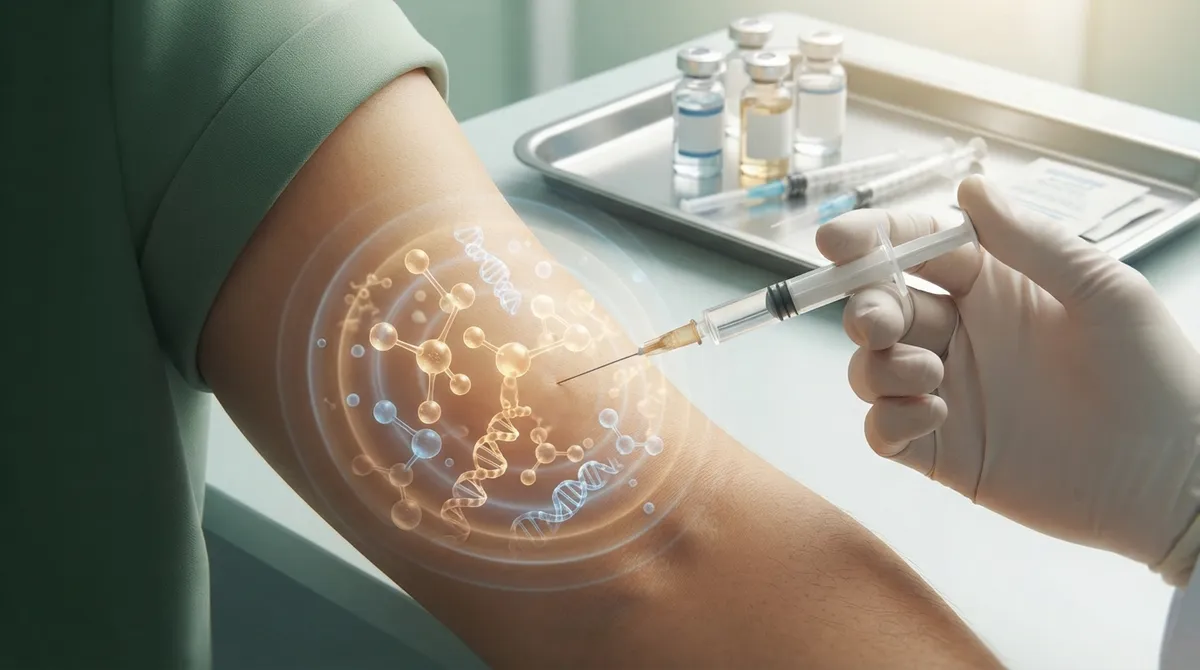
Peptide therapy is the medical use of peptides to support specific functions in your body. Peptides are short chains of amino acids, the building blocks of protein. Think of them as tiny messengers that tell your cells what to do.
These molecules act as signaling agents. They bind to specific receptors and trigger targeted responses, like boosting tissue repair or supporting hormone balance. According to what are peptides, these compounds occur naturally in your body but can also be created synthetically for therapeutic use.
In clinical settings, peptide therapy is typically prescribed after reviewing your bloodwork and health history. A licensed provider designs a plan around your unique needs. This is very different from generic supplements you might grab off a shelf.
The Science Behind the Signals
Peptides are usually described as chains of about 2 to 50 amino acids. Some sources use a simpler rule of thumb: 25 or fewer amino acids. Their small size, generally between 500 and 5,000 Da in molecular weight, allows them to move through the body efficiently and interact with precision.
A 2022 review published through the National Library of Medicine describes therapeutic peptides as a unique pharmaceutical class. They show high affinity and specificity for cell-surface receptors. In simple terms, they know exactly where to go and what to do once they get there.

Why People Are Turning to Peptide Therapy in 2026
More health optimizers, busy professionals, and aging adults are exploring peptide therapy than ever before. Life gets demanding, and many of us want support that actually targets our specific concerns instead of a one-size-fits-all approach.
Here are some of the top reasons people are giving peptide therapy a try:
- They want more consistent energy without relying on caffeine all day.
- They’re noticing slower recovery after workouts or injuries.
- They’re interested in healthy weight management that fits their lifestyle.
- They want to support skin, hair, and overall vitality as they age.
- They’re looking for personalized care instead of generic health advice.
- They value convenience and want treatment that works with a busy schedule.
If any of these resonate with you, you’re definitely not alone. To learn more about the foundation of this approach, check out 8 Facts That Explain What Are Peptides in 2026.
How Peptide Therapy Works in the Body
Let’s talk about what actually happens once a peptide enters your system. It’s genuinely fascinating, and understanding it helps you feel more confident about your treatment.
Step-by-Step: The Peptide Process
- The peptide enters your body through injection, oral use, or another method your provider recommends.
- It travels through your bloodstream to reach target tissues or organs.
- The peptide binds to a specific receptor on a cell, like a key fitting into a lock.
- This binding triggers a biological response, such as releasing a hormone or signaling repair.
- Your body responds according to the message, supporting processes like metabolism, healing, or immune activity.
This targeted approach is part of why peptide therapeutics are often described as more precise than many traditional medications. They aim at specific pathways instead of flooding your whole system.
Common Types of Peptide Therapy
There’s a wide range of peptides used in clinical and wellness settings today. Some are FDA-approved medications, while others are used more broadly in personalized care plans.
| Peptide Category | Primary Use | Common Goal |
|---|---|---|
| GLP-1 Peptides | Weight management | Appetite control and metabolic support |
| Growth Hormone Peptides | Anti-aging and recovery | Muscle repair and vitality |
| BPC-157 | Injury recovery | Tissue healing and inflammation support |
| Sexual Wellness Peptides | Hormonal and intimate health | Improved libido and function |
| Skin and Hair Peptides | Cosmetic support | Collagen production and rejuvenation |
Not every peptide fits every person. That’s why a personalized evaluation matters so much before starting any protocol. If you’re curious about fat loss options specifically, this guide on 13 Peptides for Fat Loss That Really Work in 2026 is a great next read.
Is Peptide Therapy FDA-Approved?
This is one of the most common questions we hear, and it deserves an honest answer. Some peptides, like insulin and certain GLP-1 medications, are FDA-approved for specific conditions. Others are used in clinical settings under provider supervision but are not approved for every use people are trying them for.
It’s important to work with a provider who understands this distinction clearly. A trustworthy peptide therapy clinic will always be transparent about which treatments have strong clinical backing and which are considered more experimental. This honesty builds real trust and keeps you safe.
Benefits People Commonly Report
While results vary from person to person, many clients report noticeable improvements across several areas of wellness. Here’s what people often experience with a well-designed peptide plan:
- Improved energy levels throughout the day.
- Better sleep quality and more restful nights.
- Faster recovery after exercise or injury.
- Support for healthy weight loss goals.
- Smoother, more radiant-looking skin.
- Enhanced mental clarity and focus.
These benefits are one reason peptide therapy has become such a popular topic among biohackers and wellness seekers who track their progress closely.
Risks and Things to Know Before Starting
Like any medical treatment, peptide therapy comes with things you should understand before diving in. Being informed is part of being a smart, empowered patient.
Important Considerations
- Peptide therapy should always be guided by a licensed medical provider, not a self-directed experiment.
- Bloodwork helps ensure the treatment plan actually matches your body’s needs.
- Some peptides are research-only and not approved for general human use.
- Side effects can occur, so ongoing monitoring is essential.
- Sourcing matters. Quality and purity vary widely between suppliers.
This is exactly why working with a reputable telehealth provider matters so much. If you want a deeper walkthrough on getting started responsibly, take a look at How to Start Peptide Therapy Safely and See Real Results.
How Peptide Therapy Is Administered
You might be picturing daily needles, but the reality is often more flexible than you’d think. Administration depends on the specific peptide and your treatment goals.
- Subcutaneous injections, which are typically small and manageable at home.
- Oral capsules for certain formulations.
- Topical creams for localized skin support.
- Nasal sprays for select peptide types.
Most people find that with a little guidance, at-home administration becomes a simple part of their routine, much like taking a daily vitamin.
Peptide Therapy vs. Hormone Therapy: What’s the Difference?
These two are often confused, so let’s clear it up. Hormone therapy typically involves replacing hormones directly, like testosterone or estrogen. Peptide therapy, on the other hand, often works by signaling your body to produce more of its own hormones or by targeting other specific functions like tissue repair.
| Feature | Peptide Therapy | Hormone Therapy |
|---|---|---|
| Mechanism | Signals cells to trigger a response | Directly replaces hormone levels |
| Scope | Targets specific pathways precisely | Broader systemic hormone effect |
| Common Uses | Recovery, weight, skin, energy | Menopause, low testosterone, thyroid issues |
Some treatment plans actually combine both approaches for comprehensive results, especially for things like testosterone replacement paired with recovery-focused peptides.
Choosing Between Local Clinics and Telehealth
One of the biggest decisions you’ll face is where to get your care. Local clinics offer in-person visits, but they often come with long wait times and limited flexibility. Telehealth providers, on the other hand, bring personalized peptide therapy right to your door.
For a detailed comparison, this article on Local Clinic vs. Telehealth: Best Peptide Therapy Near You? breaks down the pros and cons of each option.
Why Telehealth Is Winning Over Busy Professionals
Busy schedules don’t leave much room for waiting rooms. Telehealth peptide therapy fits into your life instead of the other way around. You get lab testing, provider consultations, and home delivery, all without rearranging your entire week.
How Allura Longevity Makes Peptide Therapy Simple
At Allura Longevity, the process starts with a simple $50 virtual consultation. From there, you’ll complete bloodwork through LabCorp so your provider truly understands your body’s unique needs. This isn’t guesswork. It’s personalized medicine.
Your six-month treatment plan is designed by licensed providers, led by Ashley, a board-certified Family Nurse Practitioner. Everything ships straight to your home, and your care includes ongoing monitoring so your plan can be adjusted as you progress. This approach supports both peptides for women and peptides for men, covering goals from weight loss to injury recovery with BPC-157 to testosterone support.
Allura Longevity currently serves clients in Florida, Georgia, Texas, Connecticut, Indiana, Maryland, New York, and California, with telehealth care available nationwide within licensed states. If you’re curious about which options might work best for your goals, this resource on Which Weight Loss Peptides Actually Work in 2026? is worth exploring.
Is Peptide Therapy Right for You?
Only you and a qualified provider can answer that question with confidence. But if you’re nodding along to any of these statements, it might be worth exploring:
- You want a personalized plan instead of generic advice.
- You’re ready to invest in your long-term vitality.
- You value convenience and prefer care that fits your schedule.
- You’re already tracking your health and want to go further.
- You want licensed medical guidance, not guesswork.
Spots for new clients open up monthly, and they tend to fill quickly. If you’ve been on the fence, now is a great time to explore your options and take that first confident step.
Your Next Step Toward Feeling Your Best
Understanding what is peptide therapy is the first step toward making an informed, empowered decision about your health. You’ve learned how peptides work, what benefits people commonly report, and how personalized, telehealth-based care can fit seamlessly into your busy life. That’s a lot of great knowledge to carry forward.
If you’re ready to see what a customized peptide plan could do for your energy, recovery, and overall vitality, we’d love to help you take that next step. Request a consultation today and start your personalized journey with licensed providers who genuinely care about your results. You deserve a plan built just for you, and we’re here to help you feel amazing, one step at a time.
FAQs
Q: What is peptide therapy in simple terms?
A: Peptide therapy uses short chains of amino acids to send specific signals to your cells, helping support things like energy, recovery, and hormone balance. Think of peptides as tiny messengers guiding your body toward better function. It’s personalized, targeted care rather than a one-size-fits-all approach.
Q: How does peptide therapy work in the body?
A: Once a peptide enters your bloodstream, it travels to specific cells and binds to matching receptors, kind of like a key fitting a lock. This triggers a targeted response, such as tissue repair or hormone release. It’s a precise process, which is why many people love how focused the results can feel.
Q: Is peptide therapy FDA-approved?
A: Some peptides, like certain GLP-1 medications and insulin, are FDA-approved for specific uses. Others are used in clinical wellness settings under provider supervision but aren’t approved for every application. A trustworthy provider will always be upfront about which is which, so you can feel confident in your care.
Q: What conditions is peptide therapy used for?
A: People commonly use peptide therapy to support weight management, muscle recovery, skin rejuvenation, energy, sleep, and sexual wellness. It’s also used for injury recovery and hormone support in personalized plans. Your exact protocol depends on your bloodwork and personal health goals.
Q: How is peptide therapy administered?
A: Most peptides are given through simple at-home injections, though some come as oral capsules, topical creams, or nasal sprays. Your provider will recommend the method that fits your specific treatment plan best. Many clients find it easier than expected once they get into a comfortable routine.





