

Key Takeaways
-
Longevity care focuses on healthspan (years feeling vibrant and capable) rather than lifespan, emphasizing quality of life through sleep, energy, recovery, and movement over simply extending years lived.
-
Most popular longevity peptides like BPC-157 and TB-500 lack large-scale human trials; only FDA-approved peptides like semaglutide/tirzepatide have strong evidence, and they're proven for specific conditions like diabetes, not universal anti-aging.
-
Before considering peptides, establish fundamentals: comprehensive blood work, adequate sleep (7-9 hours), resistance training 2-3x weekly, nutrient-dense diet, and stress management—peptides should only supplement these proven habits.
-
Work exclusively with licensed telehealth providers offering lab work through trusted sources, personalized treatment plans, and ongoing monitoring; avoid products labeled 'research use only' or sellers skipping blood work and promising guaranteed results.
-
Medically supervised telehealth peptide programs reduce contamination and dosing errors compared to unregulated DIY sourcing, offering verified product quality, personalized dosing based on labs, and scheduled monitoring adjustments.
-
Common GLP-1 side effects occur in 25% (nausea), 18% (diarrhea), and 12% (vomiting) of users; growth hormone peptides may cause fluid retention and joint discomfort, requiring provider oversight for tolerance management.
If you’re hearing the term “longevity care” everywhere lately, you’re not imagining it. From biohacker forums to wellness clinics, everyone seems to be chasing more healthy years, not just more birthdays. But here’s the honest truth: real longevity care isn’t a magic peptide or a quick fix. It’s a thoughtful, personalized approach that blends evidence-based medicine with your unique biology.
This guide will walk you through what longevity care actually means in the peptide therapy world, what the science really shows, and how to build a plan that supports your energy, recovery, and vitality for years to come. Whether you’re a busy professional squeezing in self-care between meetings or a biohacker who tracks every lab marker, you’ll find practical, grounded advice here. No hype, just helpful facts.

What Does Longevity Care Actually Mean?
Longevity care is often misunderstood as a way to extend your maximum lifespan. That’s not quite right. In the peptide therapy world, longevity care really refers to preventive, personalized support for your healthspan, meaning the years you spend feeling good, moving well, and staying sharp.
Think of it this way: living to 95 sounds nice, but living to 95 while hiking, laughing with grandkids, and sleeping soundly sounds even better. That’s the real goal. Peptides can play a role here, but they work best as part of a bigger picture that includes movement, nutrition, sleep, and regular checkups.
Healthspan vs Lifespan: Why the Difference Matters
Lifespan is simply how many years you live. Healthspan is how many of those years you spend feeling vibrant and capable. Most people care more about healthspan, even if they don’t have the word for it.
Modern longevity care puts healthspan front and center. It asks questions like: Are you sleeping well? Do you have energy for your workouts? Is your recovery keeping pace with your training? These are the metrics that matter day to day, not just a number on a birthday cake.
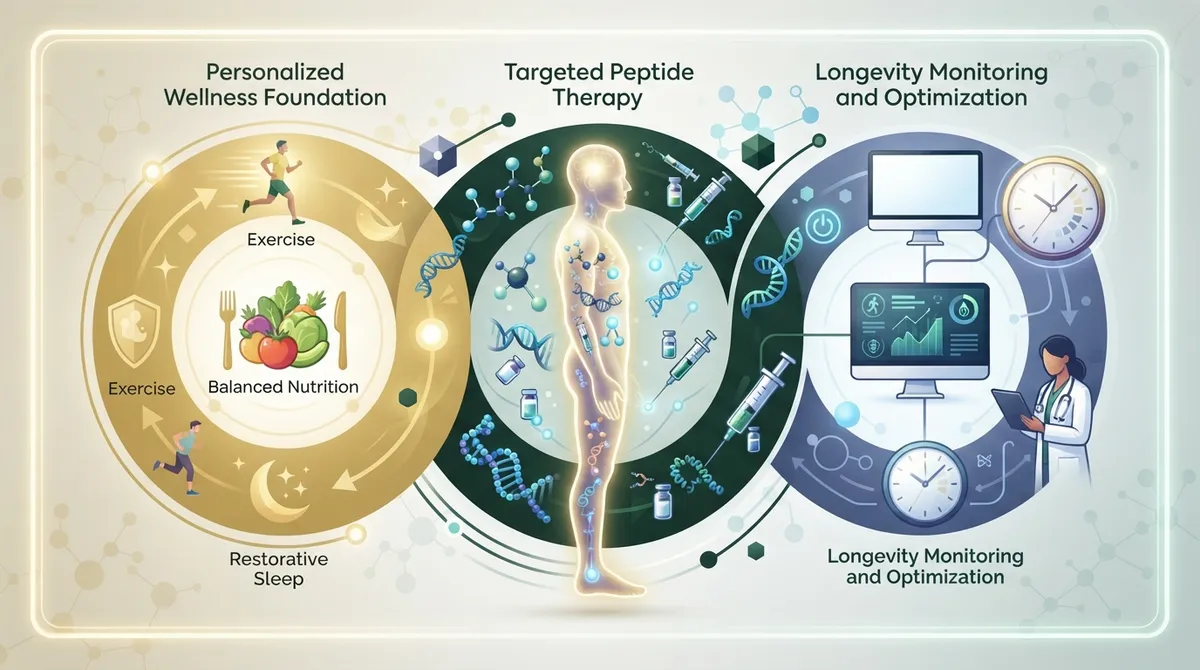
How Peptides Fit Into a Longevity Care Plan
Peptides are short chains of amino acids that act like tiny messengers in your body. They can influence hormones, cell repair, metabolism, and more. You can read a deeper breakdown in this article on 8 facts that explain what are peptides in 2026, but here’s the short version: their effects depend heavily on the specific peptide, the dose, and your personal health profile.
According to what are peptides, these molecules occur naturally in the body and can be manufactured to mimic or support specific biological functions. That’s why personalized care matters so much. What works for one person’s metabolism might not work the same way for someone else.
FDA-Approved Uses vs Off-Label and Experimental Peptides
This is one of the most important distinctions in longevity care, and it’s often overlooked. Some peptides have strong, approved medical uses. Others are still experimental, with limited human research behind them.
A 2025 review found approximately 120 peptide drugs on the market worldwide, with more than 170 additional peptide molecules in active clinical development. The FDA approved 34 peptide therapeutics between 2016 and 2024, according to a peer-reviewed analysis published through the National Library of Medicine. In 2025 alone, the FDA approved 46 novel drugs, including one peptide therapy.
Here’s a simple table to help you understand the difference between approved and experimental peptides:
| Category | What It Means | Example Use Cases |
|---|---|---|
| FDA-Approved | Proven safe and effective for a specific condition through clinical trials | Type 2 diabetes, obesity, certain endocrine disorders |
| Off-Label | Approved for one condition but prescribed for another based on provider judgment | Metabolic support, weight management |
| Experimental/Research Use Only | Not approved for human use, sold for laboratory research only | Various peptides marketed online without medical oversight |
Popular Longevity Peptides: What the Evidence Really Shows
Let’s talk about the peptides you’ve probably heard about. Some have solid backing. Others are still waiting on the research to catch up with the marketing.
GLP-1 Medications: Strong Evidence for Metabolic Health
Semaglutide and tirzepatide have real, well-documented benefits for weight management and blood sugar control. If you want to understand how these work, check out this guide on how to understand GLP-1 peptide therapy in 2026. That said, there’s currently no strong evidence that these medications extend lifespan in healthy people. They’re excellent tools for specific conditions, not a universal anti-aging solution.
Common side effects include nausea (up to 25% of users), diarrhea (about 18%), vomiting (around 12%), and constipation (about 11%). If you’re curious about managing these, this article on what causes GLP-1 side effects and how to manage them is worth a read.
Growth Hormone Peptides and Secretagogues
Peptides like CJC-1295 and ipamorelin are often marketed for anti-aging benefits. Learn more about safe use in this piece on how to use CJC-1295 peptide safely for real results. While they may support growth hormone pathways, boosting these signals isn’t automatically better for long-term health. Potential concerns include fluid retention, joint discomfort, and changes in glucose tolerance.
Repair and Recovery Peptides
BPC-157 and TB-500 are popular among biohackers for recovery support. You can dig into the specifics in this article on 9 BPC-157 peptide facts to know before you start or this one on 13 facts about TB-500 peptide you need in 2026. Current evidence for these compounds comes mostly from preclinical or animal studies. Large, long-term human trials proving healthspan benefits are still lacking.
Here’s a quick comparison of commonly discussed longevity peptides and their evidence level:
| Peptide | Primary Marketed Use | Human Evidence Level |
|---|---|---|
| Semaglutide/Tirzepatide | Weight loss, blood sugar control | Strong (FDA approved for specific conditions) |
| BPC-157 | Tissue repair, recovery | Limited (mostly preclinical) |
| TB-500 | Muscle and tendon recovery | Limited (mostly preclinical) |
| CJC-1295/Ipamorelin | Growth hormone support | Limited (short-term studies only) |
| Epitalon | Cellular aging support | Very limited (early research stage) |
Building a Responsible Longevity Care Plan: 5 Key Steps
Ready to build something that actually works for your body? Here’s a straightforward roadmap to follow.
- Start with lab work and a real health assessment. You can’t optimize what you haven’t measured. Comprehensive blood work reveals hormone levels, metabolic markers, and nutrient deficiencies that guide every decision after this.
- Address the fundamentals first. Sleep, resistance training, balanced nutrition, and stress management form the foundation. No peptide replaces these basics.
- Identify a clear medical indication. Peptides should target a specific goal, like improving recovery time or supporting metabolic health, not a vague hope for “anti-aging.”
- Work with a licensed provider for prescribing and monitoring. This means ongoing check-ins, dose adjustments, and lab tracking throughout treatment.
- Reassess every few months. Your needs change. A good longevity care plan evolves as your labs and goals shift over time.
If you want a deeper dive into getting started the right way, this article on how to start peptide therapy safely and see real results covers the process step by step.
Red Flags to Watch For in Longevity Care
Not every clinic or online seller has your best interest at heart. Here’s what to watch out for:
- Products labeled “research use only” being sold for personal injection
- Clinics that skip blood work before prescribing anything
- Providers who promise guaranteed anti-aging results
- No clear plan for monitoring side effects or progress
- Vague sourcing with no information about where the peptide comes from
- Pressure to buy large quantities upfront without a trial period
Products sold as “research use only” are not established as safe for human self-administration. Risks include inaccurate concentration, contamination, sterility failures, and unknown long-term safety data. This is exactly why working with a regulated telehealth provider matters so much.
Why Telehealth Makes Longevity Care More Accessible
Not everyone lives near a specialized longevity clinic. That’s where telehealth changes the game. You can get labs drawn locally, consult with a licensed provider from your couch, and have your treatment shipped straight to your door.
This comparison breaks down the pros and cons nicely in this article on local clinic vs telehealth: best peptide therapy near you. For busy professionals and people juggling packed schedules, convenience isn’t a luxury. It’s often the difference between starting a health plan and putting it off another year.
What a Quality Telehealth Longevity Program Should Include
Not all telehealth programs are created equal. Look for these essentials:
- Comprehensive blood work through a trusted lab, like LabCorp
- A licensed medical provider reviewing your results personally
- A customized treatment plan based on your specific goals
- Ongoing monitoring with scheduled follow-ups
- Clear education about what’s approved versus experimental
- Transparent pricing with no hidden fees
At Allura Longevity, this process starts with a $50 virtual consultation, followed by blood work through LabCorp. From there, Ashley, a board-certified Family Nurse Practitioner, designs a personalized six-month treatment plan delivered directly to your home. Ongoing monitoring ensures your plan adjusts as your body responds.
Comparing Approaches: DIY Peptides vs Medically Supervised Care
| Factor | DIY/Unregulated Sourcing | Medically Supervised Telehealth Care |
|---|---|---|
| Lab work before treatment | Rarely required | Required and reviewed by a provider |
| Product quality assurance | Unverified, often “research use only” | Sourced through regulated pharmacy channels |
| Dosing guidance | Based on online forums | Personalized based on labs and health history |
| Ongoing monitoring | None | Scheduled check-ins and dose adjustments |
| Risk of contamination or dosing errors | Higher | Significantly reduced |
Combining Peptides With Proven Longevity Habits
Here’s something worth repeating: peptides work best as a supplement to good habits, not a replacement for them. Responsible longevity care starts with the basics that have decades of solid research behind them.
- Prioritize resistance training at least two to three times a week to preserve muscle mass and metabolic health.
- Get seven to nine hours of quality sleep each night to support hormone balance and recovery.
- Eat a nutrient-dense diet rich in protein, fiber, and healthy fats.
- Stay current on preventive screenings, vaccinations, and blood pressure checks.
- Manage stress through consistent routines, whether that’s meditation, walking, or simply unplugging from screens.
If you’re curious how peptides can complement these habits for energy and vitality specifically, this guide on how to pick peptides for energy that actually work offers practical insight.
Bringing It All Together
Longevity care isn’t about chasing a miracle molecule. It’s about building a thoughtful, evidence-informed plan that respects both what science knows and what it doesn’t yet know. The peptide therapy field is exciting and evolving fast, but the smartest approach combines proven fundamentals with careful, personalized medical guidance.
If you’re ready to explore what a customized plan could look like for your body and your goals, Allura Longevity offers licensed telehealth care across Florida, Georgia, Texas, Connecticut, Indiana, Maryland, New York, and California. With personalized treatment plans built from real lab data and ongoing support from licensed providers, you don’t have to navigate this journey alone. Spots are limited each month, so if you’re curious, now’s a great time to request a consultation and see what’s possible. You can also call (813) 510-6277 to speak with the team directly.
FAQs
Q: What is longevity care in peptide therapy?
A: Longevity care means personalized, preventive support for your healthspan, the years you spend feeling healthy and energetic. It’s not about a magic fix, but about combining smart lifestyle habits with medically guided treatments like peptide therapy when appropriate.
Q: Can peptide therapy actually slow or reverse aging?
A: There’s no solid proof yet that any peptide reverses aging or extends lifespan in healthy people. What peptides can do, when prescribed for a specific medical reason, is support things like metabolism, recovery, and hormone balance, which contribute to feeling your best.
Q: Are peptides like BPC-157 and TB-500 safe to use?
A: These peptides are popular in wellness circles, but large, long-term human studies proving their safety and benefits are still lacking. If you’re considering them, working with a licensed provider who can monitor your response is the safest path forward.
Q: Do GLP-1 medications like semaglutide help you live longer?
A: Semaglutide and tirzepatide have strong evidence for treating obesity and type 2 diabetes, and some studies show cardiovascular benefits too. However, there’s currently no robust evidence that they extend lifespan in people without these conditions.
Q: How do I know if a peptide is FDA approved or experimental?
A: FDA-approved peptides have gone through clinical trials for a specific condition and come with official prescribing information. If a peptide is labeled “research use only” or sold without a prescription, it hasn’t been established as safe for human use, so it’s worth asking your provider directly.





