
Key Takeaways
-
Testosterone cream therapy requires confirmed lab-tested low testosterone (hypogonadism) plus symptoms for proper diagnosis—not just feeling tired or having low energy, which may be unrelated to hormone levels.
-
Testosterone cream can transfer to partners and children through skin contact; always wash hands, let area dry completely, cover with clothing, and avoid skin-to-skin contact until absorbed to protect household members.
-
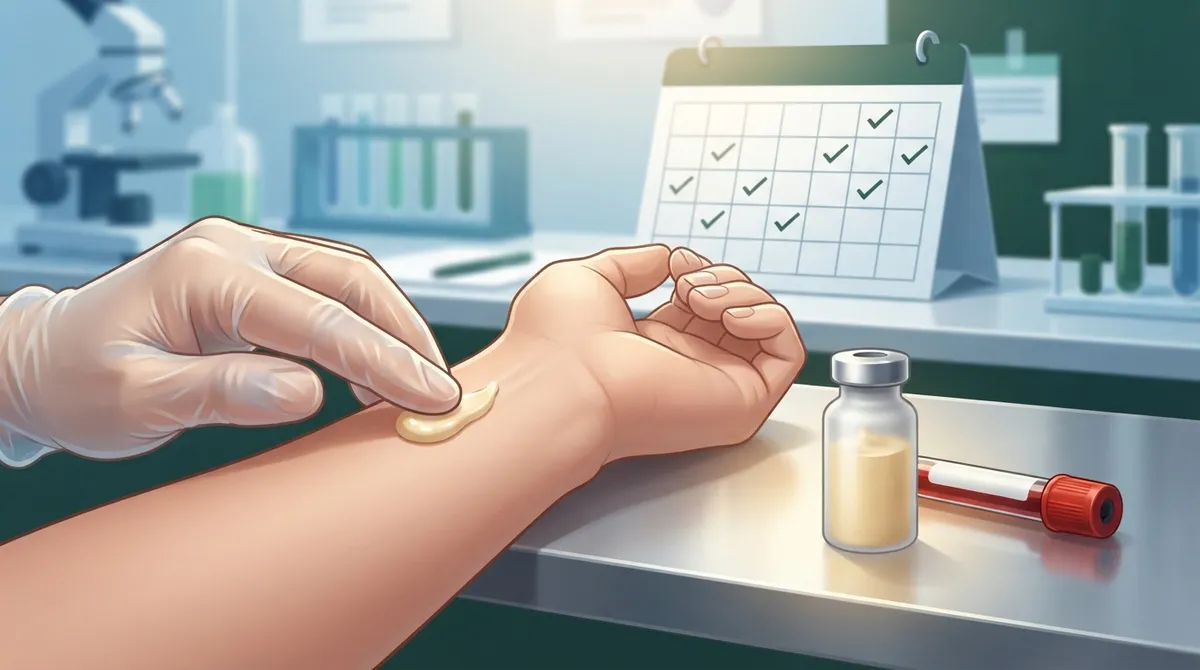
Regular blood monitoring is essential—check testosterone levels at 1-2 weeks, again at 3-6 months, then annually once stabilized, plus monitor hematocrit and blood pressure to catch erythrocytosis and other side effects early.
-
FDA-approved testosterone gels offer standardized potency and clinical trial data, while compounded creams allow customization but vary between pharmacies; your provider should clearly explain which type you're receiving and why.
-
Testosterone cream differs fundamentally from peptide therapy: it's a hormone replacement, not a signaling agent like peptides, so peptides cannot replace testosterone when true hypogonadism is confirmed by blood work.
-
Avoid testosterone therapy if you have untreated sleep apnea, recent heart events, elevated PSA, plans for fertility soon, or history of breast/prostate cancer; a responsible provider screens for these contraindications before starting treatment.
If you’ve been feeling tired, foggy, or just not like yourself, you may have come across testosterone cream therapy while researching solutions. Maybe a friend mentioned it, or you saw it paired with peptide treatments online. That curiosity is a great first step, and we’re happy you’re here. Let’s walk through what this therapy really is, who it helps, and how it fits into a bigger picture of feeling your best.
Testosterone cream therapy is a real medical treatment, not a magic anti-aging potion. It works best when used the right way, under the care of a licensed provider who checks your labs and watches how your body responds. In the world of peptide therapy, testosterone cream is often talked about alongside peptides, but it’s actually a hormone treatment, not a peptide itself. Understanding this difference matters, especially if you’re weighing your options for energy, vitality, and long-term health. Let’s break it all down together, step by step, in plain language.
What Is Testosterone Cream Therapy?
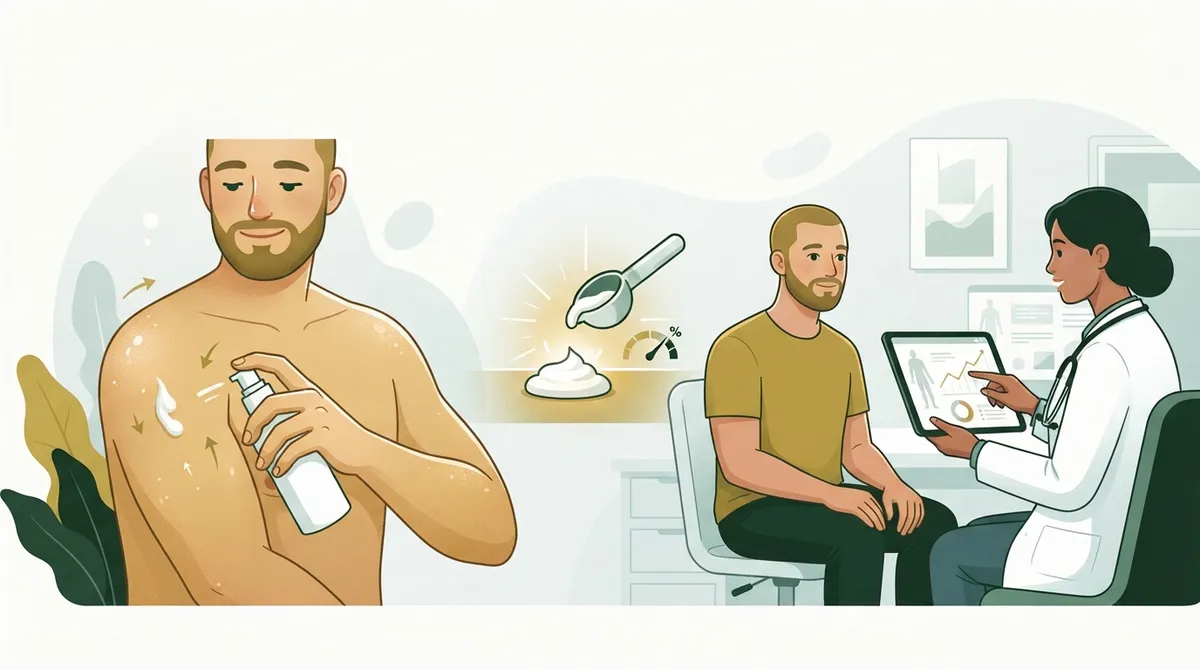
Testosterone cream therapy is a type of transdermal testosterone replacement therapy, or TRT. Transdermal simply means the medication goes through your skin instead of through a shot or a pill. The cream delivers testosterone slowly into your bloodstream throughout the day.
This treatment is designed for men with confirmed low testosterone, also called hypogonadism. It is not meant for men who simply have normal age-related dips in hormone levels. According to National Library of Medicine research, diagnosis requires both symptoms and lab-confirmed low levels, not just one or the other.
How It Differs From Peptide Therapy
This is where things can get confusing, so let’s clear it up. Peptides are short chains of amino acids that signal your body to do things like produce more growth hormone or support tissue repair. You can read more about what are peptides and how they work inside the body.
Testosterone cream, on the other hand, is a hormone itself. It doesn’t ask your body to make more testosterone. It simply adds testosterone directly. Some clinics offer both peptides and testosterone therapy together, but they are not interchangeable. If you want to understand the full picture, our guide on 8 Facts That Explain What Are Peptides in 2026 is a great place to start.

Who Actually Needs Testosterone Cream Therapy?
Not everyone with low energy or low libido needs testosterone therapy. A proper diagnosis is the first and most important step. Here’s what a thorough evaluation usually includes:
- A review of your symptoms, such as fatigue, low sex drive, mood changes, or reduced muscle mass
- Two separate early-morning blood tests measuring total testosterone
- Additional testing if results are unclear, including free testosterone, SHBG, LH, FSH, or prolactin
- A pituitary evaluation in certain cases where the cause of low testosterone isn’t obvious
- A conversation about your goals, whether that’s more energy, better sleep, or improved recovery
This step-by-step process protects you. It makes sure you’re treating an actual medical condition, not just chasing a feeling. If you’re new to this whole world, our article on How to Start Peptide Therapy Safely and See Real Results covers similar groundwork that applies here too.
Types of Topical Testosterone: Know the Difference
Not all testosterone creams are created equal. Some are FDA-approved gels, while others are compounded creams made at specialty pharmacies. Knowing the difference helps you make an informed choice with your provider.
| Feature | FDA-Approved Gel | Compounded Cream |
|---|---|---|
| Regulatory Oversight | Reviewed and approved by the FDA | Not individually FDA-approved |
| Potency Consistency | Standardized in every batch | Can vary between pharmacies |
| Absorption Testing | Studied in clinical trials | Less standardized data |
| Customization | Fixed doses and formulations | Can be tailored to individual needs |
| Availability | Widely available at retail pharmacies | Requires a compounding pharmacy |
Both options have a place in medicine, but your provider should explain exactly which type you’re getting and why. This transparency is part of responsible, ethical care.
How Testosterone Cream Compares to Other Delivery Methods
Topical cream isn’t the only way to get testosterone into your system. Here’s a quick side-by-side look at common options.
| Method | Frequency | Hormone Level Stability | Skin Transfer Risk |
|---|---|---|---|
| Testosterone Cream/Gel | Daily | Fairly steady | Yes, requires precautions |
| Injections | Weekly or biweekly | Peaks and valleys | None |
| Pellets | Every 3-6 months | Very steady | None |
| Patches | Daily | Fairly steady | Lower than creams |
Research shows that approximately 75% to 86% of patients using transdermal gels reach normal testosterone levels, though results vary by formulation and individual absorption. If you’re curious how this compares to other approaches, check out our piece on 11 Testosterone Gel Therapy Facts to Know in 2026.
The Transfer Risk Nobody Talks About Enough
Here’s something really important: testosterone cream can transfer to other people through skin contact. This is a real risk for partners and children in your household.
Follow these simple safety steps every single time:
- Apply the cream only to the area your provider recommends
- Wash your hands thoroughly right after applying
- Let the area dry completely before getting dressed
- Cover the application site with clothing when possible
- Avoid skin-to-skin contact with others until the product is absorbed
- Shower before intimate contact if enough time hasn’t passed
These steps aren’t optional extras. They’re a core part of using this therapy responsibly and protecting the people you love.
Side Effects and Risks You Should Know About
Like any hormone therapy, testosterone cream comes with possible side effects. Being informed helps you spot problems early and talk to your provider quickly.
Common side effects include:
- Acne or oily skin
- Increased body or facial hair growth
- Male-pattern hair thinning
- Breast tenderness or enlargement (gynecomastia)
- Mood swings or changes in libido
- Reduced sperm count and fertility challenges
- Testicular shrinkage
- Erythrocytosis, meaning too many red blood cells
Erythrocytosis is actually the most common adverse effect seen in clinical guidance, which is exactly why regular blood testing matters so much. Testosterone can also worsen untreated sleep apnea, so if you snore heavily or feel exhausted despite sleeping, mention this to your provider.
What About Heart Health?
This is a fair question, and one worth addressing honestly. In 2025, the FDA removed the boxed warning about major cardiovascular events after reviewing the large TRAVERSE trial. That trial followed more than 5,200 men and found major cardiovascular events happened in 7.0% of men on testosterone gel versus 7.3% on placebo, a very similar rate.
However, the FDA also updated labeling to reflect that testosterone products can raise blood pressure. This means cardiovascular risk isn’t ignored, it’s just better understood now. Regular blood pressure checks remain a smart part of any treatment plan.
Who Should Avoid Testosterone Cream Therapy?
Testosterone therapy isn’t right for everyone. Your provider will screen for these important factors before starting treatment:
- Plans for fertility in the near future, since testosterone can lower sperm production
- A history of breast or prostate cancer
- Significantly elevated PSA levels that haven’t been evaluated
- Untreated severe sleep apnea
- Uncontrolled heart failure
- A recent heart attack or stroke
- Elevated hematocrit or red blood cell count
This is exactly why a thorough intake process matters so much. A responsible provider will never skip these questions just to get you started faster.
Monitoring: The Part People Often Skip
Starting testosterone therapy isn’t a “set it and forget it” situation. Ongoing monitoring keeps you safe and helps your provider fine-tune your dose.
The Endocrine Society recommends this general monitoring schedule:
- Check testosterone levels after you’ve used the cream for at least 1 to 2 weeks
- Test testosterone and hematocrit again at the 3 to 6 month mark
- Continue annual testing once your levels have stabilized
- Monitor blood pressure regularly throughout treatment
- Track symptom improvement and any new side effects along the way
This kind of careful follow-up is a hallmark of quality care. If your provider isn’t asking for repeat labs, that’s a red flag worth questioning.
Can Testosterone Cream Work Alongside Peptide Therapy?
This is one of the most common questions we hear, and it makes total sense. Peptides like growth-hormone secretagogues are popular for energy, recovery, and metabolism support. Some people wonder if peptides alone can replace testosterone therapy.
The honest answer is no. Peptides don’t replace testosterone when true hypogonadism is present. That said, some patients do benefit from a coordinated plan that includes both, always tailored to their individual labs and goals. If you want to explore how these therapies can work together thoughtfully, our article on Why Does Testosterone Injection Therapy Get Paired With Peptides? dives deeper into this exact topic.
At Allura Longevity, treatment plans are built around your actual blood work, not guesswork. Ashley, our board-certified Family Nurse Practitioner, leads a team that designs personalized six-month plans covering hormone therapy, peptides, or a combination when it truly fits your needs.
What to Expect From the Telehealth Process
Getting started doesn’t have to mean sitting in a waiting room. Telehealth has made hormone and peptide therapy far more convenient, especially for busy professionals and people juggling full schedules.
Here’s what a typical process looks like:
- Complete a $50 virtual consultation to discuss your symptoms and goals
- Get blood work done locally through LabCorp
- Review your results with a licensed provider who explains everything clearly
- Receive a personalized six-month treatment plan based on your actual numbers
- Get your medication shipped directly to your home
- Stay connected with ongoing monitoring and dose adjustments as needed
This approach removes a lot of the friction that keeps people from getting help. No long drives, no crowded offices, just straightforward care that fits your life. Allura Longevity currently serves clients in Florida, Georgia, Texas, Connecticut, Indiana, Maryland, New York, and California.
Setting Realistic Expectations
It’s worth saying clearly: testosterone cream therapy is not a cure-all. The FDA specifically limits its approved use to confirmed hypogonadism, not general aging, weight loss, or bodybuilding goals. That doesn’t mean it can’t help significantly, it just means expectations should be grounded in real medical evidence.
Most patients notice changes gradually over several weeks, not overnight. Energy, mood, and libido often improve first, while changes in muscle mass and body composition take longer. Patience and consistent follow-up truly pay off here.
Bringing It All Together
Testosterone cream therapy can be a genuinely helpful tool for the right person. The key is proper diagnosis, careful monitoring, and working with a provider who treats you as an individual, not a one-size-fits-all case. Whether you’re a busy professional looking for convenient care, a biohacker who loves tracking every lab result, or simply someone who wants to feel like themselves again, informed decisions make all the difference.
We know navigating hormone and peptide options can feel overwhelming at first, but you don’t have to figure it out alone. Our team at Allura Longevity is here to guide you with real science, real support, and plans built specifically around your body and your goals. Spots for new clients open up each month, and we’d love to help you take that next step. Request a consultation today, or give us a call at (813) 510-6277 to start your personalized journey toward feeling stronger, sharper, and more like yourself.
FAQs
Q: What is testosterone cream therapy and how does it differ from testosterone gel?
A: Testosterone cream therapy delivers testosterone through the skin, just like gel does, but the two can differ in formulation, potency, and whether they’re FDA-approved or compounded. Your provider should always explain which type you’re receiving so you know exactly what to expect. We’re happy to walk you through these differences during your consultation!
Q: Can testosterone cream be used with peptide therapy or growth-hormone peptides?
A: Yes, some people use both under close medical supervision, but peptides don’t replace testosterone when true hypogonadism is confirmed by labs. Think of them as separate tools that can sometimes work together, not substitutes for each other. A personalized plan from a licensed provider is the safest way to combine them.
Q: What blood tests are needed before starting testosterone cream?
A: You’ll typically need two separate early-morning total testosterone tests to confirm low levels. Depending on your results, your provider may also check free testosterone, SHBG, LH, FSH, or prolactin for a fuller picture. This careful approach helps make sure treatment is truly right for you.
Q: How do you prevent testosterone cream from transferring to a partner or child?
A: Great question, and one we always emphasize! Wash your hands after applying, let the area dry fully, cover the site with clothing, and avoid skin-to-skin contact until it’s absorbed. These small habits go a long way in keeping your loved ones safe.
Q: What are the side effects and risks of topical testosterone?
A: Possible side effects include acne, mood changes, reduced fertility, and increased red blood cell counts, among others. That’s exactly why regular monitoring, including bloodwork and blood pressure checks, is such an important part of safe treatment. Your provider will watch closely and adjust your plan as needed.





