
Key Takeaways
-
Non invasive skin peptide therapy is not a standardized medical treatment; it usually means peptide-based skincare applied to the skin, and the specific product and formula matter greatly.
-
Evidence is limited: small studies suggest possible benefits for fine lines, texture, elasticity, and hydration, but no FDA-approved medical-grade topical peptide product exists for dermatologic treatment.
-
Skin penetration is a key limitation, since the outer skin barrier can block larger or poorly formulated peptide molecules from reaching where they could work.
-
Topical, oral collagen, and injectable peptides differ in route, evidence, regulation, and risk; injectables require clinician oversight and should never be presented as established skin treatments.
-
Most studies ran about 12 weeks, so give a product consistent use for roughly three months, expecting early hydration gains before subtle changes in lines or texture.
-
Patch test new products on the inner forearm, introduce one at a time, check the ingredient list, and use daily sunscreen, since irritation often comes from other ingredients rather than the peptide.
If you have ever stood in front of the bathroom mirror and wondered whether a peptide cream could really help, you are in good company. Peptide skincare is everywhere in 2026. Labels promise firmer skin, fewer lines, and a healthier glow. But what does the science actually say?
Here is the honest truth. Non invasive skin peptide therapy is not one single medical treatment. It usually means peptide-based skincare you apply to your skin, rather than injections or procedures. Some small studies show promising cosmetic benefits. Still, the evidence is limited, and results depend on the product.
In this friendly guide, we will walk through what non invasive skin peptide therapy means, what research shows, where it falls short, and how it compares with other peptide options. Whether you are a busy professional, a biohacker who loves data, or simply someone who wants healthy aging, you will leave with clear answers and a smarter plan.

What Does Non Invasive Skin Peptide Therapy Mean?
Peptides are short chains of amino acids. They are the building blocks of proteins like collagen. If you want a quick refresher, this overview of what are peptides explains the basics nicely.
In skincare, “non invasive” means no needles, no incisions, and no downtime. In practice, non invasive skin peptide therapy usually points to one of these approaches:
- Topical peptide products: serums, creams, and moisturizers you apply to your skin.
- Oral collagen peptides: supplements you swallow, which are a different thing from topical care.
- Clinic-applied cosmetic treatments: professional products applied to the skin surface.
It is worth saying clearly: this phrase is not a standardized medical category. It is more of a friendly umbrella term. That is why reading labels and asking questions matters so much.

How Topical Peptides Are Supposed to Work
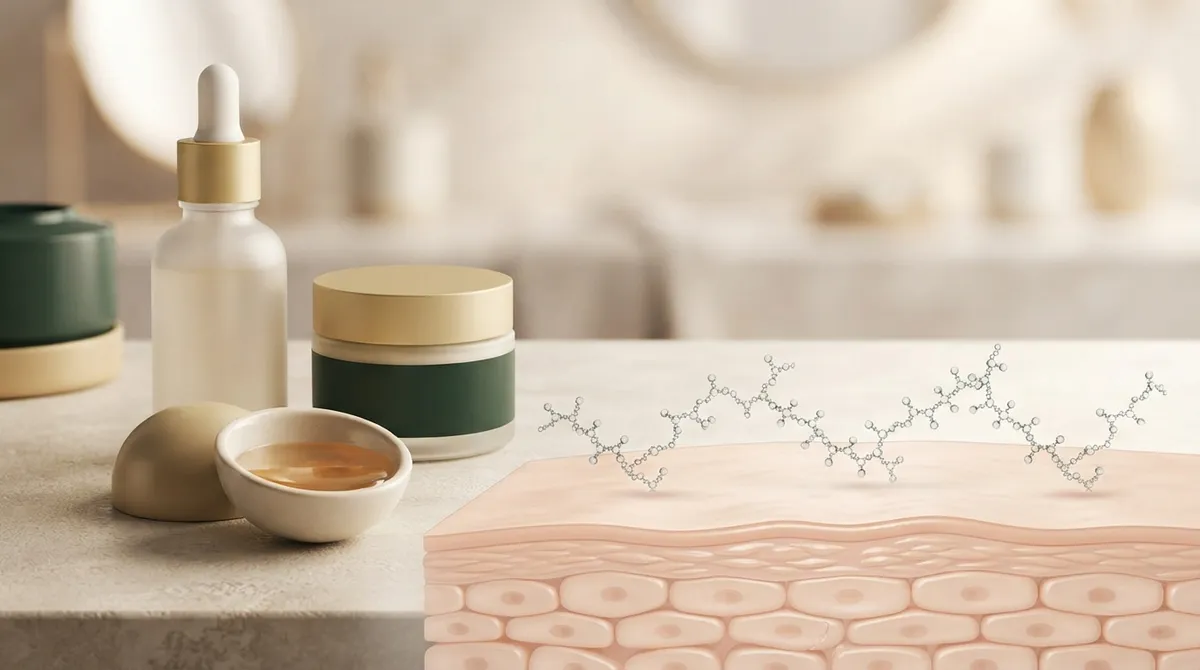
Think of skin as a busy construction site. Collagen and elastin act like the scaffolding that keeps everything firm and smooth. As we age, that scaffolding gets thinner and weaker.
Topical cosmetic peptides are studied for possible effects on collagen-related signaling, skin texture, fine lines, elasticity, and barrier function. The idea is that certain peptides may act like small messages telling skin cells to behave in a younger way.
That is a nice theory. But a peptide’s mechanism on paper does not automatically prove that a finished product delivers a meaningful result on your face. Formulation, concentration, and delivery all matter.
The Big Hurdle: Skin Penetration
Your outer skin barrier is designed to keep things out. That is great for protection, but tricky for skincare. Larger or poorly formulated molecules may struggle to reach the layers where they could do the most good.
This is a key limitation of topical peptides. Good formulation can help, but it does not guarantee results.
What the Research Actually Shows
Let us look at the evidence with open eyes. We love a good study, and we also love honesty.
| Study | What They Tested | What They Found |
|---|---|---|
| 2024 systematic review | Topical peptides and exosomes across human studies | Some studies reported better fine lines, texture, and elasticity, but the evidence was limited and varied |
| 2025 OS-01 pilot trial | Topical OS-01 vs. moisturizer in 60 women aged 60 to 90 over 12 weeks | Improved skin-barrier and hydration measures |
| Palmitoyl-KTTKS study | Moisturizer at 3 ppm twice daily in 93 women aged 35 to 55 for 12 weeks | Qualitative improvements in fine-line and wrinkle scores vs. control |
A Closer Look at the OS-01 Trial
This 2025 pilot study, published in the Journal of Cosmetic Dermatology and available through the National Library of Medicine, was randomized and double-blind. After 12 weeks, 70% of the OS-01 group reported improved general skin appearance, compared with 42% of the control group.
The study also reported transepidermal water loss improvements of 41.49% on the forearm and 34.73% on the upper arm. That suggests a stronger skin barrier.
Here is the important part, though. This was a small, short study. These numbers belong to this specific product. They do not guarantee the same outcomes for other products, and they do not prove that topical use slows whole-body aging.
What the 2024 Review Added
The systematic review looked at topical peptide and exosome literature. Across the studies it assessed, three reported improvements in fine lines or wrinkles, three in skin texture, and two in elasticity. That is encouraging.
But the studies were small and designed differently. The review also noted that there is no FDA-approved medical-grade topical peptide product for dermatologic treatment. So topical peptides remain cosmetics, not proven medical therapy.
Topical vs. Oral vs. Injectable: Know the Difference
This is where many people get tangled up. Not every peptide approach is the same. The route matters, and so do the evidence, regulation, and risks.
| Approach | How It Is Used | Invasive? | Evidence Level for Skin | Key Note |
|---|---|---|---|---|
| Topical peptide skincare | Applied to skin daily | No | Limited, product-specific | Cosmetic category; penetration is a limit |
| Oral collagen peptides | Swallowed as supplements | No | Emerging, varies by product | Not the same as topical or prescription peptides |
| Injectable or compounded peptides | Prescribed and injected | Yes (small needle) | Varies widely by substance | Different regulation and risks; requires clinician oversight |
If you are curious about how these routes compare in more detail, our guide on topical vs. injectable skin peptides is a great next read. You may also enjoy learning how collagen peptides differ from peptide therapy.
One important reminder: unapproved injectable peptides should never be presented as established skin treatments. Always work with a qualified clinician.
Is It Safe? What to Watch For
The 2024 systematic review reported no negative side effects in the human studies it assessed. That is reassuring. Even so, small studies with short follow-up cannot rule out uncommon reactions or prove long-term safety.
Topical products can still cause irritation or allergy. Sometimes the culprit is not the peptide at all. It might be fragrance, preservatives, or other ingredients in the formula.
Simple Tips for Trying a Peptide Product
- Patch test first. Apply a small amount on your inner forearm for a few days.
- Introduce one new product at a time. That way, you know what caused any reaction.
- Read the full ingredient list. Check for known sensitivities.
- Stop if you notice burning, swelling, or a rash. Reach out to a clinician if it persists.
- Use sunscreen daily. It still does more for aging skin than almost any serum.
If you have persistent skin disease or a concerning reaction, please see a qualified clinician rather than guessing at home.
How Long Until You See Results?
Patience is your best friend here. Most of the studies we reviewed ran about 12 weeks. That is a helpful benchmark. Many people should not expect changes in days.
Early wins, if they happen, are often better hydration and a smoother feel. Changes in fine lines, if they occur, tend to be subtle and take weeks of steady use. Our 2026 timeline for peptides and skin breaks this down further.
How to Choose a Peptide Skincare Product Wisely
With so many options, it helps to have a simple checklist. Here is what we suggest looking for:
- Named peptides on the label: look for specific names, not vague “peptide complex” claims.
- Clinical testing on the actual product: studies on a finished formula mean more than ingredient hype.
- Realistic claims: be wary of promises like “reverses aging” or “replaces injections.”
- Gentle, well-formulated base: hydrating, barrier-friendly ingredients support results.
- Transparent brand: clear ingredient lists and honest marketing.
Want to go deeper on which ingredients are popular? Check out our look at the best anti-aging peptides for skin and our post on how to tell if peptides help with wrinkles.
Building Healthy Skin From the Inside and Out
Skin is not just about what you put on it. It reflects sleep, stress, nutrition, hormones, and overall health. That is why many health optimizers and wellness seekers take a whole-person approach.
A smart routine often looks like this:
- Daily sunscreen and gentle cleansing.
- A well-formulated topical product, including peptides if you like them.
- Good sleep, hydration, and protein-rich eating.
- Regular check-ins with a licensed provider about your bigger health goals.
For aging adults and biohackers, lab work can reveal a lot about how your body is doing overall. That is one reason personalized care matters, and why we love sharing resources like how a peptide therapy plan gets personalized.
Where Allura Longevity Fits In
Topical peptides are one piece of the puzzle. For people who want a broader, medically supervised path, Allura Longevity offers personalized peptide therapy delivered via telehealth. It starts with a $50 virtual consultation and blood work through LabCorp. Then a licensed provider, led by board-certified Family Nurse Practitioner Ashley, designs a customized six-month plan delivered to your home.
Care includes ongoing monitoring and adjustments, and skin rejuvenation is one of the goals Allura supports alongside energy, sleep, recovery, and metabolism. Telehealth is available in Florida, Georgia, Texas, Connecticut, Indiana, Maryland, New York, and California. Busy professionals love that it all fits around a packed schedule.
Curious how to judge any peptide provider? Our guide on who can explain peptide therapy safely is a handy starting point.
Key Takeaways
- Non invasive skin peptide therapy usually means topical peptide skincare, not a single standardized medical treatment.
- Small studies suggest possible benefits for texture, hydration, and fine lines, but evidence is limited.
- Skin penetration and product formulation strongly affect results.
- Topical, oral, and injectable peptides are different, with different evidence and risks.
- Patch test, stay patient, and protect your skin with sunscreen.
Ready to Take the Next Step?
Healthy, glowing skin is a journey, and you do not have to figure it out alone. If you want a personalized, lab-guided approach to longevity and rejuvenation, we would love to help. Request a consultation with Allura Longevity today, or call (813) 510-6277. Spots for new clients are limited each month, so reach out while there is still room.
FAQs
Q: What is non invasive skin peptide therapy?
A: It is a general term, most often used for peptide-containing skincare applied to the skin instead of injections or procedures. It is not one standardized medical treatment, so the product and formula matter a lot.
Q: Do topical peptides actually improve wrinkles or skin elasticity?
A: Some small human studies report better fine lines, texture, and elasticity, but the evidence is limited and varies by product. Think of topical peptides as a possible cosmetic boost, not a proven medical fix.
Q: Are peptide creams safe for sensitive skin?
A: Studies reviewed so far reported no negative side effects, but they were small and short. Irritation or allergy can still happen, often from other ingredients, so patch test first and stop if your skin reacts.
Q: Are peptide skincare products FDA-approved to treat skin conditions?
A: No. A 2024 systematic review noted there is no FDA-approved medical-grade topical peptide product for dermatologic treatment. Peptide skincare is generally sold as cosmetics, so talk with a clinician about any skin condition.
Q: How long does it take to see results from peptide skincare?
A: Many studies ran around 12 weeks, so give a product steady use for about three months. Early changes, if any, are often better hydration, while line and texture changes tend to be subtle.





