

Key Takeaways
-
BHRT and peptide therapy are two different tools with different mechanisms—BHRT uses hormones identical to your body's natural hormones, while peptides are short amino acid chains that act as messengers; neither is proven to reverse aging.
-
FDA-approved bioidentical hormone products have been tested for safety and dose accuracy, while compounded products lack FDA review and can have concerns about dosing, labeling, and sterility—ask your provider which type you're being offered.
-
Menopausal hormone therapy has proven uses for specific symptoms like hot flashes, night sweats, and vaginal dryness, but is not proven to turn back the clock or prevent heart disease in healthy women.
-
Blood work should be your starting point before any therapy—labs help identify the actual cause of symptoms like fatigue or brain fog, which may stem from thyroid issues, low iron, or stress rather than hormone deficiency.
-
Growth hormone peptides are not proven anti-aging treatments; research shows only modest body composition changes (2 kg fat loss, 2.1 kg lean mass gain) alongside more side effects like swelling, joint pain, and carpal tunnel syndrome.
-
Before starting therapy, ask your clinician whether the product is FDA-approved or compounded, what evidence supports it for your situation, what side effects to expect, and how often your labs and plan will be reviewed.
If you have ever typed “bhrt peptide anti aging therapy” into a search bar, you are probably curious, a little hopeful, and maybe a bit overwhelmed. Welcome! You are in good company. Lots of busy, health-minded people want more energy, better sleep, and a body that feels like it is on their team again.
Here is the honest truth. BHRT (bioidentical hormone replacement therapy) and peptide therapy are two different tools. They are often talked about together, but they do different jobs. And neither one is a magic “reverse aging” button. What they can do, when used wisely and under medical care, is help with specific symptoms and goals.
In this friendly guide, we will walk through 13 facts that cut through the buzz. You will learn what BHRT really means, how peptides fit in, what the science does and does not say, and how to ask smart questions before you start. Think of this as a chat with a well-informed friend who wants you to feel confident, not confused.
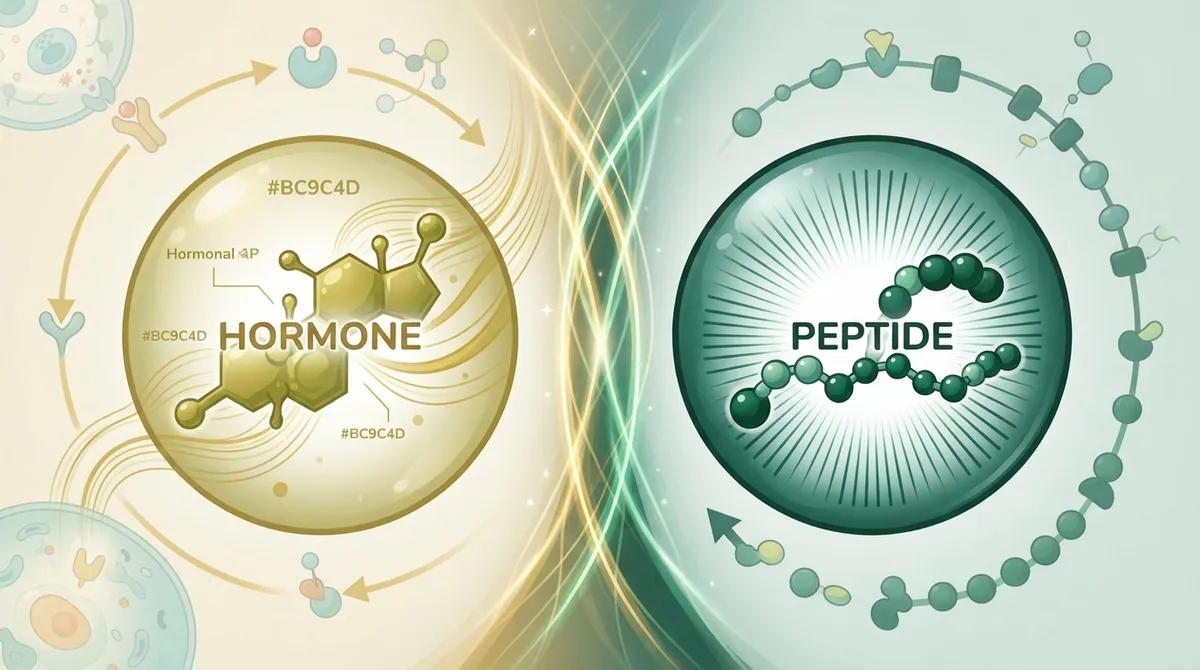
1. BHRT Is a Hormone Therapy, Not a Peptide Therapy
BHRT usually means hormone therapy that uses hormones chemically identical to the ones your body makes, such as estradiol or progesterone. Peptides are something else entirely. They are short chains of amino acids that act like tiny messengers in the body.
Why does this matter? Because mixing up the two can lead to unrealistic expectations. If you are new to the topic, our guide on what peptides are is a great place to start. You can also read the basics from what are peptides on WebMD.
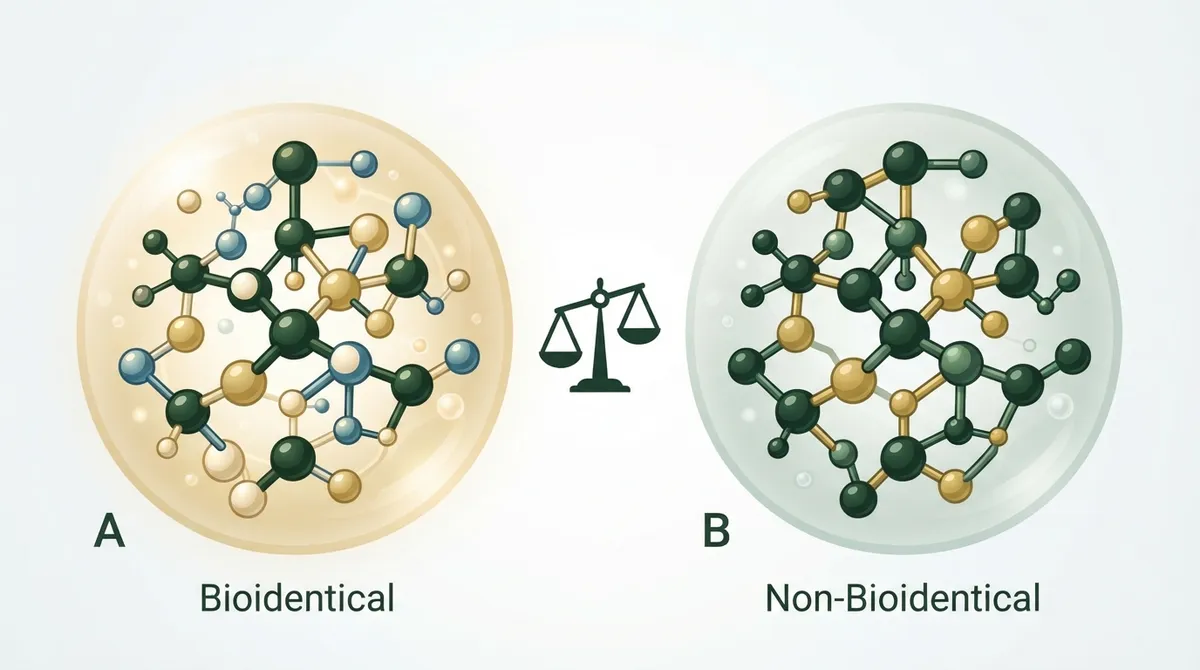
2. The Word “Bioidentical” Does Not Mean “Safer”
It is easy to hear “bioidentical” and think “natural, gentle, and safe.” But the word only describes the molecule’s structure. It does not tell you whether a product is safer, stronger, or approved by the FDA.
Some bioidentical hormones are FDA-approved. Others are custom-mixed (compounded) by a pharmacy. That difference is a big deal, and we will unpack it next.
3. FDA-Approved and Compounded BHRT Are Not the Same
Here is where many people get tripped up. FDA-approved bioidentical products have been tested for safety, dose accuracy, and quality. Compounded products are made for one person at a time and do not go through the same review.
The FDA has said it lacks evidence that compounded bioidentical hormones are safe and effective, or that they are safer or more effective than approved hormone therapy. A 2020 National Academies assessment also found the evidence was largely low quality. Compounded products can have concerns about dosing, labeling, and sterility.
| Feature | FDA-Approved Hormone Products | Compounded Hormone Products |
|---|---|---|
| Reviewed by FDA for safety and effectiveness | Yes | No |
| Standardized dose and labeling | Yes | Can vary |
| Strength of research evidence | Stronger | Largely low quality |
| Custom dosing | Limited options | Flexible, but less proven |
For a deeper look at this topic, see our post on FDA-approved vs. compounded peptides.
4. Menopausal Hormone Therapy Has Real, Proven Uses
Let’s give hormone therapy its due. For the right person, it works well. It is an established treatment for bothersome hot flashes and night sweats. It also helps with genitourinary symptoms, like vaginal dryness, and can help prevent bone loss.
But notice what is missing from that list: general anti-aging. Hormone therapy is not proven to turn back the clock or prevent heart disease. It is a treatment for specific issues. If you want a plain-English overview, try What Is Hormone Replacement Therapy, And Do You Need It?
5. Timing and Age Matter for Women
The Menopause Society’s 2022 position statement says the benefit-risk balance is generally favorable for healthy women with symptoms who are younger than 60 or within 10 years of menopause onset, and who have no contraindications. That is a guideline, not a guarantee for any one person.
Risk depends on the type of hormone, dose, delivery method, how long you use it, and whether a progestogen is included. Treatment should be personalized and reviewed regularly. If you are exploring options, you may like 10 Safest Hormone Therapy Options for Women (2026).
6. Peptides Are Not Replacements for Sex Hormones
This one is worth saying clearly. Peptides are not interchangeable with estrogen, progesterone, or testosterone. They work differently.
Some peptides nudge hormone signaling. For example, growth hormone-releasing peptides can prompt your body to release more growth hormone. But that does not make them a stand-in for indicated menopause hormone therapy, and it does not make them proven anti-aging treatments. To see how they compare, check out Bioidentical Hormones vs. Peptides: Which Wins?
7. Growth Hormone Is Not a Proven Anti-Aging Fix
Many people ask about growth hormone because it sounds like the fountain of youth. The research does not back that up for healthy older adults.
A systematic review of randomized trials found that, compared with controls, growth hormone reduced fat mass by about 2.08 kg and increased lean body mass by about 2.13 kg. That sounds nice at first. But the same review found more side effects and concluded growth hormone should not be recommended as an anti-aging therapy.
| Finding in Healthy Older Adults | What the Review Reported |
|---|---|
| Fat mass | About 2.08 kg lower on average |
| Lean body mass | About 2.13 kg higher on average |
| Side effects | More adverse events reported |
| Overall conclusion | Not recommended as anti-aging therapy |
Common side effects in those trials included swelling (edema), joint pain, carpal tunnel syndrome, and breast tissue growth in men (gynecomastia). Note that this review was published in 2008, so newer research may add to the picture. Learn more in Growth Hormone Peptides: What They Are & How They Work.
8. Combining BHRT and Peptides Is Unproven for Reversing Aging
You may see clinics claim that pairing BHRT with peptides will “reverse aging” or extend your life. Right now, there is no high-quality clinical trial proving that for the combo.
That does not mean the two can never be used by the same person. It means the claims should match the evidence. A good clinician will tell you what is known, what is not, and why. If you are curious about pairing therapies, read Why Do Peptide Combinations Work Better Together? with a healthy dose of curiosity and questions.
9. What Peptide Therapy Can Realistically Support
So where do peptides shine? Used under medical guidance, personalized peptide plans are explored to support goals like energy, recovery, sleep, skin quality, metabolism, and overall wellness. Results vary from person to person, and the strength of evidence varies from peptide to peptide.
Here are common areas people ask about:
- Energy and daily vitality
- Muscle recovery after workouts
- Sleep quality and mental clarity
- Skin rejuvenation and collagen support
- Metabolism and weight management
- Sexual wellness
For more detail, see our guide on how to pick the best peptides for aging and Anti Aging Peptide Treatment: What Really Works in 2026.
10. Your Labs Should Lead the Way
Whether you are thinking about hormones, peptides, or both, blood work is the starting line. Symptoms like fatigue, brain fog, or poor sleep can come from many causes, including thyroid issues, low iron, or stress.
Labs help your provider see what is really going on. This is a big win for biohackers and data-lovers, but it is just as helpful for anyone who wants a plan that fits their body instead of a one-size-fits-all guess. Read more in How to Use Biomarker Testing to Guide Peptide Therapy.
11. Safety Comes Down to the Right Provider and Product
Safe care starts with a licensed clinician who reviews your history, checks for contraindications, and monitors you over time. It also means knowing what you are getting: where it was made, how it is labeled, and whether it is FDA-approved or compounded.
Take a look at Is Peptide Therapy Safe? What You Really Need to Know and How to Get Prescription Peptides Safely in 2026 for a clear checklist.
12. Telehealth Makes Personalized Care Easier
Busy schedule? You are not alone. Telehealth lets you meet with a provider from your couch, complete lab work at a local lab, and have treatment shipped to your door. No waiting rooms, no long drives.
Allura Longevity offers personalized, medically supervised peptide therapy through telehealth. You start with a $50 virtual consultation, complete blood work through LabCorp, and receive a customized six-month plan with ongoing monitoring by licensed providers, led by Ashley, a board-certified Family Nurse Practitioner. Services are available in Florida, Georgia, Texas, Connecticut, Indiana, Maryland, New York, and California. Learn how it works in Local Clinic vs. Telehealth: Best Peptide Therapy Near You?
13. Smart Questions to Ask Before You Start
The best way to protect yourself is to ask good questions. Bring this list to your first visit:
- Is this product FDA-approved, or is it compounded?
- What symptoms or goals are we treating, and how will we measure progress?
- What does the research say about this exact product for someone like me?
- What are the possible side effects and who should avoid this?
- How often will you check my labs and adjust my plan?
- What happens if I want to pause or stop?
A trustworthy provider will welcome every one of these. For more ideas, see 15 Peptide Consultation Questions to Ask in 2026 and the research overview from the National Library of Medicine.
Quick Comparison: BHRT vs. Peptide Therapy
| Question | BHRT | Peptide Therapy |
|---|---|---|
| What is it? | Hormones identical to those your body makes | Short amino acid chains that act as signals |
| Best-known proven use | Menopause symptoms and bone loss prevention | Varies by peptide and by approved use |
| Anti-aging proof | Not established | Not established |
| Key safety step | Know if it is FDA-approved or compounded | Know the source, dose, and provider oversight |
The Bottom Line
BHRT and peptides can each have a place in a thoughtful wellness plan. But neither one is a proven way to reverse aging or extend lifespan, and any clinic that promises otherwise deserves a second look. The real wins come from honest expectations, good lab work, quality products, and a provider who listens.
If you want a personalized, science-minded approach with licensed providers and convenient at-home delivery, Allura Longevity is a trusted place to begin. Spots for new clients are limited each month. Request a consultation today, or call (813) 510-6277 to talk with the team. You can also explore peptides for women and peptides for men to see what might fit your goals.
FAQs
Q: What does BHRT mean, and is it the same as bioidentical hormone therapy?
A: Yes, BHRT stands for bioidentical hormone replacement therapy. It uses hormones that are chemically identical to the ones your body makes, like estradiol or progesterone. The term alone does not mean a product is safer, stronger, or FDA-approved.
Q: Can BHRT or peptide therapy reverse aging or extend lifespan?
A: Not that we know of. Current evidence does not show that BHRT, peptides, or a combo of the two can reverse aging or extend lifespan. They may help with specific symptoms or goals when used under a clinician’s care.
Q: Is compounded BHRT as safe as FDA-approved hormone therapy?
A: The FDA says it lacks evidence that compounded bioidentical hormones are safe and effective, or safer than approved options. Compounded products can have concerns about dosing, labeling, and sterility, so it is wise to ask your provider which type you are being offered.
Q: Are growth hormone peptides proven anti-aging treatments?
A: No. Research in healthy older adults found small changes in body composition but more side effects, like swelling and joint pain. The review concluded growth hormone should not be recommended as an anti-aging therapy.
Q: What should I ask a clinician before starting hormone or peptide therapy?
A: Ask whether the product is FDA-approved or compounded, what the evidence says for someone like you, and what side effects to watch for. Also ask how often labs will be checked and how your plan will be adjusted over time.





