

Key Takeaways
-
BHRT directly replaces missing hormones with chemically identical molecules, while peptide therapy signals your body to produce hormones more efficiently—they're complementary tools, not interchangeable options.
-
FDA-approved bioidentical hormones like estradiol patches and micronized progesterone undergo rigorous safety testing, whereas compounded versions lack FDA oversight and may have inconsistent potency between batches.
-
Major medical organizations (ACOG, Endocrine Society, NASEM) found insufficient evidence that compounded bioidentical hormones are safer or more effective than FDA-approved alternatives, despite marketing claims.
-
Hormone therapy is most effective for menopause symptoms when started before age 60 or within 10 years of your last period; starting after 10 years increases risks for heart disease, stroke, and blood clots.
-
Comprehensive blood work before treatment allows personalized dosing and helps identify contraindications; cookie-cutter protocols without baseline testing often underperform.
-
Verify your provider is licensed and board-certified, ask whether they offer FDA-approved versus compounded options, and ensure they require blood work and regular plan adjustments based on your labs and goals.
If you’ve spent any time looking into feeling younger, sleeping better, or getting your energy back, you’ve probably run into two big terms: bioidentical hormone replacement therapy and peptide therapy. They sound similar. They both promise to help you feel more like yourself again. But they are not the same thing, and mixing them up can lead to confusion (or worse, the wrong treatment plan). Grab a cup of coffee, because we’re about to break this down in a way that actually makes sense.
Whether you’re a busy professional trying to squeeze in self-care between meetings, a wellness seeker who already takes their supplements seriously, or someone simply noticing that midlife feels a little different than it used to, this guide is for you. We’ll walk through what bioidentical hormone replacement therapy really is, how it differs from peptide therapy, and how to figure out which path (or combination) might fit your goals. No scary jargon, promise.
What Is Bioidentical Hormone Replacement Therapy, Really?
Bioidentical hormone replacement therapy, often shortened to BHRT, uses hormones that are chemically identical or very similar to the hormones your body naturally makes. Think estradiol, micronized progesterone, testosterone, and DHEA. These are lab-made versions designed to match your body’s own molecules closely.
Here’s something a lot of people don’t realize: BHRT includes both FDA-approved products and compounded versions made by specialty pharmacies. That distinction matters a lot, and we’ll get into why below. The word “bioidentical” simply describes the chemical structure of the hormone. It doesn’t automatically mean natural, safer, or more effective than other treatments.
Bioidentical Hormones vs. Peptide Therapy: The Key Difference
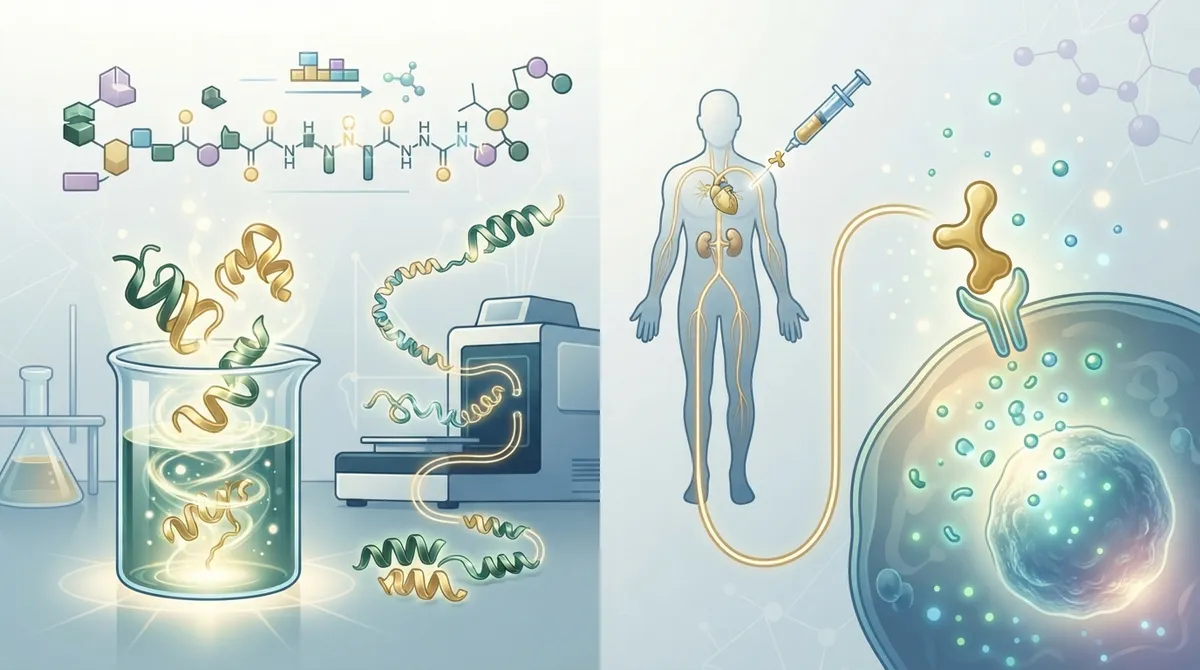
This is where things get interesting for anyone exploring options through a peptide therapy clinic. Bioidentical hormones directly replace or supplement hormones your body is missing. Peptides work differently. They are short chains of amino acids that act like messengers, nudging your body to do something on its own, like releasing more growth hormone or supporting tissue repair.
In simple terms:
- BHRT gives your body the hormone directly.
- Peptide therapy signals your body to produce or use hormones and other processes more efficiently.
- BHRT is often used for menopause symptoms, low testosterone, and hormone deficiencies.
- Peptides are commonly used for energy, recovery, metabolism, sleep, and longevity support.
- Some peptides, like GLP-1 medications, influence appetite and metabolism rather than replacing a hormone outright.
If you want a deeper dive into how these signaling molecules work, this article on what are peptides is a great place to start.

Are Bioidentical Hormones FDA Approved?
Yes, some are. This is a common source of confusion. Certain estradiol patches, gels, and micronized progesterone capsules are FDA-approved and considered bioidentical. These products go through rigorous testing for safety, dosing consistency, and effectiveness.
Compounded bioidentical hormones, on the other hand, are custom-mixed by pharmacies and are not reviewed by the FDA in the same way. That doesn’t automatically make them bad, but it does mean less oversight.
Quick Comparison: FDA-Approved vs. Compounded BHRT
| Feature | FDA-Approved BHRT | Compounded BHRT |
|---|---|---|
| Regulatory Review | Full FDA review for safety and quality | Not FDA-reviewed for safety or effectiveness |
| Dosing Consistency | Standardized and tested | Can vary batch to batch |
| Labeling | Includes boxed warnings and risk information | May lack standardized warnings |
| Customization | Limited to approved doses and forms | Highly customizable doses and delivery methods |
| Evidence Base | Backed by large clinical trials | Limited high-quality research |
According to the FDA’s guidance on menopause treatment, major medical groups including ACOG and the Endocrine Society have found insufficient evidence that compounded bioidentical hormones are safer or more effective than FDA-approved options. That’s an important thing to know before choosing a provider.
Is Compounded Bioidentical Hormone Therapy Safer?
This is probably the question we hear most often, and the honest answer is: not necessarily. The idea that “compounded” or “natural” automatically means safer is a myth worth retiring.
Here’s what the research actually shows:
- The 2020 National Academies of Sciences, Engineering, and Medicine (NASEM) review found that evidence for compounded BHRT was mostly low quality, without well-designed studies proving safety or effectiveness.
- ACOG’s 2023 clinical consensus states that compounded bioidentical hormones should not be routinely prescribed when FDA-approved versions are available.
- A 2022 systematic review found no major short-term issues with lipid or glucose levels in the compounded products studied, but the evidence was limited and doesn’t confirm long-term safety.
- Compounded products can have inconsistent potency, which means you might get more or less hormone than intended.
- FDA-approved products carry standardized boxed warnings about risks like blood clots, stroke, and breast cancer. Compounded products may not include the same level of detail.
None of this means compounded hormones are automatically dangerous. It just means you deserve full information and a provider who explains the tradeoffs honestly.
Can Peptide Therapy Replace Hormones Like Estrogen or Testosterone?
Short answer: no, not directly. Peptides and hormones serve different roles in the body, and treating them as interchangeable can lead to unrealistic expectations.
Peptides like those used for growth hormone support can influence energy, recovery, and metabolism, but they are not a substitute for estrogen, progesterone, testosterone, or thyroid hormone when those are clinically low. If you’re dealing with menopause symptoms or diagnosed low testosterone, hormone therapy is usually the evidence-based path. Peptides can complement that plan, but shouldn’t replace it without a clear clinical reason. You can learn more about how these two approaches work together in our guide on how to choose between bioidentical hormones and peptides.
Common Hormones Used in BHRT
- Estradiol (for menopause symptoms and bone health)
- Micronized progesterone (paired with estrogen for uterine protection)
- Testosterone (for low testosterone in men and women)
- DHEA (a precursor hormone sometimes used for adrenal support)
Do You Need Hormone Testing Before Starting Treatment?
This surprises a lot of people: routine hormone testing through saliva, urine, or even blood isn’t always required to diagnose menopause or start standard hormone therapy. ACOG has found inadequate evidence that individualized testing-based compounded regimens actually improve outcomes compared to standard dosing.
That said, testing absolutely plays a role in personalized peptide therapy. At Allura Longevity, every client starts with comprehensive blood work through LabCorp so providers can build a treatment plan based on your actual numbers, not guesswork. This is especially valuable for biohackers and health optimizers who want data-driven decisions rather than one-size-fits-all protocols.
Benefits and Risks of Hormone Therapy for Menopause
Let’s talk about what the research actually says, because this is where good decision-making starts.
The 2022 North American Menopause Society (NAMS) position statement reports that hormone therapy is the most effective treatment available for hot flashes, night sweats, and vaginal dryness related to menopause. It also helps protect against bone loss and fractures.
When Hormone Therapy Tends to Be Favorable
- You are younger than 60 or within 10 years of your last period.
- You don’t have contraindications like a history of blood clots, certain cancers, or liver disease.
- You’re dealing with bothersome hot flashes, night sweats, or vaginal symptoms.
- You want support for bone density and fracture prevention.
When the Risk Profile Shifts
NAMS also notes that starting hormone therapy more than 10 years after menopause, or after age 60, carries higher absolute risks for heart disease, stroke, blood clots, and dementia. This is exactly why personalized evaluation matters so much, and why a one-size-fits-all approach doesn’t work for everyone.
Are Hormone Pellets Considered Bioidentical?
Yes, hormone pellets are typically made from bioidentical hormones, usually testosterone or estradiol, inserted under the skin for slow, steady release over several months. They fall into the compounded category in most cases, which means the same considerations about quality control and dosing consistency apply.
If you’re weighing pellets against other delivery methods, it helps to understand the full picture of hormone pellet therapy before committing to a six-month or year-long implant.
Who Should Avoid Hormone Therapy?
Hormone therapy isn’t right for everyone, and a good provider will screen for these factors before recommending treatment:
- History of breast, ovarian, or uterine cancer
- Unexplained vaginal bleeding
- History of blood clots, stroke, or heart attack
- Active liver disease
- Pregnancy or suspected pregnancy
This is why informed consent and a thorough medical history review matter so much before starting any hormone-based treatment.
How Peptide Therapy Fits Into the Bigger Picture
Here’s where things get exciting for people who want more than just hormone replacement. Peptide therapy targets specific goals like fat loss, muscle recovery, immune support, skin rejuvenation, and better sleep, often working alongside hormone therapy rather than against it.
For example, someone using testosterone replacement therapy might also explore peptides that support recovery and lean muscle, according to our guide on why testosterone therapy gets paired with peptides. Someone focused on weight loss might look into which weight loss peptides actually work, including GLP-1 options. And if injury recovery is your priority, BPC-157 has become a popular option worth understanding through our breakdown of BPC-157 peptide facts.
Steps to Getting Started With Personalized Peptide or Hormone Therapy
- Schedule a virtual consultation with a licensed provider.
- Complete comprehensive blood work to establish your baseline.
- Review your results with a provider who explains your options clearly.
- Receive a customized six-month treatment plan tailored to your goals.
- Get your medications delivered directly to your home.
- Check in regularly so your provider can adjust your plan as needed.
This is exactly the process Allura Longevity uses, starting with a simple $50 virtual consultation and LabCorp blood work, led by board-certified Family Nurse Practitioner Ashley and her team. It’s designed for busy professionals and wellness seekers who want real answers without wasting time.
How Long Can You Safely Use Hormone or Peptide Therapy?
There’s no universal answer here, and that’s actually a good thing. Duration depends on your age, health history, symptoms, and goals. Many women use hormone therapy for several years around the menopause transition, with regular reassessment. Peptide protocols often run in cycles, sometimes six months at a time, with breaks and adjustments based on bloodwork and how you’re feeling.
The National Library of Medicine notes that ongoing monitoring is essential for both hormone and peptide-based treatments, since needs can shift over time. This is exactly why cookie-cutter, unsupervised plans tend to fall short.
Questions to Ask Before Choosing a Clinic
Not all clinics are created equal, and asking the right questions upfront can save you time, money, and frustration.
- Are your providers licensed and board-certified?
- Do you require blood work before starting treatment?
- Is my treatment plan personalized to my labs and goals?
- How often will my plan be reviewed and adjusted?
- Do you clearly explain FDA-approved versus compounded options?
- What states are you licensed to practice in?
If you want to go deeper on this topic, check out our post on how to start peptide therapy safely and see real results.
Ready to Find Your Right Fit?
Bioidentical hormone replacement therapy and peptide therapy both have real value, but they solve different problems. The best plan is the one built around your labs, your goals, and your life, not a generic protocol pulled off a shelf. Allura Longevity offers personalized, medically supervised care through telehealth, with plans built around your blood work and delivered right to your door.
Spots fill up each month, so if you’re ready to feel like yourself again, now’s a great time to request a consultation and talk with a licensed provider about your options. You can also call (813) 510-6277 to get your questions answered directly.
FAQs
Q: What is bioidentical hormone replacement therapy, and how does it differ from peptide therapy?
A: BHRT uses hormones that are chemically identical to what your body naturally makes, directly replacing what’s missing. Peptide therapy, on the other hand, uses signaling molecules that encourage your body to produce hormones or repair tissue on its own. They’re friends, not twins!
Q: Are bioidentical hormones FDA approved?
A: Some are! Certain estradiol and micronized progesterone products are FDA-approved and considered bioidentical. Compounded versions, however, aren’t reviewed by the FDA the same way, so it’s worth asking your provider which type you’re getting.
Q: Can peptide therapy replace estrogen, progesterone, or testosterone?
A: Not really, and that’s totally okay. Peptides support signaling pathways in your body, but they don’t replace hormones directly. If you have a diagnosed hormone deficiency, hormone therapy is usually the way to go, with peptides as a helpful complement.
Q: Do I need hormone testing before starting BHRT?
A: For standard menopausal hormone therapy, extensive testing isn’t always required. But for personalized peptide therapy, blood work is a game-changer because it helps your provider build a plan around your actual numbers, not a guess.
Q: Is compounded bioidentical hormone therapy safer than FDA-approved options?
A: Not necessarily, and this is a common misconception. Major health organizations have found no strong evidence that compounded BHRT is safer or more effective than FDA-approved products. It really comes down to your specific needs and a provider you trust.





