
Key Takeaways
-
Hematopoietic stem-cell transplantation is the only stem cell procedure with strong clinical evidence, proven effective for blood cancers and immune disorders; most advertised uses like knee pain or anti-aging lack this level of scientific proof.
-
Many stem cell clinics marketing treatments lack FDA approval, clinical trial registration, or transparent sourcing; watch for red flags like guaranteed results, upfront payment pressure, and defensive responses to questions about evidence.
-
Peptides are not stem cells and cannot reliably regenerate stem cells in humans despite marketing claims; they are messenger molecules that may support tissue repair, requiring strong clinical evidence before any regenerative claims.
-
Before any stem cell procedure, verify FDA approval status, ask for peer-reviewed evidence specific to your condition, confirm licensed medical oversight, and get informed about realistic risks including infection, immune reactions, and treatment failure.
If you’ve spent any time scrolling wellness content lately, you’ve probably seen wild claims about stem cell procedures curing everything from wrinkles to joint pain. It’s exciting to think about, right? But here’s the truth: separating real science from marketing hype can feel like a full-time job. That’s exactly why we put together this friendly, no-nonsense guide. We’ll walk through what stem cell procedures actually are, where peptides fit into the picture, and how to protect yourself from unproven treatments while still pursuing real vitality.
Whether you’re a busy professional squeezing in research between meetings, a biohacker who loves a good data point, or someone simply hoping to feel like themselves again, this article is for you. We’ll keep things simple, honest, and grounded in what the science actually says. Let’s dig in together.
1. What Stem Cell Procedures Actually Are
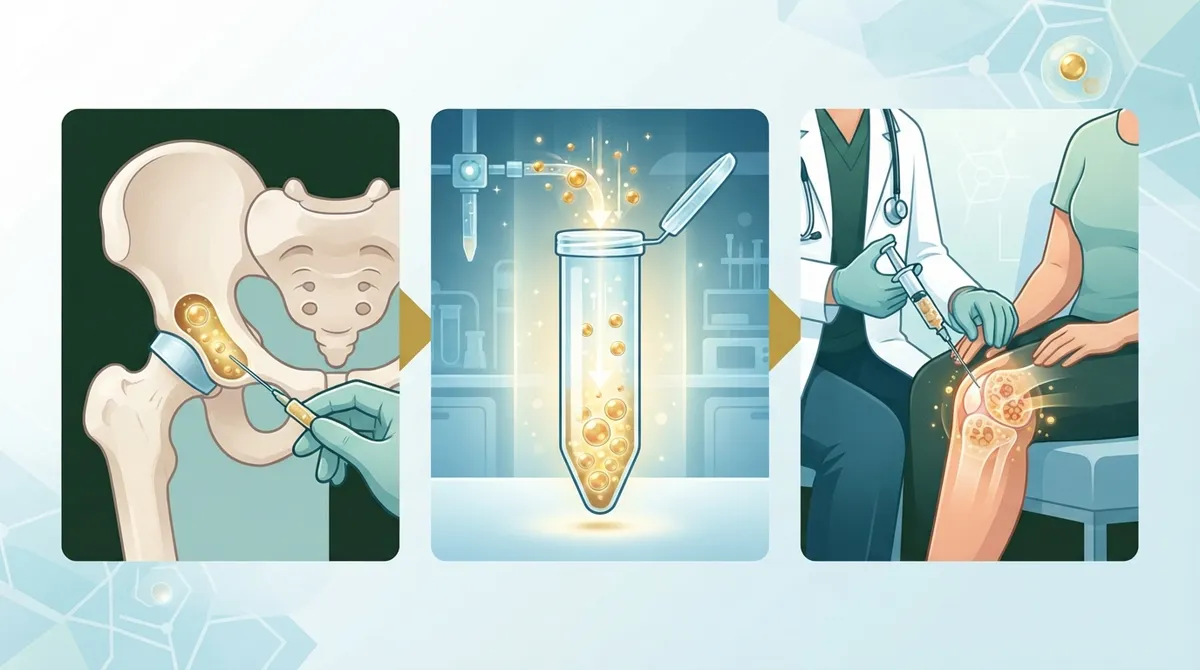
Stem cell procedures use special cells that can renew themselves and turn into other cell types. Think of them as your body’s raw building blocks. Doctors use them in a few different ways, and not all of them are created equal.
Common categories include hematopoietic stem-cell transplantation, mesenchymal stromal/stem-cell products, adipose- or bone-marrow-derived cell procedures, induced pluripotent stem-cell approaches, and umbilical-cord-derived products. Each one has its own level of evidence, risk, and regulatory approval status.
2. Peptides Are Not Stem Cells (And That’s Okay)
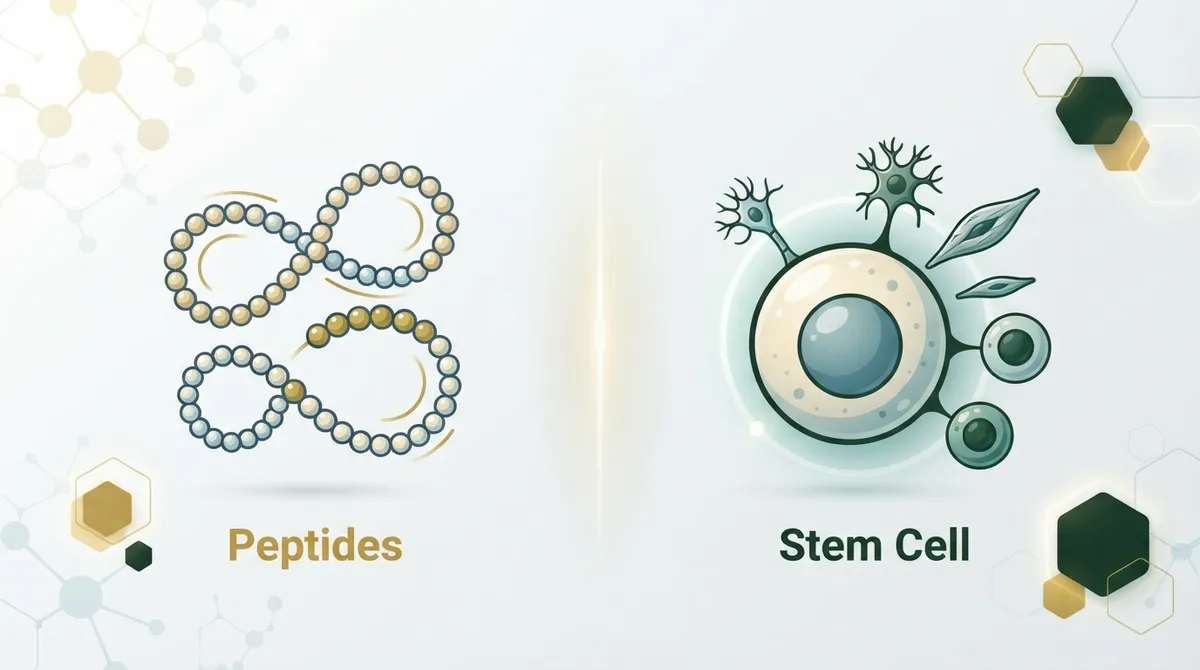
Let’s clear up a common mix-up right away. Peptides are small chains of amino acids that act like messengers in your body. They’re not stem cells, and they don’t work the same way. If you want a deeper dive into the basics, this piece on what peptides actually are is a great place to start.
Peptides can support signaling pathways involved in tissue repair, energy, and recovery. But claiming a peptide can create, activate, or regenerate clinically useful stem cells in humans requires strong clinical evidence. Right now, that evidence is limited for most consumer-marketed claims.
3. The One Stem Cell Use With Strong Evidence
Hematopoietic stem-cell transplantation is the gold standard here. It’s used for certain blood cancers, bone-marrow disorders, immune deficiencies, and some inherited metabolic diseases. This is where decades of research and clinical trials back up real, measurable outcomes.
Many other uses you see advertised online, like orthopedic injections for knee pain or anti-aging treatments, don’t have the same level of proof. That doesn’t mean they’re worthless. It means we need to be honest about what we know and don’t know.
4. Why the FDA Is Sounding the Alarm
The U.S. Food and Drug Administration has issued consumer warnings about regenerative medicine products, including many unapproved stem-cell and exosome treatments. Their message is simple: many of these products haven’t been proven safe or effective for the uses being advertised.
Before considering any stem cell procedure, always check:
- Whether the product has FDA approval or is part of a registered clinical trial
- The manufacturing standards behind the cell product
- Whether informed consent procedures are clearly explained
- The specific condition being treated and the evidence supporting it
5. What the ISSCR Guidelines Say
The International Society for Stem Cell Research updated its clinical guidelines in 2021. Their message was clear: stem-cell-based products need well-controlled clinical trials with statistically significant results before they’re rolled out widely.
They specifically warn against premature commercialization of unproven interventions. In plain English? If a clinic promises miracle results without solid trial data, that’s a red flag worth taking seriously.
6. Risks You Should Know About
Stem cell procedures aren’t risk-free, even the established ones. Understanding potential downsides helps you make informed choices.
- Infection at the injection or harvesting site
- Immune reactions to donor or processed cells
- Tumor formation or abnormal tissue growth
- Contamination during processing
- Treatment failure despite the procedure
- Complications from anesthesia or invasive harvesting
These risks matter more when a treatment is unproven or offered outside a monitored clinical setting. Always ask questions before moving forward with anything invasive.
7. Can Peptides Support Recovery Before or After a Procedure?
This is one of the most common questions we hear. Some peptides are studied for their role in tissue repair and recovery support, which is different from claiming they regenerate stem cells directly. For example, resources on TB-500 peptide facts and BPC-157 peptide facts explain what current research does and doesn’t support.
If you’re considering peptide support alongside any procedure, always loop in a licensed provider who can review your labs and health history first.
8. How Peptide Therapy Differs From Stem Cell Procedures
It helps to see these two approaches side by side. Here’s a simple breakdown:
| Feature | Stem Cell Procedures | Peptide Therapy |
|---|---|---|
| What it involves | Cell harvesting, processing, and injection or transplantation | Small protein-like molecules given via injection or other methods |
| FDA status | Approved for select uses (like hematopoietic transplant); many others unapproved | Varies by peptide; some are FDA-approved drugs, others compounded |
| Invasiveness | Often invasive (harvesting, anesthesia, injection) | Typically simple subcutaneous injections at home |
| Evidence base | Strong for specific blood/immune conditions; limited elsewhere | Growing but condition- and peptide-specific |
| Delivery setting | Usually in-clinic or hospital-based | Can be managed via telehealth with home delivery |
9. Questions to Ask Before Any Stem Cell Procedure
If you’re exploring a clinic offering stem cell treatments, come prepared. Here’s a helpful checklist:
- Is this treatment FDA-approved, or part of a registered clinical trial?
- Can you show me published, peer-reviewed evidence for my specific condition?
- What are the realistic risks and potential side effects?
- Who is performing the procedure, and what are their credentials?
- What happens if the treatment doesn’t work as expected?
A legitimate provider will welcome these questions. If they get defensive or vague, that’s worth noting.
10. How to Spot an Unproven or Risky Clinic
Some direct-to-consumer clinics market stem cell treatments for arthritis, anti-aging, or wellness without strong evidence behind them. Watch for these warning signs:
- Promises of guaranteed results for a wide range of conditions
- No mention of clinical trial registration or FDA status
- Pressure to pay upfront for multiple sessions
- Lack of transparency about where cells are sourced or processed
- No licensed medical provider reviewing your personal health history
Trustworthy care always starts with a real evaluation, not a sales pitch.
11. Where Peptide Therapy Fits Into a Longevity Plan
For many people chasing better energy, recovery, and vitality, peptide therapy offers a more accessible, evidence-informed starting point than experimental stem cell procedures. According to the WebMD overview of what peptides are, these molecules play natural roles in hormone regulation, immune function, and tissue signaling.
At Allura Longevity, treatment plans are built around your actual blood work and health goals, not one-size-fits-all promises. This means you get a plan designed for your body, not a generic protocol pulled off a shelf.
12. The Role of Licensed Medical Oversight
Whether you’re considering peptides, hormone therapy, or exploring stem cell research, medical oversight matters. A licensed provider can interpret your labs, flag risks, and adjust your plan as your body responds.
Allura Longevity’s care model includes a $50 virtual consultation, complete LabCorp blood work, and a personalized six-month plan. Everything is monitored and adjusted by licensed providers, led by Ashley, a board-certified Family Nurse Practitioner. If you’re curious how this process works step by step, check out how to start peptide therapy safely and see real results.
13. Combining Realistic Expectations With Smart Care
It’s tempting to want a quick fix, especially when you’re dealing with fatigue, joint pain, or slower recovery than you used to have. But the smartest path forward combines realistic expectations with evidence-based care.
According to research published in the National Library of Medicine, regenerative medicine outcomes depend heavily on the specific condition, cell type, and trial design. This is exactly why personalized evaluation matters more than flashy marketing claims.
Here are a few smart steps to take before starting any new therapy:
- Get updated blood work to understand your baseline health
- Talk with a licensed provider about your specific goals
- Ask for evidence specific to your condition, not general claims
- Start with therapies that have clearer safety profiles and monitoring
- Track your progress over time with follow-up labs and check-ins
14. Building Your Own Evidence-Based Wellness Plan
You don’t need to choose between doing nothing and jumping into an unproven procedure. There’s a middle path: working with licensed providers who use your labs to guide a personalized, monitored plan.
Many wellness seekers find that starting with peptides for energy that actually work or exploring options for peptides for wound healing gives them a safer, more transparent starting point. From there, you can always discuss additional options, including regenerative approaches, with your provider.
For women specifically exploring hormone and peptide support, peptides for women may offer a helpful next step. And for men focused on recovery, energy, and vitality, peptides for men outlines options tailored to those goals.
Your Next Step Toward Informed, Personalized Care
Stem cell procedures hold real promise for specific medical conditions, but they’re not a magic fix for everything, and peptides are not a substitute for cell transplantation. The best approach is honest, personalized, and backed by real evidence. That’s the whole philosophy behind Allura Longevity’s telehealth model: blood work first, custom plans second, and licensed oversight every step of the way.
If you’re ready to explore a safer, more personalized path to better energy, recovery, and vitality, our team is here to help. Spots fill up each month, so don’t wait too long. Request a consultation today and take the next step with confidence.
FAQs
Q: What are stem cell procedures and how do they work?
A: Stem cell procedures use cells that can renew themselves and turn into different cell types. They range from well-established treatments like hematopoietic stem-cell transplantation to newer, more experimental approaches. The right procedure and its effectiveness really depend on your specific condition and the quality of evidence behind it.
Q: Are peptides the same as stem cells?
A: Nope, they’re quite different! Peptides are small chains of amino acids that act like messengers in your body, while stem cells are actual cells with the ability to renew and differentiate. Peptides may support certain signaling processes, but they aren’t a replacement for stem cell transplantation.
Q: Can peptide therapy activate or regenerate stem cells?
A: Right now, there isn’t strong clinical evidence showing peptides reliably activate or regenerate stem cells in humans for most conditions. Some peptides are studied for supporting recovery and tissue repair, but claims about regenerating stem cells need solid, condition-specific research before we can say for sure.
Q: Are stem cell injections FDA approved for arthritis, anti-aging, or pain?
A: Many of these commercially marketed uses are not FDA-approved and lack strong clinical evidence. The FDA has specifically warned that many regenerative medicine products, including certain stem cell treatments, haven’t been proven safe or effective for these uses. It’s always worth asking a provider directly about approval status before moving forward.
Q: How can patients identify a legitimate stem cell clinical trial or treatment center?
A: Look for FDA approval or clear registration in a recognized clinical trial database, transparent informed consent, and licensed medical providers reviewing your case. If a clinic can’t answer basic questions about evidence or manufacturing standards, that’s a sign to pause and dig deeper before committing.





