

Key Takeaways
-
FDA does not approve stem cell injections for osteoarthritis in the U.S., so many clinics operate outside standard regulatory pathways; ask if treatment is part of a registered clinical trial before proceeding.
-
Current evidence shows only modest improvements: a 2024 Cochrane review found a 1.2-point pain reduction on a 0-10 scale and 14.2-point function improvement on 0-100 scale versus placebo, with low certainty of evidence.
-
Stem cell injections work primarily through releasing anti-inflammatory molecules (paracrine signaling) rather than rebuilding cartilage, so they may calm inflammation but don't necessarily restore joint structure.
-
Most studies only track outcomes for 6-12 months with no proven long-term benefits or permanent cartilage restoration; clinical data on lasting effects beyond one year remains unavailable.
-
Stem cell and peptide therapies are fundamentally different: stem cells are living cells injected into joints, while peptides are short amino acid chains that support signaling; peptides lack FDA approval for joint pain and require more human research.
-
Before considering stem cell injections costing thousands per joint, explore evidence-based alternatives first: physical therapy, weight management, anti-inflammatory medications, or corticosteroid/hyaluronic acid injections with established track records.
If your knees ache when you climb stairs or your shoulder throbs after a workout, you’ve probably searched for answers online. Chances are, “stem cell treatment for joint pain” popped up more than once. Maybe you’ve also seen ads promising to “regrow cartilage” or “reverse arthritis overnight.” It’s exciting stuff, but before you book anything, let’s slow down and talk facts. We want you to feel informed, empowered, and confident about your options, whether that’s stem cells, peptide therapy, or a mix of smart lifestyle changes.
At Allura Longevity, we specialize in personalized, physician-guided peptide therapy, not stem cell injections. But we get asked about stem cells constantly, so we’ve put together this friendly, honest guide. We’ll walk through what the science actually shows, where peptides like BPC-157 and TB-500 fit into the regenerative-medicine conversation, and how to make smart, safe decisions for your joints. Let’s dig in together.
1. What Stem Cell Treatment for Joint Pain Actually Means
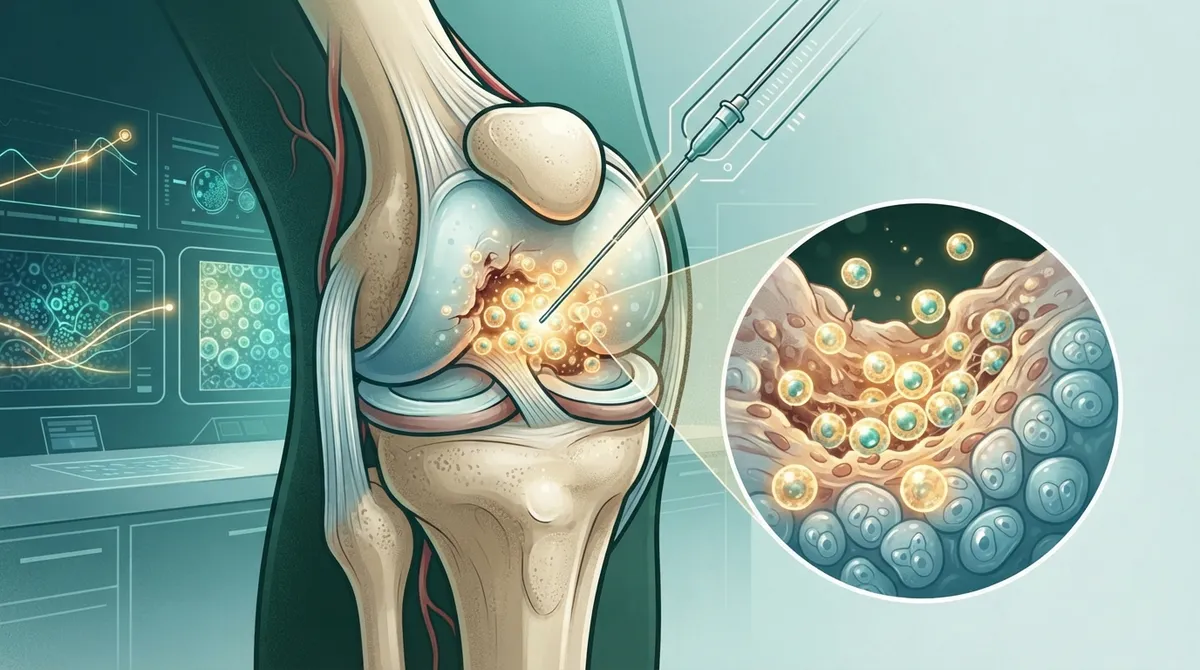
Stem cell treatment for joint pain usually refers to injections of mesenchymal stem cells, often called MSCs. These cells can come from bone marrow, fat tissue, or umbilical cord tissue. Doctors inject them directly into a joint, most commonly the knee, hoping to reduce pain and improve function.
The idea sounds simple: put in fresh cells, get a fresher joint. But the real story is more complicated, and it’s worth understanding before you spend thousands of dollars on a procedure.
2. How These Injections Are Believed to Work
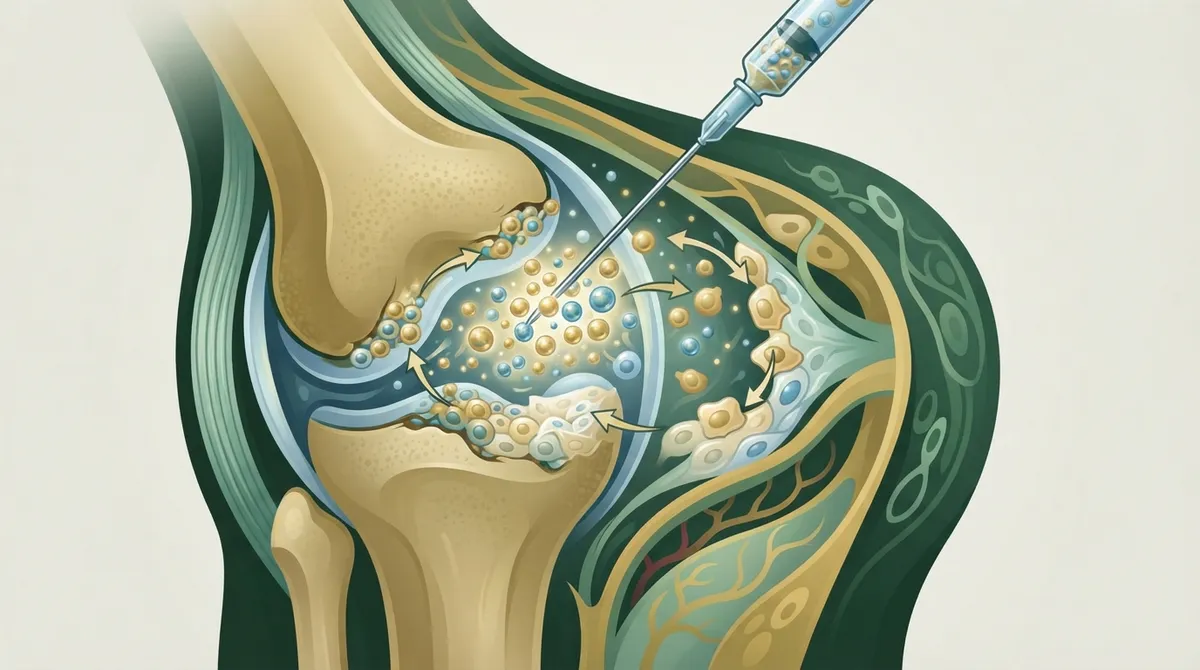
MSCs don’t necessarily turn into new cartilage cells once injected. Instead, researchers believe they work mostly through paracrine signaling. That means the cells release growth factors and other molecules that may calm inflammation and support tissue repair.
This is sometimes called an immunomodulatory effect. In plain English, the cells might help settle down an angry, inflamed joint rather than physically rebuilding damaged tissue. This distinction matters a lot when you’re deciding if a treatment is right for you.
3. The Evidence Is Promising, But Far From Settled
Here’s where we want to be completely honest with you. Multiple studies have looked at stem cell injections for knee osteoarthritis, and the results are mixed.
- A 2024 meta-analysis found improvements in pain and function compared with placebo at 6 and 12 months.
- A 2024 Cochrane review found only slight short-term improvements over placebo, with low or very low certainty of evidence.
- A 2025 systematic review suggested MSCs may improve knee pain and quality of life, but did not prove long-term cartilage restoration.
Notice a pattern? Words like “may” and “slight” show up a lot. That’s not a red flag exactly, but it’s a signal to keep your expectations realistic.
4. The Numbers Behind the Cochrane Review
Let’s get specific, because numbers help cut through the hype. The 2024 Cochrane review included 8 randomized trials with 544 participants comparing stem cells to placebo, plus 17 trials with 798 participants comparing stem cells to other treatments.
The result? An estimated 1.2-point improvement in pain on a 0-to-10 scale, and a 14.2-point improvement in function on a 0-to-100 scale, at up to 6 months versus placebo. That’s a modest bump, not a miracle cure. And remember, the certainty of this evidence was rated low.
5. What the Umbilical Cord Studies Show
A 2024 systematic review looked specifically at umbilical cord-derived MSCs. It only included three randomized controlled trials, which is a small sample size.
Researchers reported a WOMAC score improvement of -25.85 and a Lysholm score improvement of 18.33 compared to control groups. Those numbers sound encouraging, but the authors themselves said the evidence base is too small to draw firm conclusions. Bigger, better-designed studies are needed before anyone calls this a proven treatment.
6. FDA Regulatory Status: What You Need to Know
This part is important, so let’s be crystal clear. The FDA states that regenerative medicine products, including stem cell products, are not approved to treat orthopedic conditions like osteoarthritis, tendonitis, or disc disease in the United States.
That means many clinics offering these injections are operating outside standard FDA approval pathways. If you’re considering this route, ask whether the treatment is part of a properly regulated clinical trial. Be cautious of anyone claiming their product is “proven” to rebuild cartilage or cure joint disease permanently.
7. Stem Cell Therapy vs. Peptide Therapy: Know the Difference
People often lump stem cells and peptides together, but they’re not the same thing. Stem cells are living cells. Peptides are short chains of amino acids that act more like signaling molecules in the body.
Peptide therapy at Allura Longevity focuses on supporting overall wellness, energy, recovery, and metabolic health through personalized protocols based on your blood work. We’re not offering stem cell injections. Instead, we help clients explore evidence-informed peptide options as part of a broader wellness plan, always under the guidance of licensed medical providers.
| Feature | Stem Cell Injections | Peptide Therapy |
|---|---|---|
| What it is | Living cells (MSCs) injected into a joint | Short amino acid chains used as signaling agents |
| FDA approval for joint pain | Not approved in the U.S. | Most peptides for joint support are investigational |
| Typical delivery | In-office injection procedure | Often self-administered at home under supervision |
| Evidence strength | Low to moderate certainty, mixed results | Mostly preclinical or early human research |
| Cost | Often several thousand dollars per joint | Varies, generally part of a broader wellness plan |
8. Where Peptides Like BPC-157 and TB-500 Fit In
You’ve probably heard of BPC-157 and TB-500 in fitness or biohacking circles. These peptides get discussed a lot in regenerative medicine research because of their proposed roles in inflammation control, blood vessel formation, and tissue repair.
But here’s the honest truth: these peptides are not FDA-approved treatments for osteoarthritis. They should not be marketed as proven methods for activating stem cells, whether those cells are already in your body or came from an injection. Human clinical evidence remains limited, and questions about standardized dosing and long-term safety are still being studied. If you want to learn more about the current research, check out our detailed breakdown of 9 BPC-157 Peptide Facts to Know Before You Start.
9. Other Peptides Sometimes Mentioned for Joint Support
A few other peptides come up in regenerative-medicine conversations. Thymosin beta-4, GHK-Cu, and ARA-290 are sometimes studied for their potential effects on tissue repair, collagen support, and pain pathways.
Again, most of this research is preclinical or very early stage in humans. That doesn’t mean these compounds are useless, it just means we can’t call them proven cures. If you’re curious about TB-500 specifically, our article on 13 Facts About TB-500 Peptide You Need in 2026 breaks down what the science currently supports.
10. Types of Stem Cells Used in Joint Injections
Not all stem cell products are created equal. Here’s a quick rundown of the main sources used in clinical studies:
- Bone marrow-derived MSCs: Harvested from the patient’s own hip bone, often used in orthopedic research.
- Adipose-derived MSCs: Taken from a patient’s fat tissue, sometimes marketed as more convenient to collect.
- Umbilical cord-derived MSCs: Sourced from donated umbilical cord tissue after birth, studied in a smaller number of trials.
Because preparation methods, cell counts, and processing techniques vary so much between clinics, comparing results across studies is genuinely difficult. This variability is one reason researchers keep calling for more standardized trials.
11. How Long Do the Benefits Actually Last?
This is one of the most common questions we hear, and it’s a fair one. Based on current research, most studies only track outcomes for 6 to 12 months.
A 2026 review of the clinical trial landscape identified 224 interventional trials on stem cell therapies for osteoarthritis conducted between 2000 and 2025. The review noted ongoing uncertainty about how long benefits last and whether the treatment actually changes joint structure over time. In short, nobody can promise you permanent results right now.
12. Risks and Costs You Should Consider
Like any medical procedure, stem cell injections carry risks. These can include infection, pain at the injection site, and in rare cases, more serious complications depending on how the product was prepared.
Cost is another major factor. Many clinics charge thousands of dollars per joint, and insurance typically won’t cover it since it’s not an FDA-approved treatment for osteoarthritis. Before committing, ask detailed questions about the provider’s experience, the product’s source, and what happens if the treatment doesn’t work as hoped.
13. Evidence-Based Alternatives Worth Exploring First
Before jumping into an unproven procedure, it’s smart to explore treatments with a stronger track record. Here are some options many clinicians recommend first:
- Physical therapy and targeted strengthening exercises
- Weight management, which can significantly reduce joint stress
- Anti-inflammatory medications, as appropriate for your health history
- Corticosteroid or hyaluronic acid injections with established indications
- Surgery, reserved for selected advanced cases
Combining these approaches with a personalized wellness plan, including peptides for women or peptides for men focused on recovery and inflammation support, may offer a more balanced path forward.
14. Questions to Ask Before Choosing Any Regenerative Treatment
Whether you’re considering stem cells or peptide-based support, come prepared with questions. Here’s a simple checklist:
- Is this treatment FDA-approved for my specific condition?
- What does the current research actually show about effectiveness?
- What are the realistic risks, including infection and cost?
- Is this part of a registered clinical trial?
- What alternative, evidence-based options should I consider first?
A trustworthy provider should welcome these questions and answer them honestly, not brush them aside with vague marketing promises.
15. Why Personalized, Physician-Guided Peptide Therapy Makes Sense
Joint pain rarely has one single cause. It might stem from inflammation, old injuries, hormone shifts, or simple wear and tear. That’s why a one-size-fits-all injection rarely tells the whole story.
At Allura Longevity, we take a different approach. It starts with a simple $50 virtual consultation, followed by comprehensive blood work through LabCorp. From there, our board-certified Family Nurse Practitioner, Ashley, and her team build a customized six-month plan based on your actual biology and goals. Peptides are shipped straight to your door, and you get ongoing monitoring and adjustments along the way. If you want to understand this process further, read our guide on How to Start Peptide Therapy Safely and See Real Results.
We also recommend learning the basics before you begin any regenerative-medicine journey. Our article on 8 Facts That Explain What Are Peptides in 2026 is a great starting point, as is this overview of what are peptides from a trusted medical resource. For deeper reading on regenerative medicine research, the National Library of Medicine offers peer-reviewed studies worth exploring.
Making an Informed Decision About Your Joint Health
Stem cell treatment for joint pain is a fascinating area of medicine, and the research keeps evolving. But right now, it’s not a proven cure, and it’s not FDA-approved for osteoarthritis in the United States. Peptide therapy is a different category entirely, one focused on personalized support rather than unproven regenerative claims.
If you’re dealing with joint discomfort, fatigue, slow recovery, or just want to feel like yourself again, we’d love to help you explore safe, personalized options. Our licensed providers design every plan around your unique blood work and goals, with convenient telehealth care available in Florida, Georgia, Texas, Connecticut, Indiana, Maryland, New York, and California. Spots fill up fast each month, so if you’re ready to take the next step, request a consultation with our team today and let’s build a plan that actually fits you. You can also give us a call at (813) 510-6277 with any questions.
FAQs
Q: Do stem cell injections work for knee osteoarthritis and other joint pain?
A: The research is mixed but leaning promising. Studies show modest improvements in pain and function, but a 2024 Cochrane review rated the evidence as low certainty. We’d love to help you weigh this against other options during a consultation.
Q: Are stem cell treatments for joint pain FDA approved?
A: Not currently. The FDA states that regenerative medicine products, including stem cells, are not approved to treat conditions like osteoarthritis in the United States. Always ask providers directly about regulatory status before moving forward.
Q: What is the difference between stem cell therapy and peptide therapy?
A: Stem cell therapy uses living cells injected into a joint, while peptide therapy uses small protein molecules that support the body’s natural signaling processes. At Allura Longevity, we focus exclusively on personalized peptide therapy, not stem cell injections.
Q: Can BPC-157 or TB-500 regenerate cartilage or repair a damaged joint?
A: Not proven yet. Human clinical evidence for these peptides is still limited, and they aren’t FDA-approved for joint repair. We’re happy to walk you through the current research so you can make an informed choice.
Q: What are the risks, costs, and alternatives to regenerative injections for joint pain?
A: Risks can include infection and injection-site pain, and costs often run into the thousands per joint since insurance rarely covers unproven treatments. Evidence-based alternatives like physical therapy, weight management, and personalized peptide support are worth exploring first.





