

Key Takeaways
-
GLP-1 is a drug class that includes multiple medications, while Wegovy is one specific FDA-approved brand containing semaglutide for chronic weight management.
-
Clinical trial data shows semaglutide users lost 14.9% of body weight versus 2.4% with placebo, with 69.1% achieving at least 10% weight loss over 68 weeks.
-
Wegovy requires gradual dose escalation from 0.25 mg to 2.4 mg over 16 weeks to minimize gastrointestinal side effects that occur in about 74% of users.
-
Semaglutide provides cardiovascular benefits beyond weight loss, reducing major cardiovascular events by 20% in people with existing heart disease and overweight.
-
Weight regain is common after stopping Wegovy, with many participants regaining significant weight within one year, making long-term treatment a more effective approach.
-
Compounded semaglutide differs from FDA-approved Wegovy in purity and formulation standards and should only be used with proper medical oversight and legal compliance.
If you’ve been scrolling through weight loss forums or chatting with friends about shots that help shed pounds, you’ve probably heard two terms tossed around like they mean the same thing: GLP-1 and Wegovy. Here’s a little secret that clears up so much confusion. They aren’t rivals, and they aren’t interchangeable words either. Think of it like this: GLP-1 is the whole family of medications, and Wegovy is one specific member of that family with its own name tag. Understanding this difference matters, especially if you’re weighing your options for weight management or metabolic health.
At Allura Longevity, we talk with clients every day who feel overwhelmed by the alphabet soup of peptide names, drug classes, and brand labels. Our goal with this guide is simple: to break down GLP-1 versus Wegovy in plain language, backed by real clinical data, so you can make an informed choice with your provider. Whether you’re a busy professional short on time or a wellness seeker ready to dig deeper, these 13 facts will help you feel confident about your next step.
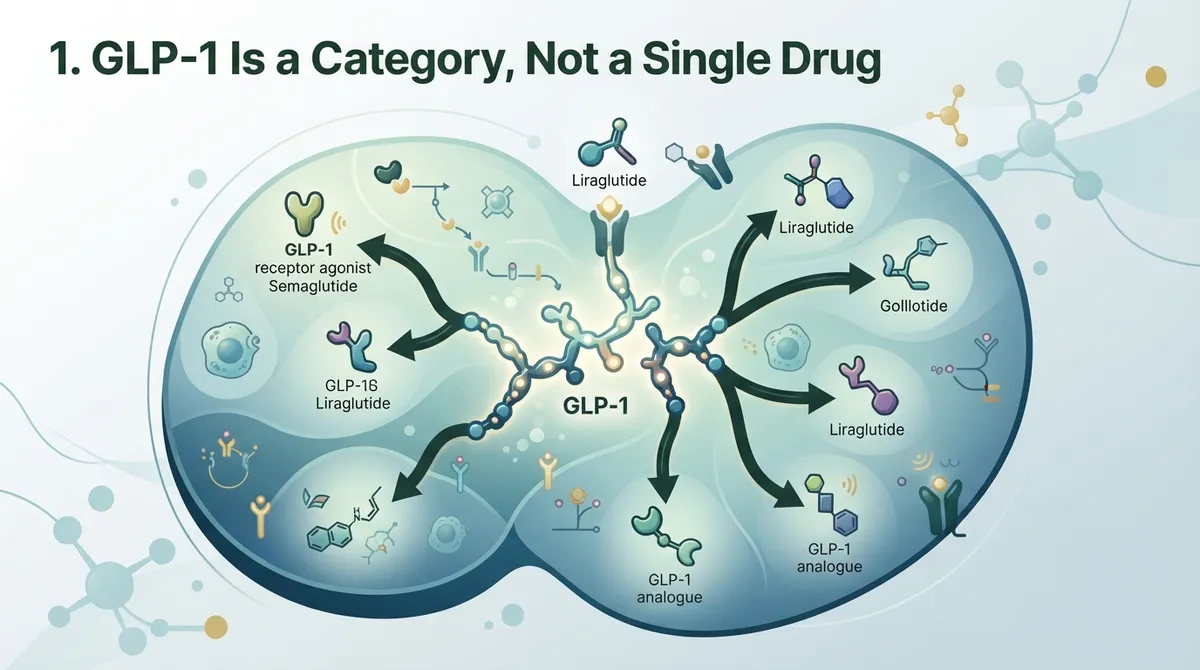
1. GLP-1 Is a Category, Not a Single Drug
GLP-1 stands for glucagon-like peptide-1. It’s a hormone your gut naturally makes after eating. GLP-1 receptor agonists are medications built to mimic that hormone’s effects. This entire class includes several different products, each with its own brand name and approved use. So when someone asks “is Wegovy a GLP-1,” the answer is yes, but it’s just one option within a much bigger group.

2. Wegovy Is a Specific Brand of Semaglutide
Wegovy contains semaglutide, a long-acting GLP-1 receptor agonist. It’s manufactured and sold under this specific brand name for one main purpose: chronic weight management. Semaglutide itself is the active ingredient, but Wegovy is the packaging, dosing schedule, and FDA approval wrapped around it for weight loss specifically.
3. What Wegovy Is Actually Approved For
Wegovy carries FDA approval for chronic weight management in adults with obesity, or those who are overweight with at least one weight-related health condition like high blood pressure or type 2 diabetes. It’s also approved for eligible teens aged 12 and older living with obesity. This approval always comes paired with a reduced-calorie diet and regular physical activity, not as a standalone fix.
Who Typically Qualifies
Eligibility generally follows body mass index guidelines. A BMI of 30 or higher usually qualifies someone on its own. A BMI of 27 or higher can also qualify if paired with a condition like dyslipidemia or hypertension. Your provider will confirm eligibility using your full health history and lab work, which is exactly why starting peptide therapy safely always begins with a real evaluation, not guesswork.
4. How Semaglutide Actually Works in the Body
Semaglutide activates GLP-1 receptors throughout your body. This helps you feel full sooner, slows down how fast your stomach empties, and reduces overall hunger signals. It also supports better blood sugar control by improving how your body releases insulin. These combined effects explain why the medication helps with both weight loss and metabolic health.
5. The Dosing Schedule Requires Patience
Wegovy isn’t a jump-in-at-full-speed kind of treatment. Dosing starts low and increases gradually to help your body adjust.
| Week Range | Weekly Dose |
|---|---|
| Weeks 1-4 | 0.25 mg |
| Weeks 5-8 | 0.5 mg |
| Weeks 9-12 | 1 mg |
| Weeks 13-16 | 1.7 mg |
| Week 17 onward | 2.4 mg (standard maintenance) |
This slow climb helps limit stomach-related side effects. Some people stay on the 1.7 mg dose long term if the full 2.4 mg dose isn’t well tolerated. Your provider will adjust the pace based on how your body responds, which is part of why ongoing monitoring matters so much with any GLP-1 peptide therapy plan.
6. Real Weight Loss Numbers From Clinical Trials
Numbers help cut through the marketing noise. The STEP 1 trial, published in the New England Journal of Medicine, gave us solid data on what to expect.
- Participants on semaglutide lost about 14.9% of their starting body weight after 68 weeks, compared to just 2.4% with placebo.
- About 69.1% of semaglutide users lost at least 10% of their body weight, versus only 12% on placebo.
- Roughly half of semaglutide users lost 15% or more of their body weight, compared to under 5% on placebo.
These results came alongside lifestyle changes like diet and exercise, not from the medication working in isolation.
7. Wegovy vs Ozempic vs Rybelsus: Don’t Mix These Up
All three of these medications contain semaglutide, but they aren’t the same product. Here’s a quick breakdown to keep things straight.
| Brand | Primary FDA Approval | Form |
|---|---|---|
| Wegovy | Chronic weight management | Injection |
| Ozempic | Type 2 diabetes management | Injection |
| Rybelsus | Type 2 diabetes management | Oral tablet |
Some providers prescribe these off-label for other purposes, but the FDA-approved primary use differs for each. Understanding this distinction helps you ask better questions during your consultation, and you can read more in our guide comparing GLP-1 versus Ozempic.
8. Compounded Semaglutide Is Not the Same Thing
You may have seen ads for compounded semaglutide at a lower price. It’s important to know this isn’t FDA-approved Wegovy. Compounded versions can have different concentrations, formulations, or purity standards depending on the pharmacy making them. They should only be used when legally permitted and prescribed with proper medical oversight. Our article on FDA-approved versus compounded peptides dives deeper into this important distinction.
9. Side Effects You Should Know About
No medication is without tradeoffs, and Wegovy is no exception. The most common side effects reported in clinical trials include:
- Nausea
- Diarrhea
- Vomiting
- Constipation
- Abdominal pain
- Headache
- Fatigue
In the STEP 1 trial, gastrointestinal side effects occurred in about 74.2% of people on semaglutide, compared to 47.9% on placebo. Most were mild to moderate and happened during dose escalation. Learn more about managing these reactions in our piece on what causes GLP-1 side effects.
10. Important Warnings and Who Should Avoid It
Wegovy carries a boxed warning about thyroid C-cell tumors seen in rodent studies. It’s contraindicated for anyone with a personal or family history of medullary thyroid carcinoma or MEN 2 syndrome. Other precautions include risk of pancreatitis, gallbladder disease, kidney injury from dehydration, and low blood sugar when combined with certain diabetes medications. A full medical history review, including pregnancy status and current medications, is essential before starting treatment. This is precisely why licensed oversight matters so much, something you can read about in our guide on whether peptide therapy is safe.
11. Cardiovascular Benefits Beyond Weight Loss
Weight loss isn’t the only upside. The SELECT trial, published in 2023, found that semaglutide reduced major cardiovascular events by about 20% in adults with existing heart disease and overweight or obesity, even without diabetes. This finding has pushed semaglutide into conversations about long-term heart health, not just appearance-focused weight loss.
12. What Happens If You Stop Treatment
This is a question we hear constantly, and it deserves an honest answer. Follow-up data from the STEP 1 extension trial showed that many participants regained a significant portion of lost weight within a year of stopping semaglutide. This tells us that obesity treatment usually works best as a long-term commitment rather than a quick fix. Ongoing nutrition support, movement, and medical check-ins remain part of the picture even after reaching your goal weight.
13. Why Personalized, Supervised Care Makes the Difference
GLP-1 therapy, including Wegovy, isn’t a one-size-fits-all solution. Your dosing, monitoring schedule, and even whether this is the right therapy for you depends on your labs, health history, and goals. This is where working with a dedicated telehealth provider becomes so valuable. At Allura Longevity, clients start with a simple $50 virtual consultation, complete blood work through LabCorp, and receive a custom six-month treatment plan shipped right to their door. Care is led by Ashley, a board-certified Family Nurse Practitioner, with ongoing monitoring and dose adjustments built into every plan.
If you’re curious how GLP-1 therapy fits into a broader weight loss strategy, our article on which weight loss peptides actually work is a great next read. And if convenience matters to you as much as results, check out why GLP-1 telehealth is often the smarter way to lose weight compared to juggling multiple in-person visits.
Comparing GLP-1 Therapy Options at a Glance
To wrap up the comparison, here’s a simple side-by-side view of what makes GLP-1 as a category different from Wegovy as a specific product.
| Aspect | GLP-1 (Category) | Wegovy (Specific Product) |
|---|---|---|
| Definition | Drug class mimicking a natural gut hormone | Brand-name semaglutide product |
| Includes | Multiple brands and formulations | One specific FDA-approved medication |
| Primary Use | Varies by product (diabetes, weight loss) | Chronic weight management |
| Administration | Injection or oral, depending on brand | Weekly subcutaneous injection |
Understanding these fundamentals through resources like what are peptides can help you feel more confident walking into any conversation with your provider. For deeper clinical context on GLP-1 receptor agonists and their broader health effects, the National Library of Medicine offers well-researched, peer-reviewed insight worth exploring.
Making Sense of Your Own Path Forward
We know sifting through medical terms and drug names can feel like homework nobody assigned you. But here’s the good news: you don’t have to figure this out alone. Whether GLP-1 therapy through Wegovy or a related option fits your goals depends on your unique blood work, medical history, and what you’re hoping to achieve, whether that’s steady weight loss, better metabolic health, or simply feeling like yourself again.
If you’ve been curious about starting this journey, our team at Allura Longevity is here to walk through it with you, step by step, with real medical oversight and a plan built around your body. Spots for new clients open up monthly, and our licensed providers serve residents of Florida, Georgia, Texas, Connecticut, Indiana, Maryland, New York, and California through convenient nationwide telehealth visits. Ready to see what a personalized plan could look like for you? Request a consultation today and take that first confident step toward your goals. You can also reach our team directly at (813) 510-6277 with any questions along the way.
FAQs
Q: What is the difference between GLP-1 and Wegovy?
A: GLP-1 is the whole drug class, kind of like calling something a “car.” Wegovy is one specific FDA-approved brand within that class, containing semaglutide, made specifically for chronic weight management. So Wegovy is a type of GLP-1 medication, not a separate category altogether.
Q: How does Wegovy compare with Ozempic and Rybelsus?
A: All three contain semaglutide, but they’re approved for different main purposes. Wegovy is approved for weight management, while Ozempic and Rybelsus are approved primarily for type 2 diabetes. Your provider can help determine which fits your specific health goals.
Q: How much weight can someone realistically lose on Wegovy?
A: In the STEP 1 clinical trial, people using semaglutide lost about 14.9% of their body weight on average after 68 weeks. That’s compared to just 2.4% for those on placebo, showing a real, measurable difference when paired with diet and activity changes.
Q: Is compounded semaglutide the same as FDA-approved Wegovy?
A: No, and this is an important distinction to understand. Compounded semaglutide isn’t FDA-approved and may differ in concentration or formulation. It should only be used through a legally compliant pharmacy with proper clinical oversight from a licensed provider.
Q: What happens if someone stops taking Wegovy?
A: Research shows many people regain a significant portion of lost weight within a year of stopping treatment. This is why obesity care is generally viewed as a long-term commitment involving ongoing nutrition support, activity, and medical monitoring rather than a short-term fix.





