
Key Takeaways
-
GLP-1 is a hormone class with multiple medications; Ozempic is just one brand-name option containing semaglutide FDA-approved for type 2 diabetes, not weight loss.
-
Wegovy, not Ozempic, is the semaglutide product officially FDA-approved for chronic weight management, though both share the same active ingredient at different doses.
-
Clinical trials show tirzepatide produces slightly higher average weight loss (15-21%) than semaglutide (14.9%), but individual tolerance and personal factors determine the best choice.
-
GLP-1 medications work by slowing stomach emptying, regulating insulin release, reducing hunger signals, and supporting sustainable eating patterns over time.
-
Side effects like nausea and gastrointestinal issues typically appear during dose escalation and settle over time; avoid GLP-1s if you have thyroid cancer history or type 1 diabetes.
-
Weight regain commonly occurs after stopping GLP-1 treatment; long-term success requires combining peptide therapy with sustainable lifestyle changes including nutrition and sleep habits.
If you’ve been researching weight loss and metabolic health, you’ve probably seen the terms “GLP-1” and “Ozempic” used like they mean the same thing. Here’s a little secret: they don’t. Think of it like this—”GLP-1″ is the whole family, and Ozempic is just one member sitting at the dinner table. Understanding this difference can help you make smarter, safer choices for your health journey.
At Allura Longevity, we talk to people every day who are confused about which GLP-1 option is right for them. Whether you’re a busy professional looking for convenient care, a biohacker who wants to understand every detail of your protocol, or someone simply trying to feel more like yourself again, this guide breaks it all down in plain language. No confusing medical jargon, just the facts you need.
GLP-1 vs Ozempic: The Basic Difference
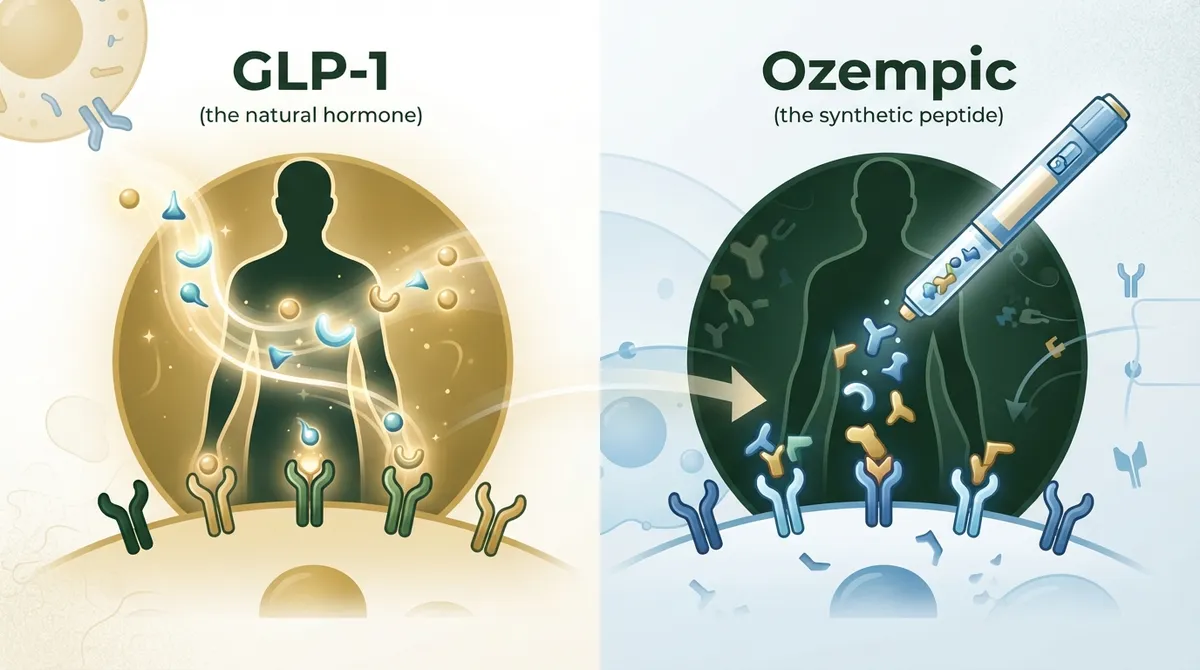
Let’s clear up the biggest misunderstanding right away. GLP-1 stands for glucagon-like peptide-1. It’s a hormone your body already makes naturally in your gut. This hormone helps control blood sugar and tells your brain when you’re full.
GLP-1 receptor agonists (GLP-1 RAs) are a class of medications that mimic this natural hormone. Ozempic is one specific brand-name medication within that class. Its active ingredient is semaglutide, made by Novo Nordisk as a once-weekly injection.
So when someone asks “should I use GLP-1 or Ozempic,” the real question is usually “which GLP-1 medication is right for me?” Ozempic is simply one option in a bigger toolbox. For a deeper dive into how these therapies work, check out our guide on how to understand GLP-1 peptide therapy in 2026.
What Makes Ozempic Different From Other GLP-1 Medications
Ozempic isn’t the only semaglutide product on the market. It’s FDA-approved specifically for adults with type 2 diabetes, according to the current FDA prescribing information. It’s also approved to reduce cardiovascular risk in certain diabetic patients.
Here’s the part that surprises a lot of people: Ozempic is not officially approved as a weight-loss drug. Wegovy, which also contains semaglutide, is the version approved specifically for chronic weight management. The two products have different dosing schedules and different labels, even though they share the same active ingredient.
The GLP-1 Medication Family Tree
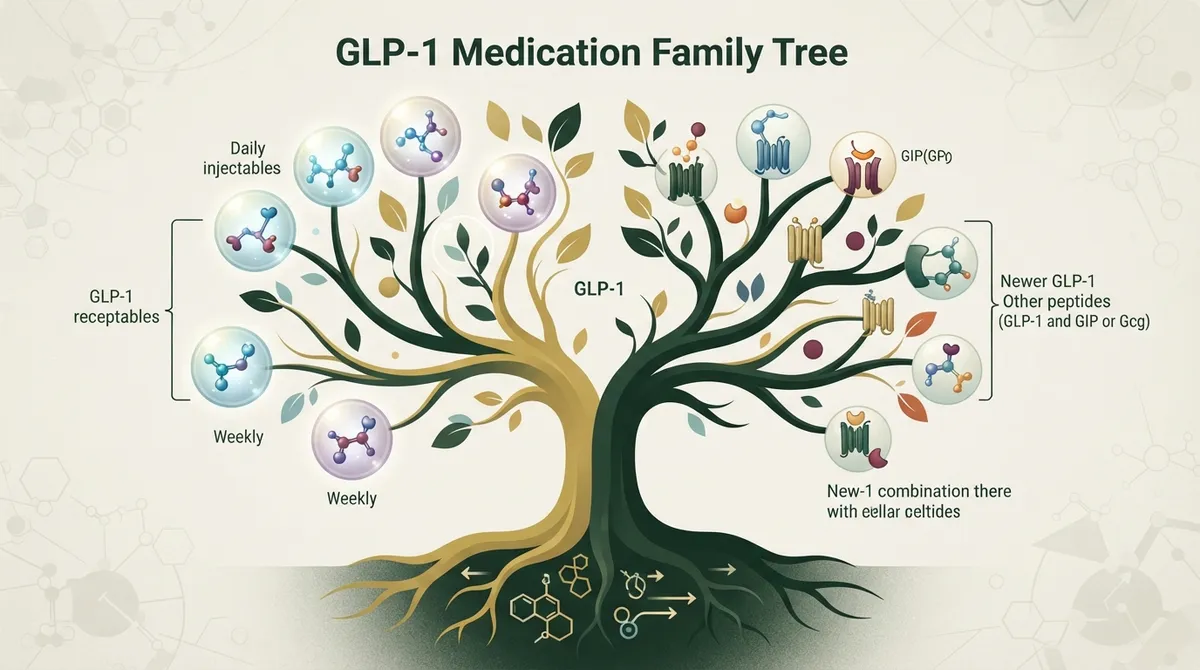
To really understand where Ozempic fits, it helps to see the bigger picture. Several medications fall under the GLP-1 umbrella, each with its own approval history and use case.
| Medication | Active Ingredient | Primary FDA Approval |
|---|---|---|
| Ozempic | Semaglutide | Type 2 diabetes management |
| Wegovy | Semaglutide | Chronic weight management |
| Victoza | Liraglutide | Type 2 diabetes management |
| Trulicity | Dulaglutide | Type 2 diabetes management |
| Zepbound / Mounjaro | Tirzepatide (dual GIP/GLP-1) | Weight management / diabetes |
Notice that tirzepatide isn’t technically a pure GLP-1 medication. It works on two hormone pathways at once, GIP and GLP-1. But most peptide therapy clinics group it with GLP-1 treatments because it works in a similar way.
How These Medications Actually Work
All GLP-1 medications share a similar mechanism, even though their branding differs. Understanding this can help you feel more confident about your treatment plan.
- They slow down how fast your stomach empties, keeping you fuller longer
- They help your pancreas release insulin only when blood sugar is high
- They reduce glucagon, a hormone that raises blood sugar
- They act on brain signals that control hunger and cravings
- They may support healthier eating patterns over time
This is why so many people feel less interested in snacking or overeating once they start treatment. Your body is simply getting better signals about hunger and fullness. If you want to learn more about the peptides behind these effects, our article on what are peptides breaks down the science in simple terms.
Ozempic vs Wegovy: A Common Point of Confusion
Since Ozempic and Wegovy contain the same active ingredient, people often assume they’re interchangeable. They’re not, at least not officially.
- Ozempic starts at 0.25 mg weekly and typically maxes out at 2 mg
- Wegovy’s maintenance dose is generally 2.4 mg weekly, sometimes 1.7 mg if needed
- Ozempic’s label centers on blood sugar control
- Wegovy’s label centers on long-term weight management
- Using Ozempic specifically for weight loss is considered off-label use in the United States
This doesn’t mean off-label use is automatically wrong. Providers make these decisions based on your health history, goals, and lab results. But you deserve to know the difference so you can have an informed conversation with your care team. Our article on which weight loss peptides actually work in 2026 covers this topic in more depth.
What the Research Actually Shows
Numbers can help cut through the marketing noise. Here’s what clinical trials have found for some of these medications.
| Trial | Medication | Average Weight Loss | Duration |
|---|---|---|---|
| STEP 1 | Semaglutide 2.4 mg | ~14.9% of body weight | 68 weeks |
| SURMOUNT-1 | Tirzepatide | 15% to 21% of body weight | 72 weeks |
| SUSTAIN 7 | Semaglutide vs Dulaglutide | Greater HbA1c and weight reduction with semaglutide | 40 weeks |
These numbers come from peer-reviewed research, including studies published in the New England Journal of Medicine and The Lancet Diabetes & Endocrinology. But remember, trial averages are not promises. Your own results depend on your body, your dose, your lifestyle, and your consistency with treatment.
It’s also worth noting a landmark finding from the SELECT trial. Semaglutide at 2.4 mg reduced major cardiovascular events by 20% in adults with heart disease and obesity, even without diabetes. This kind of data shows why GLP-1 therapy is being studied for so much more than just blood sugar or weight.
Common Side Effects You Should Know About
No medication is without risk, and GLP-1 treatments are no exception. Being informed helps you spot problems early and work with your provider on solutions.
- Nausea, especially during the first few weeks
- Vomiting or diarrhea
- Constipation or stomach discomfort
- Reduced appetite (which is often the point, but can go too far)
- Rare but serious risks like pancreatitis or gallbladder issues
Most side effects show up during dose escalation and tend to settle down over time. If you’re dealing with uncomfortable symptoms, our guide on what causes GLP-1 side effects and how to manage them offers practical tips.
Who Should Avoid Ozempic or Other GLP-1 Medications
GLP-1 therapy isn’t right for everyone. Certain health conditions make these medications unsafe.
- People with a personal or family history of medullary thyroid carcinoma
- People with Multiple Endocrine Neoplasia syndrome type 2
- Anyone with type 1 diabetes or diabetic ketoacidosis
- Those with a history of severe gastrointestinal disease
- Pregnant or breastfeeding individuals
This is exactly why medical supervision matters so much. A licensed provider reviews your full health history and blood work before recommending any treatment. This isn’t a guessing game, it’s personalized medicine.
Compounded Peptides vs Brand-Name Medications
Here’s something important that often gets glossed over. Compounded semaglutide and other compounded peptide products are not the same as FDA-approved Ozempic or Wegovy. They may use different salt forms or formulations.
That doesn’t automatically make compounded options unsafe. But it does mean you need a provider who understands sourcing, dosing, and legal compliance in your state. Learn more in our article comparing FDA-approved vs compounded peptides.
Why Personalized Peptide Therapy Matters
Everyone’s body responds differently to GLP-1 treatment. Your ideal starting dose, titration schedule, and even which specific peptide works best depends on your unique biology.
This is where working with a dedicated peptide therapy provider makes a real difference. At Allura Longevity, treatment plans start with a $50 virtual consultation and lab work through LabCorp. From there, our licensed providers, led by board-certified Family Nurse Practitioner Ashley, build a customized six-month plan just for you.
We ship your peptides directly to your door, so you can manage your health from home. That’s a huge win for busy professionals and anyone who prefers privacy and convenience over sitting in a waiting room.
Steps to Getting Started With GLP-1 Peptide Therapy
Curious what the process actually looks like? Here’s a simple breakdown.
- Schedule a virtual consultation with a licensed provider
- Complete blood work to check kidney function, blood sugar, and other key markers
- Review your results and health goals together
- Receive a personalized treatment plan tailored to your body
- Get your peptides delivered directly to your home
- Check in regularly for monitoring and dose adjustments
This process removes so much of the guesswork. Instead of wondering if you’re on the “right” medication, you get answers based on your actual lab results. If you want a deeper walkthrough, see how to start peptide therapy safely and see real results.
Semaglutide vs Tirzepatide: Which One Wins?
This question comes up a lot, especially among biohackers who love comparing data. Based on trial results, tirzepatide has shown slightly higher average weight loss than semaglutide in head-to-head style comparisons.
But “better on paper” doesn’t always mean “better for you.” Some people tolerate one medication better than the other. Some have insurance coverage that favors one option. Your provider will weigh all of this when building your plan. For more on this comparison, check out our piece on GLP-1 vs dual-agonist peptides for metabolic health.
What Happens When You Stop Treatment
This is a question we hear constantly, and it deserves an honest answer. When people stop GLP-1 medications, appetite often returns to previous levels. Weight regain is common without continued lifestyle support.
This is why longevity-focused clinics emphasize sustainable habits alongside medication. Peptide therapy works best as part of a bigger picture that includes nutrition, movement, sleep, and stress management. According to research published by the National Library of Medicine, sustained lifestyle changes significantly improve long-term outcomes for metabolic health.
Why Choose Telehealth for GLP-1 Peptide Therapy
Gone are the days of taking time off work for a doctor’s appointment just to ask about weight loss options. Telehealth has changed the game, especially for busy professionals and people in rural areas.
- No waiting rooms or long commutes
- Appointments that fit your schedule
- Direct home delivery of your medications
- Ongoing support from licensed providers
- Privacy and discretion throughout your journey
Allura Longevity is proud to serve clients across Florida, Georgia, Texas, Connecticut, Indiana, Maryland, New York, and California. With limited spots available each month, we recommend reaching out early if you’re interested in getting started. You can request a consultation to see if GLP-1 peptide therapy is right for you.
Final Thoughts on GLP-1 vs Ozempic
So, GLP-1 vs Ozempic isn’t really an either-or question. GLP-1 is the category, and Ozempic is one branded option within it. Understanding this distinction helps you ask better questions and make more informed choices about your health.
Whether you’re focused on blood sugar control, weight management, or overall metabolic wellness, the right GLP-1 approach depends on your unique body and goals. That’s exactly why personalized care matters so much in this space.
Ready to find out which GLP-1 option fits your life? Our team at Allura Longevity is here to guide you every step of the way, from your first lab draw to your ongoing check-ins. Request your consultation today and take the next step toward feeling like the best version of yourself. You can also give us a call at (813) 510-6277 to speak with our team directly.
FAQs
Q: What is the difference between GLP-1 and Ozempic?
A: Great question, and one we hear all the time! GLP-1 refers to a natural hormone and a whole class of medications, while Ozempic is just one specific brand within that class. Think of GLP-1 as the category and Ozempic as one product on the shelf.
Q: Is Ozempic approved for weight loss?
A: Not exactly. Ozempic is FDA-approved for type 2 diabetes management, not as a standalone weight-loss medication. Wegovy, which contains the same active ingredient at a different dose, is the version specifically approved for chronic weight management.
Q: Are compounded peptide injections safe and legal?
A: Compounded peptides can be safe when prescribed and prepared through legitimate, licensed channels. The key is working with a provider who follows proper sourcing and legal guidelines in your state, which is exactly what we prioritize at Allura Longevity.
Q: Which is better for weight loss, semaglutide or tirzepatide?
A: Clinical trials suggest tirzepatide may produce slightly greater average weight loss than semaglutide. That said, the best choice for you depends on your health history, tolerance, and goals, which your provider will help determine.
Q: What happens when someone stops taking a GLP-1 medication?
A: Many people notice their appetite returning and some weight regain after stopping treatment. That’s why we always encourage pairing peptide therapy with sustainable lifestyle habits for the best long-term results.





