

Key Takeaways
-
GLP-1 therapy works by mimicking a natural gut hormone to boost insulin only when blood sugar is high and reduce glucagon, resulting in 1.5-2.0% HbA1c reductions in people with diabetes.
-
GLP-1 slows stomach digestion, creating prolonged fullness that naturally reduces calorie intake and cravings without extreme willpower or deprivation.
-
GLP-1 preferentially reduces dangerous visceral fat while preserving muscle mass when paired with resistance training and adequate protein intake.
-
GLP-1 therapy shows emerging benefits beyond weight loss, including improved cholesterol, blood pressure, and liver health, with odds ratio of 4.51 for MASH improvement.
-
Long-term use with ongoing medical monitoring is essential; weight regain is common after stopping without sustained lifestyle changes and professional support.
-
Common side effects like nausea and digestive issues typically fade with gradual dose increases, but serious risks including pancreatitis and kidney problems require careful provider oversight.
If you’ve been hearing whispers about GLP-1 for metabolism at every dinner party and gym locker room, you’re not imagining things. This peptide-based therapy has become one of the most talked-about tools for improving how your body handles weight, blood sugar, and energy. But here’s the thing: there’s a lot of noise out there, and not all of it is accurate. We want to cut through the confusion and give you a warm, honest look at how these medications actually work, what they can realistically do for your metabolism, and how to use them safely.
Whether you’re a busy professional trying to feel your best between meetings, a biohacker who loves data, or simply someone who wants to age well, this guide is for you. We’ll walk through five key ways GLP-1 therapy supports metabolic health, backed by real research, so you can make an informed, confident decision about your own wellness journey.
What Is GLP-1 and Why Does It Matter for Metabolism?
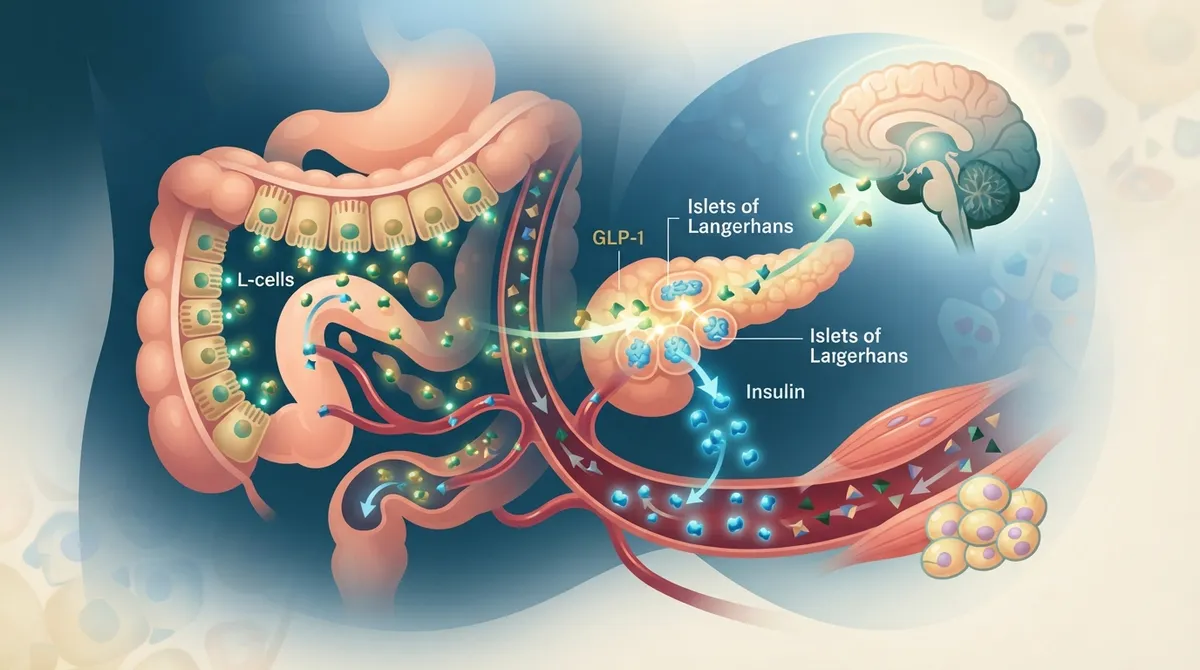
GLP-1 stands for glucagon-like peptide-1, a natural hormone your gut releases after you eat. It plays a starring role in telling your body how to handle glucose, hunger, and digestion. GLP-1 receptor agonists are peptide medicines that mimic this hormone, giving your metabolism a helpful nudge. If you want a deeper primer, our article on what are peptides is a great starting point.
These therapies don’t work by magic. They work by copying a hormone your body already makes, just in a more consistent and controlled way. That’s part of why they’ve become such a trusted option in modern GLP-1 peptide therapy programs across the country.
The Hormone Behind the Hype
Your body’s natural GLP-1 doesn’t stick around for long. It gets broken down within minutes. GLP-1 medications are built to resist that breakdown, so they can keep working in your system for days or even a full week, depending on the formula. This steady presence is what makes them so effective for long-term metabolic support, rather than just a quick fix.

1. GLP-1 Boosts Insulin When You Actually Need It
One of the coolest things about GLP-1 therapy is how smart it is. Instead of flooding your body with insulin all the time, it only ramps up insulin release when your blood sugar is high. This is called glucose-dependent insulin secretion, and it’s a big reason why these therapies tend to have a lower risk of dangerously low blood sugar compared to older diabetes treatments.
At the same time, GLP-1 therapy quiets down glucagon, a hormone that normally tells your liver to release more sugar into your blood. Less glucagon means steadier blood sugar levels throughout your day. According to the National Library of Medicine, this dual action on insulin and glucagon is central to how GLP-1 receptor agonists improve metabolic health.
Real Numbers Worth Knowing
A 2025 review found that GLP-1-based therapies can lower HbA1c, a marker of average blood sugar, by about 1.5 to 2.0 percent in people with diabetes. That’s a meaningful shift for long-term health, though results vary depending on the person and the specific medication used.
2. It Slows Digestion, Which Curbs Hunger and Calorie Intake
Ever notice how a big meal makes you feel satisfied for hours? GLP-1 therapy taps into that same feeling by slowing down how fast food leaves your stomach. This is called delayed gastric emptying, and it’s one of the main reasons people on this therapy naturally eat less without feeling deprived.
This slower digestion also sends stronger satiety signals to your brain. You feel full sooner and stay full longer. That’s a huge win if you’ve ever struggled with constant hunger while trying to manage your weight.
- Reduced appetite between meals
- Lower overall calorie intake without extreme willpower
- Improved portion control that feels natural, not forced
- Fewer cravings for high-sugar or high-fat foods
If appetite control has been your biggest hurdle, our guide on how a GLP-1 appetite suppressant actually works breaks this down even further.
3. GLP-1 Therapy Targets Fat, Not Just the Scale
Here’s something a lot of people don’t realize: GLP-1 for metabolism isn’t just about a lower number on the scale. Research shows these therapies preferentially reduce fat mass, especially visceral fat, the dangerous kind that wraps around your organs. A 2025 review of body-composition studies confirmed that GLP-1 receptor agonists shrink fat tissue while causing only a modest, proportional dip in lean muscle mass.
That said, muscle preservation still requires effort on your part. Resistance training and adequate protein intake are essential parts of any smart peptide-therapy plan. Our team at Allura Longevity often pairs GLP-1 protocols with muscle-focused strategies, similar to what we outline in 14 Peptides for Muscle Gain Worth Knowing.
Comparing the Main GLP-1 Based Therapies
| Medication | Receptor Target | FDA-Approved Dose for Weight Management | Typical Weight Loss Range |
|---|---|---|---|
| Liraglutide | GLP-1 only | 3 mg once daily | ~5-10% |
| Semaglutide | GLP-1 only | 2.4 mg once weekly | ~10-15% |
| Tirzepatide | Dual GIP/GLP-1 | 5-15 mg once weekly | ~15-24% |
Keep in mind that a 2025 review reported weight loss across obesity-treatment studies ranging from about 7% to 24%, depending on the drug, dose, and how long someone stays on treatment. Individual results always vary, and these numbers are not guarantees.
4. It Supports Heart, Liver, and Cholesterol Health Too
Metabolism isn’t just about weight and blood sugar. It’s connected to your heart and liver too. A 2025 cardiovascular review found that GLP-1-based therapies are linked to modest improvements in LDL cholesterol, total cholesterol, fasting triglycerides, and blood pressure.
There’s also exciting emerging research on liver health. A 2025 systematic review of six studies involving 1,726 participants with confirmed MASH (a serious fatty liver condition) found that GLP-1 receptor agonists and dual agonists significantly increased the odds of liver improvement, with an odds ratio of 4.51 compared to placebo. Some participants even saw MASH resolution alongside fibrosis improvement, with an odds ratio of 7.42. These findings are promising, but they’re not the same as an FDA approval specifically for liver disease, so it’s important to talk with a licensed provider about your full health picture.
5. Long-Term Use Matters More Than a Quick Course
This might be the most important point in this whole article: GLP-1 therapy is not a short sprint. It’s a long-term metabolic tool. Studies consistently show that when people stop treatment, weight regain is common, especially without continued lifestyle support and medical guidance.
Think of it less like a diet and more like an ongoing partnership with your body. That’s why programs built around consistent monitoring, like the ones described in how to lose weight with peptide therapy, tend to produce more lasting results than quick-fix approaches.
Steps to a Sustainable GLP-1 Plan
- Start with a full lab workup to understand your baseline metabolic health.
- Choose the right medication and dose based on your goals and history.
- Pair treatment with strength training and adequate protein.
- Schedule regular check-ins to monitor progress and side effects.
- Build a maintenance plan before you ever consider stopping.
Safety, Side Effects, and What to Watch For
No conversation about GLP-1 for metabolism is complete without talking about safety. The most common side effects include nausea, vomiting, diarrhea, constipation, and stomach discomfort. Most of these fade as your body adjusts, especially with gradual dose increases.
There are also more serious warnings to know about. These include risks of pancreatitis, gallbladder issues, dehydration-related kidney problems, and low blood sugar when combined with certain diabetes medications. People with a personal or family history of medullary thyroid carcinoma or MEN2 syndrome should avoid certain GLP-1 products entirely. This is exactly why working with a licensed provider matters so much, rather than trying to self-manage treatment. For a deeper look at managing symptoms, check out what causes GLP-1 side effects and how to manage them.
Why Sourcing Matters
Not every GLP-1 product on the market is created equal. Compounded or non-FDA-approved peptide products should never be treated as identical to approved medications. A trustworthy peptide-therapy practice verifies sourcing, checks your medical history, reviews other medications you’re taking, and monitors your progress closely. If you’re comparing options, our piece on FDA-approved vs. compounded peptides is worth a read before you commit to any provider.
How Allura Longevity Makes GLP-1 Therapy Simple and Safe
At Allura Longevity, we believe metabolic health should feel supported, not overwhelming. Our process starts with a $50 virtual consultation, followed by comprehensive blood work through LabCorp. From there, our licensed providers, led by board-certified Family Nurse Practitioner Ashley, build a personalized six-month treatment plan tailored to your labs and goals.
Everything ships straight to your door, so you can manage your therapy from home, on your own schedule. We serve clients nationwide and are licensed in Florida, Georgia, Texas, Connecticut, Indiana, Maryland, New York, and California. Ongoing monitoring and dose adjustments are built into every plan, because we know real results take real partnership. Learn more about getting started safely in our guide on how to get prescription peptides safely.
Who Tends to Benefit Most
People often ask if GLP-1 therapy is only for those with diabetes. Not true. FDA-approved chronic weight-management dosing is available for adults with a BMI of 30 or higher, or 27 or higher with a weight-related health condition. This makes it a fitting option for many wellness seekers, aging adults, and busy professionals looking to optimize their metabolism, not just manage a diagnosis.
- Adults struggling with stubborn visceral fat despite diet and exercise
- Those with prediabetes or insulin resistance looking for extra support
- Busy professionals who want a structured, telehealth-friendly plan
- Aging adults focused on long-term cardiometabolic health
If you’re not sure where you fall, understanding general what are peptides basics can help you feel more confident going into your consultation.
Bringing It All Together
GLP-1 for metabolism isn’t a trend, it’s a genuine shift in how we approach weight, blood sugar, and long-term wellness. From smarter insulin release to fat-targeted weight loss and even liver health benefits, the science keeps growing more compelling every year. But like any powerful tool, it works best with the right guidance, realistic expectations, and a commitment to the long haul.
If you’re ready to explore whether GLP-1 therapy fits your goals, we’d love to walk alongside you. Spots for new clients are limited each month, so don’t wait to get started. Request a consultation today and let our team build a plan that’s truly yours. You can also reach us directly at (813) 510-6277 to ask any questions before you begin.
FAQs
Q: How do GLP-1 peptides improve metabolism?
A: GLP-1 peptides mimic a natural gut hormone that boosts insulin release when blood sugar is high, quiets down glucagon, and slows digestion. Together, these actions help steady blood sugar and reduce appetite, giving your metabolism a real, supported boost.
Q: What is the difference between semaglutide, liraglutide, and tirzepatide?
A: Semaglutide and liraglutide activate only the GLP-1 receptor, while tirzepatide activates both GLP-1 and GIP receptors, making it a dual agonist. All three are FDA-approved for weight management, but dosing schedules and typical results can differ, so it’s worth chatting with a provider about which fits your goals.
Q: Can GLP-1 therapy help with insulin resistance even without diabetes?
A: Yes, many people without diabetes still see improvements in insulin sensitivity and blood sugar control while on GLP-1 therapy. That said, individual results vary, and it’s best used as part of a personalized plan overseen by a licensed provider.
Q: What happens to my metabolism after I stop GLP-1 therapy?
A: Weight regain is common after stopping, especially if healthy habits and medical support aren’t continued. That’s why we like to think of GLP-1 therapy as a long-term partnership rather than a quick fix, with a maintenance plan built in from the start.
Q: Are compounded GLP-1 peptides safe to use?
A: Compounded products aren’t automatically equivalent to FDA-approved medications, so sourcing really matters here. A trustworthy provider will verify where your peptides come from and monitor your health closely throughout treatment, giving you extra peace of mind.





