

Key Takeaways
-
Most peptide recovery claims rely on animal and lab studies rather than human research—only a handful of small pilot studies exist for popular peptides like BPC-157 and TB-500, making their real-world effectiveness still unproven.
-
Athletes must check the World Anti-Doping Agency's 2026 Prohibited List before using any peptide, as BPC-157, TB-500, CJC-1295, sermorelin, and other recovery peptides are banned in regulated sports competition.
-
Peptides work best as a support tool alongside proven recovery habits like 7-9 hours of sleep, adequate protein intake, progressive training, and proper medical evaluation—they cannot replace these fundamentals.
-
Product quality and legal status are critical concerns; BPC-157 and TB-500 are not FDA-approved for recovery, so unregulated sources may have unclear identity, sterility, or dosing accuracy, making medical oversight essential.
Sore muscles. Nagging tendon pain. That knee that never feels quite right after your morning run. If you’ve been curious about what peptides do for muscle recovery, you’re definitely not alone. Peptide therapy has become one of the hottest topics in wellness circles, and for good reason. But before you jump on the bandwagon, let’s have an honest, friendly chat about what these tiny molecules can actually do, and what’s still just a hopeful theory.
We know you care about feeling your best. Maybe you’re a weekend warrior chasing a personal record, or a busy professional trying to bounce back faster from your gym sessions. Whatever brought you here, we want to give you the real story. Peptides are short chains of amino acids that can influence what are peptides and how your body handles inflammation, tissue repair, and even growth hormone activity. That sounds promising for recovery, but the science is still catching up to the hype.
Let’s break down eight important truths about peptides and muscle recovery, so you can make smart, informed choices with your health.
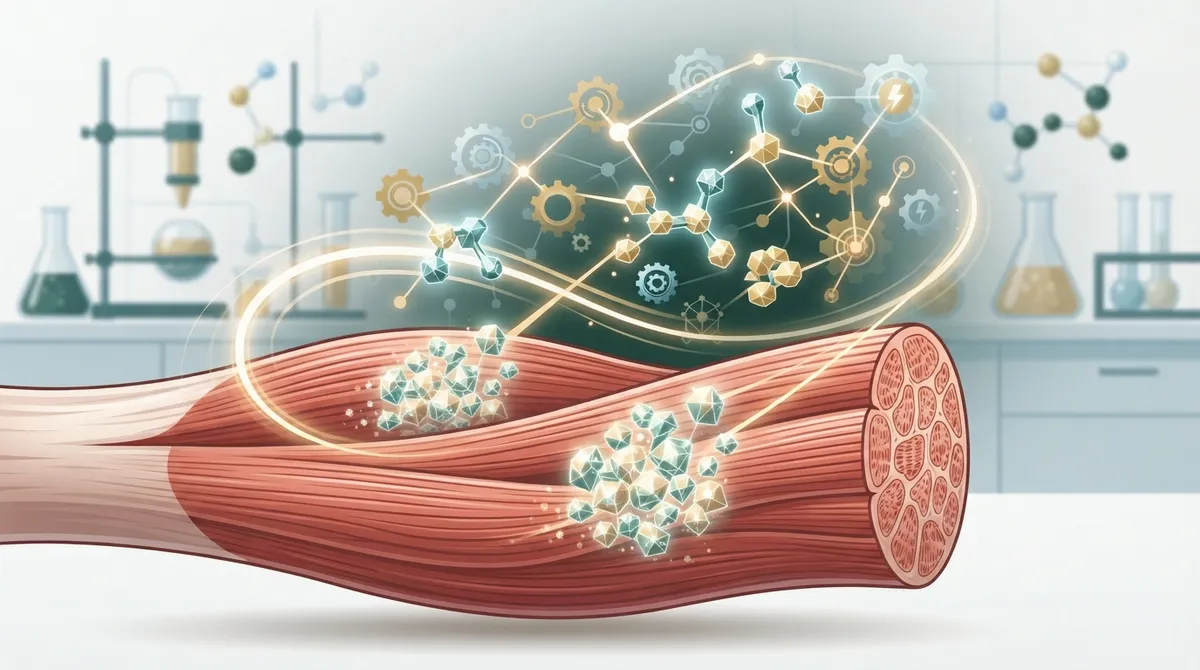
1. Peptides May Influence the Building Blocks of Recovery
At their core, peptides are messengers. They tell cells what to do, whether that’s reducing swelling, forming new blood vessels, or nudging collagen production. In theory, these actions could support muscle, tendon, and ligament healing.
This is why so many peptide-therapy programs highlight recovery as a potential benefit. Learning 8 Facts That Explain What Are Peptides in 2026 is a great first step if you want the full picture before starting any protocol.
How Peptides Might Support Tissue Repair
- Reducing inflammation around an injured area
- Encouraging new blood vessel growth (angiogenesis)
- Signaling collagen production for connective tissue
- Potentially influencing growth hormone and IGF-1 pathways
- Supporting the body’s natural repair signals after strain
2. BPC-157 Is Popular, But Still Experimental
If you’ve spent any time researching recovery peptides, you’ve probably heard of BPC-157. It’s frequently marketed for injury and muscle recovery, and it’s easy to see why people get excited. Most of the encouraging results, though, come from lab and animal studies looking at tendons, ligaments, muscle tissue, and the gut.
A 2025 narrative review found only three published human pilot studies involving BPC-157. These covered knee pain, interstitial cystitis, and basic safety testing. The review’s conclusion was clear: large, rigorous human trials are still missing (source: National Library of Medicine).
If you want a deeper dive, check out 9 BPC-157 Peptide Facts to Know Before You Start before making any decisions.
3. TB-500 Claims Outpace the Evidence
TB-500 is a synthetic fragment related to thymosin-beta-4. Like BPC-157, it’s often promoted for tissue repair and mobility. The problem is that independent, high-quality human research on TB-500 and BPC-157/TB-500 combinations is still very limited.
That doesn’t mean the compound is useless. It means we simply don’t have strong proof yet that it reliably speeds up muscle healing in people. If you’re curious about the details, 13 Facts About TB-500 Peptide You Need in 2026 lays out what’s currently known.
4. Growth Hormone Peptides Work Differently
Peptides like CJC-1295, sermorelin, and ipamorelin belong to a different category. These are growth-hormone secretagogues, meaning they may increase growth hormone or IGF-1 signaling in the body.
More growth hormone activity could theoretically support protein synthesis and tissue recovery. But higher signaling doesn’t automatically mean faster healing. It can also come with fluid retention, joint discomfort, or blood sugar changes that need medical supervision.
Common Growth-Hormone-Related Peptides
- CJC-1295 – often paired with other peptides for hormone support
- Sermorelin – studied for its role in natural growth hormone release
- Ipamorelin – known for a more targeted hormone response
- Tesamorelin – researched mainly for metabolic effects
- Ibutamoren – an oral secretagogue with ongoing safety questions
For anyone thinking about this pathway, How to Use CJC-1295 Peptide Safely for Real Results offers helpful context, and Ipamorelin Peptide Therapy: Benefits, Dosing & Safety covers dosing considerations in plain language.
5. Human Research Is Still Catching Up
Here’s the honest truth: most of what excites people about recovery peptides comes from animal studies, not human trials. A 2025 systematic-review summary noted just one retrospective human study on BPC-157 involving 12 patients with chronic knee pain, and it lacked a control group. That makes it hard to draw firm conclusions.
Even a small pilot study using intravenous BPC-157 in only two healthy adults didn’t find major changes in vital signs or lab markers over a short period. That’s useful safety information, but it’s not proof the peptide speeds up recovery (source: National Library of Medicine).
| Peptide | Marketed For | Human Evidence Level |
|---|---|---|
| BPC-157 | Muscle, tendon, ligament recovery | Very limited, small pilot studies |
| TB-500 | Tissue repair, mobility | Insufficient independent research |
| CJC-1295 / Sermorelin | Growth hormone support | Some human data, mostly on hormone levels |
| Ipamorelin | Targeted GH release | Limited long-term recovery data |
6. Product Quality and Legal Status Matter
BPC-157 and TB-500 are not broadly approved medicines for muscle recovery. That means products bought through unregulated channels may have unclear identity, sterility, or dosage accuracy. That’s a real risk to your health.
This is one reason working with a licensed provider matters so much. Programs like those built around How to Start Peptide Therapy Safely and See Real Results emphasize proper sourcing, testing, and medical oversight instead of guesswork.
Questions to Ask Before Trying Any Recovery Peptide
- Is this peptide prescribed and monitored by a licensed provider?
- Where does the product come from, and is it lab-tested?
- Has my provider reviewed my blood work and health history?
- Am I aware of possible side effects or interactions?
- Is this compound legal for my situation, including sports competition?
7. Athletes Need to Check Anti-Doping Rules First
If you compete in any regulated sport, this part is critical. The World Anti-Doping Agency’s 2026 Prohibited List includes BPC-157 as a non-approved substance. It also lists thymosin-beta-4 derivatives, including TB-500, under prohibited growth-factor substances.
Multiple growth-hormone-releasing peptides are banned too, including CJC-1295, sermorelin, tesamorelin, ipamorelin, ibutamoren, and several GHRPs. If you’re an athlete, this list should be your first stop before considering any peptide protocol. For a broader look at what’s allowed and what’s not, 11 Best Peptides for Athletes Worth Knowing in 2026 is worth a read.
8. Peptides Should Support, Not Replace, Real Recovery Habits
Here’s the thing we want you to remember most: peptides are not magic. They can’t replace proper diagnosis, progressive rehab, resistance training, good sleep, or eating enough protein. Think of them as a potential support tool, guided by a qualified clinician, not a shortcut.
Recovery is a whole-body process. If you’re serious about optimizing it, pairing thoughtful lifestyle habits with medically supervised peptide therapy tends to work best. This is exactly the approach we take at Allura Longevity, where every plan starts with real lab work and honest conversations, not hype.
Simple Recovery Habits That Actually Have Strong Evidence
- Prioritize seven to nine hours of quality sleep each night
- Eat enough protein to support muscle repair
- Follow a gradual, progressive training plan
- Stay hydrated and manage stress levels
- Get proper medical evaluation for persistent pain or injury
What This Means for Your Recovery Journey
So, what do peptides do for muscle recovery, really? They may influence inflammation, tissue signaling, and hormone pathways in ways that sound promising. But solid human proof is still limited, and quality control matters enormously. That’s not a reason to give up on the idea. It’s a reason to be smart about how you approach it.
If you’re a health optimizer, biohacker, or simply someone who wants a personalized, medically guided plan, working with licensed providers changes everything. Instead of guessing doses or buying from questionable sources, you get blood work, honest guidance, and ongoing monitoring. That’s a completely different experience than DIY peptide shopping.
Curious how a customized plan might fit your goals? You can explore options for peptides for women or peptides for men to see how personalized care works in practice. And if muscle building alongside recovery is on your radar, 14 Peptides for Muscle Gain Worth Knowing (2026) offers more detail on that connection.
Final Thoughts: Recovery Deserves a Thoughtful Approach
We get it. When you’re sore, stiff, or nursing an old injury, you want answers now. But rushing into unregulated peptides isn’t the answer. The smarter path is working with people who actually know your health history and can guide you safely.
At Allura Longevity, care starts with a simple $50 virtual consultation and real LabCorp blood work, not guesswork. Licensed providers, led by board-certified Family Nurse Practitioner Ashley, build a six-month plan around your actual biology, then ship everything straight to your door. It’s personalized, convenient, and grounded in medical oversight rather than internet hype.
Spots for new clients are limited each month, so if you’re ready to explore what a truly personalized recovery plan could look like, request a consultation today. Your body works hard for you. It deserves a recovery plan built just as thoughtfully.
FAQs
Q: What do peptides do for muscle recovery?
A: Peptides may influence inflammation, blood vessel growth, collagen activity, and hormone signaling, all of which are involved in tissue repair. That said, most supportive evidence comes from lab and animal studies, so human results are still uncertain. Think of peptides as a potential support tool, not a guaranteed fix.
Q: Can BPC-157 help heal muscle, tendon, or ligament injuries?
A: BPC-157 shows encouraging results in animal and lab studies involving tendons, ligaments, and muscle tissue. However, human research is very limited, with only a handful of small pilot studies published so far. We recommend treating any recovery claims as promising but unproven until larger trials exist.
Q: Does TB-500 actually improve muscle recovery?
A: TB-500 is often marketed for tissue repair, but independent human clinical evidence is still insufficient. It’s related to thymosin-beta-4 and has interesting theoretical mechanisms, yet we simply don’t have strong proof it reliably speeds up muscle healing in people.
Q: Are BPC-157 and TB-500 FDA-approved for injury recovery?
A: No, neither peptide is broadly approved as a medicine for muscle or injury recovery. That means quality, sterility, and dosing can vary a lot depending on where you buy them, which is why working with a licensed provider matters so much.
Q: Are BPC-157, TB-500, CJC-1295, or ipamorelin banned in competitive sports?
A: Yes, all of these are included in the World Anti-Doping Agency’s 2026 Prohibited List. If you compete in a regulated sport, it’s essential to check current anti-doping rules before considering any peptide, since violations can affect your eligibility.





