

Key Takeaways
-
Oral collagen peptides (2.5-5g daily) show the strongest research evidence for improving hydration, elasticity, and wrinkles, requiring 8-12 weeks of consistent use to see measurable results in skin firmness.
-
Peptides work as supporting actors to improve skin quality and texture, but cannot substitute for procedures like radiofrequency, ultrasound tightening, or surgery for moderate to severe sagging tissue.
-
Sagging skin results from multiple factors: collagen/elastin loss, reduced hyaluronic acid, sun damage, smoking, weight changes, and hormonal shifts—requiring a comprehensive treatment approach rather than a single solution.
-
Oral collagen peptides have stronger scientific backing than topical peptides because large topical molecules cannot penetrate deeply enough to replace lost dermal collagen effectively.
-
For best results, combine oral collagen peptides with UV protection, steady weight management, bloodwork assessment of hormonal/nutritional status, and professional monitoring to adjust treatment plans over time.
-
Mild sagging can improve with quality peptide supplements and skincare habits, but moderate-to-severe laxity typically requires professional procedures to achieve visible tightening and lifting effects.
If you’ve noticed your skin isn’t as bouncy as it used to be, you’re definitely not alone. Sagging skin sneaks up on almost everyone as the years go by, and it can feel frustrating when your reflection doesn’t match how young you feel inside. The good news? You have more options today than ever before, and understanding them can help you make a smart, confident choice.
This guide breaks down where peptide therapy fits into the picture, what the science actually shows, and how it compares to other popular treatments. We’ll keep things simple and honest, because you deserve real answers, not hype. Whether you’re a busy professional squeezing self-care into a packed schedule or a wellness enthusiast who loves digging into the details, this article is for you.
Why Does Skin Start to Sag in the First Place?
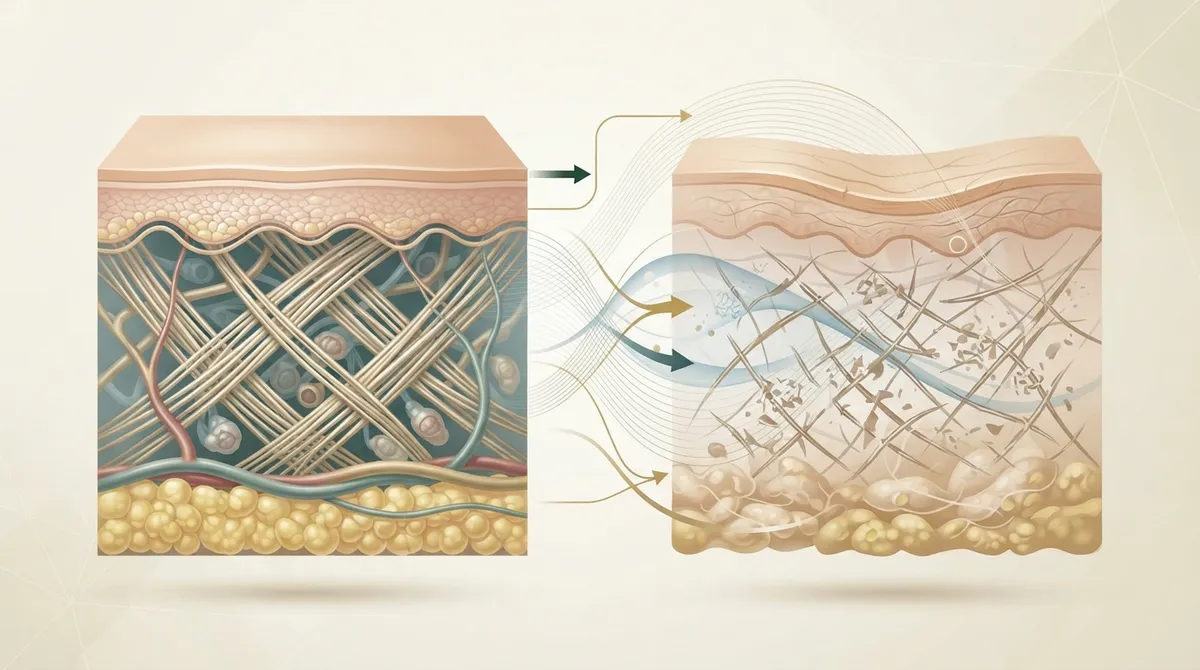
Sagging skin happens because of changes deep inside your skin’s structure. It’s not just one thing going wrong. It’s a combination of factors working together over time.
- Loss and disorganization of collagen and elastin, the proteins that keep skin firm and springy
- Reduced hyaluronic acid, which normally helps skin hold moisture and plumpness
- Years of sun exposure that breaks down skin fibers
- Smoking, which speeds up collagen breakdown
- Weight changes, especially significant weight loss
- Hormonal shifts, particularly during perimenopause and menopause
Peptides may support overall skin quality, but they cannot fully reverse major tissue laxity on their own. Setting realistic expectations from the start helps you avoid disappointment later.

Can Peptide Therapy Actually Tighten Sagging Skin?
This is probably the question on your mind, so let’s address it directly. Peptide therapy can genuinely improve hydration, texture, and skin barrier function. It may also offer modest improvements in measured elasticity. However, it is not a substitute for treatments that physically lift or tighten loose tissue.
Think of peptides as supporting actors rather than the leading role. They work behind the scenes to encourage your skin to function better, which can translate into a firmer, healthier appearance over time. If you’re curious about the building blocks behind these treatments, our article on what peptides actually are is a great place to start.
What the Research Really Says
Oral hydrolyzed collagen peptides have the strongest human evidence among peptide-based approaches. A 2024 systematic review found generally positive results for hydration, elasticity, and wrinkle appearance, though study quality varied depending on the peptide source and dosage used.
A meta-analysis covering 19 randomized, placebo-controlled trials with 1,125 participants found that about 90 days of hydrolyzed collagen use was linked to improvements in wrinkles, elasticity, and hydration. A separate 2025 systematic review of both oral and topical peptides described them as promising, but noted that studies remain inconsistent and larger trials are still needed, according to National Library of Medicine research summaries.
How Long Does It Take to See Results?
Patience matters here. Most credible studies measure results after 8 to 12 weeks of consistent use, not overnight. Some trials extended to 12 weeks and beyond to capture changes in dermal density and water loss.
- Weeks 1 to 4: Hydration and skin texture may start to improve
- Weeks 4 to 8: Some people notice smoother, plumper-looking skin
- Weeks 8 to 12: Elasticity and firmness improvements become more measurable
- Beyond 12 weeks: Continued use tends to maintain and build on early gains
If you’re looking for a realistic breakdown of timing across different peptide protocols, this resource on how long peptides take to work is worth a read.
Oral Collagen Peptides vs Topical Peptides
People often ask whether they should swallow a supplement or rub something on their skin. Here’s a simple comparison to help you decide.
| Factor | Oral Collagen Peptides | Topical Peptides |
|---|---|---|
| Evidence Strength | Stronger, more human trials | Less robust, more limited data |
| Typical Dose | 2.5 to 5 grams daily | Varies by product concentration |
| Main Benefits | Hydration, elasticity, wrinkle reduction | Barrier support, minor collagen signaling |
| Time to See Results | 8 to 12 weeks or longer | Variable, often less studied |
| Absorption Concern | Digested and absorbed systemically | Large molecules may not penetrate deeply |
Conventional topical collagen is generally too large to reach deep enough into the skin to replace lost dermal collagen. That’s why oral options currently have more scientific backing for meaningful change.
How Does Peptide Therapy Compare to Other Skin Tightening Treatments?
Sagging skin has many treatment paths, and peptides are just one tool in a larger toolbox. Here’s how they stack up against other popular options.
| Treatment | Best For | Downtime | Typical Results |
|---|---|---|---|
| Oral Collagen Peptides | Mild laxity, hydration, prevention | None | Subtle, gradual improvement |
| Radiofrequency | Mild to moderate laxity | Minimal | Noticeable tightening over weeks |
| Ultrasound Skin Tightening | Moderate laxity, face and neck | Minimal | Visible lifting over months |
| Microneedling | Texture, mild laxity | A few days | Improved firmness and tone |
| Laser Resurfacing | Moderate laxity, wrinkles | Several days to weeks | Significant texture and tightness gains |
| Surgery | Advanced laxity | Weeks | Most dramatic, longest lasting lift |
For mild concerns, peptides paired with good skincare habits may be enough. For moderate to severe sagging, procedures or surgery generally provide more visible tightening than supplements alone.
What Dosage of Collagen Peptides Works Best?
Dosage matters more than most people realize. Recent evidence reviews commonly cite doses ranging from 2.5 to 10 grams daily, but 2.5 to 5 grams per day appears most consistently supported for skin outcomes.
- Higher doses have not consistently shown greater benefits than moderate doses
- Consistency matters more than mega-dosing
- Formulation quality and peptide molecular weight can affect results
- Combining collagen with hyaluronic acid or micronutrients may enhance outcomes, though this makes it harder to credit collagen alone
A 2024 clinical study in Dermatology and Therapy found significant improvements in wrinkles and elasticity after three months using a multi-ingredient product. Because it combined several active ingredients, we can’t say collagen peptides alone caused every benefit.
Are Peptide Injections Safe for Sagging Skin?
This is an important safety question, and it deserves a clear answer. Injectable or systemic peptide products marketed for rejuvenation are not the same as oral collagen supplements or topical cosmetic peptides. Their safety, sterility, dosing, and regulatory status require individualized medical review.
Marketing claims should never suggest that a compounded or research-use peptide is FDA-approved for skin tightening unless that specific approval genuinely exists. Learn more about the science behind these compounds from what are peptides before considering any injectable option.
Steps to Choose a Safe, Reputable Provider
- Confirm the provider is licensed and works with board-certified medical professionals
- Ask whether treatment plans are based on bloodwork and individual health history
- Check that products come from reputable, tested sources
- Ask about monitoring and follow-up care throughout treatment
- Avoid providers who promise dramatic surgical-level results from supplements alone
This is exactly why working with a trusted licensed peptide therapy provider matters so much. Personalized guidance helps you avoid wasted money and unnecessary risk.
What About Sagging Skin After Weight Loss?
Rapid or significant weight loss often leaves behind loose, sagging skin, especially around the abdomen, arms, and face. Peptides may help support skin quality during this transition, but they generally cannot resolve major post-weight-loss laxity on their own.
People going through this journey often benefit from a broader plan that addresses metabolism, muscle tone, and skin support together. If weight loss is part of your story, this guide on losing weight with peptide therapy covers how these pieces fit together.
Who Should See a Dermatologist Instead?
Peptide therapy and skincare routines work well for many people, but some situations call for a specialist’s eye. Consider a dermatologist consultation if you notice any of these signs.
- Sudden or rapid changes in skin appearance
- Marked sagging that affects daily confidence significantly
- Suspected connective tissue disorders
- Significant laxity following major weight loss
- Expectations of a dramatic, surgical-level lift
There’s no shame in seeking extra expertise. A qualified professional can help you understand which combination of treatments fits your specific skin and goals.
What Side Effects Should You Watch For?
Most oral collagen peptide side effects are mild and manageable. Still, it helps to know what to expect before you start.
- Mild digestive discomfort, like bloating or an upset stomach
- Unpleasant taste with some formulations
- Allergy risk if you’re sensitive to fish, shellfish, bovine, or porcine sources
- Extra caution needed if pregnant, breastfeeding, or managing kidney or liver conditions
Always talk with a clinician before starting supplementation, especially if you take other medications. This is one more reason why personalized care beats generic, one-size-fits-all products.
Building a Complete Skin-Support Plan
The best results usually come from combining smart habits with the right therapies, not relying on a single magic fix. Here’s a simple approach worth considering.
- Get bloodwork done to understand your unique hormonal and nutritional picture
- Choose a quality oral collagen peptide with a well-studied dosage
- Protect your skin daily from UV exposure
- Maintain steady, gradual weight management rather than rapid swings
- Consider in-office procedures for more visible tightening if needed
- Work with a licensed provider who can adjust your plan as your skin changes
This is where personalized, medically supervised care truly shines. At Allura Longevity, treatment plans are built around your actual bloodwork and goals, not guesswork. Our team, led by board-certified Family Nurse Practitioner Ashley, designs six-month plans tailored to your body, with peptides delivered right to your door for easy at-home use.
If you want to explore how a customized plan could support your skin, energy, and overall vitality, you can request a consultation to get started. Spots for new clients are limited each month, so it helps to reach out early.
Choosing Quality Products: What to Check
Not all collagen and peptide products are created equal. Before buying anything, run through this quick checklist.
- Source of the peptide or collagen, such as marine, bovine, or porcine
- Exact amount per serving, not just vague marketing claims
- Third-party testing and manufacturing standards
- Clear labeling of allergens
- Whether the product is a supplement, cosmetic, or prescription treatment
Being an informed consumer protects both your wallet and your health. If you’d like a deeper look into product-related decisions, our piece on FDA-approved versus compounded peptides breaks down the key differences clearly.
Bringing It All Together
Sagging skin is a normal part of aging, but that doesn’t mean you have to accept it without a plan. Oral collagen peptides offer real, research-backed support for hydration, texture, and modest elasticity gains, especially when used consistently for 8 to 12 weeks or longer. For more significant laxity, procedures like radiofrequency, ultrasound tightening, or even surgery may deliver more dramatic results.
The smartest approach combines realistic expectations with personalized, medically guided care. That’s exactly what a thoughtful peptide therapy plan can offer, especially when paired with professional monitoring and adjustments along the way. To learn more about building your own longevity and skin-support strategy, check out our guide on building a smart longevity care plan.
Ready to feel confident in your own skin again? Reach out to Allura Longevity today to request your personalized consultation and take the first step toward a plan designed just for you.
FAQs
Q: Can peptide therapy really tighten loose or sagging skin?
A: Peptide therapy, especially oral collagen peptides, can improve hydration, texture, and modest elasticity, but it won’t dramatically lift significant sagging skin on its own. Think of it as a supportive step in a bigger skin-care plan rather than a replacement for procedures designed specifically to tighten tissue.
Q: How long do collagen peptides take to work for sagging skin?
A: Most people need at least 8 to 12 weeks of consistent daily use before noticing real changes in firmness and elasticity. Patience really does pay off here, so try not to judge results after just a week or two.
Q: What is the best collagen peptide dosage for skin firmness?
A: Research most consistently supports doses between 2.5 and 5 grams per day for skin-related benefits. Taking more doesn’t necessarily mean better results, so consistency matters far more than mega-dosing.
Q: Are peptide injections safe and FDA-approved for sagging skin?
A: Injectable or systemic peptide products are not automatically interchangeable with oral supplements, and their safety depends heavily on sourcing, sterility, and medical oversight. Always work with a licensed provider who can review your health history before considering any injectable option.
Q: Which works better for sagging skin: peptides or procedures like radiofrequency?
A: For mild concerns, peptides paired with good skincare can genuinely help improve skin quality over time. For moderate to severe sagging, procedures like radiofrequency, ultrasound tightening, or surgery typically produce more visible, dramatic results.





