

Key Takeaways
-
Subcutaneous injection is the most common peptide administration method because it avoids stomach breakdown, allows precise dosing, uses minimal-discomfort needles, and enables reliable at-home self-administration with proper training.
-
Most peptides cannot be taken orally because stomach acid and enzymes break them down before reaching the bloodstream; only specially formulated peptides with protective coatings survive the digestive process.
-
Different administration routes (subcutaneous, intramuscular, intravenous, nasal spray, topical) produce different absorption rates and bioavailability, so never switch routes without explicit approval from your licensed provider.
-
Working with a licensed medical provider is critical because FDA-approved peptides undergo rigorous testing while compounded peptides lack pre-market FDA oversight, and quality varies significantly between suppliers.
-
At-home peptide injections require using sterile needles for each injection, rotating injection sites, maintaining refrigeration, keeping dose logs, and contacting your provider if redness, swelling, or allergic reactions occur.
-
The FDA has identified potential risks including immunogenicity, impurities, and aggregation in compounded peptides, and many popular wellness peptides lack strong human clinical evidence supporting common marketing claims.
So you’re curious about peptide therapy, and one big question keeps popping up: how do you actually take these things? It’s a fair question, and honestly, a smart one to ask before you start. Whether you’re chasing better sleep, faster recovery, or that extra spark of energy, knowing how peptides get into your body matters just as much as knowing what they do.
Here’s the good news. Once you understand the basics, it all makes a lot more sense. Peptides can be given in several ways, but most peptide therapy today relies on a simple, at-home method that’s easier than you might think. Let’s walk through it together, step by step, so you feel confident and informed before you ever pick up a syringe or a spray bottle.

What Does It Mean to Administer a Peptide?
Administering a peptide just means getting it into your body so it can do its job. Peptides are small chains of amino acids, and according to what are peptides, they act as messengers that tell your cells what to do. The tricky part is that peptides are fragile. Many of them break down in your stomach before they ever reach your bloodstream.
That’s why the route of administration is such a big deal. The wrong method can make an otherwise helpful peptide completely useless. A 2020 peer-reviewed review identified 11 different approved administration routes for therapeutic peptides, ranging from injections to nasal sprays to implants. That’s a lot of options, but not every peptide works with every route.
The Most Common Way Peptides Are Administered
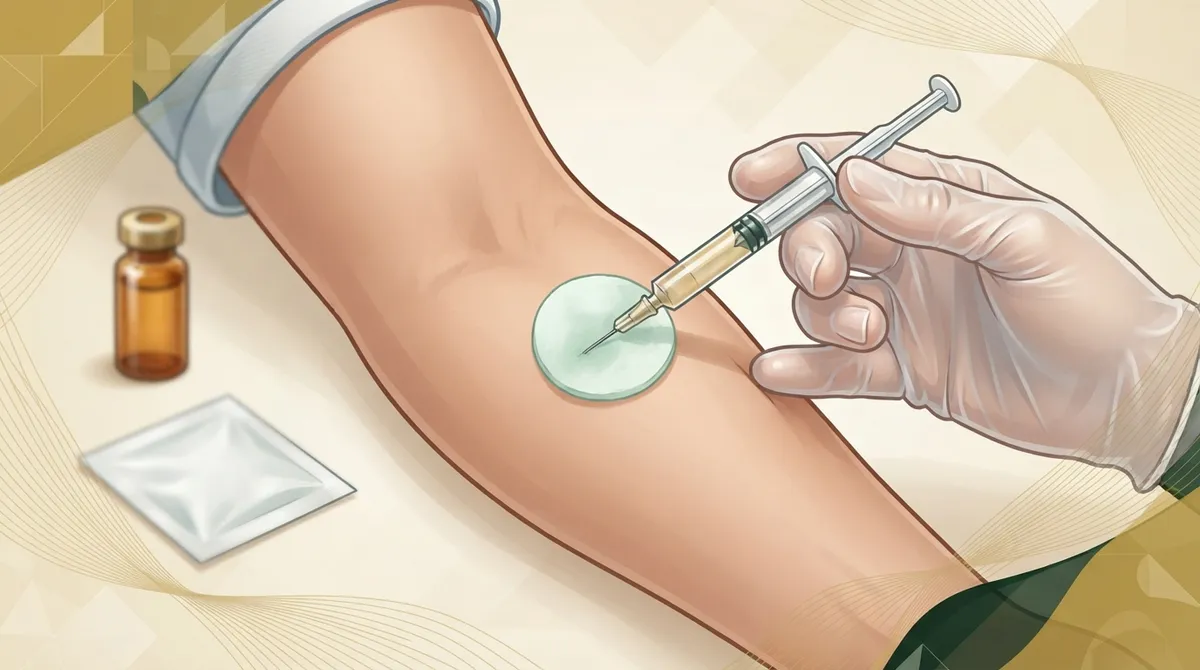
If you’re wondering how are peptides administered in most treatment plans, the answer is usually subcutaneous injection. This means the peptide is injected just under the skin, into the fatty tissue layer. It’s the same basic technique many people already use for insulin.
Subcutaneous injection is popular for a few good reasons:
- It avoids the stomach entirely, so the peptide doesn’t get broken down before it works
- It’s easy to learn and do at home with proper instruction
- It allows for steady, predictable absorption into the bloodstream
- It uses small, thin needles that cause minimal discomfort for most people
- It gives your provider precise control over dosing
This is why programs like the ones at Allura Longevity often build their protocols around subcutaneous delivery. It fits naturally into a busy schedule, and clients can learn the technique quickly with guidance from a licensed provider.
Other Injectable Routes You Might Hear About
Subcutaneous isn’t the only injectable option. Depending on the specific peptide and your treatment goals, a provider might recommend a different route. Here’s a quick breakdown:
| Route | Where It’s Given | Common Use |
|---|---|---|
| Subcutaneous | Just under the skin | Most wellness and longevity peptides |
| Intramuscular | Into the muscle tissue | Certain hormone-related treatments |
| Intravenous | Directly into a vein | Clinical settings requiring fast action |
| Intradermal | Into the top skin layer | Specialized diagnostic or treatment uses |
It’s worth repeating: you should never switch routes on your own. A peptide made for subcutaneous use should not be injected into a muscle or a vein unless a licensed clinician tells you to. Every product is formulated and dosed for one specific path into your body.
Can Peptides Be Taken Orally?
This is one of the most common questions people ask, and it makes total sense. Nobody loves needles. Unfortunately, most peptides just don’t survive the digestive process. Your stomach acid and enzymes are designed to break down proteins, and peptides are basically tiny proteins.
That said, science is catching up. Some peptide medicines have been specially formulated with protective coatings or absorption enhancers to survive the gut. These specialty oral peptides are becoming more common, but they still tend to have lower and more variable absorption compared to injections. If you see a peptide capsule being sold without any special formulation claims, it’s smart to ask a lot of questions before trying it.
What About Nasal Sprays and Other Methods?
Nasal sprays work by absorbing the peptide through the mucous membranes inside your nose. This route can be convenient, but it only works well for certain peptides that are stable enough and small enough to cross that barrier.
Here are a few other delivery methods you might come across:
- Topical creams and gels applied to the skin
- Sublingual drops placed under the tongue
- Buccal tablets that dissolve inside the cheek
- Patches that release peptides slowly over time
- Implantable pellets placed under the skin for long-term release
Each of these has its own pros and cons. Absorption rates vary a lot, and not every peptide has been tested or proven effective through these routes. The FDA’s Route of Administration standard actually lists more than 20 official categories, which shows just how varied peptide delivery can be.
Why You Shouldn’t Assume One Route Equals Another
It’s tempting to think a nasal spray version of a peptide should work just like the injectable version. But that’s not how biology works. Absorption rates, how much actually reaches your bloodstream, and how long it stays active can be completely different depending on the route.
The FDA has noted that peptides given by injection, inhalation, or intravitreal routes may carry a higher risk of immune reactions compared to oral or transrectal routes. This is exactly why your provider chooses a specific method based on real evidence, not guesswork.
Step-by-Step: How a Subcutaneous Peptide Injection Works
If your treatment plan includes subcutaneous injections, here’s a simple walkthrough of what the process typically looks like once you’ve been trained by a professional:
- Wash your hands thoroughly and gather your supplies on a clean surface
- Check the peptide vial for clarity, correct dose, and expiration date
- Reconstitute the peptide with the correct diluent if needed, following your provider’s exact instructions
- Draw up the prescribed dose carefully using a sterile syringe
- Clean the injection site, usually the stomach area or thigh, with an alcohol swab
- Pinch the skin gently and inject at the angle your provider recommended
- Dispose of the needle safely in a sharps container right away
- Store any remaining peptide according to the specific storage instructions provided
This might sound like a lot of steps, but most clients get comfortable with it after just a few tries. If you’re just getting started, this guide on how to prepare for safe, effective peptide injections breaks it down even further.
Why Working With a Licensed Provider Matters So Much
Here’s something important to know. Not all peptide products are created equal. The FDA distinguishes between approved peptide medicines and compounded peptide preparations, and that difference matters a lot for your safety.
FDA-approved peptides have gone through rigorous testing for safety, effectiveness, dosing, and manufacturing quality. Compounded peptides, on the other hand, are not FDA-approved before they hit the market. That doesn’t automatically mean they’re unsafe, but it does mean the oversight is different, and quality can vary between suppliers.
Consider these safety facts before starting any peptide protocol:
- The FDA has flagged immunogenicity, impurities, and aggregation as potential risks for some compounded peptides
- An ECRI and Institute for Safe Medication Practices review found that 35 of 36 published BPC-157 studies were done in animals, not humans
- Popular wellness peptides like TB-500, ipamorelin, and melanotan II don’t always have strong human clinical evidence behind common marketing claims
- Compounded GHRP-2 has been flagged by the FDA for possible immunogenicity concerns tied to impurities
This is exactly why working with a real medical provider matters. A trustworthy program will source peptides responsibly, monitor your bloodwork, and adjust your plan based on how your body responds. If you want to understand this topic in more depth, check out this resource on 8 facts that explain what are peptides in 2026.
Safety Tips for At-Home Peptide Administration
If your provider has approved you for at-home injections, here are some practical tips to keep things safe and stress-free:
- Always use a new, sterile needle for every injection
- Rotate your injection sites to avoid irritation or lumps under the skin
- Store reconstituted peptides in the refrigerator unless told otherwise
- Never share needles or vials with anyone, ever
- Keep a simple log of your doses and injection sites
- Contact your provider if you notice redness, swelling, or unusual symptoms after an injection
- Persistent redness, swelling, or warmth at the injection site
- Signs of an allergic reaction, like hives or difficulty breathing
- Unexpected side effects that don’t improve within a day or two
- Questions about dosing, timing, or storage that you’re not sure about
- Any changes in your overall health that might affect your treatment plan
A little organization goes a long way here. Many clients find that setting a consistent time each day, like right after brushing their teeth, helps the routine stick without feeling like a chore.
When Should You Reach Out to Your Provider?
Peptide therapy is generally well tolerated, but it’s smart to know the warning signs that mean you should check in. Reach out to your care team if you notice:
A good telehealth provider makes this easy. At Allura Longevity, clients get ongoing monitoring and adjustments from licensed providers, led by a board-certified Family Nurse Practitioner, so you’re never left guessing on your own.
Comparing Administration Routes at a Glance
To make things even clearer, here’s a simple comparison of the main routes used in peptide therapy today:
| Route | Ease of Use | Absorption Reliability | Typical Setting |
|---|---|---|---|
| Subcutaneous Injection | Easy with training | High | Home, self-administered |
| Oral (Specialty Formulated) | Very easy | Variable | Home |
| Nasal Spray | Very easy | Depends on peptide | Home |
| Intravenous | Requires clinical staff | Immediate, complete | Clinic setting |
| Topical/Sublingual | Easy | Limited, product-specific | Home |
As you can see, subcutaneous injection strikes a nice balance between convenience and reliable absorption, which is a big reason it remains the go-to route for so many peptide therapy programs.
Getting Started the Right Way
If you’re feeling excited but a little nervous, that’s completely normal. Learning how are peptides administered is just one piece of the puzzle. The bigger picture involves bloodwork, a customized plan, and ongoing support from people who actually know your health history.
According to research published in the National Library of Medicine, therapeutic peptides continue to grow in clinical use because of their targeted action and generally favorable safety profiles when properly administered. That’s encouraging news, especially when your treatment is guided by professionals who take the time to get it right.
If you want to explore what a full program looks like from consultation to delivery, this guide on how to start peptide therapy safely and see real results is a great next stop.
Final Thoughts on Peptide Administration
Learning how peptides get into your body doesn’t have to feel overwhelming. Once you understand that subcutaneous injection is the most common and reliable method, and that other routes exist for specific situations, the whole process feels a lot less mysterious. The real key is working with people who know what they’re doing and who care about your results as much as you do.
You deserve a treatment plan built around your actual bloodwork, your actual goals, and your actual life. Allura Longevity offers exactly that, with personalized six-month plans, home delivery, and ongoing support from licensed providers who are with you every step of the way. Spots for new clients are limited each month, so if you’re ready to feel like yourself again, now’s a great time to request a consultation and see what a customized peptide plan could do for you.
FAQs
Q: What is the most common way peptides are administered?
A: Subcutaneous injection is by far the most common route in peptide therapy. It’s easy to learn, gives reliable absorption, and skips the digestive system entirely, which is exactly why most at-home programs use it.
Q: Can peptides be taken orally instead of injected?
A: Some can, but only if they’re specially formulated to survive your stomach acid. Regular peptide capsules without that special coating often get broken down before they can do much good, so injections are still the more reliable choice for most people.
Q: Are peptide creams or nasal sprays effective?
A: It really depends on the specific peptide. Some formulations work well through the skin or nose, while others just aren’t absorbed effectively that way. Your provider can tell you which route actually makes sense for your treatment goals.
Q: What are the risks of administering peptides at home?
A: The biggest risks come from improper technique, unclear sourcing, or skipping medical guidance altogether. That’s why proper training, sterile supplies, and working with a licensed provider make such a big difference in keeping things safe.
Q: Are compounded peptide injections FDA-approved and safe?
A: Compounded peptides aren’t FDA-approved the same way traditional medicines are, so quality can vary between sources. This is exactly why choosing a reputable, medically supervised program matters so much for your safety and peace of mind.





