

Key Takeaways
-
Peptides are short chains of amino acids that act as precise biological messengers, binding to specific receptors like a key fitting a lock, making them more targeted and effective than many traditional medications with fewer systemic side effects.
-
The peptide therapeutics market is projected to reach $70-123 billion by 2031-2035 with 6.8-9.5% annual growth, driven by versatile applications including weight management, hormone balance, injury recovery, and immune support across multiple health conditions.
-
Safe peptide treatment requires working with a licensed provider who orders blood work, customizes a plan to your specific health goals, monitors progress through lab testing, and sources peptides from verified sources—avoiding unverified online sellers.
-
Peptide treatment signals your body to produce more of its own hormones naturally, unlike hormone therapy which directly replaces hormones, and can be delivered via injections, oral capsules, transdermal patches, or nasal sprays for convenient at-home use.
Curious about peptide treatment but not sure where to start? You’re not alone. More people than ever are asking their doctors about these tiny protein-based therapies, and for good reason. Peptide treatment is one of the fastest-growing areas in modern wellness, helping people feel more energized, recover faster, and age with more confidence.
Whether you’re a busy professional looking for convenient care, a biohacker who loves data, or simply someone who wants to feel like yourself again, understanding peptide treatment matters. This guide breaks down the science, the safety, and the real-world facts you need. We’ll also show you how peptides for women and peptides for men are being used safely through telehealth. Let’s dig into the ten things everyone should know before starting peptide treatment in 2026.
1. Peptide Treatment Uses Tiny Proteins With Big Effects
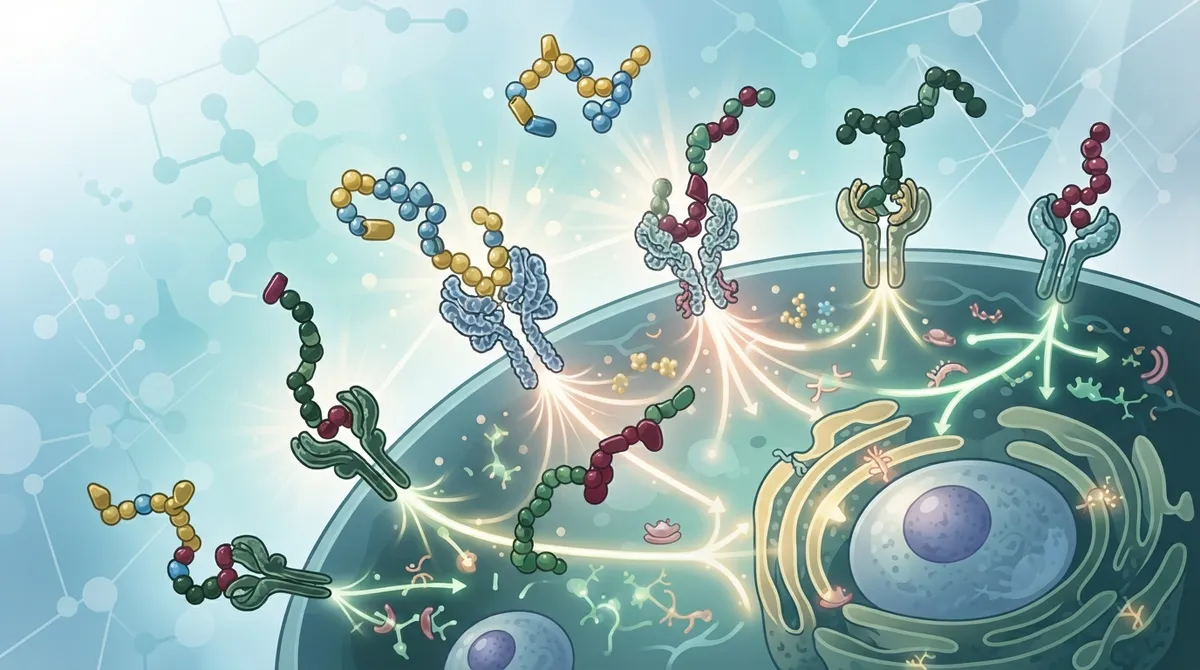
Peptides are short chains of amino acids. Think of them as tiny messengers that tell your body what to do. They can mimic natural hormones or proteins already in your system, which is why they work so well with your body instead of against it.
According to what are peptides, these molecules act on specific receptors or enzymes in the body. This precision is what makes peptide treatment different from many older drugs. It’s like using a key designed for one exact lock instead of trying random keys and hoping one fits.

2. The Peptide Therapeutics Market Is Growing Fast
Peptide treatment isn’t a small trend. It’s a massive and expanding part of modern medicine. Here’s a quick look at how the market has grown, based on several recent industry reports.
| Report Estimate | 2026 Market Value | Growth Outlook |
|---|---|---|
| Grand View Research style estimate | ~$49.68 billion | Reaching $70.20B by 2031 (CAGR 7.16%) |
| Transparency Market Research | ~$45.3 billion (2024 base) | Exceeding $123.2B by 2035 (CAGR 9.5%) |
| Global Growth Insights | ~$43.3 billion (2025 base) | Nearly $87.5B by 2035 |
| Business Research Company | ~$53.87 billion | CAGR of 6.8% through 2033 |
North America currently leads the world in peptide treatment use, holding over 60% of the market share in some reports. Asia-Pacific is catching up quickly, but for now, the United States remains the hub of innovation and access.
3. Peptide Treatment Targets Many Different Health Conditions
One reason peptide treatment has taken off is its versatility. It’s not just for one condition. Providers use it across many areas of health, including some you might not expect.
- Metabolic disorders and weight management
- Hormonal deficiencies and low testosterone
- Injury recovery and tissue repair
- Skin health and visible aging concerns
- Immune system support
- Sleep quality and mental clarity
This wide range is part of why so many aging adults and wellness seekers are turning to personalized plans. A one-size-fits-all approach rarely works, but peptide treatment can be tailored to your specific blood work and goals.
4. How Peptide Treatment Actually Works in Your Body
Understanding the mechanism helps build trust in the process. Here’s a simple breakdown of how peptide treatment typically works, step by step.
- Your provider reviews your blood work and health history
- A specific peptide is chosen to match your goals, such as fat loss or recovery
- The peptide binds to a receptor, much like a key fitting into a lock
- This triggers a natural biological response, like increased growth hormone release
- Your body responds by repairing tissue, burning fat, or balancing hormones
- Providers monitor your progress and adjust your plan as needed
This is very different from older hormone therapy approaches. If you’re wondering how peptide therapy compares to traditional hormone treatments, this guide on choosing between bioidentical hormones and peptides breaks it down clearly.
5. Common Peptide Treatments Used Today
Not all peptides do the same job. Some are better for fat loss, others for muscle recovery or gut health. Here’s a look at some of the most talked-about options in 2026.
| Peptide | Primary Use | Popular With |
|---|---|---|
| Semaglutide/Tirzepatide (GLP-1s) | Weight loss, appetite control | Health optimizers, wellness seekers |
| BPC-157 | Injury recovery, gut healing | Biohackers, active adults |
| CJC-1295/Ipamorelin | Growth hormone support, recovery | Aging adults, athletes |
| TB-500 | Tissue repair, recovery | Biohackers, busy professionals |
| Thymosin Alpha 1 | Immune support | Wellness seekers |
If you want a deeper look at fat-loss specific options, this article on 13 peptides for fat loss that really work in 2026 is a great next read. For muscle-focused goals, check out 14 peptides for muscle gain worth knowing.
6. FDA Approval Status Varies by Peptide
This is a question we hear often. Some peptide treatments are fully FDA-approved prescription medications. Others are used in research settings or compounded by licensed pharmacies under medical supervision.
According to research published by the National Library of Medicine, peptide drugs have favorable safety profiles compared to many small-molecule medications, largely due to their high specificity. Still, it’s important to work with a licensed provider who understands the regulatory landscape and can guide you safely.
- Ask your provider if the peptide is FDA-approved or compounded
- Confirm your provider is licensed in your state
- Request lab monitoring before and during treatment
- Avoid sourcing peptides from unverified online sellers
7. Peptide Treatment Delivery Methods Have Improved
Gone are the days when injections were the only option. Peptide treatment now comes in several forms, making it easier to fit into daily life.
- Subcutaneous injections (most common, quick and simple)
- Oral capsules for certain peptides
- Transdermal creams and patches
- Nasal sprays for select applications
For those new to injections, preparation matters. This resource on how to prepare for safe, effective peptide injections walks through everything from storage to technique.
8. Safety and Side Effects You Should Know
No treatment is completely risk-free, and peptide treatment is no exception. That said, side effects are generally mild when treatment is medically supervised.
- Redness or irritation at the injection site
- Mild nausea, especially with GLP-1 medications
- Headache or fatigue during initial dose adjustments
- Water retention with certain growth hormone peptides
Most side effects fade as your body adjusts. Working with a provider who monitors your blood work helps catch any issues early. If you’re using GLP-1 medications specifically, this article on what causes GLP-1 side effects and how to manage them offers practical tips.
9. Peptide Treatment vs. Hormone Therapy: What’s the Difference?
People often confuse these two, so let’s clear it up. Hormone therapy replaces hormones directly, like testosterone or estrogen. Peptide treatment, on the other hand, often signals your body to produce more of its own hormones naturally.
| Feature | Peptide Treatment | Hormone Therapy |
|---|---|---|
| Mechanism | Stimulates natural hormone production | Directly replaces hormones |
| Specificity | Very high, targets specific pathways | Broader systemic effect |
| Common Uses | Recovery, metabolism, immunity | Menopause, low testosterone |
| Delivery | Injection, oral, transdermal | Injection, pellets, patches |
Many wellness plans actually combine both approaches. This is explored further in why testosterone injection therapy gets paired with peptides.
10. Getting Started Safely With Peptide Treatment
Starting peptide treatment shouldn’t feel overwhelming or risky. A safe process always begins with proper testing and a licensed provider who reviews your full health picture.
- Schedule a virtual consultation with a licensed provider
- Complete comprehensive blood work through a trusted lab
- Review your results and discuss your health goals
- Receive a customized treatment plan tailored to your body
- Get your peptides shipped directly to your home
- Follow up regularly for monitoring and dose adjustments
This is exactly the model that Allura Longevity has built its telehealth practice around. Clients start with an affordable $50 virtual consultation, complete blood work through LabCorp, and receive a customized six-month plan designed by licensed providers, led by board-certified Family Nurse Practitioner Ashley. For a full breakdown of the process, check out how to start peptide therapy safely and see real results.
Why Telehealth Makes Peptide Treatment More Accessible
Busy schedules shouldn’t stand between you and better health. Telehealth has made peptide treatment far more convenient, especially for professionals juggling work, family, and everything in between.
- No waiting rooms or long drives to a clinic
- Peptides delivered directly to your door
- Flexible virtual check-ins with your provider
- Ongoing monitoring without disrupting your routine
If you’re weighing your options, this comparison of local clinic vs. telehealth for peptide therapy can help you decide what fits your lifestyle best. And for those curious about how peptides support specific goals like energy, this piece on how to pick peptides for energy that actually work is worth a read.
Your Next Step Toward Feeling Your Best
Peptide treatment has come a long way, and it’s exciting to see how personalized and accessible it’s become. Whether your goal is more energy, better recovery, weight loss, or simply aging with confidence, there’s likely a peptide plan that fits your body and your life.
Allura Longevity makes this process simple, safe, and personal. With licensed providers, individualized blood work analysis, and convenient at-home delivery, you get expert care without the hassle. Spots are limited each month, so if you’re ready to explore what peptide treatment can do for you, request a consultation today and take the first step toward feeling like the best version of yourself. You can also call (813) 510-6277 to speak with the team directly.
FAQs
Q: What is peptide treatment in peptide therapy?
A: Peptide treatment uses short chains of amino acids that act like natural messengers in your body. They target specific receptors to help with things like recovery, metabolism, and hormone balance. It’s a personalized approach that works with your body’s own systems rather than overriding them.
Q: Are peptide treatments FDA-approved?
A: Some peptides are fully FDA-approved prescription medications, while others are compounded under medical supervision. It really depends on the specific peptide and its intended use. That’s why working with a licensed provider who understands the regulations is so important.
Q: How is peptide treatment different from hormone therapy?
A: Hormone therapy replaces hormones directly, while peptide treatment often signals your body to produce more of its own hormones naturally. Think of peptides as gentle nudges rather than direct replacements. Many providers actually combine both for the best results.
Q: What conditions can peptide treatment help with?
A: Peptide treatment is used for a wide range of goals, including weight loss, injury recovery, immune support, skin health, and hormone balance. It’s incredibly versatile, which is part of why it’s grown so popular. Your specific plan depends on your blood work and personal health goals.
Q: How do I get started with peptide treatment safely?
A: The safest way to start is with a licensed provider who reviews your blood work before recommending anything. This helps ensure the plan is truly tailored to your body. Allura Longevity, for example, begins with an affordable consultation and lab testing before building your custom plan.





