

Key Takeaways
-
Testosterone injection therapy requires confirmed low testosterone (below 300 ng/dL on two separate morning tests) before starting treatment; symptom-based self-diagnosis without lab work is unreliable and unsafe.
-
Most popular peptides like ipamorelin and CJC-1295 work differently than testosterone injections—they stimulate growth hormone release rather than replacing testosterone, making them complementary tools, not alternatives.
-
Testosterone injection therapy has decades of clinical research backing it, while peptides lack large-scale human trials; this evidence gap means realistic expectations and licensed provider guidance are essential for peptide use.
-
Testosterone and peptide therapies can be safely combined in personalized protocols to address hormone replacement, fertility preservation, recovery, and sleep quality simultaneously under medical supervision.
-
Telehealth providers now streamline access to hormone therapy with virtual consultations ($50), at-home blood work through LabCorp, personalized treatment plans, and door-to-door medication delivery.
-
Monthly costs for testosterone injections are typically under $50-$100 for medication alone, while peptide protocols range from $100-$400 depending on compounds and dosing protocols used.
If you’ve been feeling tired, foggy, or just not like yourself, you’ve probably searched for answers online. Somewhere in that search, you likely bumped into two terms: testosterone injection therapy and peptide therapy. They sound similar, and honestly, the internet doesn’t always explain the difference very well. Let’s fix that together, in plain language, so you can feel confident about what might actually help you.
Testosterone injection therapy is a well-studied medical treatment for low testosterone. Peptide therapy is a different, newer category that works alongside your body’s own systems in gentler ways. Many wellness clinics, including telehealth providers like Allura Longevity, now help clients understand both options and figure out what fits their goals, their labs, and their lifestyle. Whether you’re a busy professional running on fumes or someone who tracks every biomarker you can find, this guide will walk you through what testosterone injections actually do, how peptides fit into the picture, and how to make a smart, informed choice.
What Is Testosterone Injection Therapy, Exactly?
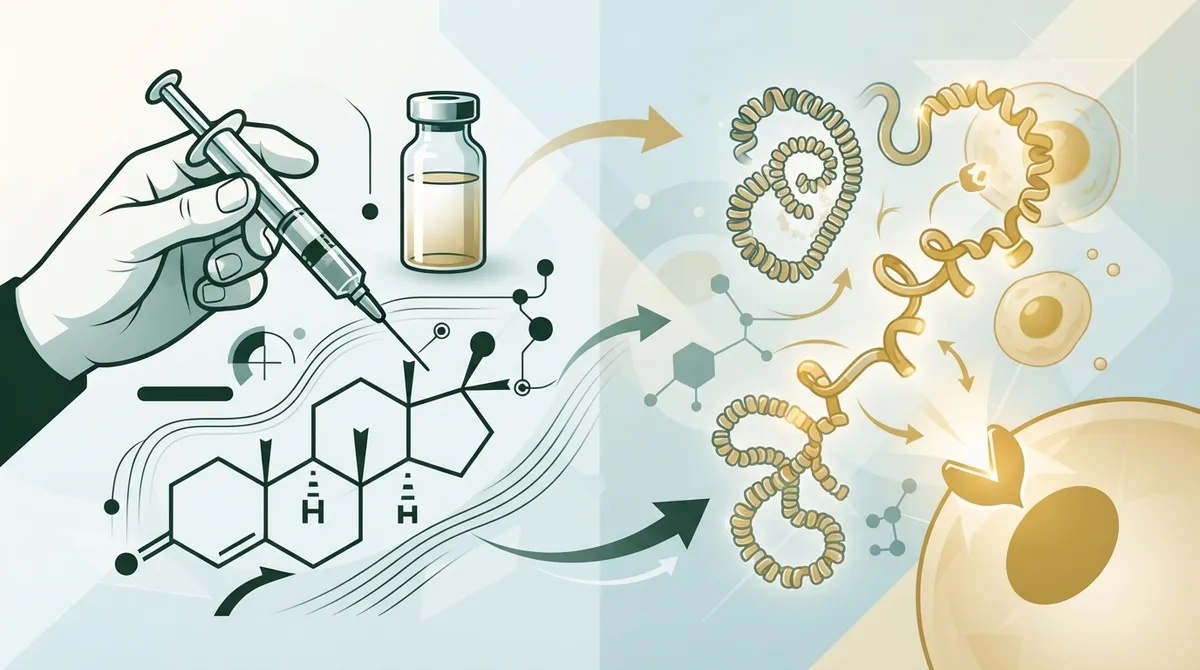
Testosterone injection therapy is a form of testosterone replacement therapy, often shortened to TRT. It involves injecting manufactured testosterone, usually testosterone cypionate or enanthate, directly into the body. The goal is simple: bring low testosterone levels back into a healthy, normal range.
This isn’t a trendy biohacking experiment. It’s a well-established medical treatment used for decades to treat men with clinically confirmed low testosterone, also called hypogonadism. Doctors don’t just guess. They look at blood work, usually two separate morning tests, to confirm the diagnosis before starting treatment.
The Diagnostic Threshold Doctors Use
One commonly cited clinical benchmark is a total testosterone level below 300 ng/dL, measured twice on separate mornings. This number matters because testosterone naturally rises and falls throughout the day, and a single low reading isn’t enough to confirm a real problem.
This is part of why proper lab work matters so much. Guessing at hormone issues without data is like trying to fix your car without popping the hood. You need to see what’s actually going on first.
How Testosterone Injections Actually Work in the Body
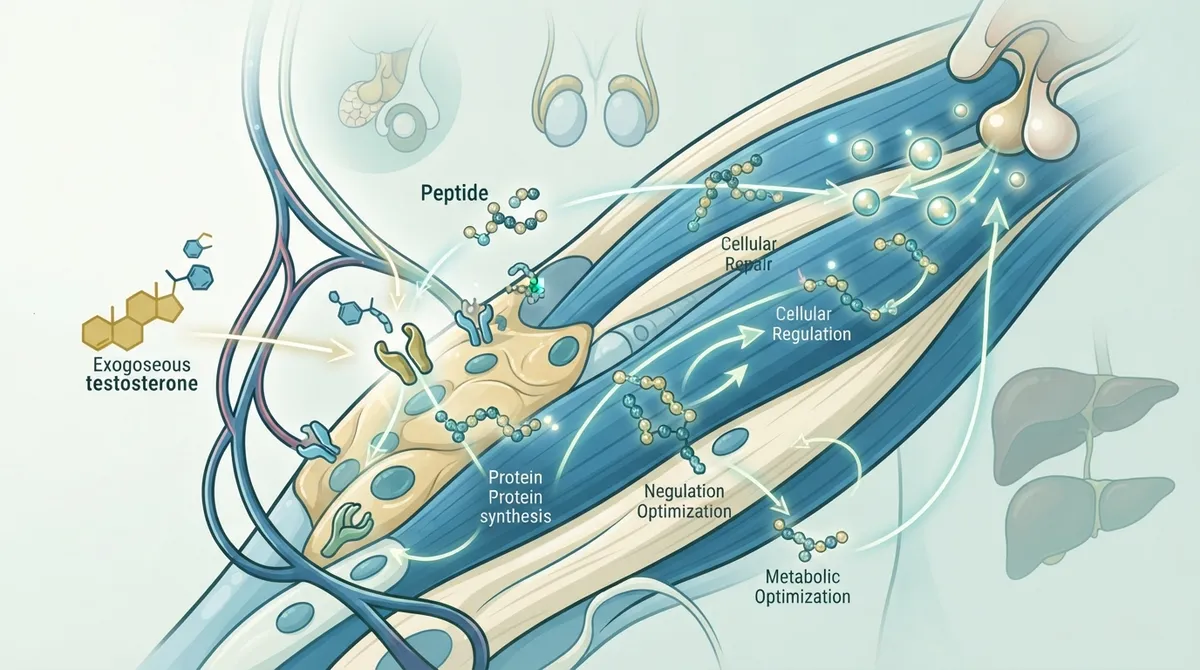
Once injected, testosterone enters the bloodstream and helps restore levels that support energy, muscle mass, libido, mood, and even bone density. Because it’s delivered directly, it tends to raise testosterone levels fairly reliably compared to some other delivery methods.
Testosterone therapy isn’t limited to injections, though. There are several delivery options available:
- Injections (cypionate or enanthate), typically every one to two weeks
- Topical gels applied daily to the skin
- Patches worn on the body
- Pellets implanted under the skin every few months
- Oral formulations, which are less commonly prescribed
Injections remain one of the most widely used and discussed methods because they’re affordable and effective, but they do require a bit more comfort with self-administration, which we’ll talk about shortly.
Where Peptide Therapy Fits Into the Picture
Here’s where things get interesting, and honestly, where a lot of confusion happens online. Many people assume peptides are just a milder version of testosterone therapy. That’s not quite accurate, and it’s important you understand why.
Most popular injectable peptides, like ipamorelin, CJC-1295, and BPC-157, don’t replace testosterone at all. Instead, they work on different systems in the body. If you’re curious about the basics, this breakdown of what peptides actually are is a great place to start.
What These Popular Peptides Actually Do
- Ipamorelin and CJC-1295: These encourage your pituitary gland to release more natural growth hormone, which can support recovery, sleep, and body composition.
- BPC-157: This peptide is generally used to support tissue repair and recovery from injury, not hormone replacement.
- GnRH, LH, and hCG: These are sometimes grouped into testosterone conversations because they act more directly on the hormone axis. However, they’re still distinct from testosterone injection therapy itself.
According to the National Library of Medicine, some peptides can influence testosterone production pathways at a cellular level, but this is a very different mechanism than directly injecting testosterone into the bloodstream.
Testosterone Injections vs. Peptide Therapy: A Side-by-Side Look
Since these two approaches get lumped together so often, a clear comparison can help you see the real differences.
| Factor | Testosterone Injection Therapy | Peptide Therapy |
|---|---|---|
| What it does | Directly replaces testosterone in the body | Signals the body to produce hormones or support repair |
| Best for | Confirmed low testosterone/hypogonadism | Recovery, energy, sleep, tissue repair, general optimization |
| Evidence base | Strong, decades of clinical research | Growing, but fewer large human trials |
| Typical monthly cost | Roughly $40–$100 for medication alone | Roughly $100–$400 depending on the protocol |
| FDA approval status | Approved for hypogonadism treatment | Varies; many are not approved for testosterone-related use |
This comparison mirrors findings discussed by clinics like Low T Center, which note that TRT and peptide therapy often serve different, complementary purposes rather than competing directly.
Why the Evidence Gap Between TRT and Peptides Matters
It’s worth being honest here, because your health deserves honesty. Testosterone injection therapy has a much deeper research history. One well-known research effort, the TTrials consortium, included seven trials and 790 participants studying TRT’s effects in men.
Peptides, on the other hand, are still catching up in terms of large-scale human research. The American Orthopaedic Society for Sports Medicine has pointed out that there aren’t yet large multicenter trials confirming long-term safety and dosing for many popular injectable peptides. This doesn’t mean peptides aren’t valuable. It just means expectations should be realistic, and guidance from a licensed provider is essential.
Can Peptides and Testosterone Therapy Be Used Together?
Yes, and this is actually one of the more exciting developments in personalized wellness care. Many clinics now design combination protocols where testosterone therapy handles the core hormone replacement, while peptides support other goals.
Common reasons people combine the two include:
- Supporting natural testicular function while on TRT
- Preserving fertility during testosterone treatment
- Boosting recovery and sleep quality alongside hormone therapy
- Supporting skin, metabolism, and muscle recovery goals
- Addressing multiple wellness goals in one coordinated plan
This is exactly the kind of personalized thinking that separates a thoughtful treatment plan from a one-size-fits-all approach. If you want to understand how these protocols get built responsibly, this guide on starting peptide therapy safely is a helpful next read.
Understanding the Real Cost of Treatment
Cost is one of the biggest questions people have, and it’s a fair one. Nobody wants surprise bills for their health care.
| Treatment Type | Estimated Monthly Cost | Notes |
|---|---|---|
| Testosterone cypionate injections | Under $50 (medication only) | Additional provider and monitoring fees may apply |
| Compounded peptide protocols | $150–$400 | Cost varies based on compounds and dosing |
| Combined TRT + peptide plan | Varies by clinic | Often bundled through telehealth providers |
For a deeper dive into what drives these numbers, this resource on real testosterone therapy cost facts breaks it down clearly.
The Growing Demand for Hormone Optimization
You’re definitely not alone in exploring this. The global testosterone replacement therapy market was valued at roughly $2.05 billion in 2025 and is projected to reach $2.57 billion by 2031. Some analysts even project it could top $3 billion by 2034. That growth reflects a simple truth: more people want to feel energetic, sharp, and strong as they age, and they’re willing to seek out real medical solutions to get there.
Steps to Start Testosterone Injection Therapy the Right Way
If you think low testosterone might be behind your symptoms, here’s a simple, responsible way to approach it.
- Get comprehensive blood work. This should include morning total testosterone, taken on two separate days.
- Review your symptoms with a licensed provider. Fatigue, low libido, and mood changes alone aren’t enough; labs confirm the diagnosis.
- Discuss all delivery options. Injections, gels, and pellets each have pros and cons worth weighing.
- Ask about complementary peptide support. This can help with recovery, fertility preservation, or overall wellness goals.
- Commit to ongoing monitoring. Hormone therapy isn’t “set it and forget it.” Regular labs help your provider fine-tune your dose.
Why Telehealth Makes This Process Easier
Let’s be real: nobody has time to sit in a waiting room for two hours just to get a lab order. This is where telehealth has changed the game, especially for busy professionals and people juggling families, careers, and everything in between.
Allura Longevity, for example, offers a $50 virtual consultation followed by blood work through LabCorp. From there, licensed providers, led by board-certified Family Nurse Practitioner Ashley, build a personalized six-month treatment plan. Everything ships right to your door, and your care team continues monitoring your progress and adjusting your plan as needed. It’s currently available to clients in Florida, Georgia, Texas, Connecticut, Indiana, Maryland, New York, and California.
If you’re curious how this compares to visiting a physical clinic, this comparison of local clinics versus telehealth peptide therapy lays out the pros and cons clearly.
Signs You Might Benefit From an Evaluation
You don’t need every symptom on this list to justify getting checked. Even one or two persistent issues are worth discussing with a provider.
- Ongoing fatigue that doesn’t improve with sleep
- Reduced muscle mass or strength despite regular exercise
- Low libido or changes in sexual function
- Brain fog or trouble concentrating
- Mood changes, including irritability or low motivation
- Increased body fat, especially around the midsection
According to what are peptides, understanding how these smaller protein molecules interact with your body’s systems can help clarify why they’re often paired with, rather than used instead of, testosterone therapy.
Common Myths Worth Clearing Up
There’s a lot of noise out there, so let’s gently correct a few misunderstandings.
- Myth: Peptides are a natural replacement for testosterone injections. In most cases, they work through different pathways entirely.
- Myth: All testosterone therapy is the same. Delivery method, dosing, and monitoring all affect results and safety.
- Myth: More testosterone always means better results. Restoring levels to a healthy range is the goal, not maximizing them.
- Myth: You can self-diagnose low testosterone from symptoms alone. Lab confirmation is essential for safe treatment.
Bringing It All Together
Testosterone injection therapy and peptide therapy aren’t rivals. They’re different tools designed for different jobs, and understanding that difference helps you make smarter choices for your health. If your labs confirm low testosterone, injection therapy remains the evidence-based standard. If you’re looking to support recovery, energy, or overall wellness alongside that treatment, peptides may offer helpful, complementary benefits.
The most important step is getting real answers through proper testing, not guesswork. A personalized plan, built around your actual blood work and goals, will always outperform a generic approach pulled from the internet.
If you’re ready to find out what’s really going on with your hormones and explore a plan built just for you, you can request a consultation with Allura Longevity’s licensed care team today. Spots are limited each month, so it’s worth reaching out soon if you’ve been putting this off.
FAQs
Q: What is testosterone injection therapy?
A: Testosterone injection therapy is a treatment where manufactured testosterone, usually cypionate or enanthate, is injected into the body to restore healthy hormone levels. It’s typically prescribed for men with confirmed low testosterone based on blood work, not just symptoms alone. It’s one of the most researched and widely used forms of hormone replacement therapy available today.
Q: How does testosterone injection therapy differ from peptide therapy?
A: Testosterone injections directly replace the hormone in your bloodstream, while most peptides work by signaling your body to support growth hormone release, tissue repair, or recovery. They’re not really substitutes for each other. Think of testosterone therapy as refilling the tank, and peptides as fine-tuning the engine.
Q: Can peptides increase testosterone on their own?
A: Most popular peptides, like BPC-157 or ipamorelin, don’t directly raise testosterone levels. Some hormones like hCG or GnRH act more directly on the testosterone axis, but they’re technically different from standard peptide protocols. If boosting testosterone is your main goal, a proper lab evaluation will help determine the right approach.
Q: Can testosterone therapy and peptides be used together safely?
A: Yes, many providers design combination plans where testosterone handles hormone replacement while peptides support recovery, sleep, or fertility preservation. This should always be done under medical supervision with regular monitoring. A personalized plan based on your labs is the safest way to combine these therapies.
Q: How much does testosterone injection therapy typically cost?
A: Medication alone often costs under $50 to $100 per month, though provider fees and monitoring can add to the total. Peptide protocols tend to run higher, often between $100 and $400 monthly, depending on the compounds used. Getting a clear cost breakdown upfront from your provider helps avoid surprises.





