
Key Takeaways
-
Testosterone patches deliver synthetic hormone directly through daily skin application, requiring site rotation every 7 days to prevent irritation, with peak levels occurring around 8.2 hours after application.
-
Patches work differently from peptide therapy: patches replace hormones directly while peptides signal your body to produce its own hormones naturally, making them complementary approaches for comprehensive hormone health.
-
Common side effects include skin irritation, blistering, and itching at application sites; patches can loosen during exercise or sweating, requiring daily reapplication and ongoing medical supervision.
-
Testosterone patches are prescription-only (Schedule III controlled substance) and should only be used for clinically confirmed low testosterone, not for general anti-aging or athletic performance purposes.
-
Other delivery methods like injections (weekly), gels (daily), and pellets (every 3-6 months) offer alternatives; choosing depends on lifestyle, with pellets being ideal for busy individuals seeking infrequent dosing.
-
Proper hormone optimization requires blood work confirmation, consultation with licensed providers, and personalized treatment plans; telehealth makes access easier for busy professionals seeking hormone support.
If you’ve been searching for ways to fix low energy, foggy thinking, or a fading sex drive, you’ve probably come across testosterone patch therapy. It sounds simple enough: stick a patch on your skin, and let it do the work. But is it the best way to get your hormones back on track? And how does it compare with newer, more personalized options like peptide therapy? Let’s break it all down together, in plain language, so you can make a smart choice for your body.
Whether you’re a busy professional who barely has time for a doctor’s visit, or a biohacker who tracks every lab number you can get your hands on, this guide is for you. We’ll cover how testosterone patches work, who they’re good for, and where they fall short. We’ll also look at how peptide therapy fits into the bigger picture of hormone health and healthy aging.
What Is Testosterone Patch Therapy?
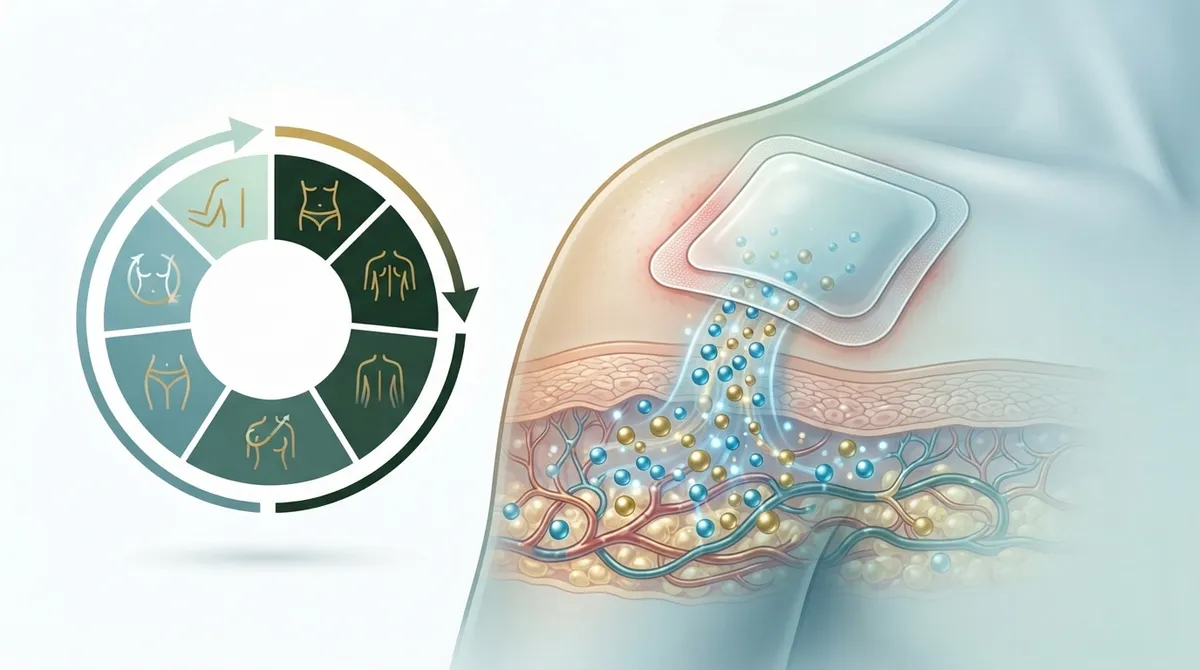
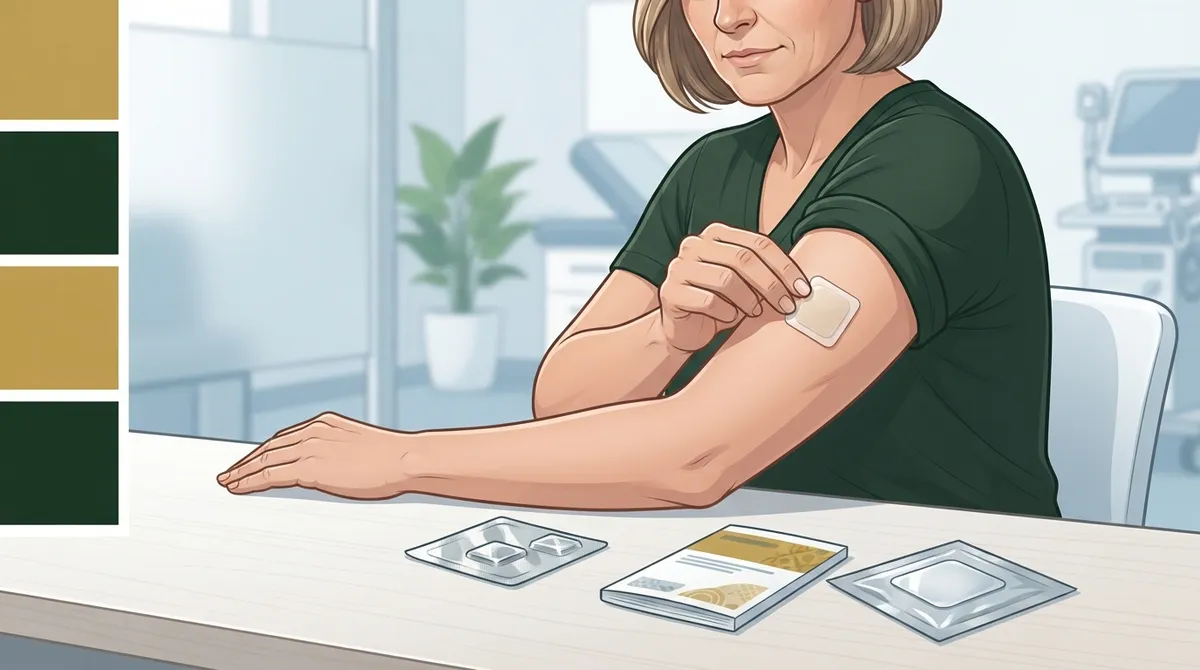
Testosterone patch therapy is a type of testosterone replacement therapy, or TRT. It delivers synthetic testosterone through your skin using a small adhesive patch. You wear it on your back, stomach, upper arms, or thighs, and it slowly releases hormone into your bloodstream over 24 hours.
This is different from what are peptides, which are tiny protein-like molecules that signal your body to do something, like produce more of its own hormones. A testosterone patch doesn’t ask your body to make more testosterone. It simply supplies it directly.
One of the most recognized products in this space was Androderm, a prescription patch classified as a Schedule III controlled substance. While it was popular for years, many patients moved toward other delivery methods due to skin irritation and inconsistent absorption.
How the Patch Works on Your Body
A common starting dose is 4 mg, applied nightly to a clean, dry area of skin. The idea is to mimic your body’s natural rhythm, since testosterone levels naturally rise at night and dip in the afternoon.
Research on transdermal patches shows a peak testosterone level around 8.2 hours after application, with a half-life of about 1.3 hours. This means the patch needs to be reapplied daily to keep levels steady. You also shouldn’t use the same skin spot again for at least 7 days, to avoid irritation.

Testosterone Patch Therapy vs. Peptide Therapy: What’s the Difference?
This is one of the most common questions we hear from clients exploring hormone health options. Testosterone patches replace the hormone directly. Peptide therapy, on the other hand, works differently. It uses small signaling molecules to encourage your own body to produce hormones, repair tissue, or regulate metabolism.
Think of it like this: a testosterone patch is like handing your body a finished product. Peptide therapy is more like giving your body better instructions so it can make what it needs on its own. Neither approach is automatically “better” for everyone. It depends on your goals, your labs, and your overall health picture.
| Feature | Testosterone Patch Therapy | Peptide Therapy |
|---|---|---|
| How it works | Delivers synthetic testosterone through skin | Signals body to produce or regulate hormones naturally |
| Application | Daily adhesive patch | Injections, often a few times weekly |
| Common use | Diagnosed low testosterone | Energy, recovery, metabolism, immune support |
| Side effects | Skin irritation, blistering, pruritus | Mild injection site reactions, generally well tolerated |
| Prescription required | Yes, Schedule III | Yes, medically supervised |
Who Should Consider a Testosterone Patch?
Testosterone patch therapy is designed for men with clinically low testosterone tied to a real medical condition. It is not meant for general anti-aging purposes or athletic performance boosting. A licensed provider will typically confirm low levels through blood work before prescribing any form of TRT.
Signs You Might Benefit from Hormone Support
- Persistent fatigue that doesn’t improve with rest
- Low sex drive or difficulty with sexual performance
- Unexplained loss of muscle mass or strength
- Mood changes, irritability, or brain fog
- Difficulty losing weight despite diet and exercise
- Poor sleep quality or frequent night waking
If several of these sound familiar, it may be worth getting your hormone levels checked. According to the National Library of Medicine, proper diagnosis through blood testing is essential before starting any testosterone therapy.
The Pros and Cons of Testosterone Patches
Like any treatment, patches have upsides and downsides. Knowing both sides helps you make an informed decision with your provider.
Advantages of Patch Therapy
- Steady, predictable hormone delivery that can mimic natural rhythms
- No needles required, which appeals to people who dislike injections
- Easy to apply at home without special training
- Dose adjustments are simple since patches come in set strengths
Common Drawbacks to Know
- Skin irritation, redness, or blistering at the application site
- Itching (pruritus) that can be uncomfortable for sensitive skin
- Patches can loosen during exercise, showering, or sweating
- Requires daily reapplication and site rotation for 7 days
How Testosterone Therapy Compares Across Delivery Methods
Patches are just one of several FDA-approved ways to receive testosterone. Others include gels, injections, buccal tablets, and pellets. Each has a different absorption rate and convenience level, which matters a lot depending on your lifestyle.
| Delivery Method | Frequency | Best For |
|---|---|---|
| Patch | Daily | People wanting steady, needle-free dosing |
| Injection | Weekly or biweekly | Those comfortable with self-injection |
| Gel | Daily | People who prefer topical application |
| Pellets | Every 3-6 months | Busy individuals wanting infrequent dosing |
If you’re curious about how pellets stack up, our article on why so many people choose testosterone pellet therapy breaks down that option in more detail. And if you’re weighing injections specifically, take a look at how to start testosterone cypionate therapy safely.
Why the Market Is Growing So Fast
Interest in hormone optimization has exploded in recent years, and the numbers back it up. The global testosterone replacement therapy market was valued at roughly USD 1.9 billion in 2024, with projections reaching close to USD 2.9 billion by 2034, according to Grand View Research. Another estimate from Mordor Intelligence puts the market at USD 2.05 billion in 2025, growing to USD 2.57 billion by 2031.
Meanwhile, the broader peptide therapeutics market in the U.S. alone was estimated at USD 103.66 billion in 2024, showing just how much demand there is for personalized hormone and wellness solutions. More people, especially younger men, are seeking proactive care rather than waiting until symptoms become severe.
Where Peptide Therapy Fits Into the Picture
While testosterone patches directly replace hormones, many clients find that pairing hormone therapy with targeted peptides creates a more complete wellness plan. Peptides can support metabolism, recovery, sleep, and even skin health, working alongside your hormone levels rather than replacing them.
Curious why these two are often used together? Our piece on why testosterone injection therapy gets paired with peptides explains the science behind combining these approaches. You can also learn more foundational information in our guide, 8 Facts That Explain What Are Peptides in 2026.
Popular Peptides Used Alongside Hormone Therapy
- BPC-157 for injury recovery and gut support
- CJC-1295 for growth hormone support and recovery
- Ipamorelin for sleep quality and muscle maintenance
- Thymosin Alpha 1 for immune system function
If muscle recovery is your main goal, check out 14 Peptides for Muscle Gain Worth Knowing (2026) for a deeper dive into what works.
Getting Started the Right Way
Before jumping into any hormone treatment, it’s important to know your actual numbers. Guessing is never a good strategy when it comes to your health. A proper evaluation includes bloodwork, a review of your symptoms, and an honest conversation with a licensed provider.
Steps to Begin Hormone Optimization Safely
- Schedule a virtual consultation with a licensed provider
- Complete comprehensive blood work through a trusted lab
- Review your results with your provider to identify imbalances
- Receive a customized treatment plan tailored to your goals
- Start therapy with ongoing monitoring and dose adjustments
This is exactly how Allura Longevity approaches care. Clients begin with a $50 virtual consultation, complete labs through LabCorp, and receive a personalized six-month treatment plan delivered right to their door. Every plan is overseen by licensed providers, led by Ashley, a board-certified Family Nurse Practitioner, so you’re never guessing on your own.
Common Side Effects to Watch For
No treatment is without risk, and it helps to know what to expect. With testosterone patches specifically, skin reactions are the most frequently reported issue.
- Redness or irritation at the patch site
- Blistering or peeling skin
- Itching that worsens with repeated site reuse
- Rare allergic reactions requiring medical attention
If you experience ongoing side effects, it’s important to talk with your provider about switching delivery methods or adjusting your dose. This is one reason ongoing medical supervision matters so much with any hormone therapy.
Why Telehealth Makes Hormone Care Easier
Gone are the days of taking time off work for a doctor’s visit just to talk about fatigue or low libido. Telehealth has made hormone optimization more accessible than ever, especially for busy professionals juggling packed schedules.
Allura Longevity offers nationwide telehealth care and is currently licensed in Florida, Georgia, Texas, Connecticut, Indiana, Maryland, New York, and California. Clients receive their peptides and hormone treatments delivered directly to their home, with easy at-home administration and continuous support from licensed medical providers.
Spots for new clients are limited each month, so if you’ve been thinking about optimizing your hormone health, now is a great time to explore your options. You can request a consultation to get started with a personalized plan built around your own lab results.
Final Thoughts on Testosterone Patch Therapy
Testosterone patch therapy can be a solid option for men with confirmed low testosterone, especially if you prefer a needle-free routine. But it’s not a one-size-fits-all fix, and it isn’t the same as peptide therapy, which works with your body rather than simply replacing what’s missing.
The best path forward starts with real data: your blood work, your symptoms, and your goals. From there, a licensed provider can help you decide whether a patch, injection, pellet, or a peptide-based approach makes the most sense for you. If you’re ready to stop guessing and start feeling like yourself again, reach out to a trusted telehealth provider and take that first step today. You can also call (813) 510-6277 to speak with a member of the Allura Longevity team about your options.
FAQs
Q: What is testosterone patch therapy and how does it work?
A: Testosterone patch therapy delivers synthetic testosterone through your skin using a daily adhesive patch. It’s a form of testosterone replacement therapy that helps restore hormone levels for men diagnosed with clinically low testosterone.
Q: Is testosterone patch therapy considered peptide therapy?
A: No, and this is a common mix-up! Testosterone patches supply hormone directly, while peptide therapy uses signaling molecules to encourage your body to produce its own hormones naturally.
Q: What are the side effects of testosterone patches?
A: The most common side effects include skin irritation, blistering, and itching at the patch site. Rotating application sites and giving your skin at least 7 days to recover between uses can help minimize discomfort.
Q: How do testosterone patches compare with injections and pellets?
A: Patches require daily application and offer steady delivery without needles, while injections are given weekly and pellets last several months. Each option has its own benefits, so it really comes down to your lifestyle and comfort level.
Q: Does testosterone patch therapy require a prescription?
A: Yes, testosterone patches are prescription-only and classified as a Schedule III controlled substance. A licensed provider will confirm low testosterone through blood work before recommending this treatment.





