

Key Takeaways
-
Peptides are natural building blocks your body makes, but therapeutic peptides are usually synthesized or modified in a lab, so "natural" is not a reliable test of safety or quality.
-
Peptide therapy is an umbrella term: FDA-approved medicines, compounded peptides, and "research use only" products differ sharply in evidence, oversight, and risk.
-
Check regulatory status, evidence for your specific goal, manufacturer quality testing, and whether a licensed clinician is reviewing your health history and labs before starting.
-
The FDA has flagged immune reactions, including rare anaphylaxis, with compounded peptides, and risk is shaped by administration route, formulation stability, aggregates, and impurities.
-
"Research use only" peptides, such as many sold online for wellness, are not established as safe for human use, regardless of how they are marketed.
-
Effective peptide care starts with blood work, includes ongoing monitoring and adjustments, and works best as one part of a foundation of sleep, nutrition, movement, and stress management.
You have probably seen the word “natural” splashed across wellness ads. It sounds safe and gentle, so it is no surprise that many people ask, is peptide therapy natural? It is a smart question, and the honest answer is a little more interesting than a simple yes or no.
Here is the short version: peptides are real building blocks of your body, but peptide therapy as a treatment is not simply “natural” or “unnatural.” What matters most is how a specific product is made, what evidence supports it, and who is guiding your care.
If you are a health optimizer, a busy professional, or someone who wants to age well, this guide is for you. We will keep things friendly and clear, so you can feel confident about your next step. Let’s dig in together.
What Are Peptides, Exactly?
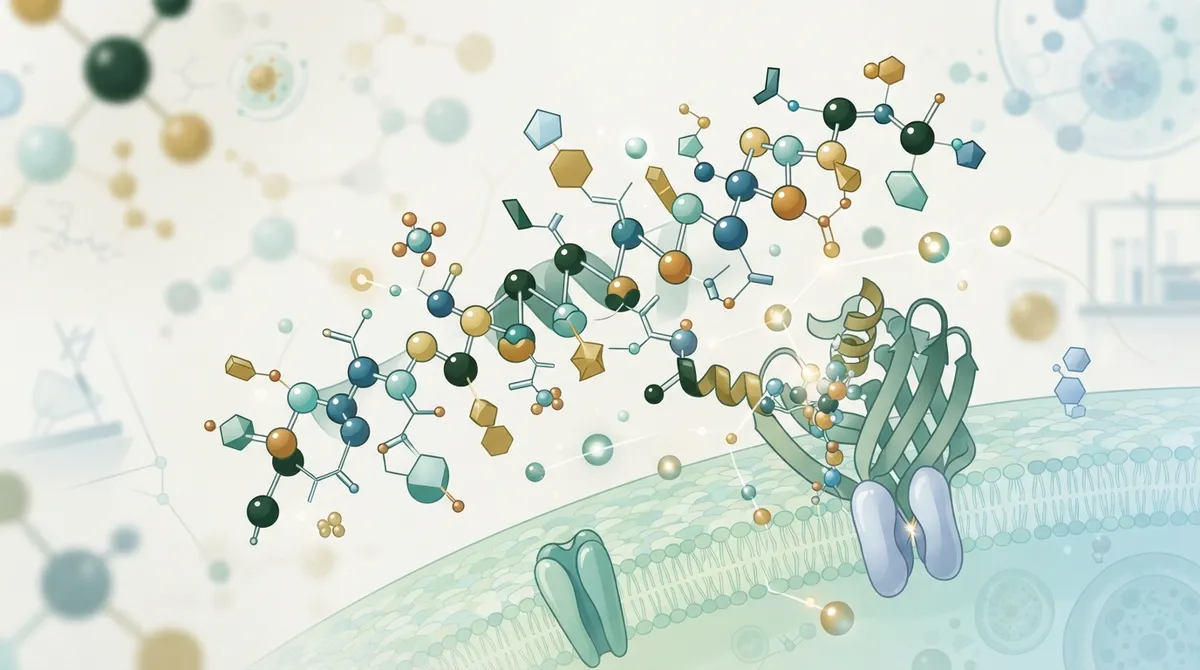
Peptides are short chains of amino acids. Amino acids are the same tiny pieces that make up proteins. When a few of them link together, you get a peptide. When hundreds link together, you get a protein.
Your body makes peptides all day long. Some act as hormones. Others act as messengers that tell your cells what to do. If you want a deeper primer, 8 Facts That Explain What Are Peptides in 2026 covers the basics, and this overview of what are peptides is a handy outside reference.
Peptides Your Body Already Makes
- Insulin: helps move sugar from your blood into your cells.
- Oxytocin: linked to bonding, trust, and social connection.
- Growth hormone releasing hormone: signals your pituitary gland to release growth hormone.
- Endorphins: help you feel good and manage discomfort.
So yes, the idea of a peptide is completely natural. But a peptide inside your body and a peptide in a vial are two different things. That gap is where the “natural” question gets tricky.
So, Is Peptide Therapy Natural?
Let’s answer this plainly. Peptide therapy is not automatically natural. The building blocks are natural, and many therapeutic peptides copy or mimic signals your body already uses. But the finished product is usually made in a lab.
A therapeutic peptide may be:
- Synthesized in a controlled lab setting.
- Changed slightly so it lasts longer in the body.
- Mixed into a formula that can be injected, applied, or taken by mouth.
That does not make it bad. It simply means “natural” is not the right test. A molecule that looks like something your body makes is not automatically safe, and a lab-made molecule is not automatically risky. Quality, evidence, and medical oversight matter far more.
Natural vs. Synthetic: Why the Label Can Mislead
We all love a good “natural” label. But think about it: poison ivy is natural, and so is a lot of things you would not want to rub on your skin. Meanwhile, insulin is made in a lab and has helped millions of people live healthier lives.
For peptides, the same lesson applies. A product’s origin story is less important than these questions:
- Is it approved by the FDA for the use being described?
- Is there solid research behind it?
- Was it made in a quality-controlled facility?
- Is a licensed clinician reviewing your health and labs?
| Factor | What “Natural” Suggests | What Actually Matters |
|---|---|---|
| Origin | Found in nature or the body | Purity, quality control, and consistent dosing |
| Safety | Gentle and low risk | Evidence, monitoring, and your health history |
| Effectiveness | Works the way the body does | Proven results for a specific goal |
| Oversight | Often assumed | FDA status and licensed medical supervision |
Peptide Therapy Is a Broad Term
Here is something many people miss. “Peptide therapy” is not one single treatment. It is an umbrella term that covers very different types of products.
Some are FDA-approved medicines. Others are compounded by pharmacies for individual patients. Still others are sold online as wellness or “research use only” items. Each group has different levels of evidence, oversight, and risk.
FDA-Approved Peptide Medicines
Some peptide medicines have gone through the full FDA review process. Examples include insulin and GLP-1 medicines such as semaglutide and tirzepatide. These were studied for specific uses, doses, and safety. They were not approved because they are natural. They were approved because the data supported them.
A 2025 review of FDA peptide approvals counted 34 peptide approvals from 2016 through 2024, depending on how the review defined a peptide drug. That shows how active this field has become. The FDA also approved elamipretide (Forzinity) in 2025 for certain patients with Barth syndrome, which is a good example of a peptide approved for one specific condition rather than general wellness.
Compounded Peptides
Compounded drugs are not FDA-approved. A compounding pharmacy may prepare a medicine for one patient when a prescriber sees a clinical need and the law allows it. That can be appropriate. But it does not come with the same premarket proof of safety, effectiveness, and manufacturing quality that FDA approval does.
If you want to explore this topic further, FDA-Approved vs. Compounded Peptides: What Wins? breaks down the differences in a friendly, practical way.
“Research Use Only” Products
You may spot peptides sold online with labels like “research use only.” These products are not proven safe for human use just because they are sold. Many peptides promoted for wellness, such as BPC-157, are not FDA-approved medicines. If you are curious, 9 BPC-157 Peptide Facts to Know Before You Start shares what to know first.
| Category | FDA Status | Evidence Level | Typical Oversight |
|---|---|---|---|
| FDA-approved peptide medicines | Approved for specific uses | Strong, from clinical trials | Prescription and monitoring |
| Compounded peptides | Not FDA-approved | Varies widely | Prescriber and pharmacy |
| “Research use only” products | Not for human use | Not established for people | Often none |
What the FDA Says About Safety Risks
Let’s talk safety, because it is the part that matters most. A 2024 FDA presentation on compounded peptides described the risk of immune reactions. Your body can sometimes react to a peptide product, and in rare cases that reaction can be serious, including life-threatening allergic reactions called anaphylaxis.
The same presentation noted that risk can be shaped by:
- The route of administration, since injectables can carry more immune concerns than oral forms.
- The formulation and how stable it is.
- Clumping of peptide molecules, known as aggregates.
- Impurities or contaminants in the product.
This is not meant to scare you. It is meant to show why “natural” is a weak safety guide. Quality and clinical oversight are the real protectors. For a full look at this, read Is Peptide Therapy Safe? What You Really Need to Know.
How Peptide Therapy Can Still Feel “Natural” to Your Body
Here is the good news. While the treatment is not strictly natural, many peptides work by supporting signals your body already understands. Instead of forcing a big change, they may nudge a process that has slowed down with age or stress.
For example, growth hormone releasing peptides are designed to encourage your own body to release growth hormone, rather than replacing it from outside. If that sounds interesting, Growth Hormone Peptides: What They Are & How They Work explains the idea, and Ipamorelin Peptide Therapy: Benefits, Dosing & Safety looks at one popular example.
This “supporting your own system” approach is what many people mean when they say peptides feel natural. It is a fair comparison, as long as we remember that similar to nature is not the same as proven safe.
Who Tends to Ask This Question?
The “is it natural?” question comes up for good reasons across many groups:
- Health optimizers want results without unnecessary risk.
- Aging adults want to keep vitality while staying careful about what goes in their bodies.
- Biohackers love data, so they want to know exactly what they are using.
- Busy professionals need something safe, simple, and easy to fit into a packed week.
- Wellness seekers already take supplements and want to know how peptides compare.
Whichever group you fall into, the best move is the same: look past the label and ask for the details.
How to Judge a Peptide Product (Beyond “Natural”)
Instead of asking “is this natural?”, try these steps. They work for any peptide you are curious about.
- Check the regulatory status. Is it an FDA-approved medicine, a compounded preparation, or a research chemical? Learn how in How to Verify FDA Approval Before Peptide Therapy.
- Look at the evidence. Ask what studies support the use you have in mind, and be wary of big promises with little data.
- Confirm who made it. Quality manufacturing and testing matter, especially for injectables.
- Get a licensed clinician involved. A real provider can review your history, medications, and labs before anything is prescribed.
- Plan for monitoring. Good care includes follow-ups and adjustments, not a one-and-done approach.
If you are just starting out, How to Get Prescription Peptides Safely in 2026 walks through the process step by step.
Why Medical Supervision Beats Guesswork
Many people turn to the internet for peptides because it feels fast and easy. But without a clinician, you are guessing at doses, sources, and safety. That is where problems can start.
A well-run program starts with labs. Blood work shows what your body actually needs, so your plan is built around your numbers, not a trend. That is why the best programs treat testing as step one. You can learn more in 5 Blood Work Analysis Steps Before Peptides in 2026.
Personalization matters too. Two people can take the same peptide and get very different results. That is why Why Do Customized Wellness Programs Beat Generic Peptides? is worth a read.
A Better Question Than “Is It Natural?”
Instead of focusing on the word natural, here is a more helpful set of questions to bring to your provider:
- Is this specific product approved, compounded, or experimental?
- What evidence supports it for my goal?
- What are the possible side effects, and how will we watch for them?
- How will my labs guide my plan?
- What happens if I do not respond well?
A trustworthy provider will welcome these questions. In fact, they should be glad you asked.
How Allura Longevity Approaches Peptide Therapy
At Allura Longevity, the focus is on personalized, medically supervised care rather than buzzwords. Clients begin with a $50 virtual consultation, complete blood work through LabCorp, and receive a customized six-month treatment plan delivered right to their home. Licensed providers, led by Ashley, a board-certified Family Nurse Practitioner, monitor progress and adjust the plan as your body responds.
The service is built for real life, so you do not need to take time off work or sit in a waiting room. Care is available through telehealth, and Allura is licensed in Florida, Georgia, Texas, Connecticut, Indiana, Maryland, New York, and California. Whether you are exploring peptides for women or peptides for men, the approach starts with your labs and your goals.
If you want to see how the process fits into a busy schedule, How to Start Peptide Therapy Safely and See Real Results is a great place to begin.
Setting Realistic Expectations
One last friendly reminder: peptide therapy is not magic. Results depend on the peptide, your health, your lifestyle, and how consistent you are. Some people notice changes in energy or sleep within weeks, while others need more time. For a grounded look at timing, see How Long for Peptide Therapy Results? A Real Timeline.
Also remember that a healthy foundation helps everything work better. Good sleep, steady movement, quality nutrition, and stress care make any plan stronger. Peptides work best as one part of a bigger picture.
The Bottom Line
So, is peptide therapy natural? Peptides themselves are natural parts of your body, but peptide therapy as a treatment is a medical approach that often uses lab-made or modified molecules. That is perfectly fine, as long as the product is high quality, backed by evidence, and guided by a licensed clinician.
Do not let the word “natural” make your decisions for you. Look for clear regulatory status, honest evidence, personalized testing, and ongoing monitoring. Those are the real signs of safe, smart care.
Ready to explore a plan built around your labs and your goals? Spots for new clients are limited each month, so request a consultation with Allura Longevity today, or call (813) 510-6277. For more background on the science, the National Library of Medicine offers helpful peptide research. We would love to help you take your next step with confidence.
FAQs
Q: Is peptide therapy considered natural?
A: Not exactly. Peptides are natural building blocks that your body makes, but therapeutic peptides are often synthesized or modified in a lab. What matters most is whether a product is FDA-approved or properly prescribed, backed by evidence, and guided by a licensed clinician.
Q: Are synthetic peptides different from natural peptides?
A: Some synthetic peptides copy the structure of peptides your body makes, while others are changed to last longer or work better. A close match to a natural peptide does not automatically make a product safe, so quality and medical oversight still matter.
Q: Are peptide therapies FDA-approved?
A: Some are, and some are not. Medicines like insulin, semaglutide, and tirzepatide are FDA-approved for specific uses, while many peptides sold for wellness, including BPC-157, are not approved medicines. Approval applies to a specific product and use, so always ask your provider about the status.
Q: Are peptides sold for research use safe for people?
A: No, a “research use only” label does not mean a product is safe for human use. These items are not established as safe for people, so it is much wiser to work with a licensed clinician who can guide you toward appropriate, regulated options.
Q: Are injectable peptides safe?
A: Injectable peptides can be used safely under proper medical care, but the FDA has pointed out risks for compounded products, such as immune reactions, impurities, and formulation problems. Working with a licensed provider, using quality-tested products, and getting regular monitoring all help lower those risks.





