
Key Takeaways
-
Hormone pellets release bioidentical hormones over 3-6 months but cannot be easily adjusted or removed if side effects occur, unlike daily pills or peptide therapy which allows monthly adjustments.
-
Scientific evidence supporting hormone pellet therapy is limited with insufficient pharmacokinetic data, and compounded pellets are not FDA-approved, making peptide therapy a potentially safer alternative with more targeted research.
-
Hormone pellet therapy costs $1,200-$2,400 annually versus peptide therapy at $150-$500 monthly, so compare total costs and ongoing monitoring requirements before committing to either treatment approach.
-
Hormone pellets work by directly replacing hormones in your body, while peptides are messenger molecules that signal your body to regulate its own hormone production more naturally and efficiently.
-
Before starting any hormone treatment, get comprehensive blood work to identify current hormone levels and work with a licensed provider who offers ongoing monitoring rather than one-time insertions.
-
Common symptoms prompting pellet therapy include persistent fatigue, low sex drive, brain fog, hot flashes, and weight gain resistant to diet and exercise, affecting many people in midlife.
If you have been feeling tired, foggy, or just not like yourself, you have probably searched for answers online. Somewhere in that search, you likely bumped into the term hormone pellet therapy. It sounds promising, and it is a popular option many clinics talk about. But before you book anything, it helps to understand exactly what it is, how it compares to other treatments like what are peptides, and whether it truly fits your goals.
This guide breaks it all down in plain language. We will cover how hormone pellet therapy works, what it costs, the risks worth knowing, and how it differs from peptide therapy. Whether you are a busy professional, a biohacker who loves data, or someone simply trying to feel like yourself again, this article will help you make a confident, informed decision.
What Is Hormone Pellet Therapy?
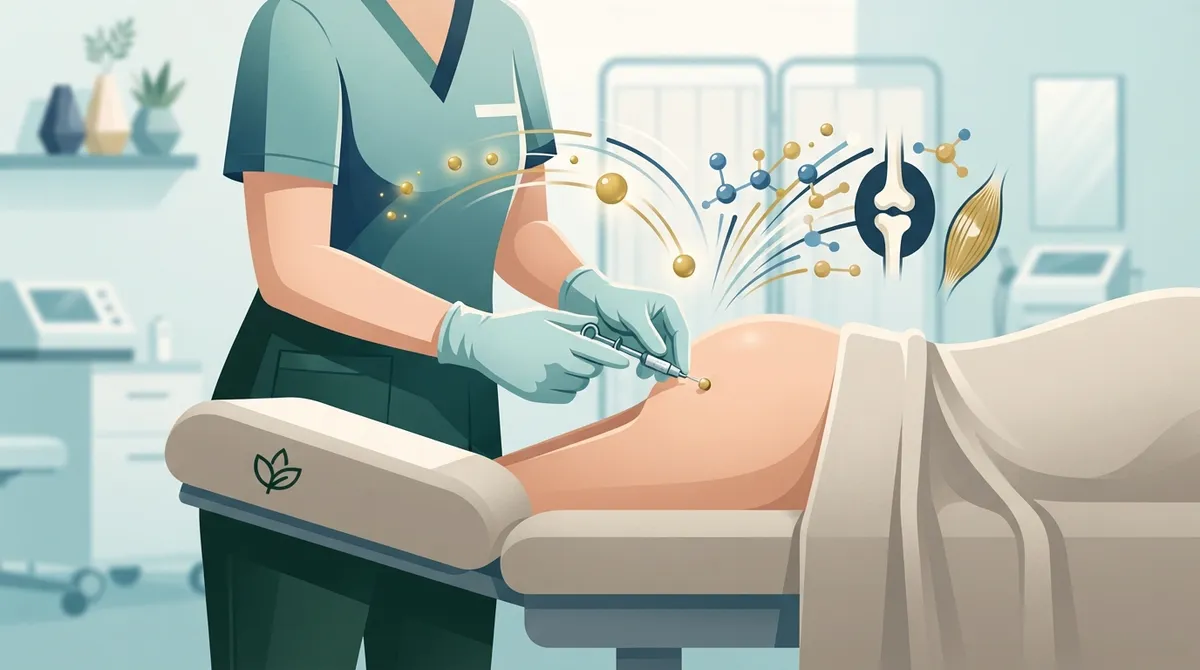
Hormone pellet therapy is a treatment where small pellets, about the size of a grain of rice, are placed under your skin. These pellets slowly release bioidentical hormones like estrogen or testosterone into your bloodstream over several months. The idea is simple: instead of taking a pill every day or applying a cream, you get a steady hormone dose without daily effort.
Bioidentical hormones are made to match the hormones your body naturally produces. They are often custom-compounded for each patient based on lab results. This is why hormone pellet therapy is frequently marketed as a personalized approach to fixing hormone imbalances.
It is usually done in a clinician’s office. A small incision is made, the pellet is inserted, and the area heals within a few days. No daily pills. No weekly injections. Just a quiet release of hormones that continues for months.
How the Pellets Work Inside Your Body
Once inserted, the pellet slowly dissolves. As it breaks down, it releases hormones directly into your bloodstream. This continues gradually, often for three to six months, depending on the dose and your body’s metabolism.
Because the release is gradual, some people like that they do not have to remember daily doses. However, this also means you cannot easily adjust the dose once it is in. If your body reacts poorly, there is no quick way to stop it. You simply wait it out or have it surgically removed.
Is Hormone Pellet Therapy the Same as Peptide Therapy?
This is one of the most common questions people ask, and the answer is no. They work in completely different ways.
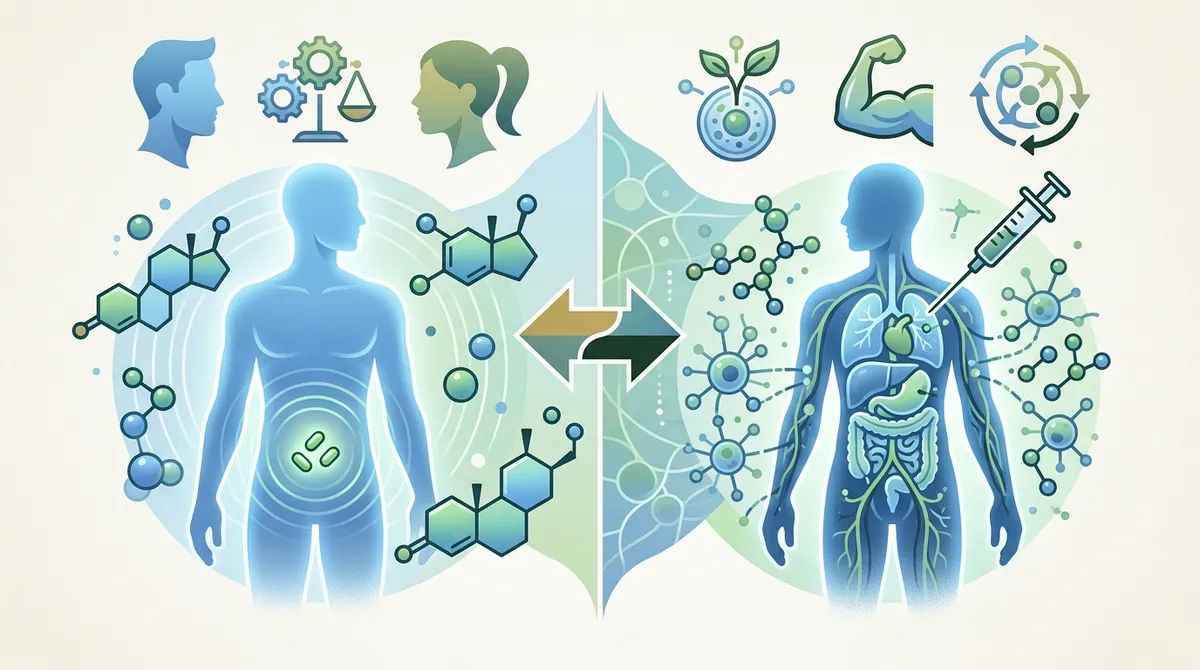
Hormone pellet therapy replaces hormones directly. It puts more estrogen or testosterone into your body because your natural levels are low. Peptide therapy works differently. Peptides are short chains of amino acids that act like tiny messengers. They signal your body to do something, like produce more growth hormone naturally, repair tissue, or regulate metabolism.
Think of it this way: hormone pellets are like adding fuel directly to your tank. Peptides are like sending a message to your engine telling it to run more efficiently. Both can support energy, mood, and vitality, but the mechanism is different.
If you want to dig deeper into how peptides actually function in the body, this article on 8 Facts That Explain What Are Peptides in 2026 is a great place to start.
Key Differences at a Glance
| Feature | Hormone Pellet Therapy | Peptide Therapy |
|---|---|---|
| Mechanism | Directly replaces hormones | Signals body to regulate its own processes |
| Delivery | In-office insertion under skin | Often at-home injections |
| Dose Adjustment | Difficult once inserted | Easier to adjust monthly |
| FDA Status | Compounded pellets not FDA-approved | Varies by peptide |
| Typical Duration | 3 to 6 months per pellet | Ongoing monthly protocols |
Who Considers Hormone Pellet Therapy?
Most people who explore this option are dealing with symptoms tied to hormone imbalance. This includes women going through menopause and men noticing signs of low testosterone. Common symptoms that lead people to research pellet therapy include:
- Persistent fatigue that does not improve with sleep
- Low sex drive or changes in sexual wellness
- Mood swings, irritability, or brain fog
- Hot flashes or night sweats in women
- Loss of muscle mass or strength in men
- Weight gain that feels resistant to diet and exercise
If any of these sound familiar, you are not alone. Many people in midlife experience these changes and want a solution that does not require thinking about it every day.
Important Considerations Before Choosing Pellets
Before committing, it helps to weigh the pros and cons honestly. Here is a simple breakdown:
| Pros | Cons |
|---|---|
| Low daily maintenance | Requires minor surgical insertion |
| Steady hormone release | Hard to adjust dose once placed |
| Popular for menopause and low T | Limited high-quality safety research |
| Convenient for busy schedules | Not FDA-approved as compounded products |
What Does the Science Actually Say?
Here is where things get important. While hormone pellet therapy is popular, the scientific evidence supporting it is still limited. A recent critical review found that the quality of evidence for compounded hormonal pellets is low or simply missing. Pharmacokinetic data, which shows how a drug moves through your body, remains insufficient too, according to findings summarized by the National Library of Medicine.
This does not mean pellet therapy cannot help some people. It means the science is still catching up. It also means the compounded pellets used in most clinics are not FDA-approved, since compounding pharmacies create custom doses that are not tested the same way mass-produced medications are.
This is a big reason many people now look into peptide therapy as an alternative or complement. Peptides work with your body’s own signaling systems, and many specific peptides have more targeted research behind their use for energy, recovery, and metabolic support.
Common Concerns and Risks
Like any medical treatment, hormone pellet therapy is not without risks. Some things to keep in mind include:
- Infection or irritation at the insertion site
- Hormone levels that spike too high right after insertion, then decline unevenly
- Inability to quickly reverse treatment if side effects occur
- Limited long-term safety data compared to FDA-approved hormone therapies
- Cost that adds up over repeated insertions throughout the year
None of this means you should avoid hormone therapy altogether. It simply means you deserve full information and a provider who monitors your levels closely.
How Much Does Hormone Pellet Therapy Cost?
Cost is often one of the first questions people ask, and it makes sense. This is a long-term commitment, not a one-time expense.
According to industry pricing data, hormone pellet therapy typically costs between $300 and $600 every three to six months. Over a year, that adds up to roughly $1,200 to $2,400 for pellets alone, not including consultation fees, lab work, or follow-up visits. One consumer medical source estimated the average annual cost at around $1,536, though this varies widely by provider and location.
Compare that to peptide therapy protocols, which often run about $150 to $500 per month depending on the specific peptide and your goals. Some specialized peptides can exceed $1,000 per month, but many affordable options exist depending on what you are targeting, whether that is fat loss, muscle gain, or energy support.
Cost Comparison Table
| Treatment Type | Typical Cost Range | Frequency |
|---|---|---|
| Hormone Pellet Therapy | $300–$600 per insertion | Every 3–6 months |
| Annual Pellet Cost | $1,200–$2,400 | Per year |
| Peptide Therapy Protocols | $150–$500 per month | Monthly |
To avoid overspending on any hormone-related treatment, it helps to understand common pricing traps. This article on 6 Hormone Therapy Cost Mistakes That Drain Your Wallet walks through what to watch for.
The Growing Demand for Hormone-Based Treatments
Interest in hormone pellet therapy has grown significantly. The global hormone pellet therapy market was valued at roughly $183 billion in 2025 and is projected to reach $326 billion by 2033, growing at a rate of 7.55% annually. Another market analysis estimated the sector at $1.2 billion in 2024, rising to $2.5 billion by 2033 at an 8.8% growth rate.
These numbers show one thing clearly: more people are seeking hormone support than ever before. But bigger market size does not always mean better science or safer options for you personally. It simply means demand is high, and that is exactly why choosing a licensed, experienced provider matters so much.
Steps to Take Before Starting Any Hormone Treatment
Whether you are leaning toward pellets, peptides, or a combination approach, preparation matters. Here is a simple path forward:
- Get comprehensive blood work done to understand your current hormone levels
- Schedule a consultation with a licensed provider who reviews your full health history
- Ask directly about FDA approval status for any compounded product you are considering
- Compare costs, monitoring requirements, and adjustment flexibility between treatment types
- Choose a provider who offers ongoing monitoring, not a one-time insertion with no follow-up
This process protects you from guessing and helps ensure your treatment plan actually matches your body’s needs.
Why Personalized Peptide Therapy Is Worth Exploring
At Allura Longevity, the approach is different from a one-size-fits-all pellet insertion. Every client starts with a $50 virtual consultation, followed by full blood work through LabCorp. From there, licensed providers, led by board-certified Family Nurse Practitioner Ashley, build a customized six-month treatment plan based on your actual lab results and goals.
Instead of a fixed pellet you cannot adjust, peptide therapy through telehealth allows ongoing monitoring and flexible adjustments as your body responds. Treatments are shipped directly to your home, making it easy to fit into a busy schedule without office visits every few months. If you are curious how this compares to traditional hormone approaches, this guide on How to Choose Between Bioidentical Hormones and Peptides offers helpful clarity.
For men specifically dealing with low testosterone symptoms, it is worth reviewing peptides for men options, while women navigating menopause-related changes may find value in exploring peptides for women designed around female hormone health.
Making the Right Choice for Your Body
There is no universal right answer here. Some people do well with hormone pellet therapy and appreciate the low daily effort. Others prefer the flexibility and targeted signaling approach that peptide therapy offers. The best choice depends on your symptoms, your goals, and how involved you want to be in adjusting your own treatment over time.
What matters most is working with a provider who takes your lab results seriously and adjusts your plan as your body changes. Guessing your way through hormone health rarely ends well. Personalized, monitored care almost always leads to better outcomes.
If weight management is part of your goals alongside hormone balance, you might also find value in learning How to Lose Weight With Peptide Therapy in 2026, since metabolism and hormone health are closely connected.
Final Thoughts on Hormone Pellet Therapy
Hormone pellet therapy offers a low-maintenance way to address hormone imbalance, but it comes with real tradeoffs. Limited scientific evidence, lack of FDA approval for compounded pellets, and difficulty adjusting doses are all worth careful thought. Peptide therapy offers an alternative path that works with your body’s natural signaling systems, often with more flexibility and ongoing monitoring built in.
Your hormone health deserves more than guesswork. It deserves a plan built around your actual blood work, your specific goals, and a provider who checks in regularly to make sure things are working the way they should. That is exactly the kind of care Allura Longevity was built to provide, with licensed telehealth support available across Florida, Georgia, Texas, Connecticut, Indiana, Maryland, New York, and California.
Ready to find out what your body actually needs? Request a consultation today and take the first step toward feeling like yourself again. Spots are limited each month, so do not wait too long to get started.
FAQs
Q: What is hormone pellet therapy?
A: Hormone pellet therapy is a treatment where tiny pellets containing bioidentical hormones are inserted under your skin. They slowly release hormones like estrogen or testosterone over several months, giving your body a steady supply without daily dosing.
Q: Is hormone pellet therapy the same as peptide therapy?
A: Nope, they are quite different, and that is a common mix-up! Hormone pellets replace hormones directly, while peptide therapy uses signaling molecules that encourage your body to regulate itself naturally.
Q: Is hormone pellet therapy FDA-approved?
A: This is such an important question to ask your provider. Compounded hormone pellets are generally not FDA-approved, since compounding pharmacies create custom doses that skip standard drug approval testing.
Q: How much does hormone pellet therapy cost?
A: Most people pay around $300 to $600 per insertion, which usually adds up to $1,200 to $2,400 per year. Costs can vary depending on your provider, location, and any added monitoring services.
Q: Who is a good candidate for hormone pellet therapy?
A: People experiencing menopause symptoms or low testosterone often consider this option. That said, everyone’s body is different, so it truly helps to get personalized blood work and guidance before deciding what is right for you.





