
Key Takeaways
-
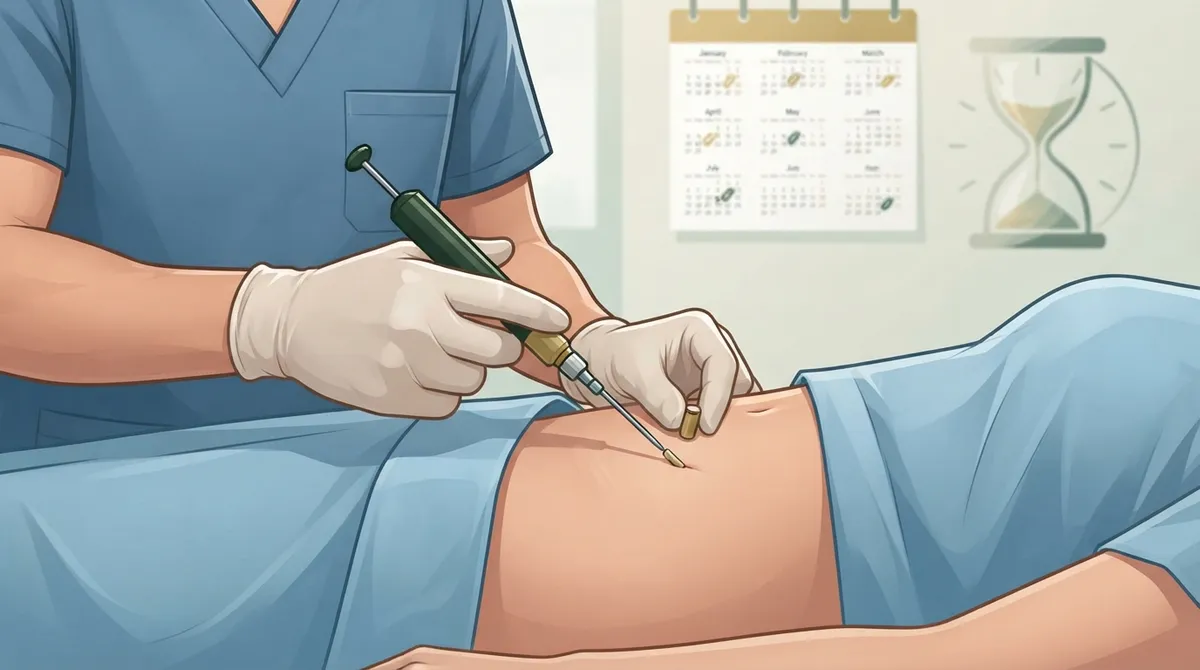
Testosterone pellets last 3-6 months per insertion, requiring only 2-4 clinic visits yearly compared to weekly injections or daily gels, making them ideal for men with busy schedules.
-
Dosing varies significantly between individuals; research shows 10 pellets (750 mg) often produces more stable hormone levels than older guidelines of 3-6 pellets, so personalized bloodwork and provider expertise are critical.
-
Testosterone therapy can reduce fertility by suppressing natural testosterone and sperm production, making it essential to discuss family planning goals with your provider before starting treatment.
-
The insertion procedure takes under 30 minutes with local anesthesia, same-day discharge, and minimal discomfort, but choosing an experienced provider dramatically reduces risks of infection, extrusion, and inconsistent hormone absorption.
If you’ve been feeling tired, foggy, or just not like yourself lately, you’re not alone. Millions of men deal with low testosterone every year, and many are turning to testosterone pellets for men as a simple, low-maintenance solution. But before you book that appointment, you deserve to know exactly what these tiny implants do, how they work, and whether they’re the right fit for your health goals.
This guide breaks down everything in plain language. We’ll cover how pellets are placed, what they cost you in time and side effects, and how they compare to other options like injections. We’ll also touch on how testosterone therapy fits into a bigger picture of hormone health, alongside tools like what are peptides and how they support men’s wellness. Grab a coffee, get comfortable, and let’s walk through this together.
1. What Testosterone Pellets Actually Are
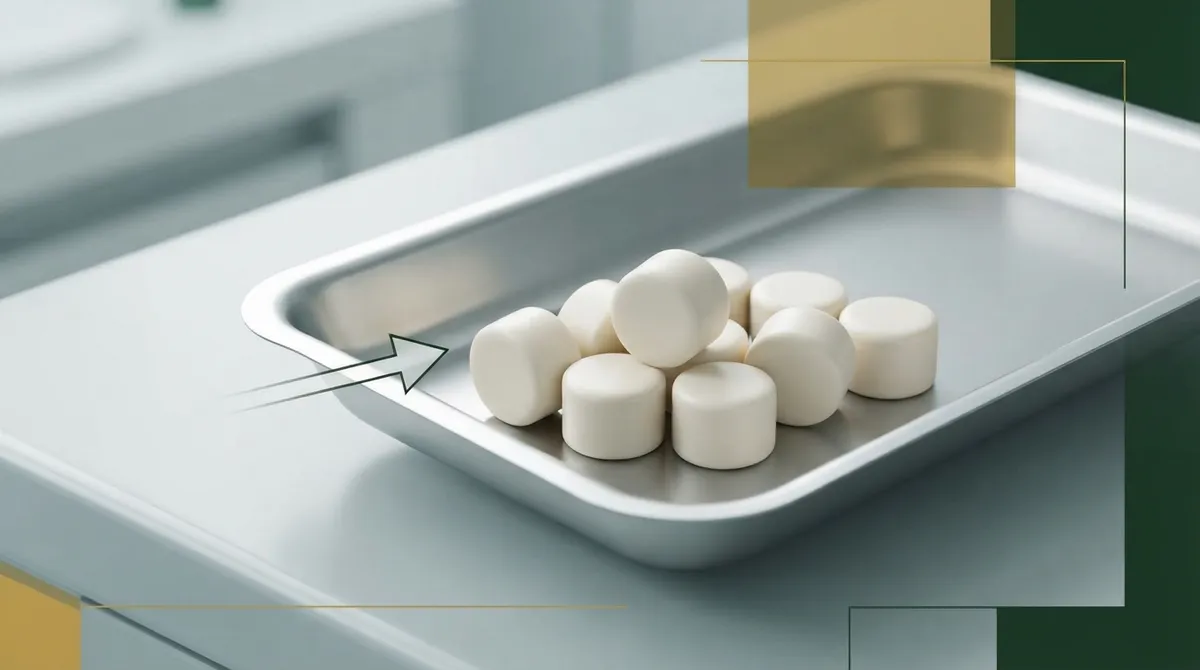
Testosterone pellets are tiny, rice-sized implants placed under your skin. They slowly release testosterone into your bloodstream over several months. Think of them like a time-release capsule, except instead of swallowing it, a provider inserts it just under the skin.
They’re designed for men with confirmed low testosterone, also called hypogonadism. This isn’t about chasing extra muscle for fun. It’s about restoring your hormone levels back to a normal, healthy range.
2. How the Insertion Procedure Works
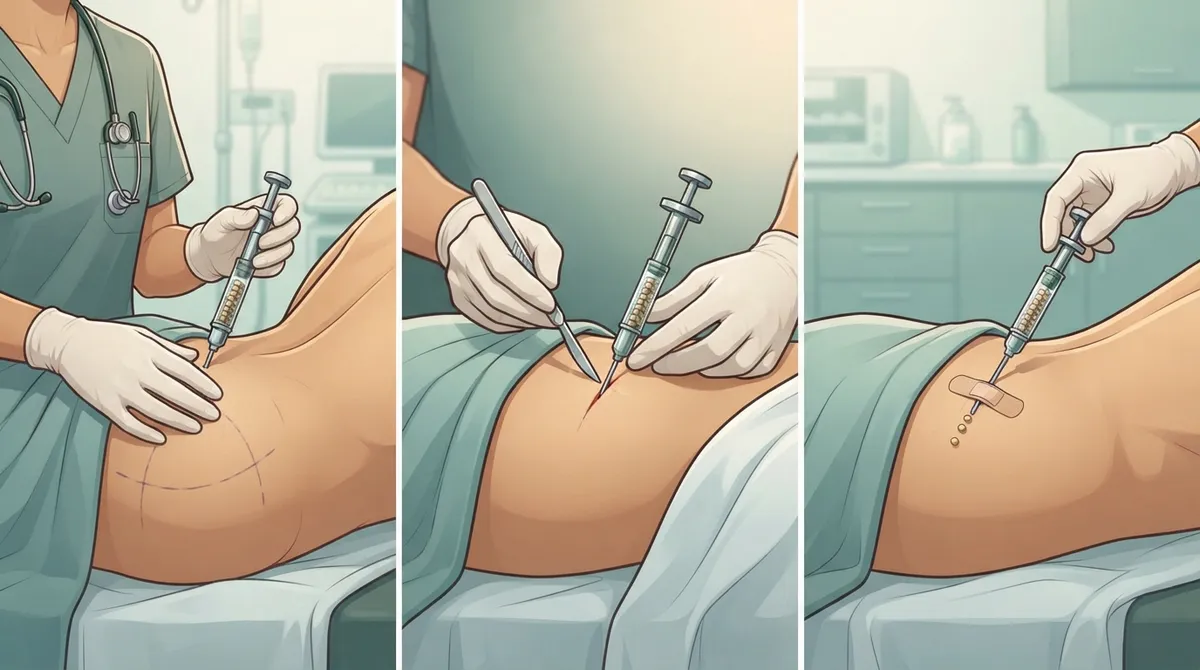
The process is quicker and simpler than most men expect. Here’s what typically happens during your appointment:
- Your provider numbs a small area, usually on your hip or buttock, with local anesthesia.
- A tiny incision is made, just big enough to insert the pellets.
- The pellets are placed under the skin using a special tool.
- The incision is closed with a small bandage or steri-strip, no stitches needed.
- You rest for a few minutes, then head home the same day.
Most men describe mild discomfort, similar to a bruise, rather than sharp pain. The whole visit usually takes less than 30 minutes.
3. How Long Testosterone Pellets Actually Last
This is one of the biggest draws for busy men. Pellets release testosterone gradually for about 3 to 6 months before you need a refill. According to UCSF Transgender Care, pellets are commonly replaced every 3 months, though some patients stretch it to 6 months depending on how their body responds.
That means instead of daily gels or weekly injections, you’re looking at just two to four visits a year. For men juggling packed schedules, that convenience matters a lot.
4. Is Testopel FDA Approved?
Yes. Testopel is the FDA-approved testosterone pellet product available for men with diagnosed testosterone deficiency. Each Testopel pellet contains 75 mg of testosterone, and your provider will determine how many pellets you need based on your labs and symptoms.
FDA-approved dosing guidance ranges from 150 to 450 mg every 3 to 6 months. However, real-world practice often looks a little different, which brings us to our next point.
5. Why Pellet Dosing Varies So Much
Here’s something many men don’t know. A clinical review found that 10 pellets, totaling 750 mg, often produced more stable and reliable testosterone levels than the older recommended range of just 3 to 6 pellets. This means dosing isn’t one-size-fits-all.
Your body composition, metabolism, and baseline hormone levels all play a role in how much you’ll need. That’s why working with a provider who reviews your bloodwork carefully is so important, rather than following a generic protocol.
6. The Benefits Men Actually Notice
Most guys don’t come in chasing lab numbers. They come in because they don’t feel like themselves anymore. Common improvements reported with testosterone therapy include:
- Better energy throughout the day
- Improved mood and reduced irritability
- Higher sex drive and performance
- Increased muscle mass and strength
- Better stamina during workouts and daily activities
- Sharper focus and mental clarity
It’s worth noting these benefits are generally framed as symptom relief for men who are genuinely deficient, not a magic performance boost for everyone.
7. Testosterone Pellets vs. Injections: A Side-by-Side Look
| Feature | Testosterone Pellets | Testosterone Injections |
|---|---|---|
| Frequency | Every 3-6 months | Weekly or bi-weekly |
| Hormone levels | Steady, gradual release | Peaks and valleys between doses |
| Administration | In-office minor procedure | Self-injection or clinic visit |
| Convenience | Very low maintenance | Requires regular routine |
| Adjustability | Harder to adjust mid-cycle | Easier to fine-tune dose |
Neither option is universally “better.” It really comes down to your lifestyle, how you respond, and what your provider recommends after reviewing your labs.
8. Potential Side Effects to Know About
No treatment is without risk, and pellets are no exception. Being informed helps you make a confident decision. Possible side effects include:
- Bruising or swelling at the insertion site
- Minor bleeding right after the procedure
- Infection risk, though uncommon with proper care
- Pain or tenderness near the implant area
- Pellet extrusion, where it works its way out of the skin
- Inconsistent absorption leading to insufficient hormone levels
Most side effects are mild and temporary. Still, choosing an experienced, licensed provider dramatically lowers your risk.
9. Who Makes a Good Candidate
Testosterone pellet therapy isn’t for every man with low energy. Good candidates typically include those who:
- Have bloodwork confirming low testosterone levels
- Experience real symptoms like fatigue, low libido, or mood changes
- Have ruled out other causes of their symptoms
- Want a low-maintenance treatment schedule
- Are not currently trying to conceive a child
A proper diagnosis always starts with lab testing, not guesswork. This is exactly why programs built around personalized bloodwork, like those offered through peptides for men, focus so heavily on data before recommending any protocol.
10. The Fertility Conversation Nobody Talks About Enough
This one surprises a lot of men. Testosterone therapy, including pellets, can reduce fertility. It works by signaling your body to slow down its own natural testosterone and sperm production.
If you’re planning to have children soon, this is a critical conversation to have with your provider first. There are alternative approaches that support hormone health without the same fertility trade-off.
11. How Pellets Fit Into a Bigger Wellness Picture
Testosterone is a hormone, not a peptide, but it often gets discussed alongside peptide therapy because both aim to restore your body’s natural balance. Many men pair hormone optimization with peptides that support recovery, sleep, and metabolism for a more complete approach.
For example, some men explore peptides for energy that actually work alongside their hormone plan. Others look into recovery-focused options detailed in resources like 9 BPC-157 Peptide Facts to Know Before You Start. The goal is always the same: feeling like your best self again, not just chasing one number on a lab report.
12. Why Bloodwork Matters More Than You Think
You can’t fix what you haven’t measured. Accurate diagnosis requires a full lab panel, not just a single testosterone number. Providers typically look at:
- Total and free testosterone levels
- Estradiol and other hormone markers
- Complete blood count (CBC)
- PSA levels for prostate health
- Liver and kidney function
This is where a thoughtful, guided approach really pays off. Learning how to start peptide therapy safely and see real results starts with understanding your own numbers, not just symptoms.
13. Telehealth Makes Getting Started Easier Than Ever
Gone are the days of taking half a day off work just to sit in a waiting room. Telehealth has changed the game for busy professionals and anyone juggling a packed calendar. You can complete labs locally, then handle consultations and follow-ups from your phone or laptop.
This is exactly the model Allura Longevity uses to support men and women nationwide. Clients start with an affordable virtual consultation, complete labs through LabCorp, and receive a customized six-month plan shipped right to their door. It’s a far cry from the old-school clinic model, and it fits real life a lot better.
14. Comparing Local Clinics vs. Telehealth Options
| Factor | Local Clinic | Telehealth Provider |
|---|---|---|
| Convenience | Requires in-person visits | Consultations from home |
| Wait times | Often longer scheduling | Faster appointment access |
| Follow-up care | Varies by clinic | Ongoing monitoring built in |
| Personalization | Depends on provider | Based on individualized bloodwork |
If you’re curious how these two models compare in more depth, this breakdown of local clinic vs. telehealth best peptide therapy near you is worth a read.
15. Questions Worth Asking Before You Commit
Before choosing testosterone pellets, or any hormone therapy, ask your provider these key questions:
- What does my complete lab panel actually show?
- How many pellets will I need, and why?
- What symptoms should improve first, and when?
- What side effects should I watch for at home?
- How will my dosage be adjusted over the next six months?
A trustworthy provider will welcome these questions, not brush past them. According to the National Library of Medicine, individualized monitoring is essential for safe, effective hormone therapy outcomes.
Finding the Right Support for Your Hormone Health Journey
Low testosterone isn’t something you have to just live with, and you definitely don’t have to figure it out alone. Whether pellets, injections, or a combined peptide approach ends up being right for you, the most important step is getting real answers from real bloodwork.
Allura Longevity makes that first step simple. With a $50 virtual consultation, LabCorp testing, and a personalized six-month plan led by board-certified provider Ashley, you get expert guidance without the hassle of in-person visits. Spots are limited each month, so if you’ve been putting off addressing your energy, mood, or libido concerns, now’s a great time to stop waiting. Request a consultation today and take the first real step toward feeling like yourself again.
FAQs
Q: What are testosterone pellets for men?
A: They’re tiny implants placed under your skin that slowly release testosterone over several months. It’s a low-maintenance way to treat confirmed low testosterone without daily gels or weekly shots.
Q: How long do testosterone pellets last?
A: Most pellets last about 3 to 6 months before you need a refill. Some men go closer to 3 months, while others stretch it to 6, depending on how their body responds.
Q: Are testosterone pellets FDA approved?
A: Yes! Testopel is the FDA-approved pellet option, with each pellet containing 75 mg of testosterone. Your provider will decide how many you need based on your specific bloodwork.
Q: Do testosterone pellets affect fertility?
A: They can, since testosterone therapy often slows down your body’s natural sperm production. If you’re planning to grow your family soon, definitely chat with your provider about alternatives first.
Q: What’s the difference between testosterone pellets and injections?
A: Pellets give you a slow, steady release over months with fewer visits, while injections are more frequent but easier to adjust. It really comes down to your lifestyle and how your body responds.





