

Key Takeaways
-
Always require proper testing before hormone therapy: get a full blood panel, confirm low testosterone with a second early-morning test, and rule out other causes like sleep apnea, thyroid issues, anemia, and depression before starting treatment.
-
Testosterone therapy doesn't reliably fix fatigue even in men with confirmed low testosterone; research shows it often doesn't beat placebo for energy, so manage expectations and discuss realistic outcomes with your provider upfront.
-
Fatigue alone is not enough to diagnose low testosterone; clinical guidelines require matching persistent symptoms with consistently low blood levels (typically below 300 ng/dL), not just a feeling of being tired.
-
Proper testosterone testing requires early-morning fasting blood draws and a second confirmatory test on a separate day, plus checks of free testosterone, LH, and FSH to identify where the problem originates.
-
Peptide therapies like CJC-1295 and ipamorelin for fatigue lack solid human research and established safety profiles; they should only be considered as part of a supervised, personalized plan, not standalone solutions.
-
Before starting hormone therapy, providers must screen for contraindications including sleep apnea, prostate/breast cancer history, blood clotting disorders, and heart conditions, plus establish ongoing monitoring with regular bloodwork.
Feeling wiped out by 2 p.m. even after a full night’s sleep? You’re not alone. So many men tell us the same story: low energy, brain fog, and a nagging feeling that something is just off. It’s easy to blame it on hormones and jump straight to a solution. But here’s the thing we want you to know before anything else: hormone therapy for fatigue men should always start with real testing, not guesswork.
At Allura Longevity, we believe in getting to the root of the problem before treating anything. Fatigue can come from dozens of places, and testosterone is just one piece of a much bigger puzzle. This guide walks you through exactly how to approach fatigue the smart way, using proper lab work, honest expectations, and personalized care. Let’s dig in together.
Why Fatigue Alone Doesn’t Mean Low Testosterone
Feeling tired all the time is frustrating, but it’s also very common. The tricky part is that fatigue by itself doesn’t point to one clear cause. Clinical guidelines are pretty clear on this: doctors should only diagnose low testosterone when symptoms line up with consistently low blood levels, not just a feeling of being tired.
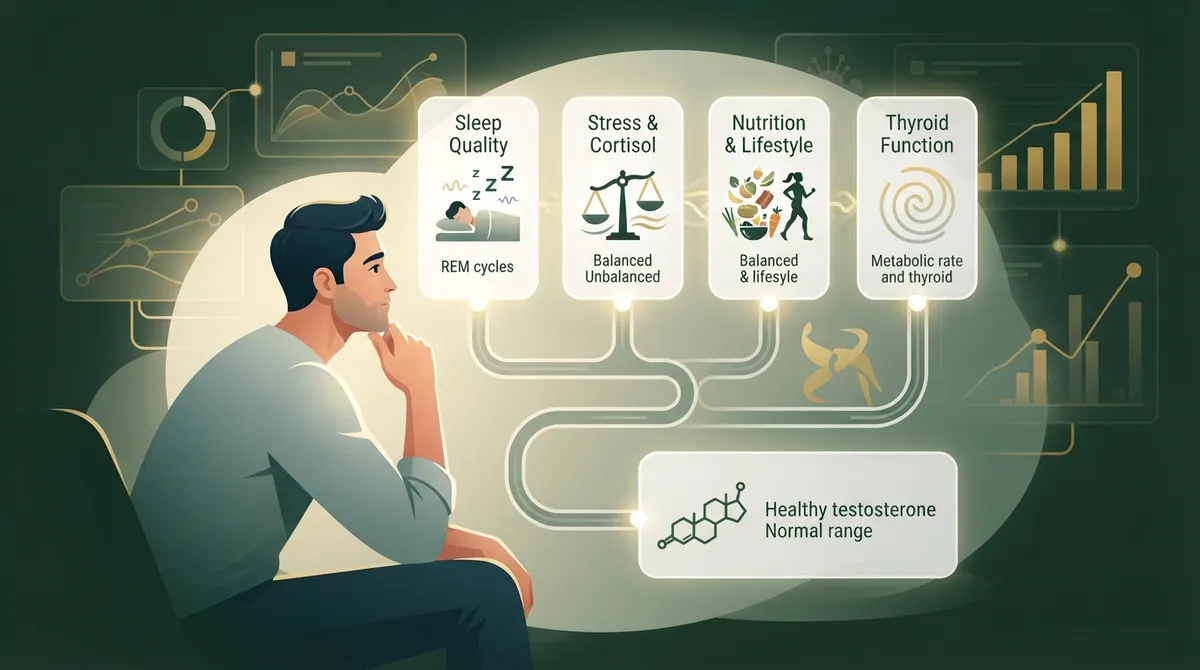
This matters because so many other things can drain your energy. Before jumping to hormone therapy, it’s worth ruling out or addressing these common culprits:
- Poor sleep quality or undiagnosed sleep apnea
- Depression or chronic stress
- Low iron levels or anemia
- Thyroid problems
- Type 2 diabetes or blood sugar swings
- Side effects from medications
- Carrying extra weight or being out of shape
- Overtraining without enough recovery
If you’ve been dealing with any of these along with fatigue, they deserve attention too. A good provider looks at the whole picture, not just one hormone level. This is exactly why our team reviews full blood panels, not just testosterone, before recommending any plan.

What Testosterone Testing Should Actually Look Like
If you suspect low testosterone is part of your fatigue puzzle, testing needs to be done right. Here’s the step-by-step process that responsible providers follow.
Step 1: Get an Early-Morning Fasting Test
Testosterone levels naturally peak in the morning and drop throughout the day. That’s why blood should be drawn early, ideally while fasting, to get an accurate baseline reading.
Step 2: Confirm With a Second Test
One low reading isn’t enough to confirm anything. Clinical guidelines recommend a second early-morning test on a separate day before making any diagnosis. This helps rule out normal daily fluctuations.
Step 3: Check Free Testosterone if Needed
If your total testosterone is borderline, or if your sex hormone-binding globulin levels look unusual, your provider may also check free testosterone. This gives a clearer picture of how much active hormone your body actually has available.
Step 4: Investigate the Root Cause
Low testosterone can start in the testes or in the brain’s signaling system. Providers often check luteinizing hormone (LH) and follicle-stimulating hormone (FSH) to figure out where the problem begins. In some cases, prolactin levels and pituitary health are checked too.
This kind of thorough testing is exactly what you’ll get through a personalized plan at Allura Longevity, where blood work through LabCorp guides every treatment decision from day one.
What Counts as “Low” Testosterone?
Numbers can be confusing, especially since labs sometimes use slightly different ranges. Here’s a simple breakdown of commonly used thresholds.
| Total Testosterone Level | What It Generally Means |
|---|---|
| Below 300 ng/dL (10.4 nmol/L) | Commonly considered low; often used as a diagnostic threshold in the U.S. |
| Below 8 nmol/L (about 230 ng/dL) | Considered low under UK clinical guidance |
| 8–12 nmol/L (about 230–350 ng/dL) | Equivocal range; needs further assessment and symptom review |
| Above 12 nmol/L (about 350 ng/dL) | Generally not low enough to require testosterone replacement |
Remember, numbers alone don’t tell the whole story. Diagnosis always requires matching low levels with real, persistent symptoms. This is where a licensed provider’s judgment really matters.
Does Testosterone Therapy Actually Fix Fatigue?
Here’s something that might surprise you. Even in men with confirmed low testosterone, hormone therapy doesn’t always fix fatigue. Research summarized in the Endocrine Society guideline found that testosterone treatment often does not produce a statistically significant improvement in fatigue compared to placebo.
That doesn’t mean testosterone therapy is useless. For men with confirmed, symptomatic hypogonadism, it can genuinely help with other symptoms like low libido, muscle loss, and mood changes. But it’s not a magic fatigue fix for men with normal testosterone levels. This is an important distinction, and honest providers should tell you this upfront rather than promising energy miracles.
If you’re curious about how testosterone therapy actually works and who it’s really meant for, our guide on how to understand testosterone replacement therapy in 2026 breaks it down in plain language.
Important Safety Considerations Before Starting Treatment
Testosterone therapy isn’t right for everyone. Before starting, your provider should screen for several important health factors. Here’s a quick rundown of key cautions:
- Men planning to have children soon, since testosterone therapy can suppress sperm production
- History of prostate or breast cancer
- Elevated hematocrit or blood thickness issues
- Untreated severe sleep apnea
- Significant urinary symptoms
- Uncontrolled heart failure
- Recent heart attack or stroke
- Blood clotting disorders
This is why a proper consultation and full blood panel matter so much. Skipping this step isn’t just risky, it can actually mask a more serious underlying issue. According to the National Library of Medicine, careful monitoring during treatment, including regular bloodwork, is essential for safety.
Where Peptide Therapy Fits Into the Picture
You may have heard about peptides like CJC-1295, ipamorelin, or BPC-157 being marketed for energy, recovery, or growth-hormone support. It’s important to be upfront here: these are not established treatments for male fatigue or low testosterone, and current human research is limited.
For example, published data on BPC-157 in humans is extremely sparse, with one small 2025 pilot study involving just two healthy adults. Early research on CJC-1295 showed some side effects like injection-site irritation, flushing, and headaches, but there’s no strong long-term evidence for fatigue specifically. If you want a deeper look at what these compounds actually do and don’t do, check out our breakdown on 8 facts that explain what are peptides in 2026.
This doesn’t mean peptide therapy has no place in a wellness plan. Many peptides show real promise for specific goals like recovery, sleep support, or metabolic health when used appropriately and monitored by licensed providers. Learn more about how to pick peptides for energy that actually work before adding anything to your routine.
A Smarter Path: Personalized Testing and Treatment
So what should you actually do if you’re a man dealing with ongoing fatigue? Here’s a simple roadmap:
- Get a full blood panel, not just a testosterone check, to rule out thyroid issues, anemia, and blood sugar problems
- Confirm any low testosterone reading with a second morning test
- Talk honestly with your provider about sleep, stress, diet, and exercise habits
- Discuss realistic expectations for what hormone therapy can and can’t fix
- Consider a personalized plan that may include testosterone, peptides, or lifestyle support based on your actual results
This is exactly the kind of care we specialize in. At Allura Longevity, every client starts with a simple $50 virtual consultation, followed by complete blood work through LabCorp. From there, our licensed providers, led by board-certified Family Nurse Practitioner Ashley, build a customized six-month plan just for you. Everything ships right to your door, and you get ongoing check-ins to adjust your plan as your body responds.
Comparing Approaches to Male Fatigue
| Approach | Best For | Key Consideration |
|---|---|---|
| Lifestyle changes (sleep, diet, exercise) | Men with normal hormone levels and mild fatigue | Often the first and most effective step |
| Testosterone replacement therapy | Men with confirmed, symptomatic hypogonadism | Requires ongoing monitoring; not guaranteed to fix fatigue alone |
| Peptide therapy | Men seeking targeted support for recovery, sleep, or metabolism | Evidence varies by peptide; should be personalized and supervised |
| Combined personalized plan | Men wanting a comprehensive, data-driven approach | Requires full lab work and licensed medical oversight |
Every man’s body responds differently, which is exactly why a one-size-fits-all approach rarely works. If you’re weighing your options, our comparison guide on how to compare peptide therapy vs testosterone replacement can help you understand which path might fit your goals.
What to Expect During Your First Visit
Starting this journey doesn’t have to be complicated or intimidating. Here’s what a typical process looks like with a telehealth provider:
- A virtual consultation where you discuss your symptoms and health history
- Blood work ordered through a trusted lab like LabCorp
- Review of your full results with a licensed provider
- A personalized treatment plan built around your actual numbers, not guesswork
- Medications shipped directly to your home for easy at-home use
- Regular follow-ups to track progress and adjust your plan as needed
This kind of convenient, thorough care fits perfectly into busy schedules. You don’t need to take time off work or sit in a waiting room. Everything happens on your terms, from your phone or computer.
Bringing It All Together
Fatigue is frustrating, and we get it. You just want to feel like yourself again. But the path to real answers starts with good testing, not assumptions. Whether your fatigue turns out to be hormone-related or tied to something else entirely, the right approach begins with understanding your body through real data.
According to what are peptides, these small protein-based compounds interact with the body in very specific ways, which is why personalized dosing and medical supervision matter so much. Guessing your way through hormone or peptide therapy isn’t just ineffective, it can be genuinely risky.
If you’re ready to stop guessing and start getting real answers about your energy, hormones, and overall health, we’d love to help. Our team at Allura Longevity offers licensed, personalized care built entirely around your blood work and goals, with nationwide telehealth availability in Florida, Georgia, Texas, Connecticut, Indiana, Maryland, New York, and California. Spots for new clients are limited each month, so don’t wait. Request a consultation today and take the first real step toward feeling like yourself again.
FAQs
Q: Can low testosterone cause fatigue in men?
A: It can, but it’s not always the culprit. Fatigue has so many possible causes, from poor sleep to thyroid issues, so testosterone should be confirmed with proper blood testing before jumping to conclusions.
Q: What testosterone level is considered low in men with fatigue?
A: Many guidelines use a threshold around 300 ng/dL as a common marker, though ranges vary slightly by lab and country. What really matters is combining that number with consistent, matching symptoms, not just one test result.
Q: Does testosterone replacement therapy actually improve energy and fatigue?
A: Sometimes, but not always. Research summarized in major clinical guidelines shows testosterone therapy doesn’t consistently beat a placebo for fatigue, even in men with confirmed low levels. It can still help with other symptoms though.
Q: Can peptide therapy like ipamorelin or CJC-1295 treat fatigue?
A: These peptides are popular in wellness circles, but solid human evidence for fatigue specifically is still limited. We always recommend discussing realistic expectations with a licensed provider before trying them.
Q: What tests should men with persistent fatigue have before starting hormone treatment?
A: A good starting point includes a full blood panel checking thyroid function, blood sugar, iron levels, and testosterone with a confirming second test. This helps your provider find the real root cause instead of guessing.





