
Key Takeaways
-
Home hormone peptide therapy is legal and safe when prescribed by a licensed provider, with baseline bloodwork completed, proper injection training received, and remote monitoring maintained throughout treatment.
-
Baseline bloodwork is essential before starting any peptide therapy—it allows your provider to establish your starting point and determine the safest, most effective personalized dose for your specific body.
-
Self-administered peptide injections (subcutaneous) are typically given for growth hormone secretagogues like CJC-1295 and Ipamorelin, GLP-1 peptides for weight loss, BPC-157 for injury recovery, and testosterone support protocols.
-
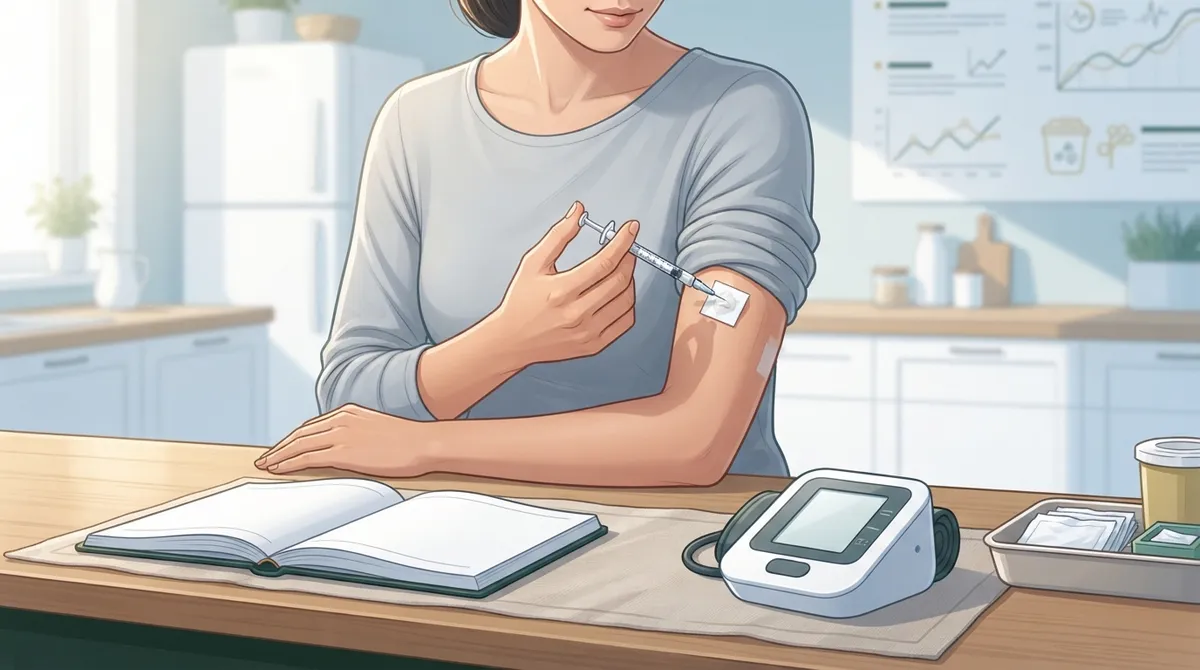
Home administration requires active engagement: track blood pressure weekly, log injection site reactions, monitor sleep and energy daily, and follow provider-scheduled labs at 4-6 weeks, then quarterly for ongoing safety and effectiveness.
-
Never adjust dosing without provider guidance, always use sterile needles, rotate injection sites, refrigerate peptides properly, and report unusual symptoms immediately rather than waiting for scheduled check-ins.
-
Home therapy works best for busy professionals, biohackers who track data, health optimizers seeking better energy and sleep, and wellness seekers wanting personalized care without frequent clinic travel.
So you’re wondering: can you do hormone therapy at home? If you’re picturing yourself giving up long waiting rooms and awkward parking garages, we’ve got good news. Many hormone-support peptide therapies are actually designed for you to use in the comfort of your own kitchen or bathroom. But before you grab a needle and wing it, let’s talk about what “at home” really means and how to do it the safe, smart way.
Whether you’re a busy professional squeezing wellness into a packed calendar, a biohacker who loves tracking every data point, or simply someone hoping to feel more like yourself again, this guide is for you. We’ll walk through what home-based peptide therapy actually looks like, what your provider needs to check first, and how to stay safe while you do it. Think of this as your friendly, no-nonsense roadmap.
What Does Hormone Therapy at Home Actually Mean?
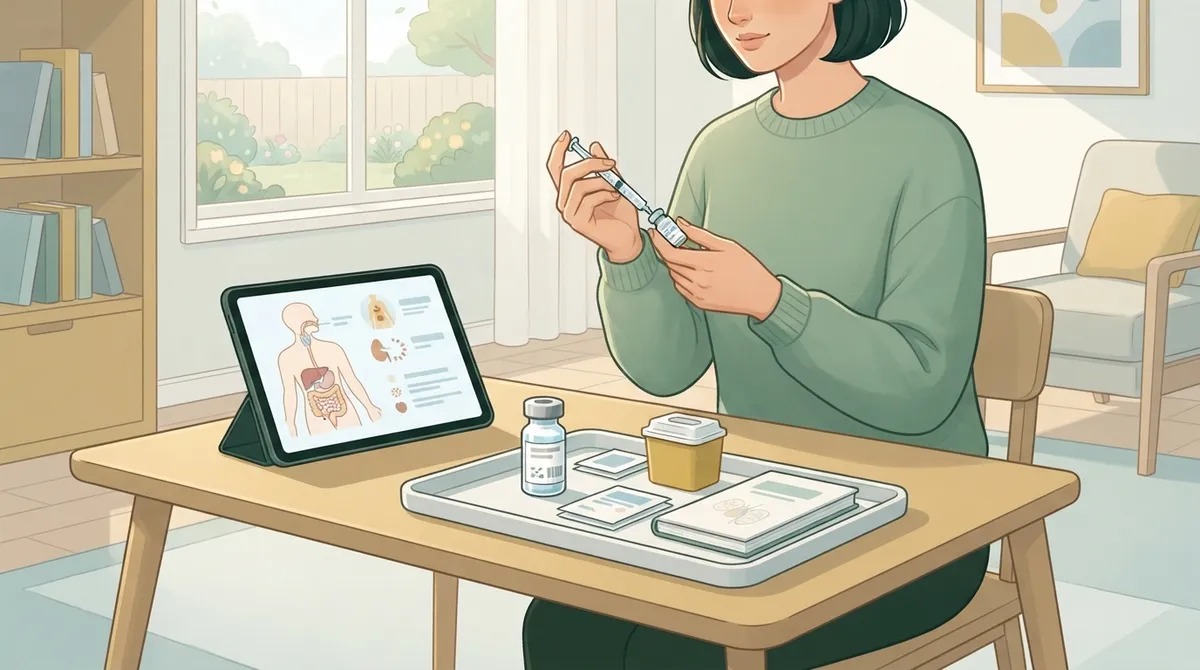
When people ask about home hormone therapy, they’re usually asking about self-injected peptides that support hormone balance, growth hormone production, or metabolic function. These are not random over-the-counter products. They’re prescribed treatments, based on your labs, that you administer yourself after proper training.
Peptides are short chains of amino acids that act like tiny messengers in your body, telling your cells to do specific jobs. According to what are peptides, these compounds can influence everything from tissue repair to hormone release. That’s why so many hormone-support protocols now rely on them.
The short answer to “can you do hormone therapy at home” is yes, for many peptide protocols, but with an important asterisk. Home use only works when a licensed provider has evaluated you, ordered your labs, and trained you on proper technique. It’s teamwork, not a solo project.
Why Self-Administration Has Become So Popular
Life is busy. Between work, family, and everything else, driving to a clinic every week just isn’t realistic for most people. Home administration solves that problem while still keeping you connected to expert care through telehealth.
- No more taking time off work for injections
- Privacy and comfort in your own space
- Consistent dosing on your own schedule
- Lower overall cost compared to in-office visits
- Easier to stick with long-term because it’s convenient
Companies like Allura Longevity have built entire care models around this idea, shipping peptides directly to your door while providers monitor your progress remotely. It’s a modern answer to an old problem: good care shouldn’t require constant travel.
Which Peptide Therapies Are Typically Self-Injected at Home?
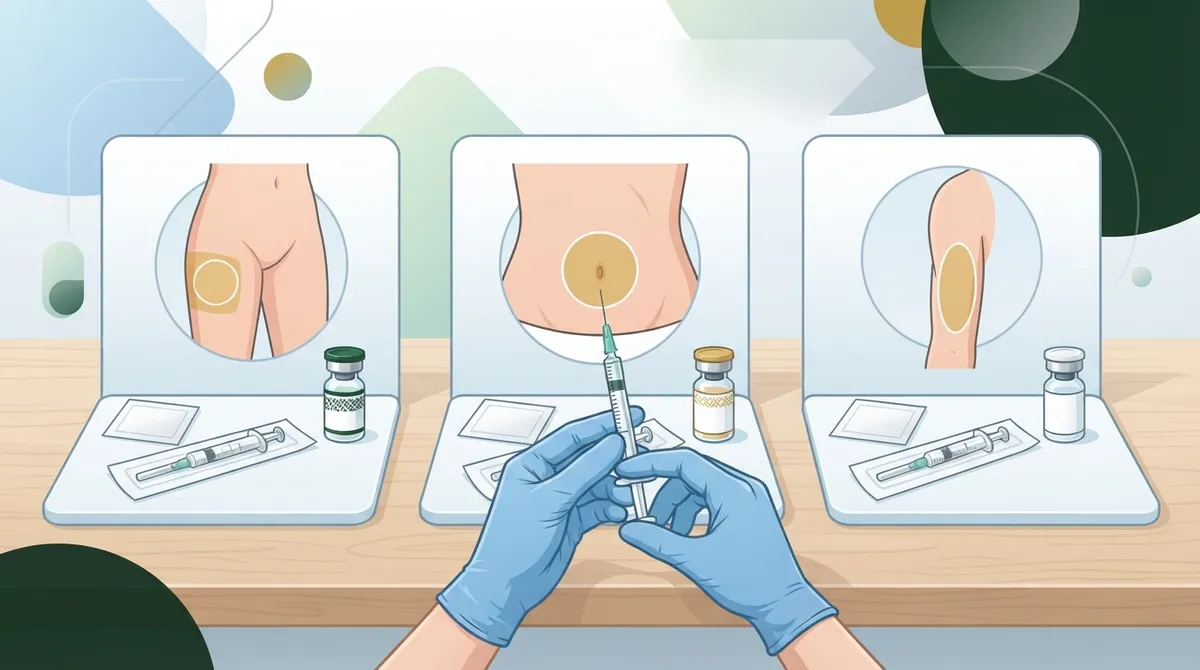
Not every hormone-related treatment is meant for home use, but plenty are. Most home-administered peptides come as small subcutaneous injections, meaning they go into the fatty layer just under the skin. This is simpler than it sounds and similar to how many people manage other daily health needs.
| Peptide Category | Common Use | Typical Administration |
|---|---|---|
| Growth hormone secretagogues (like CJC-1295, Ipamorelin) | Muscle recovery, sleep, anti-aging | Home subcutaneous injection |
| GLP-1 peptides | Weight loss, metabolic support | Home subcutaneous injection |
| BPC-157 | Injury recovery, gut health | Home subcutaneous injection |
| Testosterone support protocols | Hormone replacement | Home injection or provider-guided pellet/cream options |
If you want a deeper breakdown of specific compounds, our article on Ipamorelin Peptide Therapy: Benefits, Dosing & Safety covers dosing details you’ll appreciate. You might also enjoy learning How to Use CJC-1295 Peptide Safely for Real Results if muscle recovery and sleep are your main goals.
What Home Therapy Is Not Meant to Replace
Home administration means you give yourself the injection. It does not mean you’re on your own for decisions about dosing, safety, or progress. A licensed provider should always be steering the ship.
- Your first evaluation and diagnosis
- Decisions about which peptide and dose fits you
- Reviewing your lab results over time
- Adjusting your plan based on side effects or results
- Catching warning signs early
How to Get Started With Home Hormone Peptide Therapy: A Step-by-Step Guide
Ready to actually begin? Here’s a simple roadmap that mirrors what most reputable telehealth peptide clinics follow.
- Schedule a virtual consultation. A licensed provider reviews your health history, symptoms, and goals.
- Complete baseline bloodwork. This usually happens through a local lab draw, often at a facility like LabCorp.
- Review your results together. Your provider explains what your hormone and metabolic markers show.
- Receive a personalized treatment plan. This includes your specific peptide, dose, and injection schedule.
- Get trained on injection technique. Most clinics provide video guides or live walkthroughs.
- Have your peptides shipped to your home. No pharmacy runs required.
- Start your protocol and track your symptoms. Apps like Jabbit or PeptiSync can help you log doses and notice patterns.
- Follow up with your provider on schedule. This keeps your plan safe and effective.
If you’d like a broader overview before diving in, check out How to Start Peptide Therapy Safely and See Real Results. It pairs nicely with this guide and fills in a few extra details.
Why Bloodwork Comes Before Anything Else
We know labs aren’t the most thrilling part of starting treatment. But they’re the part that keeps you safe. Baseline bloodwork tells your provider what’s actually going on inside your body before any peptide touches your system.
Research published through the National Library of Medicine highlights how important individualized dosing and monitoring are when using peptide-based hormone therapies. Everyone’s body responds differently, so guesswork simply isn’t good enough.
Common Labs Checked Before and During Treatment
- IGF-1 (important for growth hormone peptides)
- Fasting glucose and HbA1c
- Complete blood count (CBC)
- Comprehensive metabolic panel (CMP)
- Lipid panel
- Inflammatory markers
According to peptide therapy monitoring resources, a common pattern is baseline labs, a recheck around 4 to 6 weeks in, then quarterly testing once you’re in a steady maintenance phase. Some protocols also suggest reassessing around the 8 to 12 week mark if you’re on a longer program, followed by full evaluations every 3 to 6 months.
Monitoring Your Progress at Home: What You Should Track
Home therapy works best when you stay engaged, not passive. Think of yourself as an active member of your own care team.
| What to Monitor | How Often | Why It Matters |
|---|---|---|
| Blood pressure | Weekly or biweekly | Catches changes early, home monitors run about $30 to $80 |
| Injection site reactions | Every dose | Identifies irritation or infection risk |
| Sleep and energy levels | Daily journal or app | Shows whether the peptide is working |
| Weight and measurements | Weekly | Tracks metabolic and body composition changes |
| Lab markers | Per provider schedule | Confirms safety and effectiveness |
Many people use apps to make this easier. Tools designed specifically for peptide tracking can log doses, timing, and symptoms in one place, so nothing slips through the cracks.
Risks and Safety Considerations You Shouldn’t Skip
Home therapy is convenient, but convenience should never replace caution. A little bit of respect for the process goes a long way.
- Never adjust your own dose without provider guidance.
- Always store peptides according to instructions, usually refrigerated.
- Use a new sterile needle every time to avoid infection.
- Rotate injection sites to prevent tissue irritation.
- Report unusual symptoms right away instead of waiting for your next check-in.
Certain conditions, medications, or health histories may make home peptide therapy riskier. This is exactly why an initial evaluation matters so much. If you’re curious about the broader safety picture, our article Is Peptide Therapy Safe? What You Really Need to Know dives deeper into this topic.
Is It Legal to Do Hormone Peptide Therapy at Home?
Yes, when it’s prescribed by a licensed provider and you’re following their guidance. Legality depends on proper prescribing, sourcing peptides from legitimate pharmacies, and staying within your state’s telehealth regulations. Allura Longevity, for example, is licensed to provide care in Florida, Georgia, Texas, Connecticut, Indiana, Maryland, New York, and California.
Comparing At-Home Peptide Therapy to In-Clinic Visits
| Factor | At-Home Therapy | In-Clinic Therapy |
|---|---|---|
| Convenience | High, fits your schedule | Lower, requires travel and appointments |
| Privacy | Complete privacy | Shared waiting rooms |
| Cost | Often lower overall | Higher due to overhead |
| Provider access | Telehealth check-ins | In-person visits |
| Consistency | Easier to maintain routine | Harder with busy schedules |
If you’re torn between the two options, our comparison piece Local Clinic vs. Telehealth: Best Peptide Therapy Near You? breaks it down even further.
How Allura Longevity Makes Home Peptide Therapy Simple
Allura Longevity was built for people who want expert-guided care without the hassle of constant office visits. Everything starts with a $50 virtual consultation, followed by bloodwork through LabCorp. From there, you get a personalized six-month treatment plan, shipped straight to your door.
Your care doesn’t stop once your peptides arrive. Ashley, a board-certified Family Nurse Practitioner, leads a team that monitors your progress and adjusts your plan as needed. Whether you’re focused on energy, weight loss, muscle recovery, or hormone balance, the goal is always the same: real results with real medical oversight.
If weight loss is part of your goals, you might enjoy Which Weight Loss Peptides Actually Work in 2026?. And if hormone therapy is more your focus, take a look at How Do You Safely Start Hormone Therapy in 2026? for a helpful next step.
Who Tends to Benefit Most From Home-Based Protocols
- Health optimizers wanting more energy and better sleep
- Aging adults hoping to slow visible and physical signs of aging
- Biohackers who love tracking labs and data over time
- Busy professionals who need flexible, convenient care
- Wellness seekers ready to add personalized therapies to their routine
A Quick Checklist Before You Begin
- Confirm you’re working with a licensed provider, not an unregulated seller.
- Complete baseline bloodwork before your first dose.
- Get proper injection training, even if you’ve done injections before.
- Set reminders for follow-up labs at 4 to 6 weeks, then quarterly.
- Keep a simple log of symptoms, doses, and how you feel.
Spots for new clients open up each month, and they tend to fill quickly given the personalized nature of these plans. If you’ve been on the fence, now’s a great time to request a consultation and see what a customized plan could look like for you.
Final Thoughts: You Deserve Care That Fits Your Life
So, can you do hormone therapy at home? Absolutely, when it’s done thoughtfully, with proper labs, real medical supervision, and a provider who actually knows your history. Home-based peptide therapy isn’t about cutting corners. It’s about making excellent care fit into your actual life, not the other way around.
You don’t have to figure this out alone, and you shouldn’t have to choose between convenience and safety. With the right guidance, you can have both. If you’re ready to explore a personalized plan built around your labs and goals, reach out and request a consultation with a team that genuinely wants to see you thrive. You’ve got this, and we’re happy to help along the way.
FAQs
Q: Can peptide therapy be done at home safely?
A: Yes, many peptide protocols are designed for safe home use once you’ve had proper training and lab work. The key is starting with a licensed provider who checks your baseline health and teaches you correct injection technique. As long as you follow your personalized plan and stay in touch with your provider, home therapy can be both safe and convenient.
Q: Which peptide therapies are self-injected at home?
A: Common options include growth hormone peptides like CJC-1295 and Ipamorelin, GLP-1 peptides for weight loss, BPC-157 for recovery, and certain testosterone support protocols. These are typically given as small subcutaneous injections, which most people find easier than expected. Your provider will recommend the best fit based on your labs and goals.
Q: Do you need lab work before starting peptide therapy at home?
A: Yes, baseline bloodwork is a must before starting any hormone-related peptide protocol. It helps your provider understand your starting point and choose the safest, most effective dose for you. Follow-up labs, often around 4 to 6 weeks and then quarterly, help track your progress over time.
Q: What monitoring is required for home peptide therapy?
A: Monitoring usually includes regular bloodwork, tracking symptoms like energy and sleep, and sometimes weekly blood pressure checks. Your provider will set a schedule based on which peptide you’re using and your personal health history. Staying consistent with monitoring helps catch any issues early and keeps your results on track.
Q: Is hormone therapy with peptides legal to do at home?
A: Yes, as long as it’s prescribed by a licensed provider and you’re sourcing peptides from a legitimate pharmacy. Legality also depends on your state’s telehealth rules, which is why working with a licensed clinic matters so much. Providers like Allura Longevity operate within specific state licenses to keep everything above board.





