

Key Takeaways
-
Complete baseline lab testing (IGF-1, CBC, CMP, thyroid panel, sex hormones) before starting therapy—without these labs, you're guessing instead of making data-driven decisions.
-
Start with one therapy at a time and track symptoms weekly for 8-12 weeks before adding anything else; this approach reveals what's actually working and minimizes side effects.
-
Book a consultation with a licensed provider to discuss symptoms, goals, medications, and red flags—this personalized assessment is the foundation for safe, effective treatment tailored to your body.
-
Expect noticeable changes in energy and sleep within 4-8 weeks, with more significant improvements like body composition changes appearing around the 12-week mark with consistent monitoring.
Feeling tired, foggy, or just not like yourself lately? You’re not alone, and you’re definitely not stuck. Thousands of people are exploring how to start hormone therapy and peptide therapy this year, hoping to feel sharp, strong, and energized again. The good news? Starting the right way is simpler than it sounds, and you don’t have to figure it out by yourself.
This guide walks you through the exact steps clinicians use to safely begin hormone therapy, often alongside what are peptides and how they support your body’s natural hormone signals. We’ll cover labs, candidacy, timelines, and what to expect from your very first consultation to your first follow-up visit. Grab a coffee, get comfortable, and let’s break it all down together.
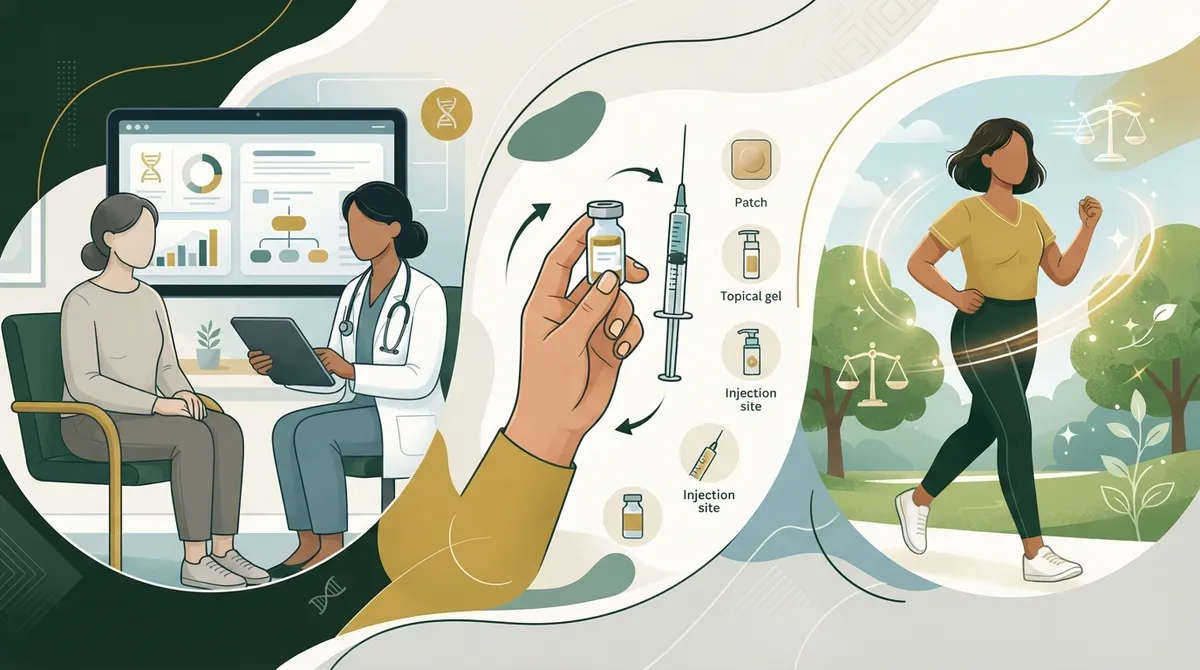
What Does Starting Hormone Therapy Actually Involve?
Starting hormone therapy isn’t a single event. It’s a process built on data, patience, and a licensed provider who actually listens to you. Most reputable programs, including how to start peptide therapy safely and see real results, begin the same way: symptoms first, then testing, then a personalized plan.
Think of it like building a house. You wouldn’t start hammering nails before checking the blueprint. Your body deserves the same care and planning.
Why a Personalized Approach Matters
Hormone levels vary wildly from person to person. Age, stress, sleep, and even genetics play a role. That’s why cookie-cutter protocols rarely work well, and why providers now lean on National Library of Medicine research to guide safer, smarter dosing decisions.

Step 1: Book a Consultation With a Licensed Provider
Everything starts with a conversation. A licensed clinician will ask about your energy, sleep, libido, mood, and any medications you’re taking. This isn’t a quick checkbox exercise. It’s a real discussion about your goals.
During this visit, your provider will also screen for any red flags that might affect your candidacy. This keeps your treatment safe from day one.
- Review of current symptoms and health history
- Discussion of your specific goals (energy, weight, recovery, libido)
- Screening for medications or conditions that may affect treatment
- Explanation of what labs are needed next
- Overview of realistic timelines for results
Step 2: Complete Baseline Lab Testing
Labs are the backbone of safe hormone therapy. Without them, you’re basically guessing. Most clinics want bloodwork completed within 90 days before treatment begins, so results stay accurate and relevant.
Common baseline labs include IGF-1, CBC, CMP, fasting glucose and insulin, thyroid panels, lipids, cortisol, and sex hormones like testosterone and estradiol. These numbers tell your provider exactly where your body stands today.
Common Baseline Labs Explained
| Lab Test | What It Measures | Why It Matters |
|---|---|---|
| IGF-1 | Growth hormone activity | Key marker for peptide dosing accuracy |
| CBC & CMP | Overall blood and organ health | Confirms you’re a safe candidate |
| Thyroid Panel | Metabolism and energy regulation | Rules out thyroid-related fatigue |
| Testosterone/Estradiol | Sex hormone balance | Guides hormone or peptide dosing |
| Fasting Glucose/Insulin | Blood sugar control | Impacts metabolism and fat loss goals |
Step 3: Confirm Candidacy and Set Clear Goals
Not everyone needs the same protocol. Some people want more energy and better sleep. Others are focused on muscle recovery, weight loss, or sexual wellness. Your provider will match your goals to the right approach.
This is also the stage where peptide therapy often enters the conversation. Many people benefit from combining peptides with hormone optimization rather than choosing one or the other.
Peptide Therapy vs Traditional Hormone Replacement
| Factor | Peptide Therapy | Traditional HRT |
|---|---|---|
| How It Works | Signals your body to produce hormones naturally | Replaces hormones directly |
| Common Uses | Energy, recovery, sleep, fat loss | Testosterone or estrogen deficiency |
| Onset of Results | Often gradual, 4-12 weeks | Can be faster, but more direct |
| Monitoring Needs | IGF-1 and symptom tracking | Hormone panels every few months |
Curious how these two paths differ in more detail? This breakdown of how to choose between bioidentical hormones and peptides is a great next read.
Step 4: Start With One Therapy at a Time
Patience really pays off here. Most experienced providers recommend starting with a single therapy before adding anything else. This makes it much easier to tell what’s actually working.
Here’s a simple sequence many clinics follow:
- Start the primary peptide or hormone protocol first
- Track symptoms weekly using a simple journal or app
- Complete follow-up labs around 8 to 12 weeks in
- Review results with your provider before adding anything new
- Adjust dosing or introduce a second therapy if needed
This step-by-step approach reduces guesswork and keeps side effects to a minimum. It also helps your provider clearly see what’s driving your progress.
Step 5: Understand Common Starting Doses
Dosing always depends on your labs and goals, but it helps to know general starting points. For example, sermorelin is often started at 250 mcg before bed, five nights a week, then reassessed after about 8 weeks.
- Therapeutic dose ranges often fall between 200-500 mcg per injection
- Many patients begin conservatively at 250 mcg
- Dosing is adjusted based on labs, not guesswork
- Consistency matters more than chasing a “perfect” dose right away
Step 6: Track Symptoms and Repeat Labs
Once you start treatment, your job is simple: pay attention. Note changes in sleep, energy, mood, and physical performance. This information is gold for your provider.
Typical Monitoring Schedule
| Timeframe | What Usually Happens |
|---|---|
| 4-8 Weeks | Initial symptom check and early lab follow-up |
| 3 Months | Full lab panel review and dose adjustments |
| Every 3-6 Months | Ongoing monitoring once levels stabilize |
Consistent monitoring is what separates a safe, effective plan from a risky guessing game. It’s also how providers fine-tune your protocol as your body responds.
Who Is a Good Candidate for This Process?
Hormone and peptide therapy isn’t just for one type of person. It appeals to a wide range of people who want to feel better and function at a higher level.
- Busy professionals craving more energy without burning out
- Aging adults wanting to protect strength, mood, and vitality
- Biohackers who love tracking labs and fine-tuning their biology
- Wellness seekers ready to go beyond basic supplements
- Anyone dealing with fatigue, low libido, or slow recovery
If any of these sound like you, it may be time to explore peptides for women or peptides for men designed around your specific bloodwork.
Common Peptides Used in Hormone Optimization
Certain peptides are frequently paired with hormone therapy because they support the body’s natural production systems instead of replacing them outright.
- Sermorelin – supports natural growth hormone release
- CJC-1295 – often paired with other peptides for steady GH support
- Ipamorelin – known for gentle, targeted GH stimulation
- BPC-157 – frequently used for recovery and tissue support
- GLP-1 peptides – used for metabolic and weight management goals
Want a deeper dive into dosing and safety? Check out how to use CJC-1295 peptide safely for real results or Ipamorelin peptide therapy benefits, dosing and safety.
Risks and Side Effects Worth Discussing
No treatment is completely risk-free, and any honest provider will tell you that upfront. Common, mild side effects can include injection site irritation, headaches, or temporary water retention.
This is exactly why baseline labs and follow-up monitoring matter so much. They help your provider catch small issues before they become bigger problems.
Questions Worth Asking Your Provider
- What specific labs will you use to track my progress?
- How soon should I expect to feel noticeable changes?
- What side effects are most common with my specific protocol?
- How will you adjust my plan if something feels off?
- Can this be combined safely with other treatments I’m using?
Why Telehealth Makes This Process Easier
Gone are the days of sitting in waiting rooms just to talk about your energy levels. Telehealth has made starting hormone therapy far more convenient, especially for people juggling work, family, and everything in between.
Allura Longevity has built its entire model around this convenience. Clients start with an affordable $50 virtual consultation, complete labs through LabCorp, and receive a personalized six-month plan shipped straight to their door. Every plan is guided by licensed providers, including Ashley, a board-certified Family Nurse Practitioner who oversees ongoing monitoring and adjustments.
If you’re comparing your options, this comparison of local clinic vs. telehealth: best peptide therapy near you is worth a quick read before you decide.
How Long Until You See Results?
Everyone wants a clear timeline, and that’s fair. Most people notice early changes in energy or sleep within 4 to 8 weeks. More significant shifts, like improved body composition or libido, often show up closer to the 12-week mark.
For a realistic breakdown by treatment type, take a look at 4 timelines that show when peptide therapy works (2026).
Your Next Step Starts Today
Starting hormone therapy doesn’t have to feel overwhelming or confusing. With the right labs, the right provider, and a personalized plan, you can move forward with confidence instead of guesswork. You deserve care that actually listens to your body and adjusts alongside it.
If you’re ready to feel like yourself again, now is a great time to request a consultation with Allura Longevity’s licensed team. Spots are limited each month, so don’t wait too long to take that first step toward better energy, sleep, and overall vitality.
FAQs
Q: What labs do I need before starting hormone therapy?
A: Most providers recommend baseline labs like IGF-1, CBC, CMP, thyroid panels, lipids, and sex hormones such as testosterone and estradiol. These give your provider a clear starting picture, so don’t skip this step even if you’re eager to jump right in!
Q: Can peptide therapy be combined with hormone replacement therapy?
A: Yes, many people combine the two once their provider confirms it’s safe based on labs and goals. It’s best to start with one therapy first, then add the other after reassessing your response together.
Q: How long does it take to see results after starting therapy?
A: Many people notice small changes in energy and sleep within 4 to 8 weeks. Bigger changes, like improved body composition, often show up closer to the 3-month mark, so give it time and stay consistent.
Q: How do I know if I’m a good candidate for peptide therapy?
A: A licensed provider will review your symptoms, medical history, and bloodwork before confirming candidacy. If you’re dealing with fatigue, slow recovery, or hormone imbalance symptoms, there’s a good chance you’re a great fit.
Q: How often are labs repeated once treatment starts?
A: A common schedule includes follow-up labs around 4 to 8 weeks, then again at 3 months, and every 3 to 6 months once things stabilize. This keeps your plan accurate and lets your provider fine-tune dosing along the way.





