
Key Takeaways
-
Injectable testosterone (cypionate, enanthate, undecanoate) offers flexible dosing adjustable based on blood work and has decades of proven track record, making it one of the most trusted TRT options available.
-
Testosterone pellets inserted under the skin release hormone over 3-6 months, eliminating daily application hassles and becoming increasingly popular for people seeking convenience and fewer refill trips.
-
Peptide therapy works differently than TRT by encouraging your body to produce its own hormones naturally rather than replacing testosterone directly, making it valuable for preserving fertility or supporting recovery.
-
Long-acting options like injections and pellets suit busy professionals requiring less daily attention, while short-acting methods like daily gels or tablets offer better control for quick adjustments if needed.
-
Combining TRT with specific peptides like gonadorelin addresses goals testosterone alone doesn't fully cover, such as fertility preservation, sleep quality, tissue repair, and libido enhancement.
-
Comprehensive blood work and discussion with licensed providers about lifestyle, needle preference, and fertility goals are essential first steps before choosing between the seven main testosterone delivery methods.
Feeling tired, foggy, or just not like yourself lately? You’re not alone. Millions of adults deal with low testosterone every year, and the good news is you have more options than ever to feel like yourself again. But here’s the catch: with so many testosterone therapy types out there, picking the right one can feel overwhelming. Grab a cup of coffee, get comfy, and let’s break this down together in plain, friendly language.
Whether you’re a busy professional trying to squeeze self-care into a packed schedule, a biohacker who loves tracking every lab number, or someone simply hoping to feel more like your old self, this guide is for you. We’ll walk through the main types of testosterone therapy, how peptide therapy fits into the picture, and how to figure out what might work best for your body and your goals.

What Is Testosterone Therapy, Really?
Testosterone therapy, often called TRT (testosterone replacement therapy), is a treatment that adds testosterone back into your body when your levels are low. Low testosterone can cause fatigue, low mood, reduced muscle mass, weight gain, and a lower sex drive. Sound familiar? You’re definitely not imagining it.
It’s worth understanding that TRT works differently than peptide therapy. TRT directly replaces the hormone your body isn’t making enough of. Peptide therapy, on the other hand, often works by encouraging your body to produce more of its own hormones naturally. Think of TRT as handing your body the finished product, while peptides are more like giving your body a gentle nudge to make it itself. If you want a deeper dive into what peptides actually are and how they work, check out this helpful resource on what peptides are and how they support the body.
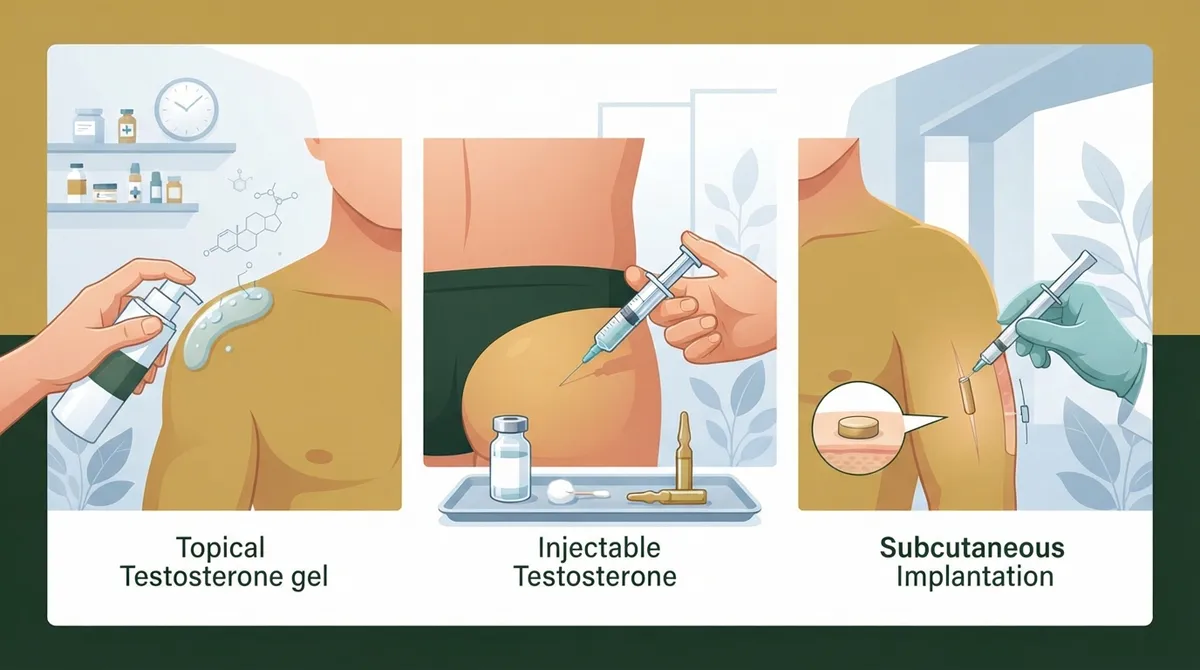
The Main Types of Testosterone Therapy
Let’s get into the heart of it. There are several delivery methods for testosterone therapy, and each one has its own pros, cons, and best-use scenarios. Here’s a rundown of the most common options available today.
1. Injectable Testosterone
Injections are one of the oldest and most trusted forms of TRT. They’re typically given into the muscle or just under the skin, and they’ve been used for decades with a solid track record.
- Testosterone cypionate: A popular weekly injectable option in the U.S.
- Testosterone enanthate: Similar to cypionate, often used on a weekly schedule
- Testosterone undecanoate: A longer-acting injection, sometimes given less frequently
Many people appreciate injections because dosing is flexible and levels can be adjusted based on blood work. If you’re curious about how this specific option works, this guide on starting testosterone cypionate therapy safely covers the basics nicely.
2. Transdermal Gels and Creams
These are applied directly to the skin, usually on the shoulders or upper arms, and absorbed throughout the day. They offer a steady daily dose but require careful handling to avoid transferring testosterone to others through skin contact.
3. Testosterone Patches
Patches stick to the skin and release testosterone slowly over 24 hours. They’re convenient, but some people experience skin irritation at the patch site. Curious if this fits your lifestyle? This article on testosterone patch therapy breaks down who tends to do well with this method.
4. Testosterone Pellets
Pellets are tiny, about the size of a grain of rice, and are inserted under the skin during a quick in-office procedure. They slowly release testosterone over three to six months, which means fewer trips to refill or reapply anything.
This option has become increasingly popular because it removes the daily hassle factor. Learn more about why so many people are drawn to this method in this piece on why people choose testosterone pellet therapy, or explore specific details in this resource about testosterone pellets for men.
5. Buccal Tablets
These small tablets stick to your gums and release testosterone through the tissue in your mouth. They’re applied twice daily, which some people find easy to remember and others find a bit inconvenient.
6. Intranasal Gel
This is a newer option applied inside the nose, usually a few times per day. It’s a good choice for people who want to avoid needles altogether.
7. Oral Capsules
Oral testosterone has come a long way and is now considered safer than older versions from decades past. It’s taken by mouth, which appeals to people who simply don’t love needles or patches.
Short-Acting vs Long-Acting Testosterone Options
One helpful way to think about testosterone therapy types is by how long they last in your system. Here’s a simple breakdown.
| Category | Examples | How Often Needed |
|---|---|---|
| Short-Acting | Intranasal gel, oral capsules, patches, transdermal gels | Daily or multiple times daily |
| Long-Acting | Injections (cypionate, enanthate, undecanoate), subcutaneous pellets | Weekly to every few months |
Choosing between short-acting and long-acting options often comes down to lifestyle. Busy professionals may prefer long-acting injections or pellets because they require less daily thought. Others like the control that comes with daily dosing, since it’s easier to stop or adjust quickly if needed.
How Peptide Therapy Fits Into the Testosterone Conversation
Here’s where things get interesting for anyone exploring the peptide therapy world. Peptides don’t replace testosterone directly. Instead, certain peptides work with your body’s natural signaling system to encourage hormone production.
Two peptides that come up often in this conversation are gonadorelin and hCG (human chorionic gonadotropin). These work by supporting the hypothalamic-pituitary-gonadal axis, which is basically your body’s internal hormone communication network. According to research published by the National Library of Medicine, exogenous testosterone can suppress natural LH and FSH production, which may reduce sperm production over time. This is a big reason why fertility-focused strategies sometimes lean on peptides instead of, or alongside, traditional TRT.
Here’s a quick list of ways peptides are sometimes used alongside testosterone care:
- Supporting natural hormone signaling instead of full replacement
- Helping preserve fertility while still addressing low testosterone symptoms
- Mimicking luteinizing hormone to keep the testes active
- Working alongside TRT for libido or recovery support
- Offering an option for people not ready to commit to lifelong TRT
If you’re weighing peptides against traditional testosterone replacement, this comparison on testosterone versus peptides is a great next read.
TRT Plus Peptides: A Combined Approach
Some people don’t have to choose just one path. It’s increasingly common for licensed providers to pair TRT with specific peptides to round out a treatment plan. This isn’t the same as peptide-only therapy, but it can address goals that testosterone alone doesn’t fully cover, like recovery, sleep quality, or libido.
For example, someone on TRT might also use a peptide to support tissue repair after workouts or to improve sleep depth. To understand why this pairing has grown so popular, take a look at this article on why testosterone injection therapy gets paired with peptides.
Steps to Choosing the Right Testosterone Therapy Type
Feeling a little more confident now? Let’s turn this into an actionable plan. Here are the steps most people go through when figuring out the best fit.
- Get comprehensive blood work done to understand your actual hormone levels, not just guesses based on symptoms.
- Talk with a licensed provider about your lifestyle, whether you travel often, dislike needles, or want fertility preserved.
- Review the delivery method options and how they fit your daily routine and comfort level.
- Ask about combining TRT with supportive peptides if fertility or recovery are priorities.
- Start with a plan, then monitor and adjust based on follow-up labs every few months.
- Stay in close contact with your provider so dosing can be fine-tuned as your body responds.
This process doesn’t have to be complicated, especially with a provider guiding you through it. If you want a broader overview of getting started safely, this guide on starting peptide therapy safely is a solid companion resource.
Common Side Effects to Know About
No treatment is without possible side effects, and testosterone therapy is no exception. Being informed helps you feel prepared, not scared.
- Acne or oily skin, especially in the first few months
- Fluid retention or mild swelling
- Changes in mood or irritability
- Increased red blood cell counts, which is monitored through routine labs
- Potential impact on fertility with testosterone-only approaches
- Injection site reactions for those choosing injectable options
Most side effects are manageable and often improve with proper dosing adjustments. Regular monitoring through licensed providers is key to catching anything early.
Why Personalized Care Matters So Much
Here’s the truth: there’s no single “best” testosterone therapy type for everyone. Your ideal option depends on your labs, your goals, your lifestyle, and even your comfort with needles versus creams versus pellets. That’s exactly why cookie-cutter treatment plans rarely work well long-term.
At Allura Longevity, care starts with a simple $50 virtual consultation, followed by thorough blood work through LabCorp. From there, licensed providers, led by board-certified Family Nurse Practitioner Ashley, build a customized six-month plan designed around your actual numbers and goals. Everything ships right to your door, and your plan is monitored and adjusted along the way. It’s personalized peptide and hormone care without the waiting rooms.
Whether you’re exploring testosterone and peptide options for men or hormone support designed for women, having a provider who actually looks at your unique picture makes all the difference. For a wider look at how personalized plans come together, this piece on building a personalized wellness plan offers helpful context too.
Quick Comparison: TRT vs Peptide-Based Support
| Feature | TRT | Peptide-Based Support |
|---|---|---|
| How It Works | Replaces testosterone directly | Signals body to produce more naturally |
| Fertility Impact | May suppress natural sperm production | Often used to help preserve fertility |
| Delivery Methods | Injections, gels, patches, pellets, tablets | Typically subcutaneous injections |
| Common Use Case | Clinically low testosterone symptoms | Hormone support, fertility goals, combined protocols |
Understanding what are peptides and how they interact with your body’s natural systems can help you have a more informed conversation with your provider. Every body responds a little differently, which is exactly why lab-based, personalized plans tend to outperform generic approaches.
Bringing It All Together
Choosing among the many testosterone therapy types doesn’t have to feel like a guessing game. Start with real lab data, talk openly with a licensed provider about your goals and lifestyle, and stay open to combined approaches if fertility or recovery matter to you. Whether you land on injections, pellets, patches, or a peptide-supported plan, the goal is the same: feeling like your best, most energized self again.
Ready to stop guessing and start feeling better? Request a consultation with Allura Longevity today and let a licensed provider build a plan around your actual labs and goals. Spots are limited each month, so don’t wait too long to get started. You deserve to feel like yourself again, and we’d love to help you get there.





