
Key Takeaways
-
Peptides may offer modest improvements in hydration and fine lines, but research does not show they can reverse crepey skin or tighten loose skin, especially injectable types.
-
Oral collagen peptides showed modest benefits for hydration in a 2026 meta-analysis of 19 studies, but elasticity results were minimal or inconsistent, the key measure for loose skin.
-
Topical peptide serums have only nine published studies with small sample sizes showing early promise for fine lines, but no study directly measured crepey skin outcomes.
-
Daily broad-spectrum sunscreen, consistent moisturizing, adequate protein and water intake, and good sleep are the best-supported habits for managing crepey skin appearance.
-
Give peptide products 8-12 weeks of consistent use before assessing results, as skin renews slowly and hydration changes typically appear before any wrinkle improvements.
-
Avoid injectable peptides sold without clinician consultation or FDA approval, as unapproved products have uncertain quality, dosing, and safety profiles.
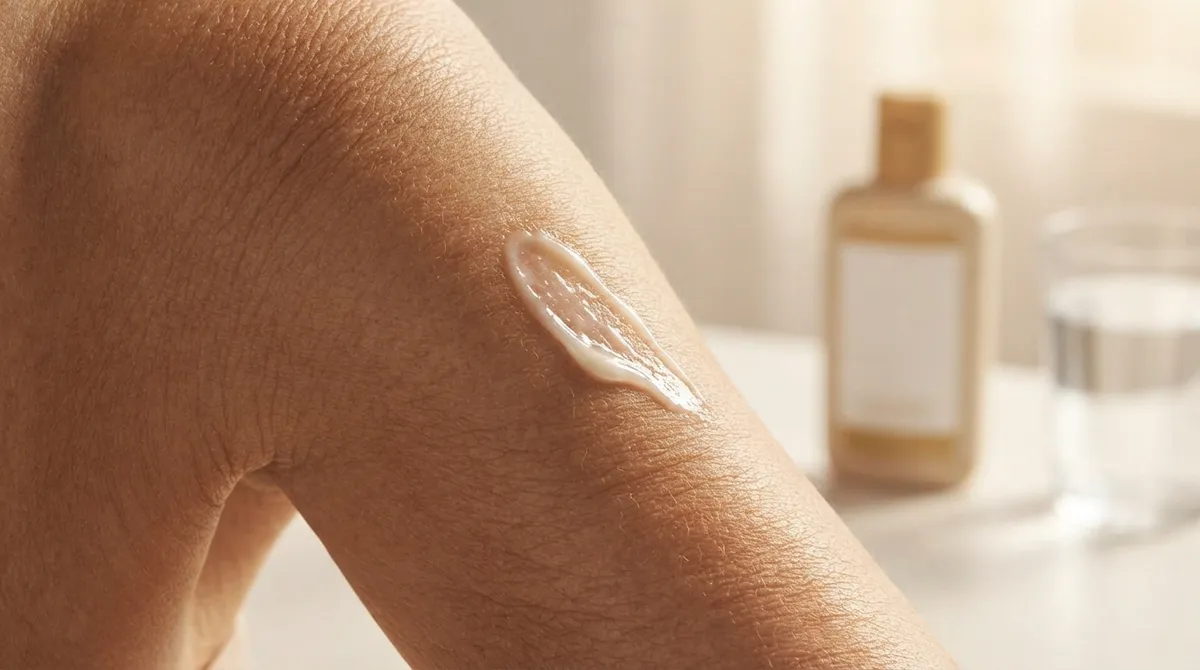
You glance at your arms or neck in the morning light and notice it. The skin looks thin, a little loose, and finely wrinkled, almost like crinkled tissue paper. That is what people call crepey skin, and if you have spotted it, you are definitely not alone.
So, can peptides help crepey skin? The honest answer is: maybe a little, depending on what kind of peptides you mean and what you expect. Some peptide products may improve hydration and fine lines. But the science does not show that any peptide, especially an injected one, can reverse crepey skin or tighten loose skin.
In this friendly guide, we will walk through what crepey skin really is, how different peptides work, what the latest research shows, and what you can do today. Whether you are a health optimizer, a busy professional, or simply someone who wants to age well, you will leave with a clear, realistic game plan. Let’s dive in.
What Is Crepey Skin, Exactly?
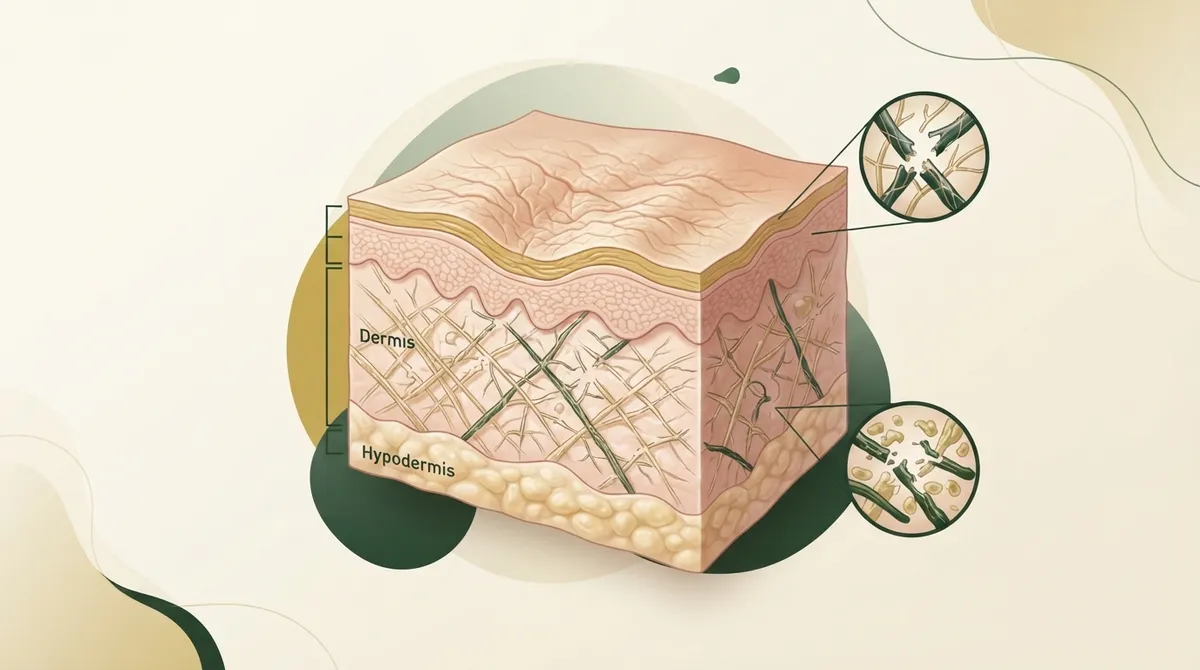
Crepey skin is thin, finely wrinkled, and loose-looking. It often shows up on the arms, chest, neck, thighs, and knees. It can feel dry and look a bit crinkled when you move or pinch it.
Several things can play a part:
- Natural aging: Your skin makes less collagen and elastin over time.
- Sun exposure: Years of UV rays break down the skin’s support structure.
- Dryness: Dehydrated skin shows fine lines more easily.
- Weight changes: Fast changes can leave skin looser than before.
- Lifestyle factors: Smoking and poor sleep may speed up visible aging.
Here is the key point. Crepey skin is not the same as a single wrinkle. A study that shows a cream helped fine lines does not automatically prove it fixed crepey skin. Keep that in mind as we go.
What Does “Peptide Therapy” Mean for Skin?
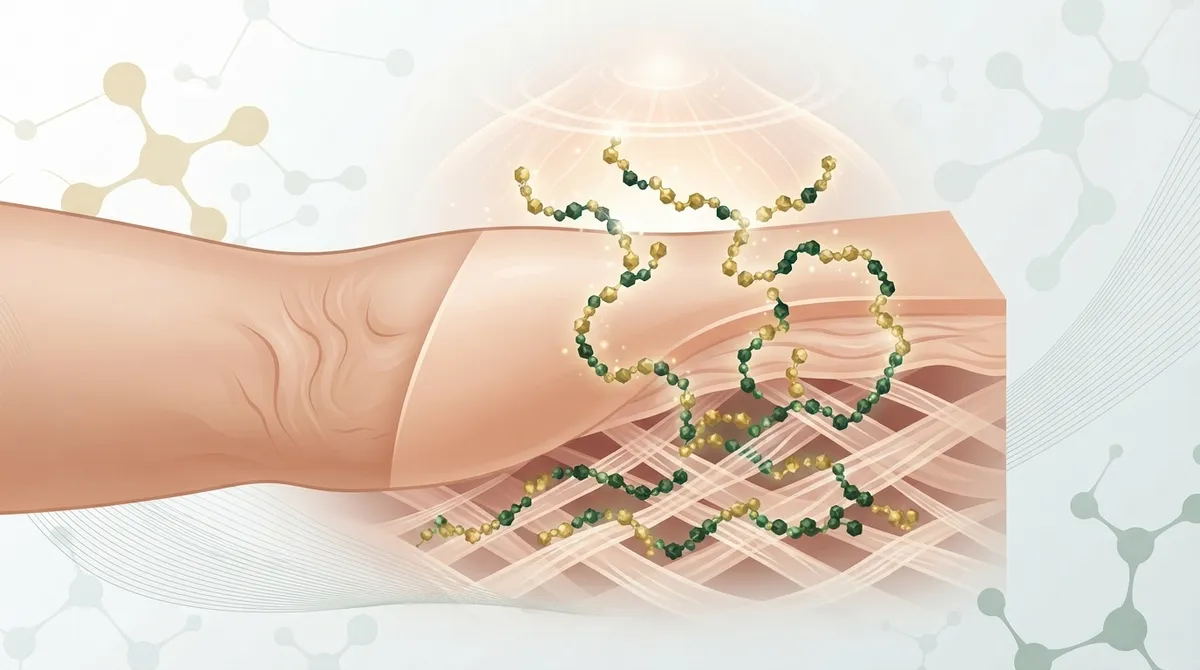
Peptides are short chains of amino acids, the building blocks of proteins. If you want a simple refresher, you can read what are peptides or check out 8 Facts That Explain What Are Peptides in 2026.
Here is where things get tricky. The word “peptides” covers very different products. They do not all work the same way, and the research on one type cannot be applied to another.
| Type | How You Use It | Evidence for Skin |
|---|---|---|
| Topical cosmetic peptides | Creams and serums applied to skin | Small studies suggest modest benefits for fine lines and appearance |
| Oral collagen peptides | Powders, capsules, or drinks | More research; some trials show better hydration and elasticity |
| Injectable or systemic peptides | Prescribed injections | Not established for crepey skin specifically |
Think of it like the word “exercise.” A walk and a marathon are both exercise, but you would not expect the same results. Peptides are similar. The route and the product matter a lot.
How Might Peptides Affect Skin Aging?
The idea behind peptides in skincare is pretty neat. Certain peptides act like tiny messengers. They may signal skin cells to make more of the proteins that give skin its structure, like collagen.
Collagen keeps skin firm. Elastin helps it snap back. When both decline, skin can look thinner and looser. In theory, a peptide that nudges those pathways could help the skin look smoother and healthier.
But “in theory” is the important phrase. Plausible science in a lab is not the same as proven results in real people. That is why looking at human studies matters.
What Does the Research Say About Topical Peptides?
Topical peptides are the creams and serums you find in skincare. They have some promising early research, but the evidence base is small.
A 2024 systematic review of topical exosome and peptide literature found only nine articles on topical peptides. It described early promise for cosmetic outcomes like fine lines, wrinkles, and elasticity. At the same time, it noted that many studies were small and that better trials are needed.
The review also pointed out that there is no FDA-approved, medical-grade topical peptide therapy for dermatology. That does not mean peptide creams are useless. It simply means we should keep expectations grounded.
Here is what that means in real life:
- A good peptide serum may support smoother-looking, better-hydrated skin.
- Results are usually subtle, not dramatic.
- Products vary a lot in formula, strength, and quality.
- No study we reviewed measured crepey skin directly.
Do Collagen Peptides Help Crepey Skin?
Oral hydrolyzed collagen peptides have been studied more than topical ones. Many people take them as a powder in coffee or smoothies.
A 2026 systematic review and meta-analysis looked at 19 randomized controlled trials with 1,341 participants. It covered both oral and topical peptide studies, but the evidence leaned heavily toward oral products, with 17 oral studies versus only 2 topical ones.
Here are the highlights:
| Skin Measure | What the 2026 Review Found |
|---|---|
| Hydration (oral peptides) | Pooled mean difference of 5.80 (p < 0.01), a modest benefit |
| Wrinkles | Mean difference of 0.35 (p = 0.05), a small result |
| Elasticity | Minimal or inconsistent effects |
So collagen peptides may help skin feel more hydrated. They might slightly soften the look of wrinkles. But elasticity, the quality most tied to loose, crepey skin, showed weak or mixed results.
The takeaway? Better hydration is nice, and plumper skin can look less crinkled. Yet it is not proof that collagen supplements fix skin laxity. You can learn more about this in Collagen Peptides vs. BPC-157: Arthritis Relief Truth, which also explains how different peptide types serve different goals.
Can Injectable Peptides Fix Crepey Skin?
This is the question many biohackers and midlife adults ask. If creams are modest, would a prescription injection work better?
Right now, the dermatology research does not establish that injected or systemic peptides treat crepey skin. That is an important distinction. It is easy to blur the line between cosmetic peptide ingredients, collagen supplements, and prescription peptide drugs, but they are not interchangeable.
There is also a safety side. In the United States, cosmetics are generally not approved by the FDA for effectiveness before they hit the market. Compounded drugs are also not FDA-approved for safety and effectiveness. Unapproved injectable products can have uncertain quality, dosing, and risks.
That is why guidance from a licensed clinician matters so much. If you are curious about the difference, read FDA-Approved vs. Compounded Peptides: What Wins? and Is Peptide Therapy Safe? What You Really Need to Know.
Where Peptide Therapy Can Fit Into the Bigger Picture
Here is the encouraging part. Skin does not age in a vacuum. Sleep, recovery, hormones, metabolism, and energy all influence how you look and feel.
A personalized, clinician-led approach looks at the whole you. At Allura Longevity, licensed providers build treatment plans based on your blood work and health goals. Peptides in a plan like this are aimed at wellness goals such as energy, recovery, sleep, and overall vitality, and they are never promised as a quick fix for crepey skin.
If you are exploring broader options, these reads may help:
- What Peptides Do for Skin: A Real-World Guide for 2026
- How to Trigger Collagen Stimulation With Peptides
- What’s the Best Treatment for Sagging Skin in 2026?
What Actually Works for Crepey Skin?
Let’s be practical. Some of the best-supported habits are also the simplest. A dermatologist can also guide you toward in-office treatments that have stronger evidence for your skin type.
Here is a simple starter routine:
- Protect your skin from the sun. Use broad-spectrum sunscreen daily on your arms, chest, and neck, not just your face.
- Moisturize often. Apply a rich moisturizer after bathing while skin is still damp. Hydrated skin looks smoother.
- Consider a gentle topical routine. Look for products with peptides, plus ingredients your dermatologist recommends.
- Support your body from within. Eat enough protein, drink water, sleep well, and skip smoking.
- See a dermatologist. Ask about options with established evidence for your skin and health history.
Pairing these basics with realistic expectations is a winning combo. Small, steady steps often beat flashy promises.
Peptide Options at a Glance: What to Expect
| Approach | Possible Benefit | Realistic Expectation |
|---|---|---|
| Topical peptide serum | Smoother look, better hydration | Subtle change over weeks to months |
| Oral collagen peptides | Improved hydration, slight wrinkle softening | Modest; elasticity results are inconsistent |
| Sunscreen and moisturizer | Protects against further damage, boosts comfort | Supports skin health every day |
| Injectable peptides | Not established for crepey skin | Needs clinician guidance; no skin-tightening promise |
How Long Might Results Take?
Skin renews slowly. Most studies of peptide skincare and collagen supplements run for several weeks to a few months before measuring changes. So patience is part of the deal.
If you try a peptide serum or collagen supplement, give it a consistent 8 to 12 weeks before judging. Take a photo in the same lighting at the start so you can compare honestly. And remember that hydration changes may show up before any change in fine lines.
If you want a broader look at timelines for peptide plans, see How Long for Peptide Therapy Results? A Real Timeline.
Red Flags to Watch For
The skincare and wellness world is full of big claims. Protect your wallet and your health by watching for these warning signs:
- Promises to “reverse” or “erase” crepey skin in days
- Injectable peptides sold without a consultation or prescription
- No clear ingredient list, dosing, or sourcing information
- Pressure to buy large bundles upfront
- No licensed clinician involved
Also, see a dermatologist if your skin changes suddenly or persistently, since it can sometimes signal something else going on. For more on safe sourcing, check How to Get Prescription Peptides Safely in 2026. You can also review the research landscape through the National Library of Medicine.
The Bottom Line
So, can peptides help crepey skin? They may offer modest cosmetic perks, like better hydration and softer-looking fine lines, especially with topical products and oral collagen peptides. But the research does not show that peptides, particularly injectables, reliably reverse crepey skin or tighten loose skin.
The smartest path is a balanced one: protect your skin, keep it moisturized, choose evidence-informed products, and talk with a licensed professional before trying anything prescription-based. Aging well is about the whole picture, and you deserve honest guidance along the way.
Ready to explore how personalized peptide therapy could support your overall longevity and vitality goals? Allura Longevity offers physician-guided plans built around your labs, delivered to your door, with limited spots opening for new clients each month. Request a consultation to get started, or call (813) 510-6277 to chat with the team.
FAQs
Q: Can peptides improve crepey skin, or only fine lines and wrinkles?
A: Peptides may help with hydration and the look of fine lines, which can make skin appear smoother. But current research does not show they reliably reverse crepey skin or tighten loose skin. Think of them as a helpful supporting player, not a magic fix.
Q: Do injectable peptides help crepey skin?
A: The dermatology research has not established injectable peptides as a treatment for crepey skin. Unapproved injectables can also have uncertain quality and dosing, so it is best to talk with a licensed clinician before considering any prescription option.
Q: Are topical peptide creams effective for crepey skin?
A: Topical peptides may offer modest improvements in hydration and fine lines, based on small studies. However, results vary by formula, and no study we reviewed measured crepey skin directly, so keep your expectations realistic and consistent.
Q: Do collagen peptides improve skin elasticity?
A: Oral collagen peptides have shown some benefits for hydration, and a 2026 review found modest effects on certain skin measures. Elasticity results were minimal or inconsistent though, so they should not be viewed as a proven fix for crepey skin.
Q: How long does it take to see results from peptide skincare or collagen supplements?
A: Most studies run for several weeks to a few months, so plan on giving a product 8 to 12 weeks of steady use. Hydration changes often show up first. Pair your routine with daily sunscreen and moisturizer for the best chance at healthier-looking skin.





