

Key Takeaways
-
Different peptide types have specific roles: signal peptides support collagen activity, copper peptides aid tissue repair, and neurotransmitter-modulating peptides target expression lines—knowing which peptide does what is essential before expecting results.
-
Topical peptides face a major delivery challenge because they're often too large to penetrate the skin's outer barrier; brands use lipid conjugation, encapsulation, and microneedling to improve absorption, so label claims don't guarantee effective delivery.
-
Clinical studies show modest but real improvements: Matrixyl formulations demonstrated ~45% reduction in deep wrinkles over two months, while acetyl hexapeptide-8 showed ~30% reduction in crow's feet, but results take 4-16 weeks of consistent use.
-
Prescription or compounded peptide therapy is fundamentally different from over-the-counter serums and requires medical supervision, personalized blood work, and proper dosing for systemic benefits beyond surface-level skincare.
-
Oral collagen peptides show broader benefits for hydration and elasticity from within, supported by a 2025 meta-analysis of 23 randomized controlled trials with 1,474 participants, though benefits are smaller in independent studies.
-
Peptides work best as part of a comprehensive routine paired with sleep, hydration, sun protection, and realistic expectations—they're gentle supporters of skin quality rather than replacements for retinoids or professional treatments.
If you’ve ever scrolled through skincare shelves wondering why every other label brags about “peptides,” you’re not alone. Maybe you’re chasing smoother skin, firmer cheeks, or just want to feel good about what’s in your routine. Whatever brought you here, let’s have a friendly, honest chat about what peptides actually do for skin, and where the science really stands in 2026.
Peptides have become one of the most talked-about ingredients in skincare and wellness. But not all peptides are created equal, and their effects depend heavily on the type, dose, and how they’re delivered to your body. Some are topical, some are oral, and some are part of personalized peptide therapy programs designed by licensed medical providers. Understanding the difference can help you set realistic expectations and choose the right approach for your goals.
At Allura Longevity, we believe in cutting through the hype with real information. So let’s break down what peptides are, how they might support your skin, and what the research actually says. No fluff, just facts (with a little warmth mixed in).
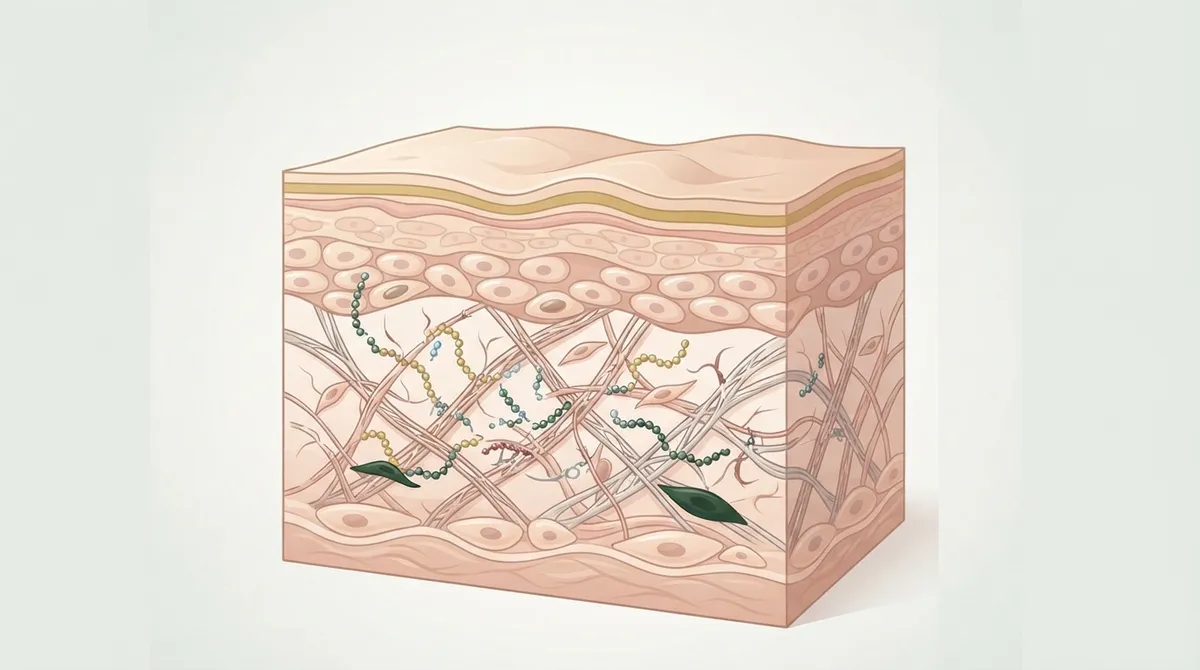
What Peptides Do for Skin: The Basics
Peptides are short chains of amino acids. Think of amino acids as little building blocks, and peptides as small necklaces made from those blocks. Your body already uses peptides as messengers, telling cells what to do and when to do it.
In skin care and peptide therapy, these tiny messengers may support several things:
- Signaling skin cells to support collagen and elastin activity
- Carrying minerals like copper to support tissue repair
- Calming the signals involved in expression lines
- Inhibiting enzymes that break down healthy skin structure
- Supporting hydration and the skin’s natural barrier
Here’s the honest part: not every peptide does all of these things. Each one has a specific job, kind of like specialized workers on a construction site. Some frame the walls, some paint, and some just carry supplies. You need to know which peptide is doing what before you expect results.
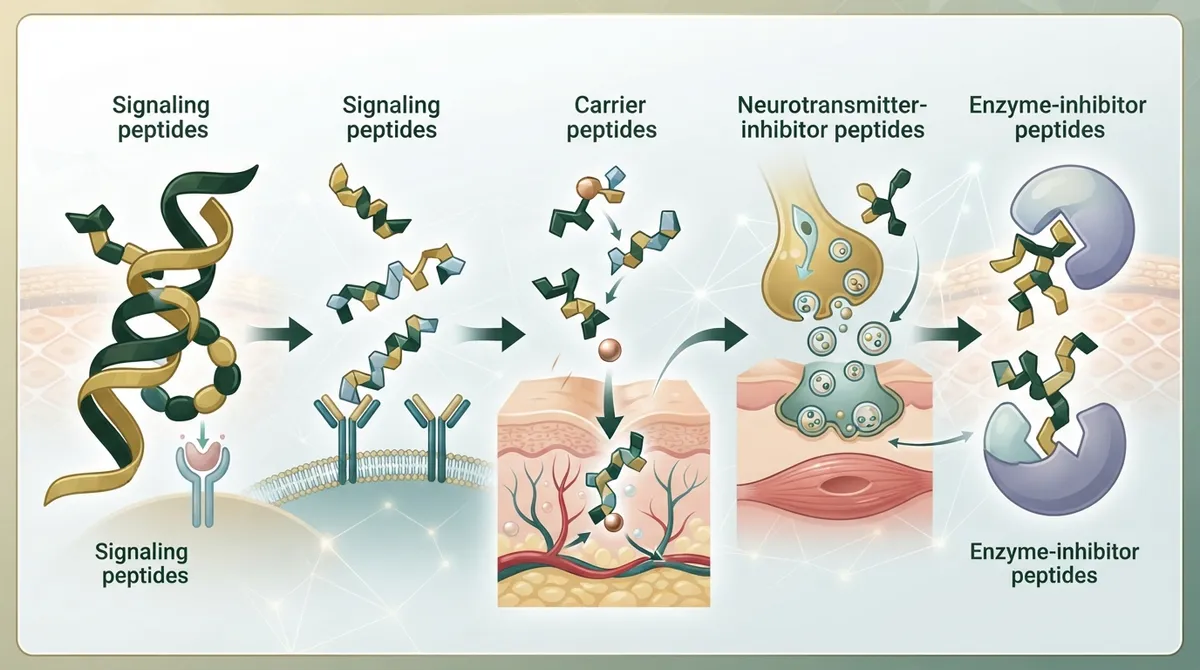
The Main Types of Peptides Used for Skin
Let’s meet the most common peptide “workers” you’ll see in skincare products and wellness protocols. According to the what are peptides overview from WebMD, these compounds interact with skin cells in different ways depending on their structure.
1. Signal Peptides (Like Matrixyl)
Signal peptides such as palmitoyl pentapeptide-4 are designed to nudge your skin’s extracellular matrix, the scaffolding that holds collagen and elastin together. Human studies suggest modest improvements in fine lines, firmness, and texture. That said, the results are usually gentler than what you’d get from a prescription retinoid or an in-office procedure.
2. Copper Peptides (GHK-Cu)
Copper tripeptide-1, often just called GHK-Cu, is a carrier molecule linked to tissue repair and antioxidant activity. It’s popular in wound-healing research too. Most of the strong evidence right now comes from lab studies and small clinical trials, so think of it as promising rather than proven at a large scale.
3. Neurotransmitter-Modulating Peptides (Like Argireline)
Acetyl hexapeptide-8, nicknamed Argireline, is marketed as a topical alternative for expression lines. It may reduce some of the signaling involved in muscle contraction around the eyes and forehead. It will not replace injectable treatments, but small trials have shown real, measurable improvement in some formulations.
4. Oral Collagen Peptides
These are peptides you take by mouth, not apply to your skin. Once digested, they break into amino acids and smaller peptides that may support hydration and elasticity from the inside out.
What the Research Actually Shows
Let’s talk numbers, because vague promises don’t help anyone make a decision.
| Peptide Type | Reported Benefit | Study Details |
|---|---|---|
| Peptide Complex (2019 study) | Statistically significant wrinkle reduction | Small, product-specific trial after two weeks |
| Matrixyl 3000 Formulation | ~45% reduction in deep wrinkle area, ~20% increase in tonicity | Blinded split-face study, 28 participants, two months |
| Acetyl Hexapeptide-8 (10% formulation) | ~30% reduction in crow’s-feet depth | About 30 days of use |
| Acetyl Hexapeptide-8 (varied studies) | ~48.8% anti-wrinkle efficacy vs placebo | Small, formulation-specific trials |
| Oral Collagen Peptides (2025 meta-analysis) | Improved hydration, elasticity, wrinkles | 23 RCTs, 1,474 participants; benefit smaller in high-quality, non-industry-funded studies |
A 2022 review of collagen supplementation studies found improvements in moisture, elasticity, and roughness, but researchers noted the need for stronger study designs. A 2024 laboratory study also found that collagen peptides affected molecules tied to skin firmness, though lab results don’t always translate directly into real-world results for every person. You can read more in this National Library of Medicine resource on peptide research.
Common Peptide Goals and What to Expect
Here’s a simple, no-nonsense breakdown of what people usually hope peptides will do, and what’s realistic.
- Hydration: Modest, noticeable improvement over 4 to 16 weeks with consistent use.
- Fine lines and texture: Gentle smoothing effects, especially with signal peptides like Matrixyl.
- Firmness and elasticity: Gradual support for skin’s structure, often paired with lifestyle habits like sleep and nutrition.
- Expression lines: Some improvement with neurotransmitter-modulating peptides, though not as dramatic as injectables.
- Major wrinkle reversal: Not typically achievable with topical peptides alone.
If you’re chasing bigger, longer-lasting changes, it might be worth exploring peptide skin rejuvenation options that go beyond store-shelf serums.
Topical vs Oral vs Clinical Peptide Therapy
This is where a lot of confusion happens, so let’s clear it up together.
| Delivery Method | What It Involves | Best For |
|---|---|---|
| Topical Serums | Peptides applied directly to skin | Surface-level hydration, texture, fine lines |
| Oral Collagen Peptides | Ingested peptides broken down during digestion | Whole-body hydration and elasticity support |
| Prescription or Compounded Peptide Therapy | Medically supervised, personalized protocols | Broader wellness goals like recovery, aging support, and skin quality |
Prescription and compounded peptide therapy should never be confused with an over-the-counter serum. These are different tools with different safety profiles, and they deserve guidance from a licensed provider. This is exactly why working with a team that understands both skin-level and whole-body goals matters so much.
Why Delivery Method Matters So Much
Here’s something most skincare ads won’t tell you: many topical peptides struggle to actually get into your skin. Your skin’s outer layer, called the stratum corneum, is a tough gatekeeper. Peptides are often too big or too water-loving to pass through easily.
That’s why brands use tricks like:
- Lipid conjugation (attaching fat-friendly tails to peptides)
- Encapsulation in tiny delivery capsules
- Microneedling to create temporary micro-channels
- Layering peptides with supportive ingredients like hyaluronic acid
Just because a product lists a peptide on the label doesn’t mean enough of it reaches your skin to make a difference. This is one reason personalized, medically guided plans often perform more consistently than store-bought products.
Peptide Skin Care vs Peptide Therapy: Know the Difference
This distinction is important, so let’s slow down here for a second.
Cosmetic peptide skin care usually means creams, serums, and masks you apply at home. Peptide therapy, on the other hand, may involve prescription-grade or compounded peptides that work systemically, meaning throughout your whole body, not just your skin’s surface.
Peptide therapy protocols are often designed around your actual blood work and health goals, not a one-size-fits-all bottle. This is where working with a licensed provider becomes essential, especially if you’re interested in outcomes tied to inflammation, tissue repair, or broader anti-aging support. If you want to understand how these programs are typically built, this guide on how to start peptide therapy safely and see real results is a great starting point.
Steps to Approach Peptides for Skin the Smart Way
- Get clear on your specific goal, whether it’s hydration, firmness, or overall skin quality.
- Ask about the exact peptide used, not just the word “peptide” on a label.
- Check if the product or protocol has any human clinical data behind it.
- Consider whether a topical, oral, or clinically supervised approach fits your goal best.
- Talk to a licensed provider before starting any prescription or compounded peptide protocol.
- Track your skin’s progress over 8 to 16 weeks, since peptides work gradually.
- Pair peptide use with sleep, hydration, and sun protection for the best chance of results.
Small, steady steps tend to beat rushed decisions here. Skin changes take time, and that’s okay.
Who Tends to Benefit Most
Peptides for skin can be a nice fit for several types of people:
- Adults noticing early fine lines or dullness who want a gentle approach
- People already using retinoids or sunscreen who want to add support
- Wellness-minded individuals looking for evidence-informed additions to their routine
- Those exploring broader peptide options for aging support alongside skin goals
- Anyone curious about combining skin support with energy, recovery, or metabolic wellness goals
If you fall into more than one of these groups, you’re definitely not alone. Many of our clients at Allura Longevity come to us wanting more than just skin support. They want to feel good from the inside out.
A Quick Word on Safety
Peptides are generally well tolerated, but that doesn’t mean every product or protocol is right for everyone. Prescription and compounded peptides especially need proper screening, dosing, and monitoring.
At Allura Longevity, clients start with an affordable virtual consultation and complete blood work through LabCorp. From there, our team, led by board-certified Family Nurse Practitioner Ashley, builds a personalized six-month plan based on your actual health picture. Everything ships to your door, and you get ongoing check-ins to adjust your plan as needed.
Bringing It All Together
So, what do peptides do for skin? In short: they signal, support, and sometimes gently reshape how your skin behaves, but the effects depend entirely on which peptide you’re using and how it’s delivered. Signal peptides may support firmness. Copper peptides may support repair. Neurotransmitter-modulating peptides may soften expression lines. And oral collagen peptides may support hydration from within.
None of these are magic overnight fixes. But used thoughtfully, and ideally with guidance from a licensed provider, peptides can be a meaningful part of a bigger wellness picture. If you’re also curious about how peptides support muscle recovery, energy, or metabolism, you might enjoy learning about peptides for energy that actually work or exploring options tailored specifically for peptides for women and peptides for men.
Ready to build a plan that’s actually made for you, not a generic bottle off a shelf? Our team at Allura Longevity is here to walk you through it with warmth, honesty, and real medical guidance. Request a consultation today, and let’s talk about what your skin and body really need. Spots are limited each month, so don’t wait too long to reach out.
FAQs
Q: What do peptides do for skin exactly?
A: Peptides act like tiny messengers that can support collagen activity, hydration, and skin repair, depending on the specific type used. Some peptides target fine lines, others support firmness, and some even help calm expression lines. The key is knowing which peptide matches your goal, since they don’t all work the same way.
Q: Do peptide serums really reduce wrinkles?
A: Some do, at least modestly. Studies on formulations like Matrixyl 3000 have shown real reductions in wrinkle depth over a couple months, and that’s genuinely encouraging news. Just keep in mind results vary by product, and topical serums generally offer gentler results than clinical treatments.
Q: What’s the difference between GHK-Cu, Matrixyl, and Argireline?
A: GHK-Cu is a copper peptide linked to tissue repair, Matrixyl is a signal peptide that supports collagen-related activity, and Argireline targets the signaling involved in expression lines. They each play a different role, kind of like different specialists on the same team.
Q: Are injectable or oral peptide therapies better than topical creams?
A: It really depends on your goals. Topical peptides mainly work on the skin’s surface, while oral or clinically supervised peptide therapy can support broader, whole-body outcomes. A licensed provider can help you figure out which route actually fits what you’re hoping to achieve.
Q: How long does it take to see results from peptide skin treatments?
A: Most people notice gradual changes over 4 to 16 weeks, not overnight miracles. Hydration and texture tend to improve first, with firmness and fine lines following gradually. Staying consistent really is the secret ingredient here.





