

Key Takeaways
-
Longevity skin peptide therapy is not one standardized treatment; it spans topical creams, oral collagen, and clinician-prescribed injectables, each with different evidence and risk.
-
Human evidence for topical GHK-Cu is limited and mixed, and a controlled post-laser study showed no clear objective advantage over controls.
-
A 2026 review of 19 randomized trials (1,341 participants) found oral collagen gave a modest wrinkle improvement, with inconsistent results for elasticity and density.
-
Evidence does not establish injectable peptides as a proven, FDA-approved way to reverse aging, and compounded products raise quality and sourcing concerns.
-
Sunscreen, sleep, protein-rich nutrition, and a simple routine are the proven foundation; peptides work best layered on top of these basics.
-
Most studies measure results over 8 to 12 weeks, so set realistic expectations, track progress with same-lighting photos, and review with a licensed provider.
If you have ever stood in front of the mirror and wondered whether a tiny vial of peptides could turn back the clock, you are not alone. Lots of people in 2026 are curious about longevity skin peptide therapy, and honestly, that curiosity makes sense. Skin is the part of aging we see every single day.
Here is the friendly truth, though. “Longevity skin peptide therapy” is not one single, standardized treatment. It is a broad phrase that can cover creams, oral collagen, and sometimes clinician-guided injectables. Each one has a different level of evidence and a different risk profile.
In this guide, we will walk through the whole thing step by step. You will learn what the science says, what it does not say, and how to build a smart plan with a licensed provider. Whether you are a busy professional, a data-loving biohacker, or simply someone who wants to age well, you will leave with clear, realistic next steps.
What Is Longevity Skin Peptide Therapy?
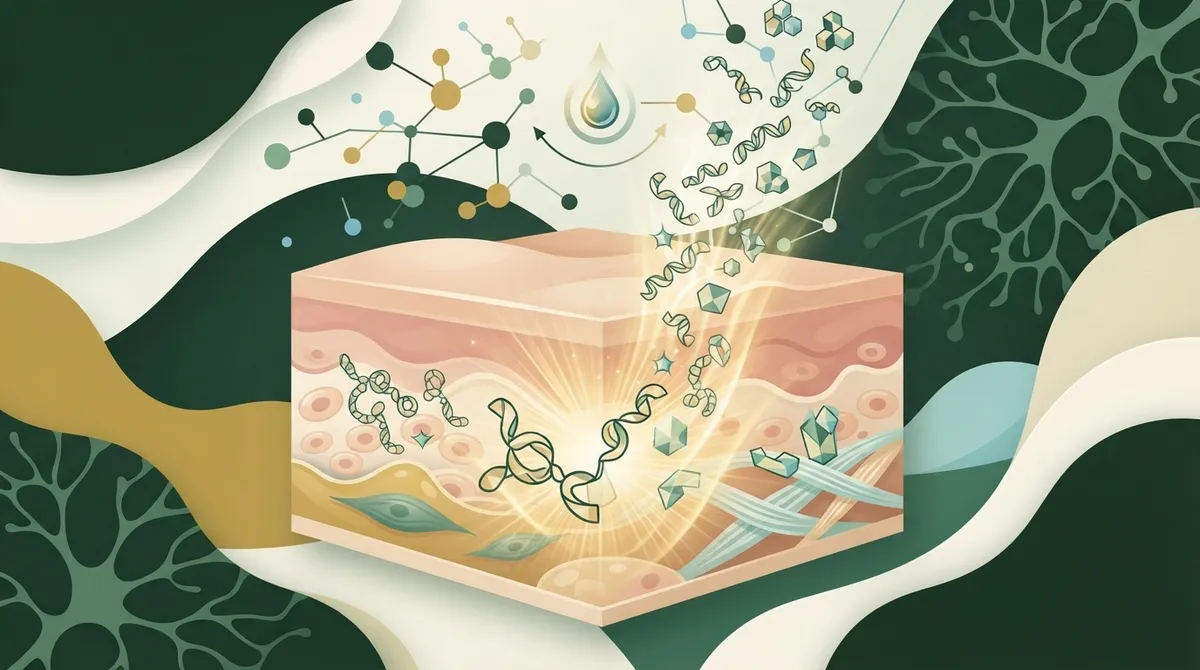
Peptides are short chains of amino acids. Your body uses them as little messengers, and some play a role in how skin builds and repairs itself. If you want a simple primer, the guide on what are peptides is a good place to start, and our own article, 8 Facts That Explain What Are Peptides in 2026, goes deeper.
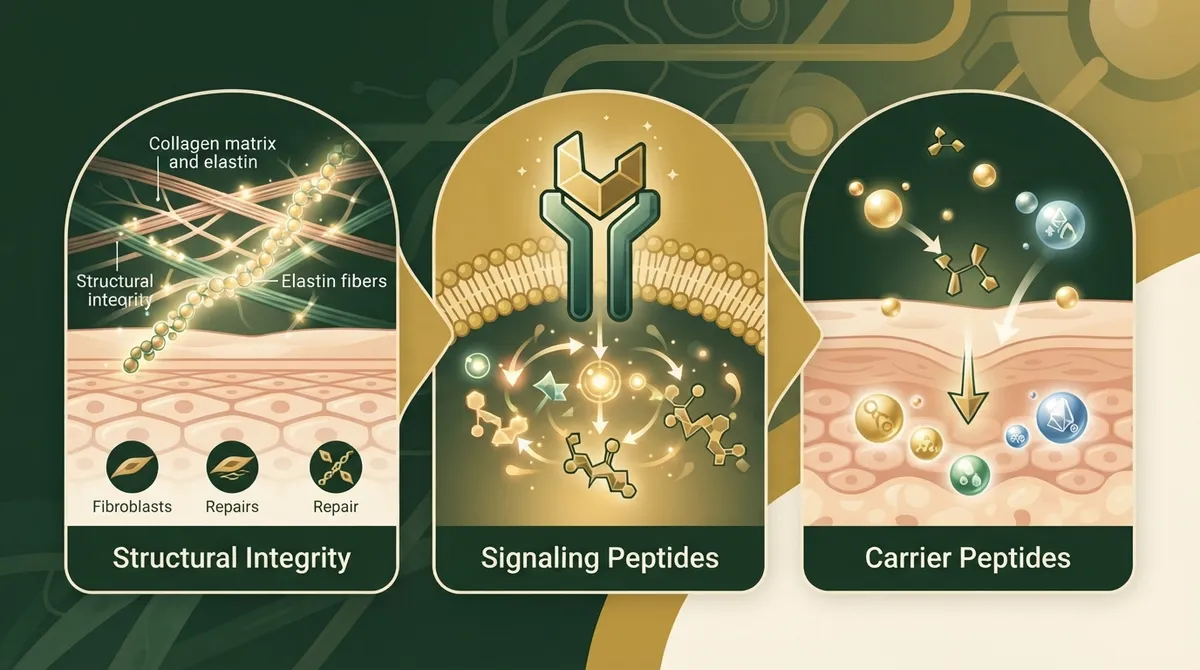
When people say longevity skin peptide therapy, they usually mean one of three things:
- Topical peptides: serums and creams, often with copper peptides like GHK-Cu.
- Oral collagen peptides: powders or capsules taken by mouth.
- Clinician-administered peptides: products prescribed through a licensed medical provider.
It is worth saying clearly: this is a marketing-friendly phrase, not a medical diagnosis or a proven aging cure. Good care starts with knowing exactly which peptide, which form, and which evidence you are talking about.
Step 1: Know the Three Main Categories
Before you spend a dime, sort the options into buckets. They are not interchangeable. A cream is not an injection, and an oral supplement is not a prescription therapy.
| Category | Example | How It Is Used | Evidence Snapshot |
|---|---|---|---|
| Topical peptides | GHK-Cu serums, peptide creams | Applied to skin daily | Small, short studies; mixed results |
| Oral collagen peptides | Collagen powders or capsules | Taken by mouth | Modest wrinkle benefit in pooled trials |
| Clinician-guided peptides | Prescribed peptide protocols | Provider-designed plan | Limited human data for skin-specific longevity claims |
This simple table is a great mental map. When you read a product claim, ask yourself which row it belongs in. That one question clears up a surprising amount of confusion.
Step 2: Understand What the Research Actually Says
Let’s be honest and kind to your wallet here. The science is promising in places, but it is not a slam dunk.
GHK-Cu: The Star Peptide for Skin
GHK-Cu, also called copper tripeptide-1, is the peptide most often discussed for skin repair. Lab and animal studies suggest it may influence collagen-related pathways, inflammation, and wound repair. That sounds exciting! But lab results do not automatically translate into visible anti-aging results in people.
Human evidence for topical GHK-Cu is limited and mixed. A 2018 review described older small studies, including a 12-week facial cream study in 71 women and a 12-week eye cream study in 41 women. Those studies reported some improvements, but they were small and not the same as large, independently repeated trials.
One controlled study after CO2 laser treatment, with 13 participants completing follow-up, did not show a clear objective advantage. So results are not uniformly positive, and a branded serum with many ingredients cannot fairly credit GHK-Cu alone.
Oral Collagen Peptides
Oral collagen is a separate category. A 2026 systematic review looked at 19 randomized controlled trials with 1,341 participants. It found a modest pooled improvement in wrinkles (MD = 0.27, p = 0.04). However, findings for elasticity and skin density were inconsistent. You can explore the broader research landscape through the National Library of Medicine.
The takeaway? Some formulations may offer small cosmetic benefits, and that is a fair, honest summary.
Step 3: Separate Cosmetic Claims From Medical Claims
This step protects you from hype. A cosmetic claim says a product may improve how skin looks. A medical claim says a product treats, prevents, or reverses a condition.
Right now, the evidence does not establish injectable peptides as a proven, FDA-approved way to extend skin health or reverse aging. Human safety and efficacy data for injection are still inadequate, and unapproved or compounded products raise extra questions about quality.
For a clear look at the difference, our guide FDA-Approved vs. Compounded Peptides: What Wins? breaks it down in plain language.
- Be cautious with promises like “reverse aging” or “erase wrinkles for good.”
- Look for providers who name the exact peptide, dose, and route.
- Ask where the product is made and how quality is tested.
Step 4: Build Your Foundation First
Here is a secret that every good dermatology-minded provider knows: peptides work best on top of a solid foundation, not instead of one. Think of peptides as the cherry, not the sundae.
Follow these foundational steps before layering on anything fancy:
- Wear daily sunscreen. Sun protection is still the number one anti-aging habit for skin.
- Keep a simple routine. A gentle cleanser, moisturizer, and a proven retinoid if your provider approves.
- Prioritize sleep. Skin repairs itself overnight, so rest matters.
- Eat enough protein and colorful produce. Your skin is built from what you eat.
- Skip smoking and limit alcohol. Both speed up visible aging.
These basics cost little and have strong evidence behind them. For more on the routine side, see What Peptides Do for Skin: A Real-World Guide for 2026.
Step 5: Get Smart About Your Own Body With Lab Work
Skin does not age in a vacuum. Hormones, inflammation, sleep, and metabolism all show up on your face eventually. That is why personalized care usually starts with data.
Blood work can help a licensed provider understand your bigger picture. Biohackers and health optimizers tend to love this step because it replaces guesswork with real numbers. If you are curious, read How to Use Biomarker Testing to Guide Peptide Therapy.
Labs do not tell you which peptide will transform your skin. They do help a provider decide what is safe, what is useful, and what is not worth your time.
Step 6: Choose the Right Provider and Delivery Method
Who guides your plan matters as much as what is in the vial. Look for licensed medical providers who review your history, order labs, and monitor you over time.
Telehealth makes this easier for busy people. You can have a consultation from your couch, complete labs locally, and receive treatment at home. At Allura Longevity, licensed providers design customized plans based on your blood work and goals, and care is delivered through telehealth in Florida, Georgia, Texas, Connecticut, Indiana, Maryland, New York, and California. Our guide How to Get Prescription Peptides Safely in 2026 covers what to look for.
Questions to Ask Any Provider
- Which exact peptide are you recommending, and why?
- What does the evidence say about this peptide for skin?
- Where is it sourced, and is it FDA-approved or compounded?
- How will you monitor my progress and side effects?
If a provider cannot answer these clearly, keep looking. A good one will welcome your questions.
Step 7: Set Realistic Expectations and Timelines
Skin changes slowly. Skin cells turn over roughly every month, and collagen remodeling takes longer. Most studies of topical or oral products run 8 to 12 weeks, so it is reasonable to think in months, not days.
| Timeframe | What You Might Notice |
|---|---|
| Weeks 1 to 4 | Better hydration or texture from your routine; little structural change |
| Weeks 4 to 8 | Possible subtle changes in tone or fine lines |
| Weeks 8 to 12 | Where many studies measure results; changes tend to be modest |
| Month 3 and beyond | Ongoing review with your provider to adjust the plan |
For a deeper look at timing, check How Long Until Peptides Improve Skin? A 2026 Timeline. Photos taken in the same lighting every few weeks are a great way to track real progress.
Step 8: Know the Risks and Side Effects
Being informed is a form of self-care. Even gentle-sounding products can cause reactions.
- Topical products: irritation, redness, dryness, or allergic reactions.
- Oral collagen: mild digestive upset in some people, plus allergy concerns if sourced from fish or shellfish.
- Injectable or compounded products: injection-site reactions, and quality or purity concerns when products are unapproved or poorly sourced.
Tell your provider about medications, allergies, pregnancy plans, and any history of skin conditions. Safety first always wins. You can read more in Is Peptide Therapy Safe? What You Really Need to Know.
Step 9: Put Your Longevity Plan Together
Now let’s pull it all together into a simple, doable plan. Longevity is about the whole you, not just the surface.
- Start with the basics: sunscreen, sleep, nutrition, and a gentle routine.
- Get a consultation: share your goals and health history with a licensed provider.
- Run labs: let your numbers guide decisions.
- Choose evidence-aware options: topical or oral products first, then discuss clinician-guided options if appropriate.
- Track and adjust: review progress every few months.
Want a bigger-picture view? Our post How to Build a Smart Longevity Care Plan in 2026 walks through the whole process.
Ready to Take the Next Step?
Longevity skin peptide therapy is not magic, and it is not a scam either. It is an evolving area where some options show modest cosmetic promise, and others still need better research. The best approach is calm, curious, and guided by a real medical professional.
Allura Longevity offers personalized, medically supervised peptide therapy through telehealth, starting with a $50 virtual consultation, LabCorp blood work, and a customized six-month plan delivered to your door. Spots for new clients are limited each month. Request a consultation or call (813) 510-6277 to see whether a personalized plan fits your goals.
FAQs
Q: What is longevity skin peptide therapy?
A: It is a broad, marketing-friendly phrase rather than one standardized treatment. It can refer to topical peptides like GHK-Cu, oral collagen peptides, or provider-guided peptide plans, and the evidence is different for each.
Q: Does GHK-Cu peptide actually improve wrinkles or skin firmness?
A: Lab studies are encouraging, but human evidence is limited and mixed. Some small studies report appearance improvements, while a controlled post-laser study showed no clear objective advantage, so it is best to keep expectations realistic.
Q: Are injectable peptides safe for skin rejuvenation?
A: Human safety and effectiveness data for injectable peptides aimed at skin longevity are still limited, and unapproved or compounded products raise extra quality concerns. If you are considering them, work with a licensed medical provider who explains the sourcing, risks, and monitoring plan.
Q: Do oral collagen peptides improve skin aging?
A: A 2026 systematic review of 19 randomized trials with 1,341 participants found a modest improvement in wrinkles, though results for elasticity and density were inconsistent. They may offer small cosmetic benefits but are not a cure for aging.
Q: How long does it take to see results from skin peptides?
A: Most studies measure results over about 8 to 12 weeks, so patience is key. Pair peptides with sunscreen, good sleep, and a solid routine for the best chance of noticing changes.





