

Key Takeaways
-
Testosterone therapy requires confirmed low levels through repeat morning blood tests plus symptoms before starting—one test isn't enough, as levels fluctuate daily and fatigue can stem from sleep apnea, thyroid issues, or other conditions.
-
Peptide therapy and testosterone replacement are different: TRT directly replaces testosterone while peptides indirectly stimulate your body's hormone pathways; peptides shouldn't replace medically necessary testosterone treatment but can complement it.
-
Age alone isn't a reason to start testosterone therapy—the Endocrine Society recommends against routine treatment for men over 65 based on age, focusing instead on individual symptoms, lab results, and personalized provider conversations.
-
Certain health conditions like active fertility plans, prostate cancer history, or untreated severe sleep apnea require extra caution or may contraindicate testosterone therapy; ongoing monitoring of testosterone, hematocrit, and PSA levels is essential during treatment.
If you’re a guy in your 40s, 50s, or beyond and feeling like your energy just isn’t what it used to be, you’re not imagining it. Maybe your workouts feel harder. Maybe sleep doesn’t refresh you the way it once did. You’ve probably heard friends talk about hormone therapy for aging men, and you’re wondering if it’s right for you too. Good news: you’re in the right place, and we’re going to break this down together in plain, friendly terms.
Hormone therapy for aging men is a big topic, and it gets tangled up with peptide therapy all the time. They’re related, but they’re not the same thing. Understanding the difference matters, especially if you want real results without wasting money or taking unnecessary risks. This guide will walk you through five key facts every man should know before starting any treatment plan, whether that’s testosterone replacement, peptide support, or a combination approach guided by a licensed provider.
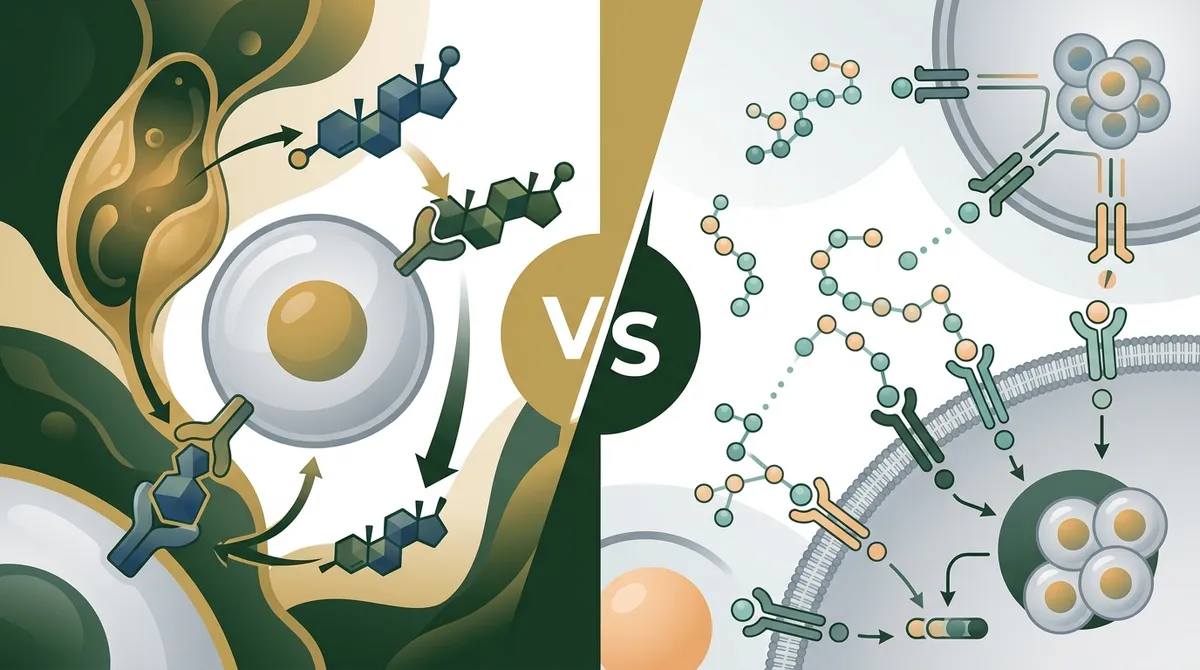
1. Hormone Therapy and Peptide Therapy Are Not the Same Thing
Let’s clear up some confusion right away. Testosterone replacement therapy, or TRT, is a hormone treatment. It replaces a hormone your body isn’t making enough of. Peptide therapy is different. Peptides are small chains of amino acids that can signal your body to do things like produce more growth hormone, repair tissue, or support metabolism, according to what are peptides resources from trusted medical sources.
Some peptide clinics talk about peptides as an alternative to testosterone therapy. That’s not quite accurate. Peptides can be a helpful adjunct for certain goals like recovery or sleep, but they shouldn’t be marketed as a proven substitute for medically necessary testosterone replacement. If you actually have low testosterone with symptoms, that usually needs to be addressed directly, often alongside a broader wellness plan.
- TRT directly replaces testosterone in your bloodstream
- Peptides work more indirectly, often by stimulating your own hormone pathways
- Some men benefit from both, guided by lab work and clinical judgment
- Neither should be started without proper testing and a licensed provider’s guidance
If you want to understand this distinction more deeply, this guide on how to compare peptide therapy vs testosterone replacement breaks it down further.

2. Low Testosterone Needs to Be Confirmed, Not Assumed
Here’s something a lot of men don’t realize: feeling tired or low doesn’t automatically mean your testosterone is low. Symptoms like fatigue, reduced muscle mass, low mood, and decreased libido are common with age, but they can also come from sleep apnea, diabetes, depression, obesity, or certain medications.
The Endocrine Society recommends diagnosing low testosterone only when a man has real symptoms AND consistently low testosterone levels confirmed with repeat morning blood testing. One test isn’t enough. Testosterone naturally fluctuates throughout the day, so a single afternoon blood draw can be misleading.
Common Symptoms Linked to Low Testosterone
| Symptom | Also Caused By |
|---|---|
| Reduced libido | Stress, depression, relationship issues |
| Fatigue | Sleep apnea, thyroid issues, poor diet |
| Loss of muscle mass | Inactivity, aging, poor nutrition |
| Low mood | Depression, chronic stress, illness |
| Erectile difficulties | Cardiovascular issues, medications, anxiety |
This is exactly why proper testing matters so much. At Allura Longevity, every client starts with a virtual consultation and complete blood work through LabCorp before any treatment plan is built. That way, your provider knows what’s actually going on inside your body, not just guessing based on symptoms alone.
3. Age Alone Is Not a Reason to Start Testosterone Therapy
This might surprise you. The Endocrine Society specifically recommends against routinely prescribing testosterone to all men over 65 just because their testosterone is on the lower end. Age-related decline is normal, and it doesn’t always require treatment.
Instead, treatment decisions should be individual. That means looking at your actual symptoms, your lab results, your health history, and having an honest conversation with your provider about risks and benefits. This is where working with a knowledgeable telehealth provider really helps, since they can walk you through your specific numbers rather than applying a one-size-fits-all approach.
Before starting any hormone treatment, your provider should also investigate why your testosterone is low. Is it a testicular issue? Or is it related to your pituitary gland or hypothalamus? This often involves checking luteinizing hormone, follicle-stimulating hormone, and prolactin levels. Reviewing your current medications and screening for obesity or other illnesses matters too.
Steps to Properly Evaluate Low Testosterone
- Complete a symptom review with a licensed provider
- Get repeat morning fasting blood work to confirm low testosterone
- Check related hormones like LH, FSH, and prolactin
- Rule out other causes like sleep apnea, obesity, or medication side effects
- Discuss personalized treatment options based on your actual results
If you’re curious what this evaluation process looks like in real life, check out how to tell when men need hormone therapy for a deeper dive.
4. Certain Health Conditions Change the Whole Conversation
Testosterone therapy isn’t right for everyone, and that’s important to know upfront. Men who are actively trying to have children should generally avoid TRT, since it can suppress sperm production. That’s a big one that catches a lot of guys off guard.
Other situations that require extra caution include:
- History of prostate or breast cancer
- Significantly elevated PSA levels without prior evaluation
- Elevated hematocrit (thick blood)
- Untreated, severe sleep apnea
- Uncontrolled heart failure
- Recent heart attack or major cardiovascular event
None of this means treatment is off the table forever. It just means your provider needs a full picture of your health before moving forward. This is also why ongoing monitoring matters so much once treatment begins. Research summarized in the National Library of Medicine highlights the importance of tracking testosterone, hematocrit, and PSA levels regularly during treatment, especially for men over 40.
Typical Monitoring Schedule
| Time Point | What Gets Checked |
|---|---|
| 3 to 6 months | Hematocrit levels |
| 12 months | Testosterone, hematocrit, and symptom review |
| Annually after year one | Testosterone, hematocrit, PSA (if applicable) |
Good news on the safety front: a major cardiovascular safety trial called TRAVERSE found no new overall signal for major heart problems in appropriately selected men receiving treatment for confirmed low testosterone. That said, this doesn’t mean treatment is risk-free. Monitoring still matters, every single time.
5. Peptides Can Support Aging Men, But They Are Not Magic
Now let’s talk peptides, since this is where a lot of marketing gets overly excited. You may have heard about peptides like sermorelin, CJC-1295, ipamorelin, or BPC-157 being pitched as anti-aging solutions. Here’s the honest truth: many of these are not FDA-approved for anti-aging, muscle-building, or general wellness use. Some are considered investigational, and product quality can vary a lot depending on where you get them.
That doesn’t mean peptides are useless. Far from it. When used thoughtfully, under medical supervision, with appropriate lab monitoring, certain peptides may support things like:
- Sleep quality and recovery
- Muscle preservation alongside strength training
- Metabolic support as part of a broader wellness plan
- Tissue repair after injury, such as with BPC-157
The key phrase there is “under medical supervision.” Compounded or research-grade peptides without proper oversight can carry uncertain purity and safety risks. That’s why working with a licensed provider who reviews your blood work and designs a plan around your actual needs is so important. If you want to learn more about specific options, this article on men’s wellness peptides worth knowing in 2026 is a great next read.
Hormone Therapy vs. Peptide Therapy at a Glance
| Feature | Testosterone Therapy | Peptide Therapy |
|---|---|---|
| FDA Status | FDA-approved for confirmed hypogonadism | Varies; many not FDA-approved for anti-aging use |
| Primary Goal | Replace deficient testosterone | Support signaling for recovery, sleep, metabolism |
| Requires Lab Testing | Yes, repeated morning testing | Yes, for safe personalized dosing |
| Fertility Impact | Can suppress sperm production | Generally does not suppress fertility |
This is exactly why Allura Longevity takes a personalized, evidence-informed approach. Every plan starts with real lab work, not guesswork, and is guided by Ashley, a board-certified Family Nurse Practitioner who reviews your results and builds a plan around your actual goals. Whether you’re exploring peptides for men or wondering if testosterone therapy makes sense for you, having a knowledgeable guide makes all the difference.
Bringing It All Together
Aging doesn’t have to mean accepting low energy, poor sleep, or a fading sense of vitality as your new normal. But it also doesn’t mean jumping straight into hormone therapy without proper testing, either. The smartest path forward involves real conversations, real lab work, and a provider who actually listens to your goals and health history.
Whether the right answer for you turns out to be testosterone replacement, a peptide-based approach, or some combination guided by careful monitoring, the goal is always the same: helping you feel like yourself again, safely and sustainably. To learn more about starting the process the right way, take a look at how to start peptide therapy safely and see real results.
Ready to find out what’s really going on with your hormones? Allura Longevity offers convenient telehealth consultations, LabCorp blood work, and personalized six-month treatment plans delivered right to your door. With licensed providers overseeing every step and limited spots opening each month, now’s a great time to take that first step. Request a consultation today and let’s build a plan that actually fits your life.
FAQs
Q: What is the difference between testosterone replacement therapy and peptide therapy for aging men?
A: Great question, and one we hear all the time! Testosterone replacement therapy directly replaces a hormone your body isn’t producing enough of, while peptide therapy uses small protein signals to encourage your body to support things like recovery, sleep, or metabolism. They can work together, but peptides shouldn’t be seen as a proven replacement for medically necessary testosterone treatment.
Q: How do you know if an older man actually has low testosterone?
A: The only real way to know is through repeat morning blood testing combined with a review of your symptoms. A single test result isn’t enough, since testosterone levels naturally shift throughout the day. Your provider should confirm results are consistently low before considering treatment.
Q: Can peptides increase testosterone naturally in aging men?
A: Some peptides, like certain growth-hormone-releasing compounds, may support your body’s natural signaling pathways, but they aren’t a guaranteed way to raise testosterone. Evidence varies quite a bit depending on the specific peptide, so it’s best to discuss realistic expectations with a licensed provider before relying on them.
Q: Are CJC-1295, ipamorelin, or sermorelin FDA-approved for anti-aging treatment?
A: Not currently. Many peptides used in wellness settings, including these popular ones, are not FDA-approved specifically for anti-aging, muscle building, or general wellness purposes. That doesn’t mean they’re never useful, but it does mean you should work with a licensed provider who understands their proper use and limitations.
Q: What blood tests should be completed before starting hormone or peptide therapy?
A: At minimum, you’ll want morning total testosterone, hematocrit, and often PSA if you’re over 40. Depending on your symptoms, your provider might also check LH, FSH, prolactin, and other markers to rule out underlying causes. This is exactly why Allura Longevity has every client complete thorough LabCorp testing before building a personalized plan.





